
This week in seventh grade, we finished our look at Christianity in the Roman Empire, wrapped up the Rome unit with a Tier List, and finally got EduProtocols Plus Live working on our school network. I had planned to teach the fall of Rome before Thanksgiving, but once I looked at how much class time we actually had, I changed the plan. We spent the middle of the week giving students time to go back through what they had learned about Rome and make some decisions about what mattered most.
Monday: Christianity Gains Acceptance in the Roman Empire
On Friday, we had asked why some Romans saw Christians as a threat. On Monday, we picked up that story by looking at how the Roman government’s treatment of Christians changed. We started with a Fast & Curious Gimkit to bring back some of what students already knew, then moved into a CyberSandwich.
CyberSandwich
Partners read two different articles, compared the information they found, and wrote a summary. One distinction I wanted students to come away with was the difference between the Edict of Milan and what Theodosius did nearly 70 years later. In 313, the Edict of Milan gave people in the empire the freedom to practice their religion. In 380, Theodosius made Nicene Christianity the official religion of the empire. Those were two different decisions, and putting them in order helped students explain how much Rome’s relationship with Christianity had changed.
This ended up being a perfect 20–25 minute lesson for a shortened class. We got in some retrieval, and students still had time to read, talk through what they found with a partner, and put the story together in writing.
Tuesday–Thursday: Ancient Rome Tier List Assessment
This was one of those pretty common things in education, at least for me. Sometimes you look at the schedule and realize you need to pivot. I knew classes would be shortened and the schedule would be a little wonky the rest of the week. I could have tried to squeeze in the fall of Rome, but it made very little sense to rush through it, take all of Thanksgiving week off, and then come back and assess. So I ended the unit with Christianity and built the assessment around what we had covered up to that point.
Identify, Describe, and Justify
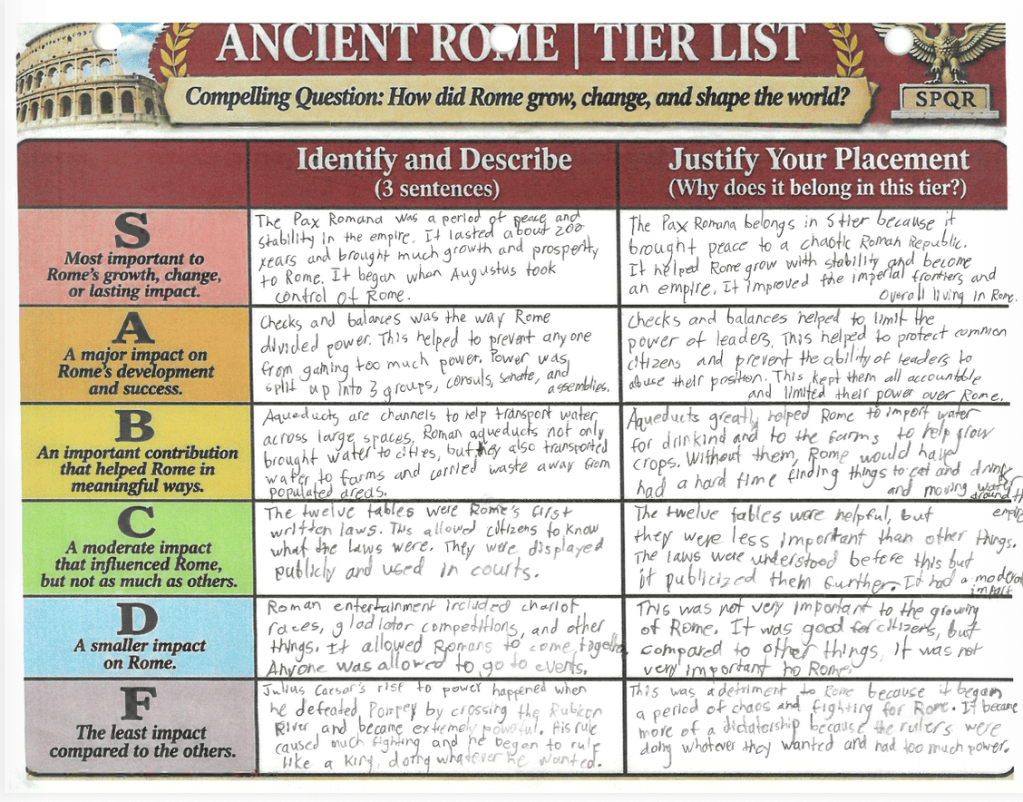
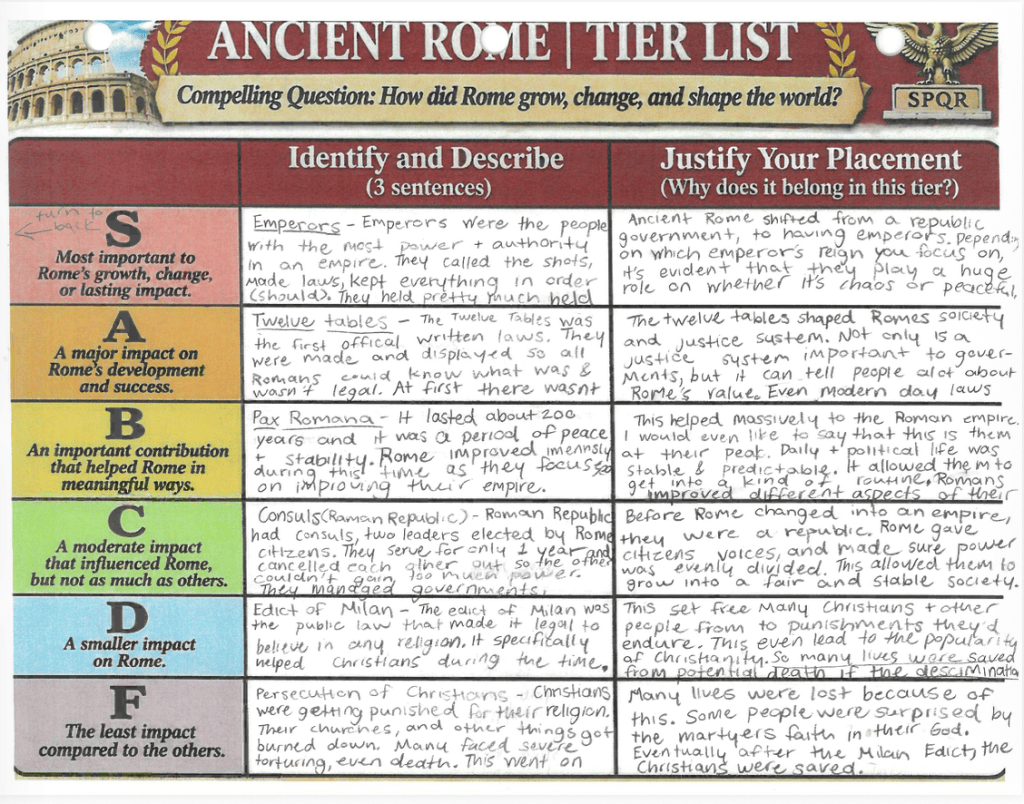
Our compelling question was How did Rome grow, expand, and shape the world? Students went back through their notes and class materials and chose six things to put on their Tier List. For each one, they had to identify it, describe it with accurate historical details, and justify where they placed it. Picking the six was part of the assessment. Once they had their six, they still had to decide which had the greatest impact and explain what made one more significant than another.
We had done three or four Tier Lists during the Rome unit, and students had already done one for ancient Greece. I wanted some consistency between the way I teach and the way I assess. By this point, students knew how a Tier List worked, and we could spend our time on the part I cared about most. What did they think mattered, and what could they pull from their notes to make that case? I gave them 60 total minutes of class time across the three days and built in a few Fast & Curious reps along the way.
Friday: EduProtocols Plus Live
On Friday, I finally got EduProtocols Plus Live working on our school network. We tried two things with it, Hot Potato in Fast & Curious Live and Random Emoji Power Paragraph.
Fast & Curious Live: Hot Potato
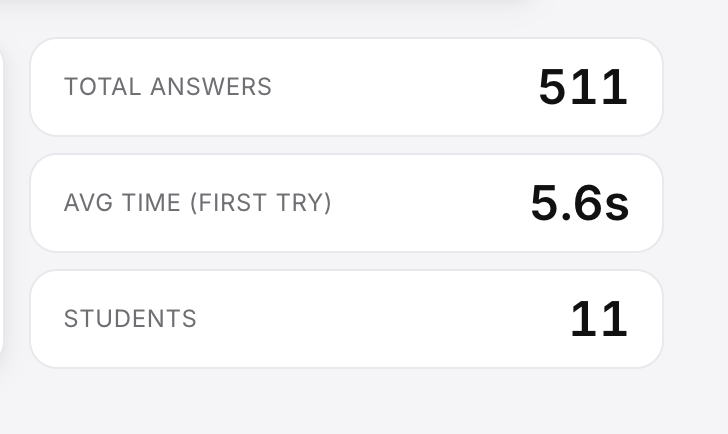
The first few questions were rough. The kids were trying to figure out what was going on, and the game was moving fast. They quickly figured out that they had about four or five seconds to answer and earn money before the timer ran out and they started losing it. Once they understood that, the pace was one of the things I liked most about it. Every student had to keep answering, and it was harder to hide behind the game than it sometimes is in Gimkit.
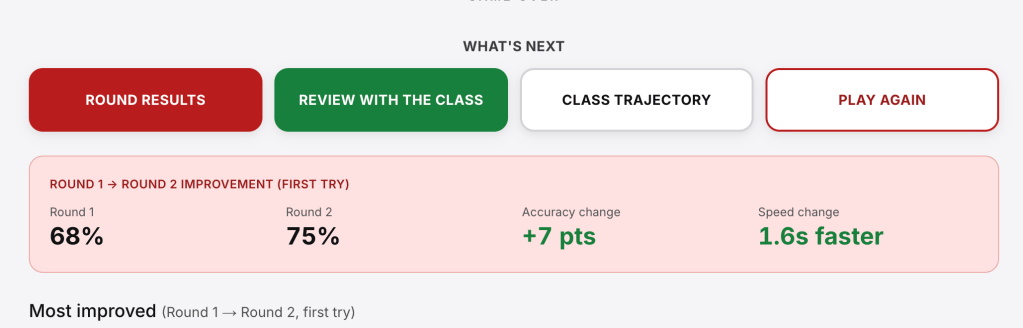
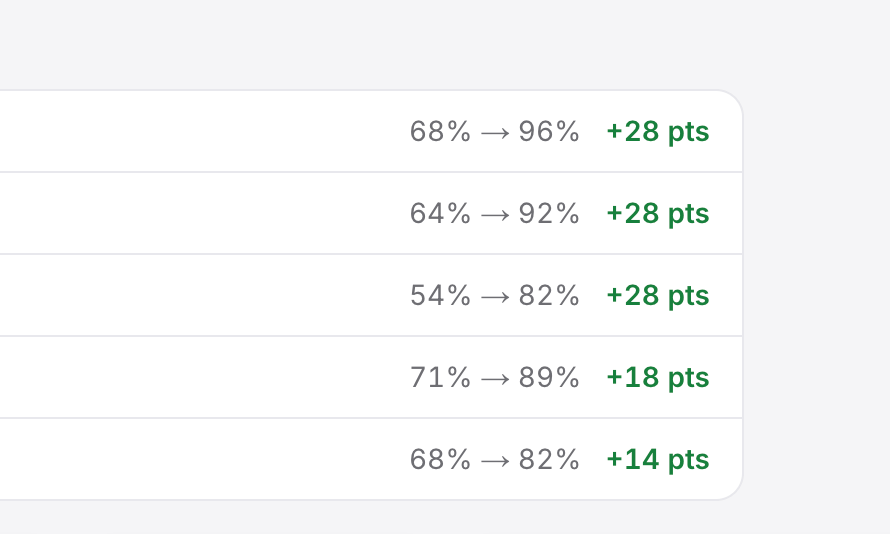
The kids loved seeing the data. They wanted to know who was at the top and how other students had answered the questions. My favorite part was that a second round started immediately. We got another round of retrieval while the first one was still fresh, and then we could see who made the biggest gains and by how much. That gave kids another way to see how they were doing. You could be outside the top spots in the first round and still have your name up there for how much you improved in the second. For something that started off as rough as it did, it was fun to hear them asking to do it again.
Random Emoji Power Paragraph
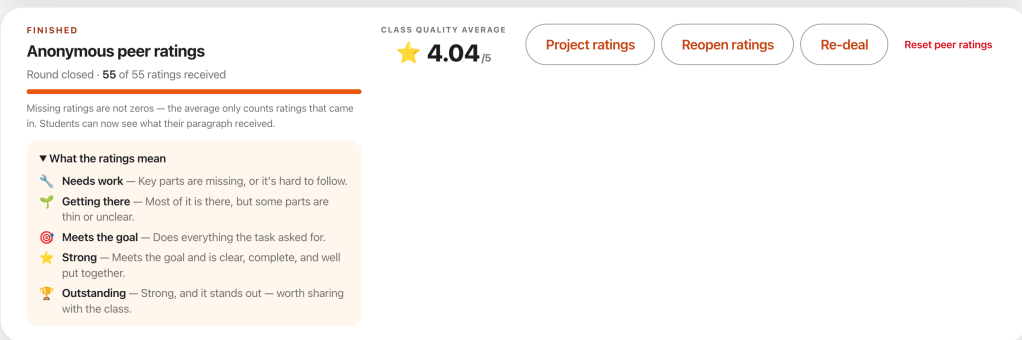
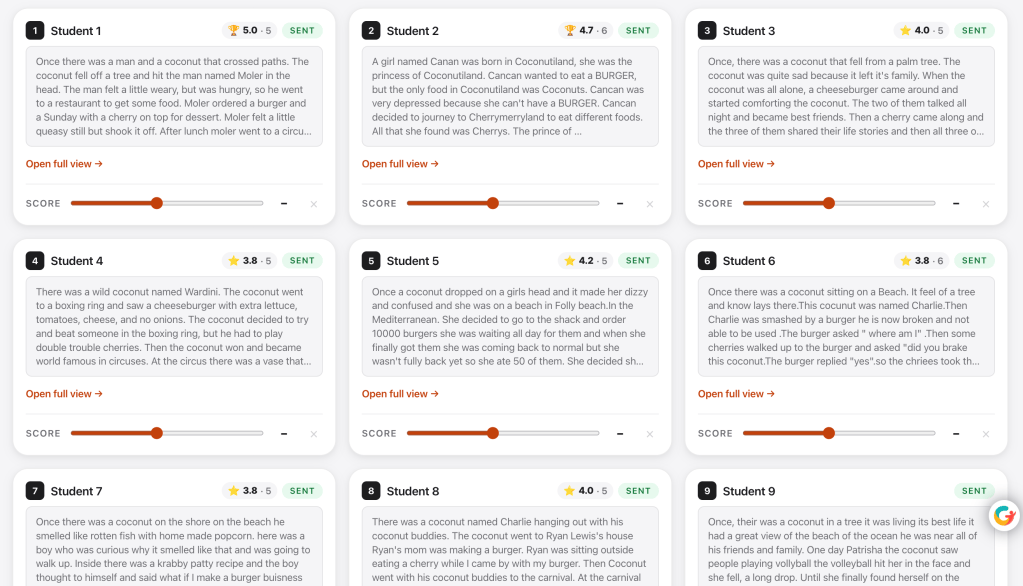
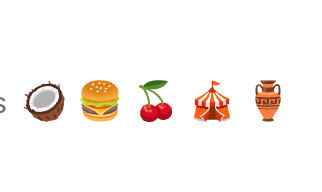
We also tried REPP, or Random Emoji Power Paragraph. Students joined with a code, and the emojis were right there on their screens above the box where they typed their stories. Once they were finished, I could switch to anonymous peer review and choose whether they read and gave feedback on one, three, or five other paragraphs.
I liked how simple the feedback was. Students could choose from options like Needs Work, Meets the Target, and Outstanding, and each one had a definition. The kids could see what each choice meant while they were reading someone else’s work. I also liked that I could save everything and go back to it after I closed the session.
A Google Classroom Tip from Drew Skeeler
One thing I picked up from Drew Skeeler was to post a separate link in Google Classroom for each protocol. I have a Fast & Curious link, a REPP link, a CyberSandwich link, and so on. When we’re ready to start, the kids click the link that’s already there and type in the code. That made it easy to go from one activity to the next on Friday.
Lessons This Week
Monday – CyberSandwich, Reading
Tuesday – Tier List, Directions
Friday – EduProtocols Plus Live Link


