I want to start off and say I have always been fond of country music. The sound. Te history, The stories. Yesterday, I was watching Ken Burns’ Country Music documentary on PBS, and Episode 7 kept sticking with me because of how much was happening at the same time in the Country genre.
You had Nashville continuing to push a polished, commercial sound built around strings, production, and crossover appeal. At the same time, the Bakersfield sound was pushing back with something raw and stripped down, built on a different idea of what country music should sound like. Then you had the Outlaw movement, with Willie Nelson and Waylon Jennings rejecting the system altogether and fighting for control over their music. And outside of all of that, there were songwriters like Townes Van Zandt and artists like Emmylou Harris who were less concerned with fitting into any structure and more focused on telling honest stories.
When you step back and look at it, none of these paths really align. If anything, they are pulling the genre apart in real time, and it is easy to see why people at the time felt like country music was losing something important. It’s sound. It’s appeal. It’s status quo.
Losing Its Soul or Expanding?
That tension was not just in the music. It showed up in how people talked about it and how they experienced it. Marty Stuart described walking into the Grand Ole Opry as a kid like stepping into something sacred, which tells you how clearly defined “real country music” felt in that moment.
But even as that standard existed, it was being challenged from multiple directions. Some people saw what was happening as growth, as the genre expanding and reaching more people. Others saw it as a loss of identity, where the music was drifting away from its roots and becoming something else entirely.
Both perspectives make sense when you look at what was actually happening. The Countrypolitan sound leaned heavily into production and accessibility. Bakersfield rejected that and emphasized simplicity and edge. The Outlaws challenged not just the sound, but the control that Nashville had over artists. At the same time, the songwriter movement continued to operate on its own terms, prioritizing storytelling over commercial fit.
This was not a clean evolution. It was multiple versions of country music existing at once, each with a different idea of what mattered most.
When It All Comes Together
What stood out most to me, though, is that it did not fall apart. It eventually came together.
You see that in the moment where Willie Nelson and Merle Haggard are on stage singing Pancho and Lefty. The song itself comes from Townes Van Zandt, who represents that independent songwriter tradition. It had already been carried forward by artists like Emmylou Harris, who blended styles and stayed rooted in the music at the same time. Also on stage was Marty Stuart representing the traditional sound.
By the time it reaches that stage, it is no longer tied to one lane of country music. It represents all of them. The polished world, the outlaw world, the songwriter world, and the traditional roots are all present in that one moment. It works not because those differences disappeared, but because they were layered together around something deeper.
What Didn’t Change
That is where the idea really clicked for me. Country music did not survive that period by resisting change or by choosing one version of itself over another. It survived because, underneath all of the shifts in sound, production, and control, there were certain things that did not move.
The commitment to storytelling stayed. The emotional connection to the listener stayed. The ability to reflect real experiences, even when the style changed, stayed. Those elements created a throughline that allowed everything else to evolve without the genre losing itself.
The Connection to Education
That idea feels really relevant to where we are in education right now. There is a strong push in some spaces to go backward, to return to older methods as a way to respond to the challenges that come with technology and AI. Some of that push is grounded in real concerns, especially around distraction and shallow engagement.
But going backward is not how systems grow or adapt. What we are seeing now is not that different from what country music went through. There are multiple approaches happening at once. Some are more traditional. Some are pushing boundaries. Some are reacting against what exists. Some are experimenting in ways that do not always work.
The goal is not to eliminate that tension. The goal is to understand what actually needs to stay consistent.
In the same way that country music held onto storytelling, emotion, and connection, education has its own core elements that cannot be lost. Students still need to think deeply. They still need to make meaning. They still need to connect ideas and communicate understanding.
If those things intentionally remain at the center, then the tools, structures, and methods around them can evolve. They should evolve. The challenge is not managing change. It is being clear about what is worth holding onto as everything else shifts.
In Practice
What that looks like in practice is not about adding more. It is about being intentional with what is already there.
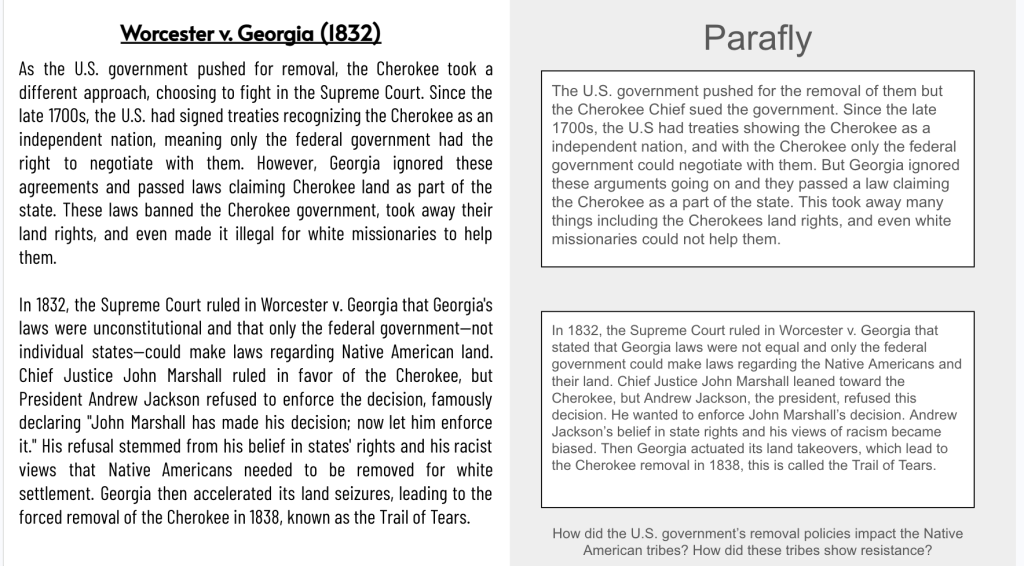
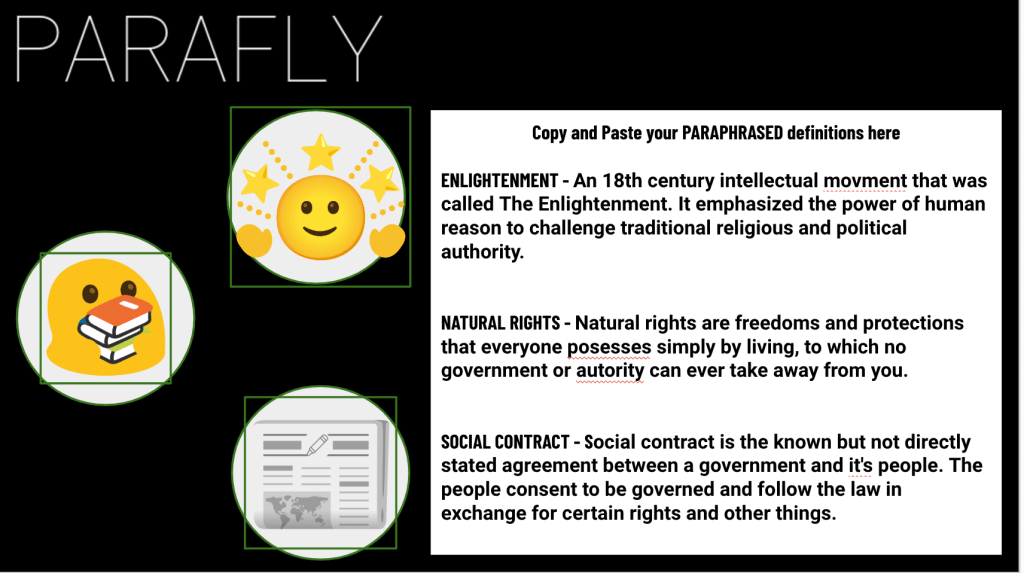
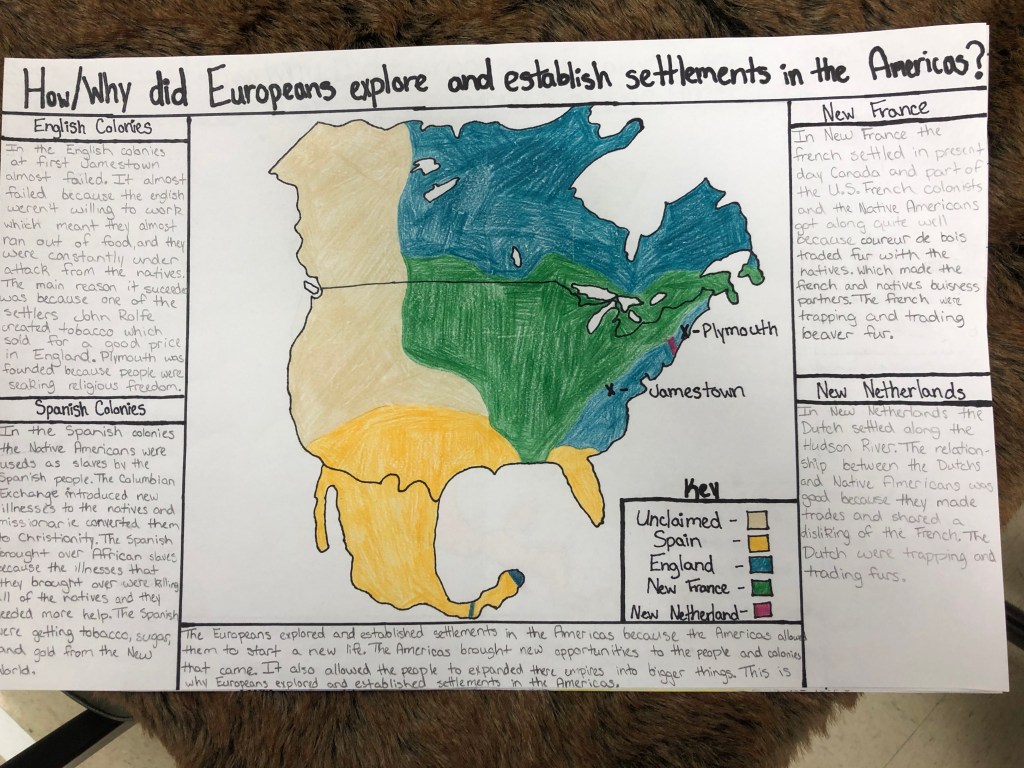
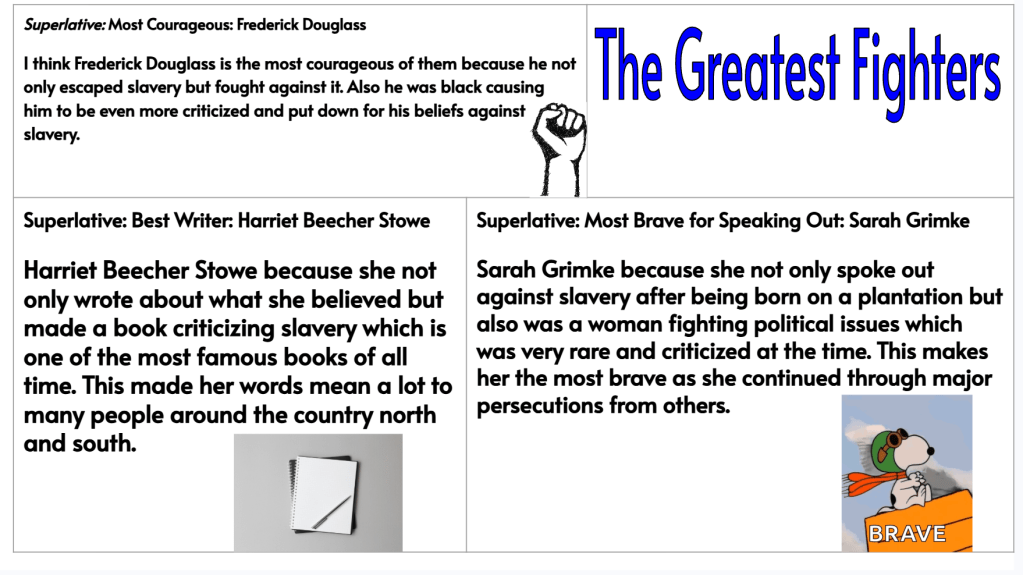
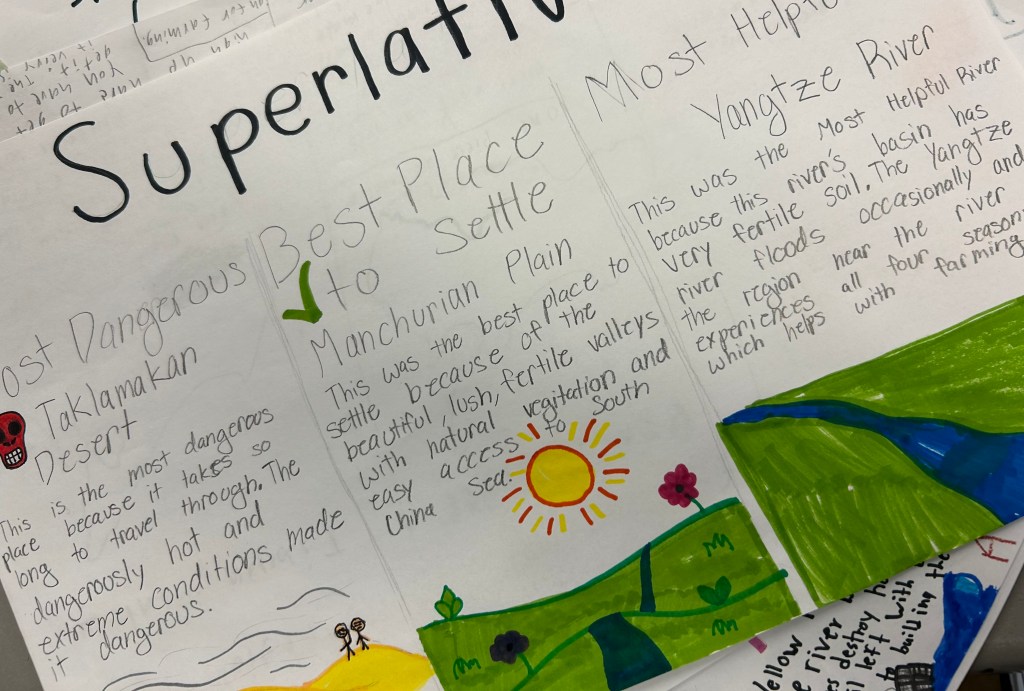
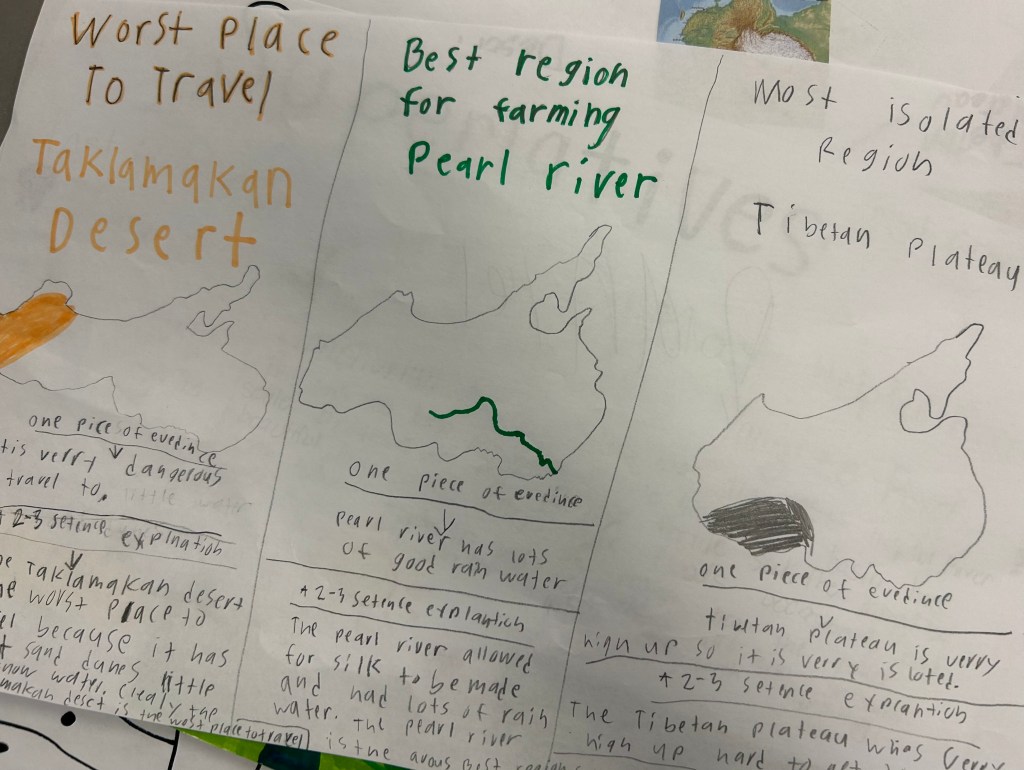
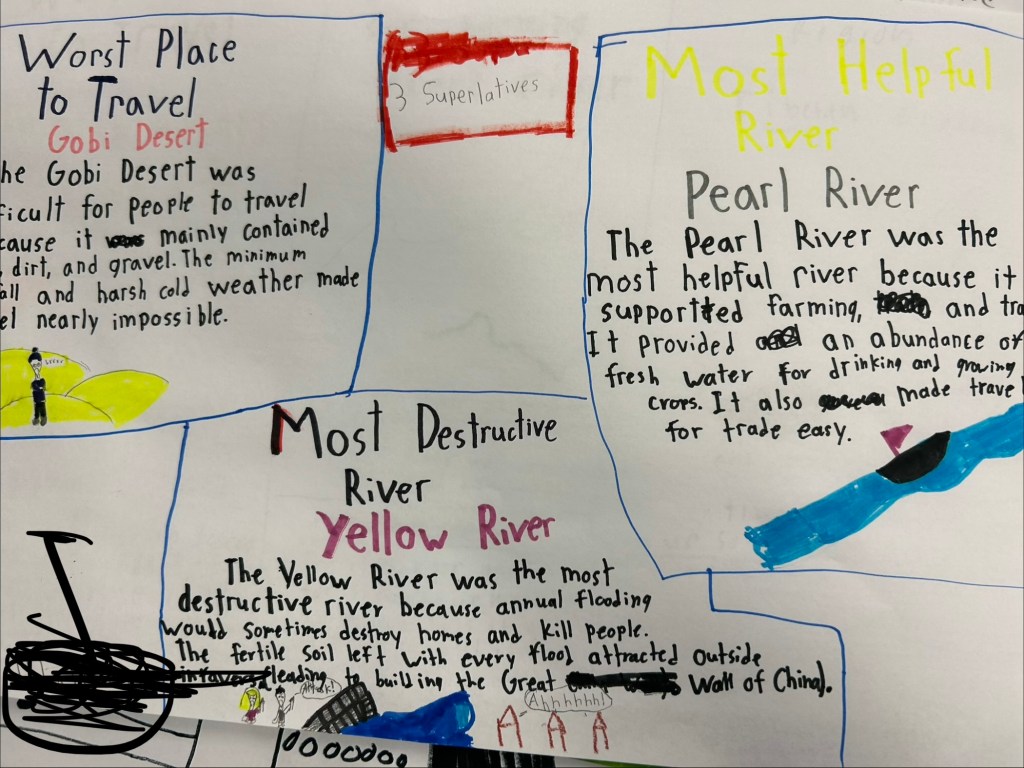
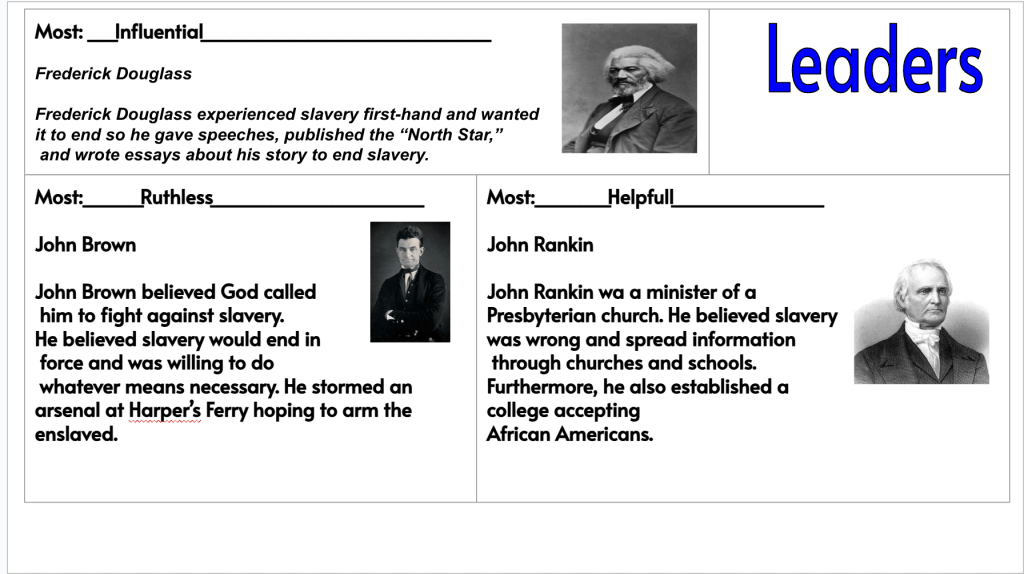
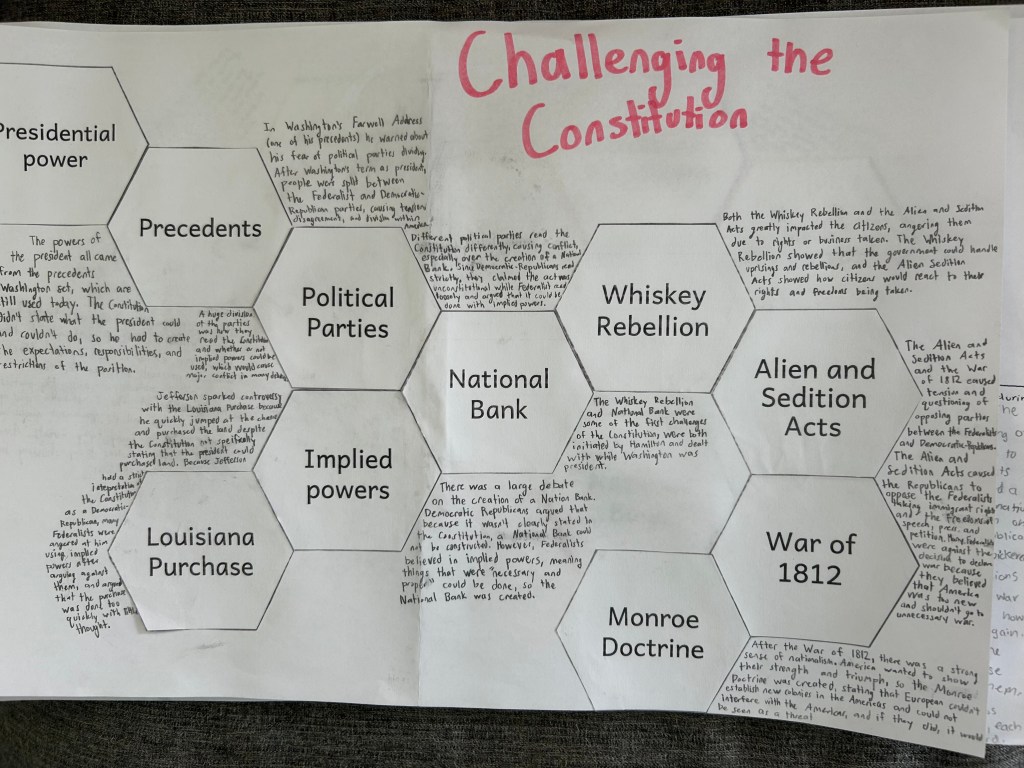
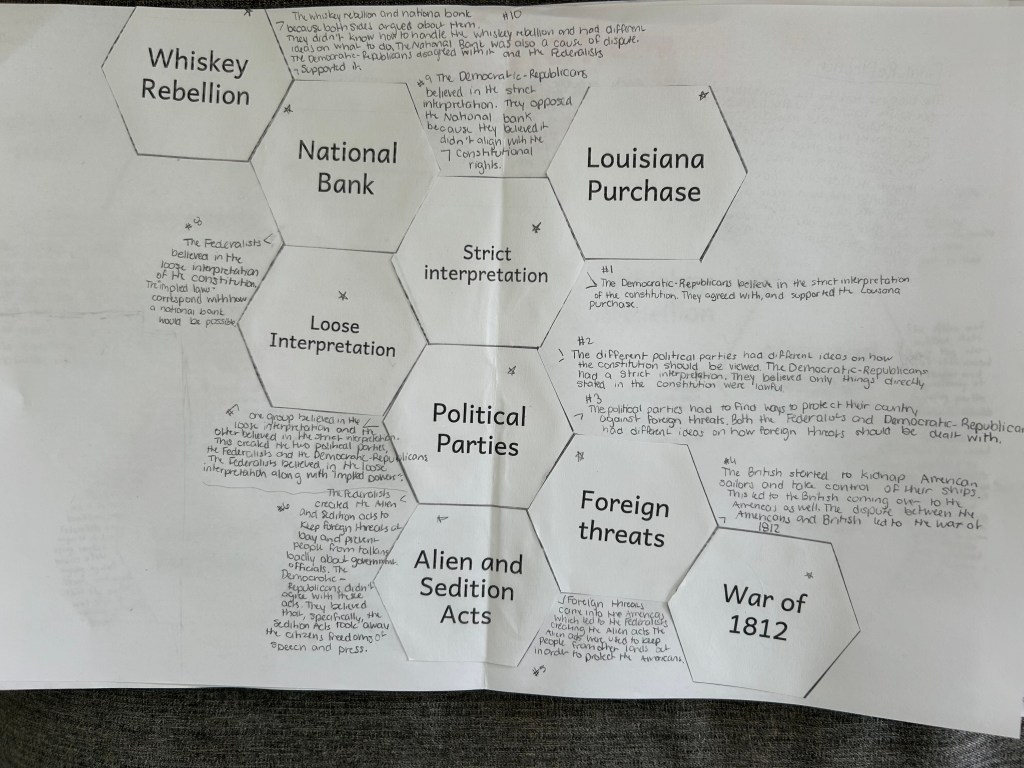
Take a week from my classroom where students are learning about the early republic. Instead of moving through chapters and worksheets and hoping it sticks, the goal becomes getting students to actually think about it. In one lesson, students are analyzing the Alien and Sedition Acts through a Sketch and Tell and CER. They start by sketching ideas, forcing themselves to visualize what the concepts actually look like before writing. Then they move into making a claim, supporting it with evidence, and explaining their reasoning. That work happens on paper, through conversation, and then gets pushed further when they enter a Battle Royale in MyShortAnswer, where they are comparing responses and defending their thinking against others. The structure is layered, but the focus is clear: think, explain, defend.
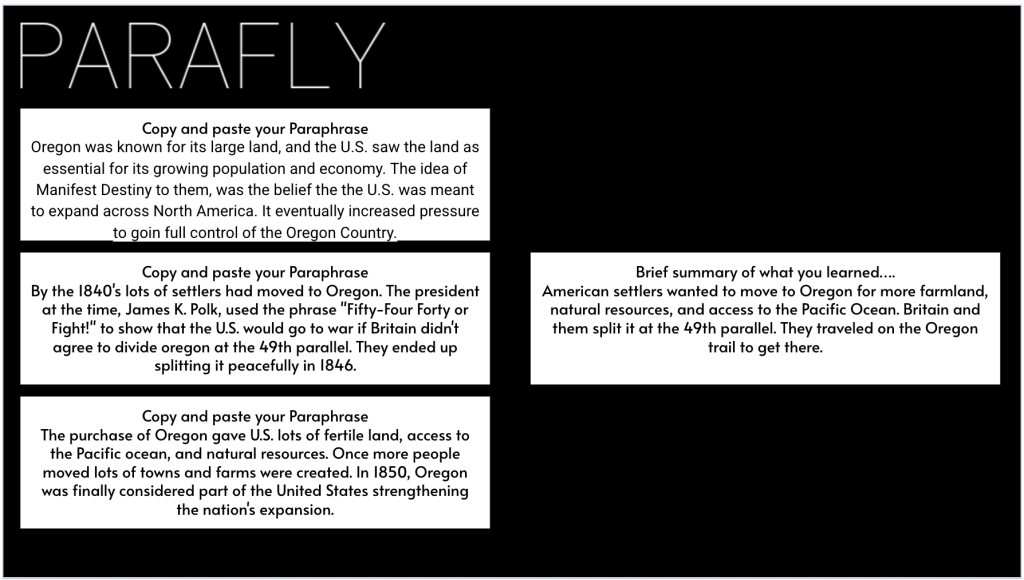
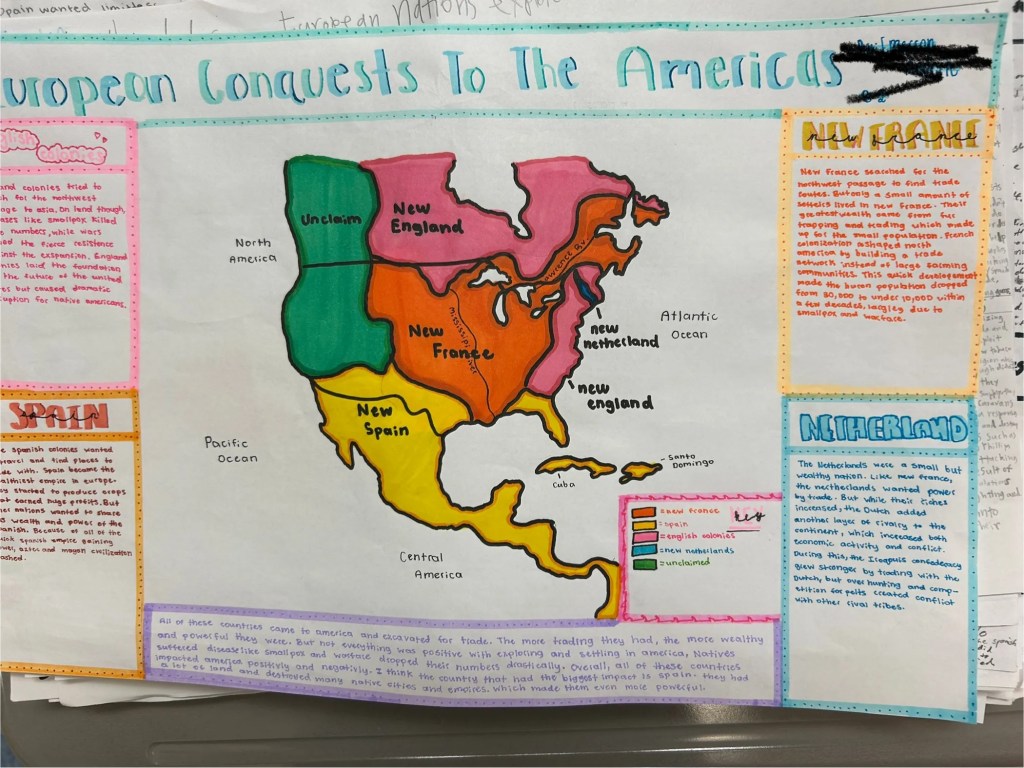
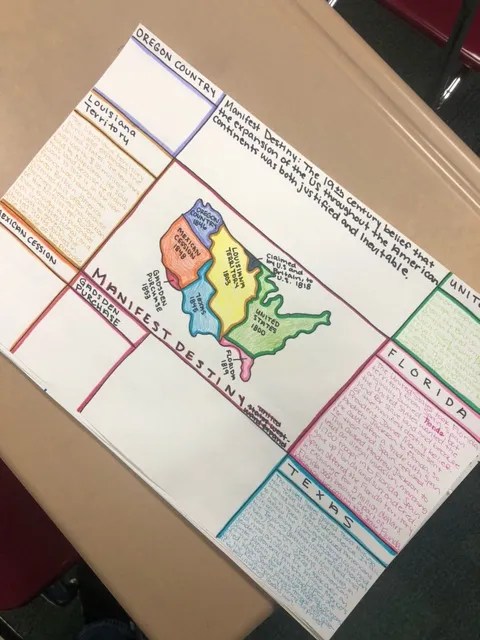
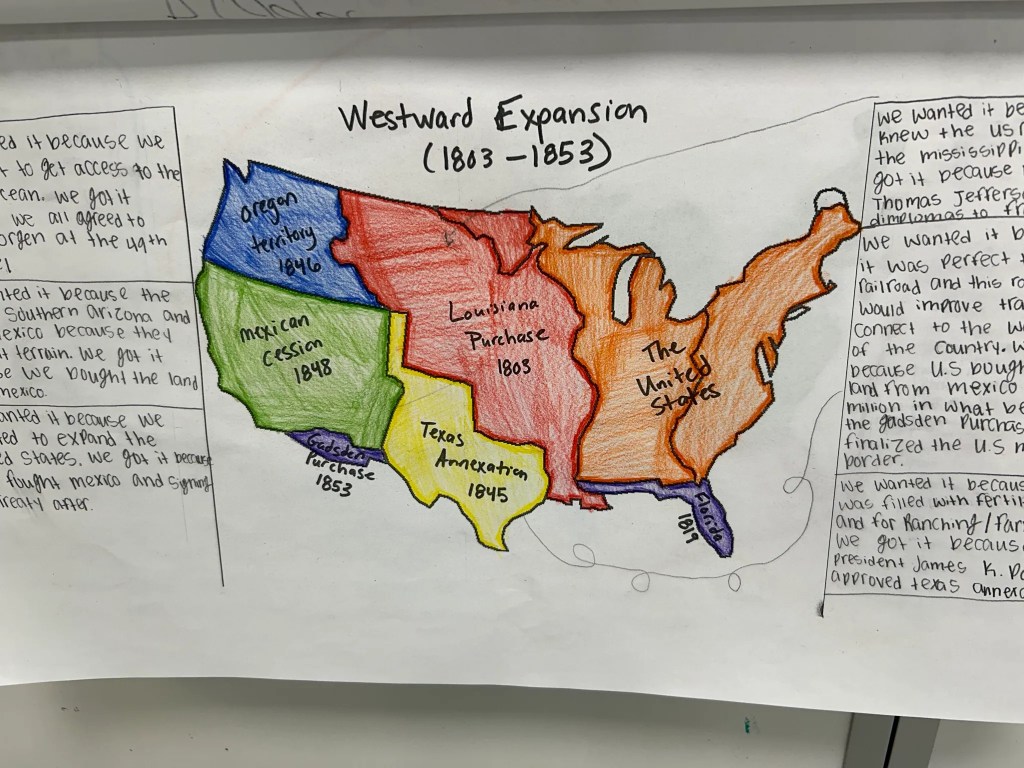
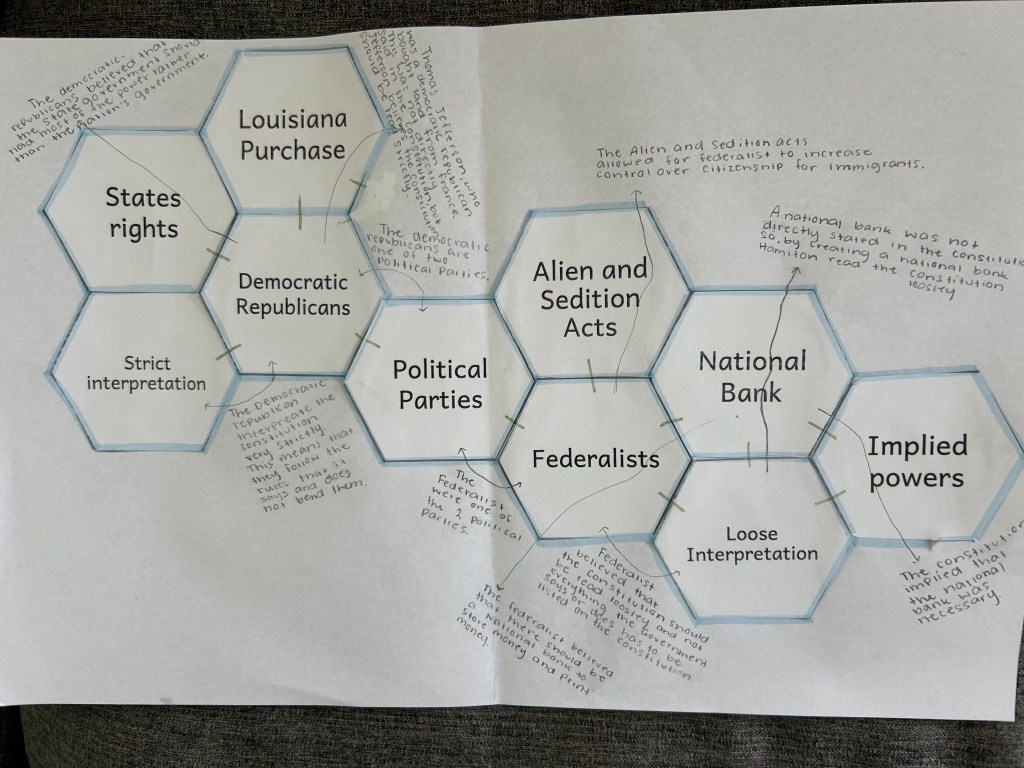
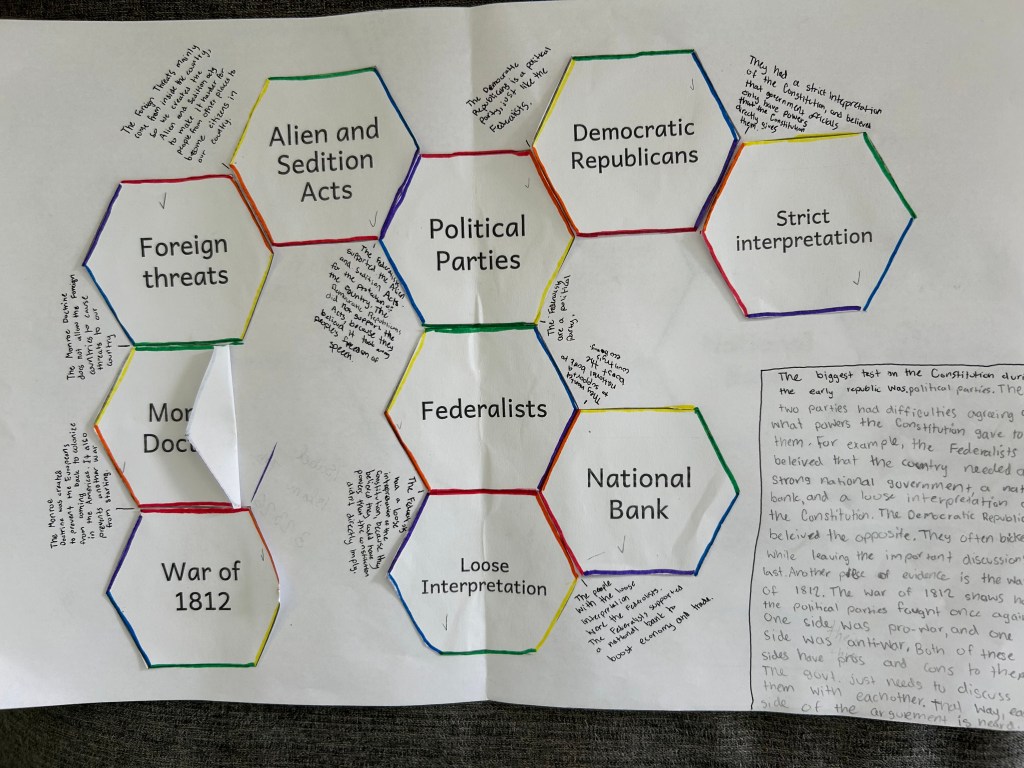
That same intentional mix shows up the next day with the Louisiana Purchase. Students begin with a short reading and pull out key numbers, grounding their thinking before opinions even enter the conversation. Then they move to vertical whiteboards using a Building Thinking Classrooms approach, creating a Number Mania with four numbers, four facts, visuals, and a title. They are moving, debating, sketching, and deciding what matters most. From there, they shift into an Annotate and Tell, working through Federalist criticism, and then into a 2xPOV where they write from different perspectives with a random tone. The whiteboards, the paper, and the structured protocols all work together to push the thinking deeper.
Even review is designed with that same balance. Instead of a traditional review, students build their own question bank using Gimkit through KitCollab. They submit questions, see which ones are accepted, and then play a live game built from their own thinking. Technology is used, but it is driven by student input and focused on what they believe matters.
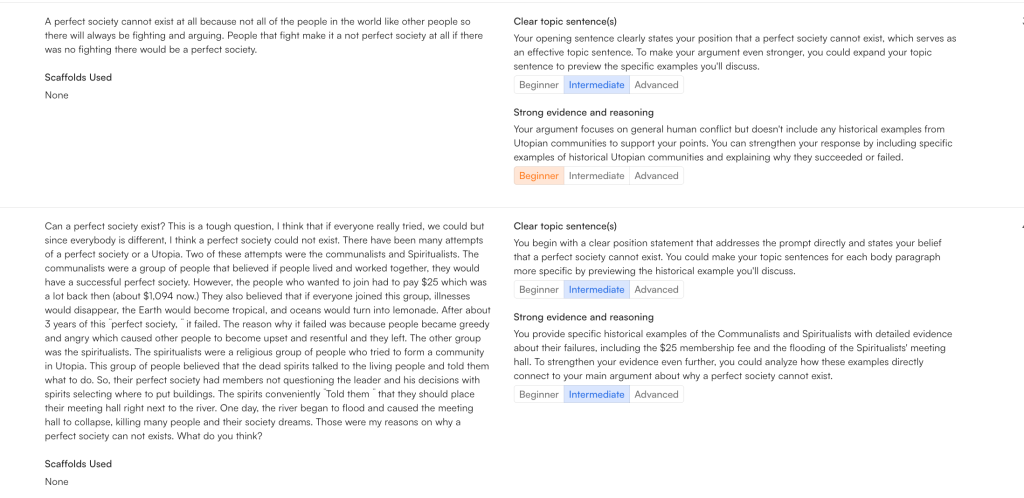
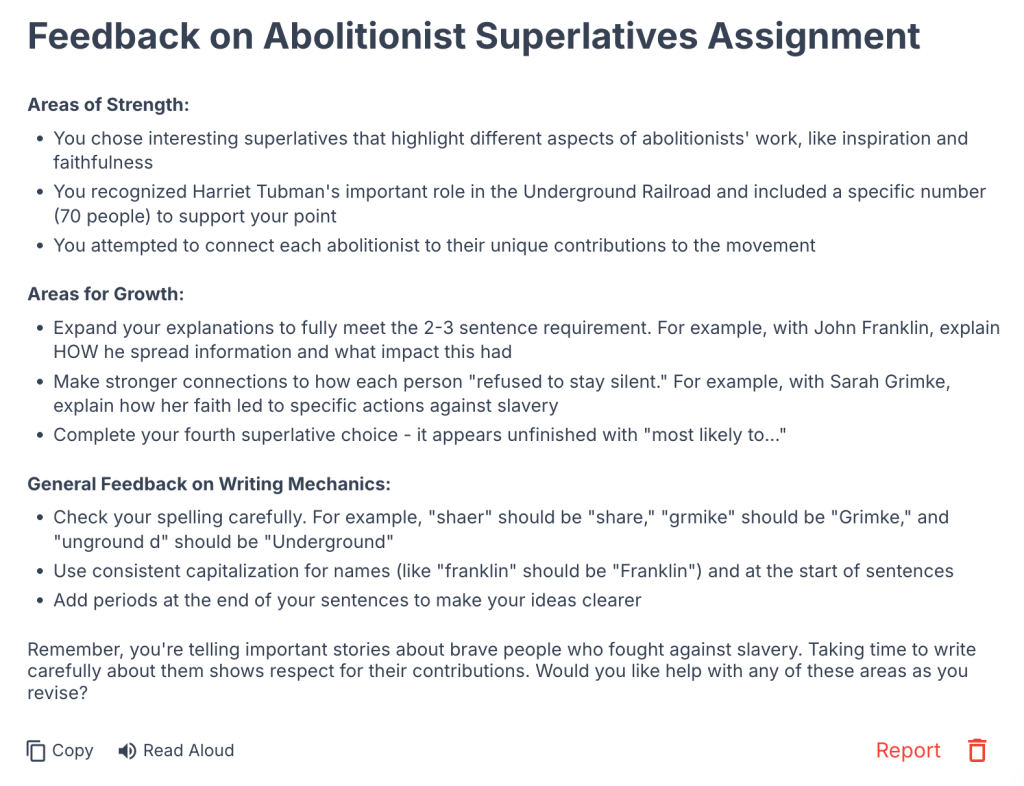
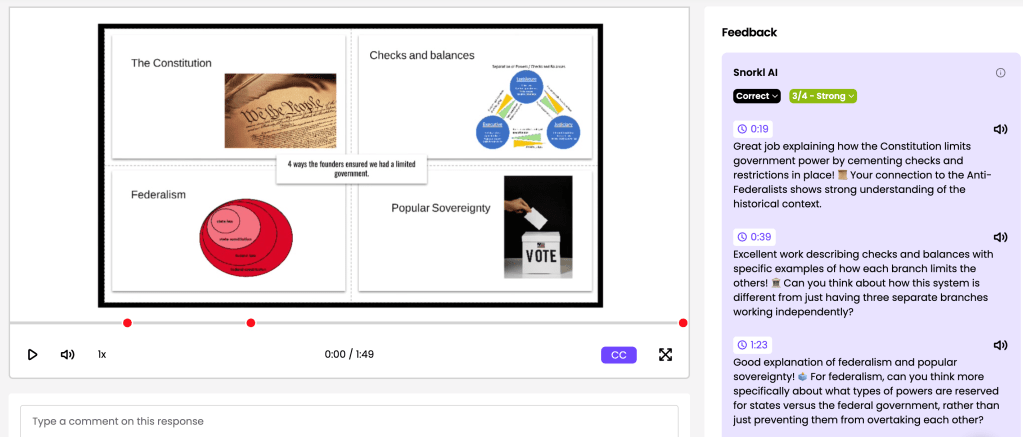
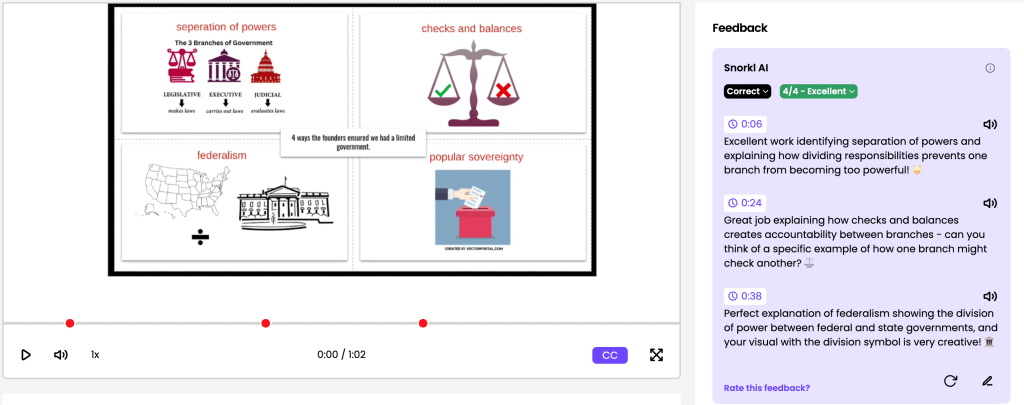
And when it comes to feedback, that loop is tightened. Students write, get feedback, and revise within the same class period instead of waiting days. Tools like Snorkl or Class Companion support that process by helping students see where their reasoning holds up and where it needs work. The feedback is immediate, but the thinking still belongs to the student.
Across all of it, you see the balance. EduProtocols give the structure. Whiteboards give students space to think out loud. Paper slows them down when they need to process. Technology makes thinking visible and feedback faster.
None of those replace the core. They support it. That is the difference.
Holding Onto What Matters
We are not trying to hold onto the way we have always done things. We are holding onto what makes learning matter: Students thinking through problems. Students explaining their ideas. Students making decisions about what is important. If that stays at the center, then everything else can evolve.
If you really think about it, it is not that different from what was happening in country music. All of those sounds pulling in different directions. All of those artists doing it their own way. All of that tension around what was being lost. Yet, the Bluegrass, the Outlaws, the Singer Songwriters, the Bakersfield, and the CountryPolitans joined together on stage to sing Pancho and Lefty. This worked because country music core never changed. The stories were still there. The emotion was still there. The connection was still there.
Country music didn’t survive by resisting change. It survived by knowing what not to change.
That is why it worked. And that is why we will find a way to make this work too.







 Moler's Musings