
This week was about pulling everything together. We moved from understanding why people went west to the risks they faced getting there. With shorter class periods, every lesson had to stay focused and connected. The goal was not just to learn about westward expansion, but to make sense of the decisions, risks, and outcomes that shaped it.
Monday: Pull Factors of Westward Migration
We started Monday by shifting from push factors to pull factors. The guiding question asked students: What factors pulled people out west? With limited time, the focus was on clarity. Students needed to move beyond general ideas and start identifying specific opportunities that drew people west.
EdPuzzle + Source Work (Cybersandwich) + Short Answer
We opened with an EdPuzzle on the Gold Rush, but this was not a separate activity. It was built directly into a Cybersandwich structure. As students watched and worked through sources, they recorded key ideas about opportunity, wealth, and why California became such a strong draw.
Students examined multiple documents that highlighted different pull factors. They looked at opportunities like land ownership through the Homestead Act, which offered 160 acres to settlers willing to move and farm the land. They also analyzed how gold discoveries, high wages, and advertisements like the California Clipper Ship encouraged people to take the risk of moving west.
Using whiteboards and visibly random groups, students compared their notes with a partner, added new ideas, and challenged each other’s thinking in real time. This made the Cybersandwich more than just note taking. It became a space where students refined their understanding of what actually pulled people west.
We closed with a short answer response to the guiding question. Students had to cite specific examples from the sources, which pushed them to be precise in their thinking. By the end of the lesson, most students were not just saying people moved for a better life. They were explaining exactly what that better life looked like and why it was worth the risk.
Tuesday: The Hero’s Journey
With shortened classes, the goal was not to push new content but to build a structure students could use later in the week. We focused on introducing the Hero’s Journey and helping students understand how stories are built.
TED-Ed + Commercial Analysis + Mapping
We opened with a TED-Ed video that introduced the stages of the Hero’s Journey. This gave students a basic framework, but the real focus was on applying it.
Instead of jumping into history right away, we used commercials. Students watched the Chef Boyardee commercial and the Melissa McCarthy Kia commercial and mapped each one using the Hero’s Journey structure.
Students were able to identify the call to adventure, challenges, and transformation in a setting that felt familiar. It lowered the barrier and helped them focus on the structure instead of getting lost in content.
By the end of class, students were not just watching videos. They were breaking them down, identifying patterns, and starting to see how stories follow a predictable path. That structure will carry into Wednesday.
Wednesday: Risks of Westward Migration
Wednesday turned into a bit of an EduProtocols smash. The goal was to take the Hero’s Journey from Tuesday and apply it to real historical situations.
Cybersandwich + Hero’s Journey + Short Answer
We focused the lesson around one question: What were the risks of migrating west?
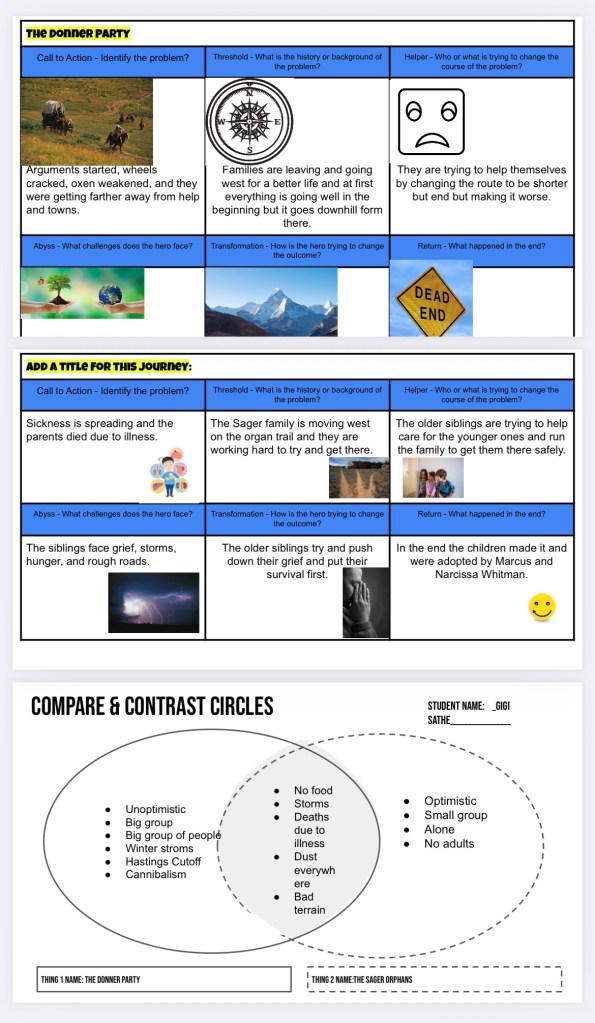
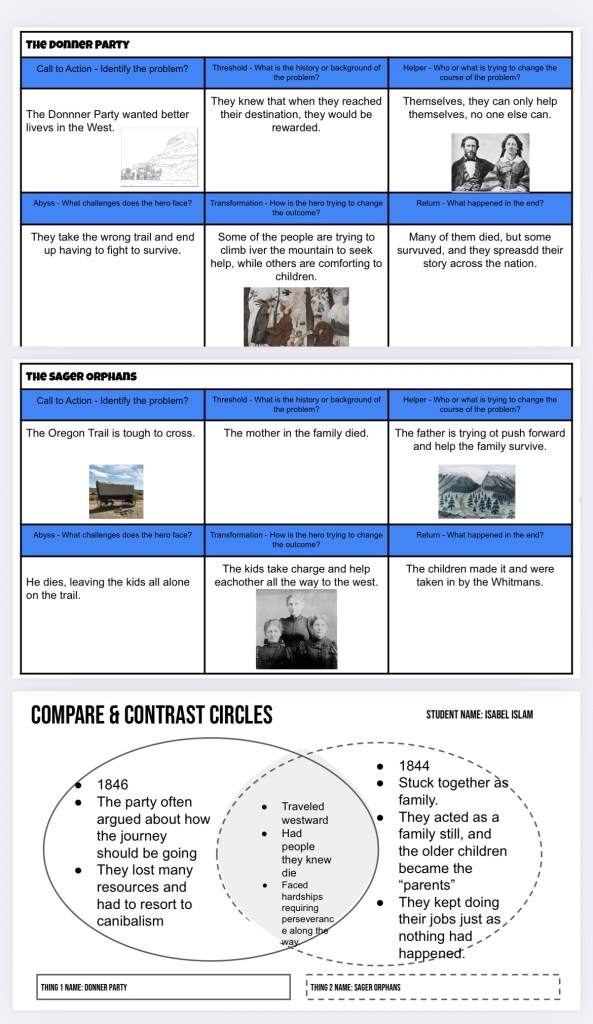
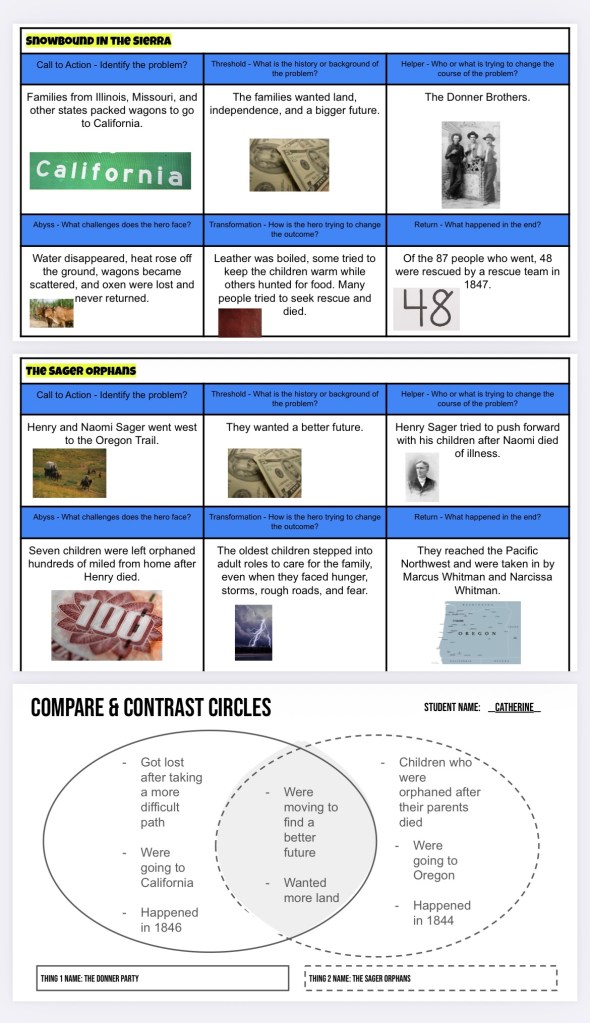
Students worked with eight different stories of people and groups who went west, including the Donner Party, the Whitmans, the Latter-day Saints, and Lewis and Clark. Instead of reading everything, students chose two stories to focus on.
They mapped each story using the Hero’s Journey structure. This forced them to think about more than just what happened. They had to consider why people went, what challenges they faced, and what risks showed up along the way.
After mapping, students partnered up and compared their stories. This is where the Cybersandwich came in. Students shared, added to each other’s thinking, and looked for patterns across different groups.
The focus of those conversations stayed tight:
- Why did people go west?
- How did they get there?
- What risks did they face?
Students started to see common threads. Harsh weather, lack of resources, difficult terrain, and unexpected challenges came up across multiple stories.
We closed with a short answer response to the guiding question. Students had to cite evidence from their stories, which pushed them to ground their thinking in specific examples instead of general statements.
By the end of the lesson, students were not just listing dangers. They were explaining the risks of westward migration through real experiences.
Thursday: Oregon Trail Simulation
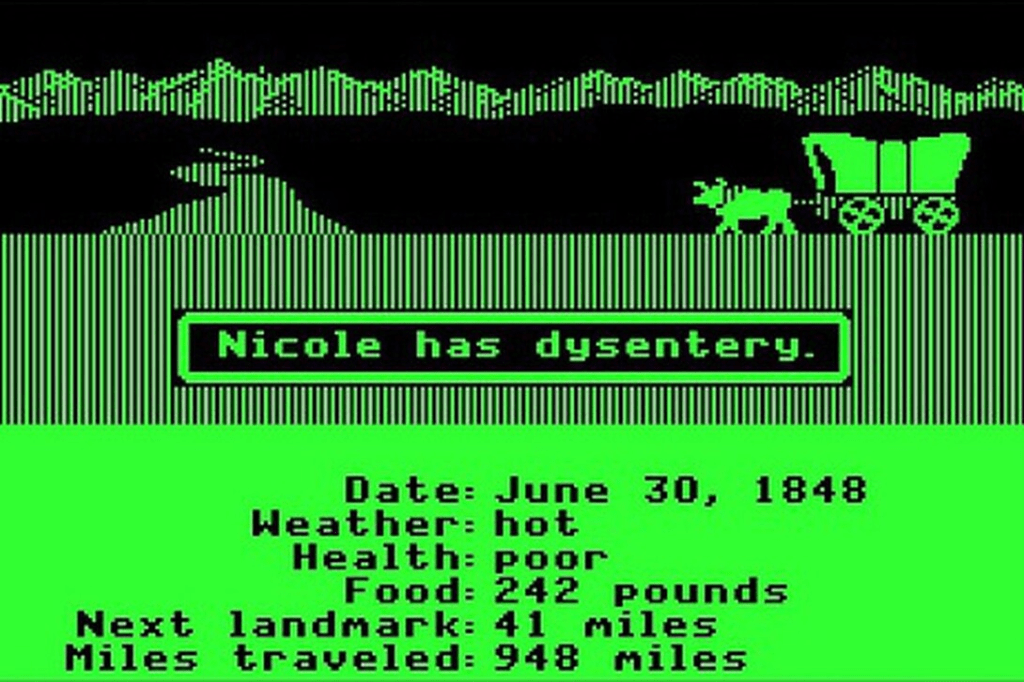
After spending the week focused on why people moved west and the risks involved, Thursday was about experiencing it. We played the original Oregon Trail game the entire class period. That was it. No extra layers. No added tasks. Just the game.
What made it work is that students already had the background. They understood pull factors, they had analyzed risks, and they had worked through real stories of people going west. The game gave them a chance to see those ideas play out.
Decisions mattered. Supplies ran out. People got sick. Progress was not guaranteed. Students started connecting back to what we had already done without being prompted. They recognized the challenges, the trade-offs, and the unpredictability of the journey.
It was simple, but it hit. Sometimes the best follow-up is letting students experience the content in a different way.
Friday: Netflix Summary Assessment
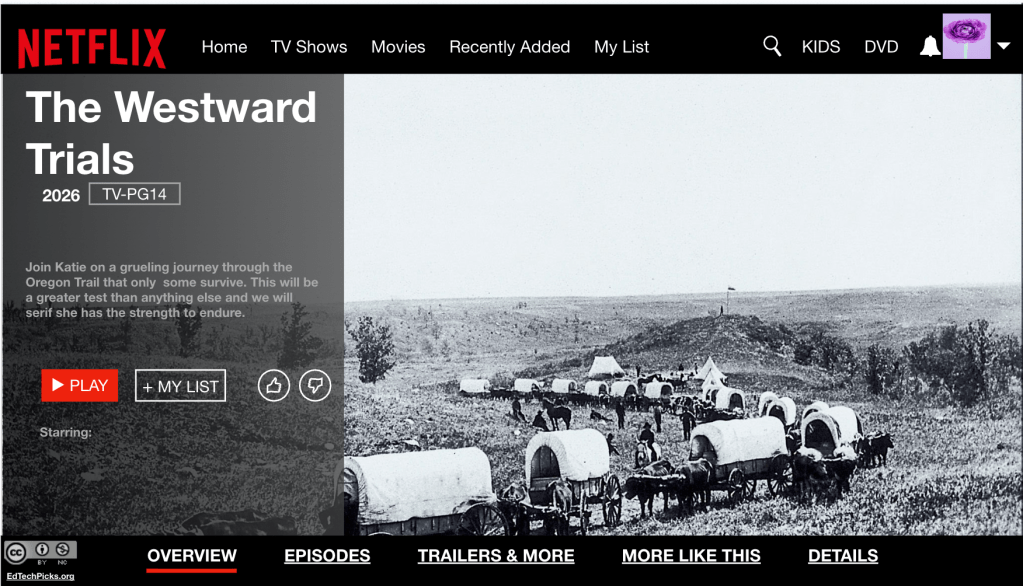
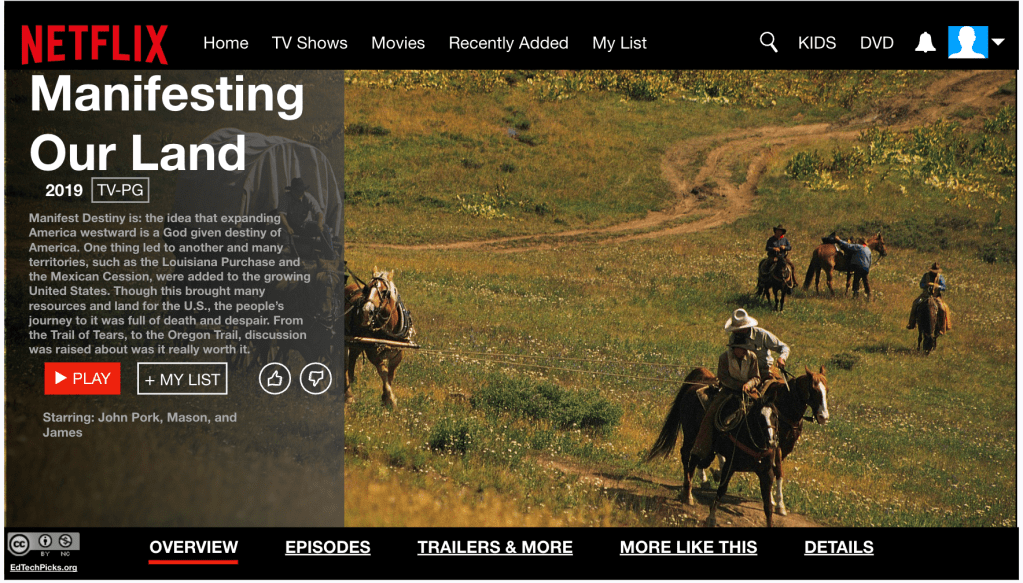
We wrapped up the unit by bringing everything together through a Netflix-style summary.
Netflix Template + Summative Assessment
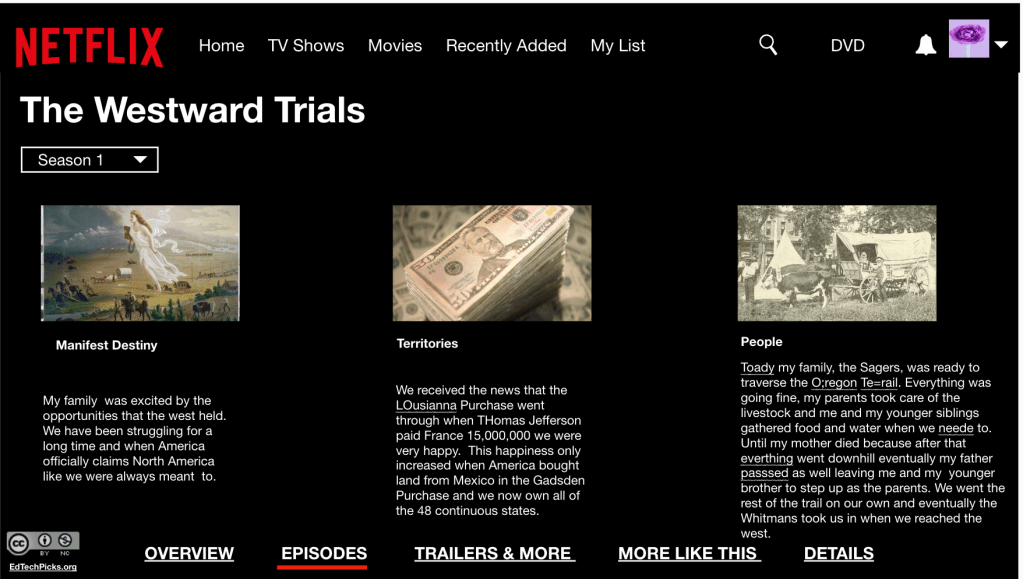
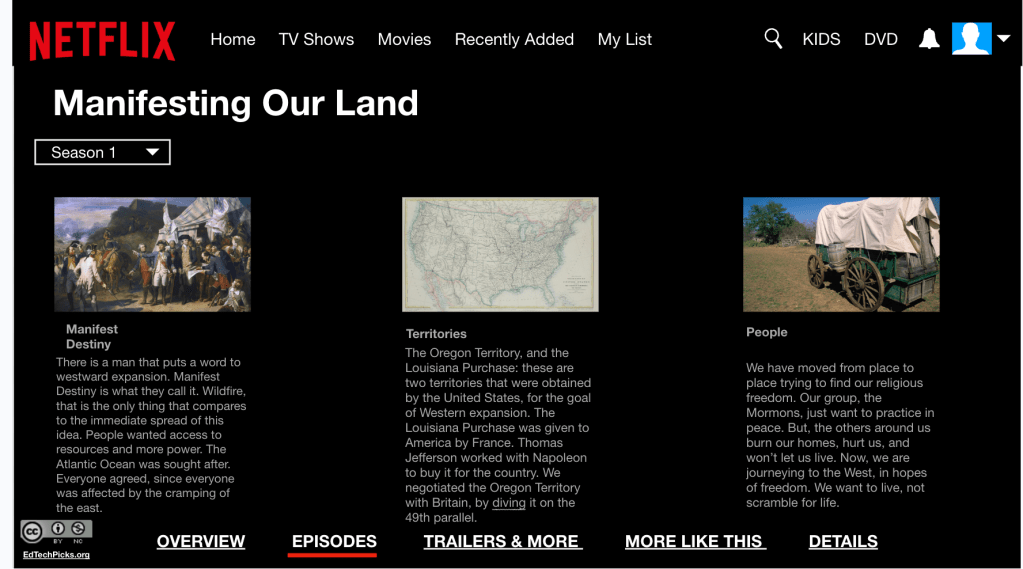
Students created a three-episode series that answered the unit question: How did Manifest Destiny change America’s map and affect the lives of people?
They had the option to choose their format. Some went with a straightforward documentary, focusing on explaining events clearly. Others created a historical story, building a narrative around a character experiencing westward expansion.
Each episode had a clear focus:
- Episode 1 centered on Manifest Destiny and why people believed in expansion
- Episode 2 focused on territories and how the United States acquired land
- Episode 3 highlighted the people who went west and the impact it had on their lives
This structure mattered. It forced students to organize their thinking across the entire unit instead of treating each topic separately.
What stood out was how much they were able to pull in from the week. Students referenced pull factors, risks, and real groups as they built their episodes. Some leaned into the opportunity side of expansion. Others focused more on conflict and consequences.
By the end, students were not just summarizing westward expansion. They were making sense of it.
Lessons for the Week
Monday – Pull Factors CyberSandwich, Pull Factors Documents
Wednesday – Hero’s Journey
Friday – Netflix Template

 Moler's Musings