
“We do a lot of stuff in this class. We make a lot of things” This is what a student said to me yesterday. To which I replied, “Yes. we get after it.” I strive to make my class an experience – an experience where students are creating, collaborating, communicating and critically thinking.
This week we started with the American Revolution. I just had to move onto a new unit. Between tennis and everyday craziness, this year has started off rough. My lessons have felt disjointed and unorganized. It was time to end the Age of Exploration unit. Sometimes I worry that I need to do some formal test, sometimes the students always finish stuff. Then I think….it’s okay. They will move onto 9th grade and be fine. They will move onto 10th grade and be fine, and so on.
Much like the Age of Exploration unit, I began with a Number Mania timeline and a definition of the American Revolutionary time period. We also used an 8parts to analyze the toppling of the King George statue. I threw in a Nearpod, a History Haiku, and that was the week.
Monday – No School
Tuesday – Graffiti Board, Number Mania, Fast and Curious
Wednesday – Fast and Curious, 8parts
Thursday – Nearpod (sketch and tell, thin slides), Fast and Curious
Friday – Nearpod, Fast and Curious, History Haiku
Tuesday
On Tuesday, we started the American Revolution unit with a Number Mania Timeline. I’m continuing my goal of introducing the different time periods before starting new units. Before beginning the Number Mania timeline, I wanted to try a graffiti board.
For the graffiti board, I had students look for important keywords, events, and people in the American Revolution chapter. Here were the rules for this game I read about in Michael Matera’s book, Explore Like a Pirate:
- I gave them six minutes.
- They had to raise their hand to be able to go to the board.
- Once something was written, it could not be written again.
- I always have a “magic word” that if anyone write they can earn extra points for their team (In this case, however, I brought in a donut 🍩 for the student).
When 6 minutes was up, students now had a wordbank of words related to the chapter. I asked them two questions:
- Do any of these words or terms look familiar? (The Boston Massacre, Boston Tea Party, Declaration of Independence are always familiar).
- Do you notice any trends or does this list give you insight as to why the Revolution happened?
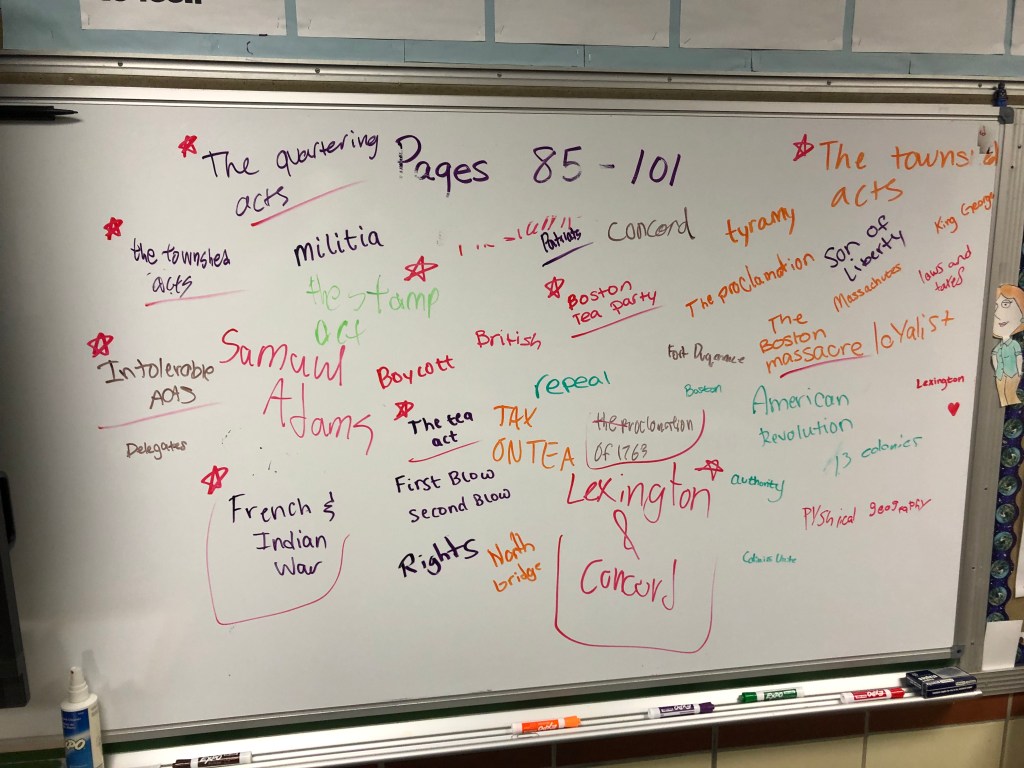
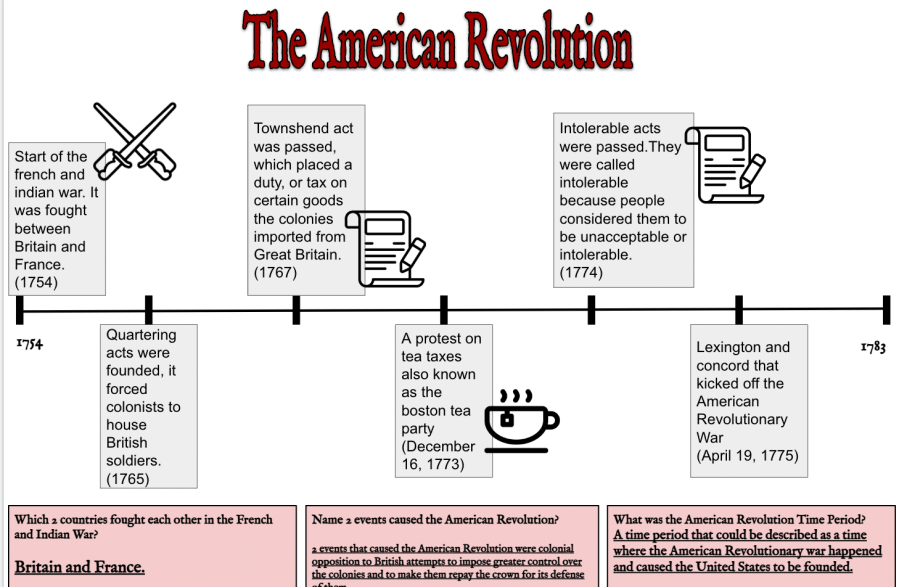
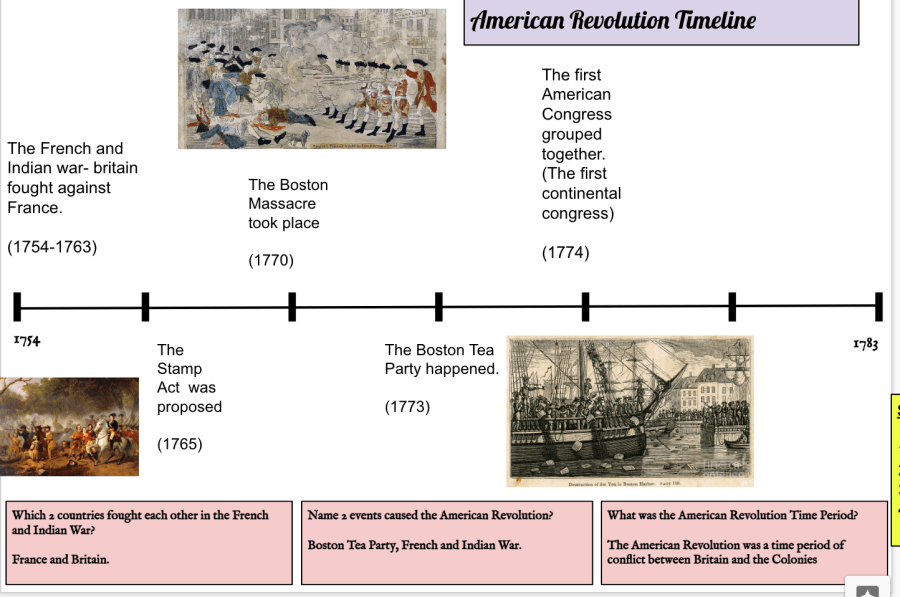
The Graffiti board wordbank created by the students would serve as a guide for our next activity – a Number Mania. For the Number Mania I gave students 10 minutes to look up events related to the American Revolution. They could use the word bank as a guide for their searches. Students submitted multiple facts, years, and events through a Google Form. I converted the Form data into a Spreadsheet and shared through a Google Classroom assignment. Finally, students had 20 minutes to select 5 events and place them on a timeline. They also added three pictures and a title. The last part of the Number Mania was for the students to define the American Revolution time period. Looking back on the Number Mania, I need to have students work on paraphrasing information. It’s time for some ParaFly to come out next week.
We finished out class with a Fast and Curious on Blooket. Blooket was having some connectivity issues – some students could join while other students could not. I had to have several conversations with classes because students were annoyed and upset they couldn’t join. Some students were so seriously distraught they couldn’t join because they felt they would get a “bad grade” – trying to change this mindset in 505 is still a work in progress. Eventually we got it working, and all the class averages were low 50%.


Wednesday
Today we began with a Fast and Curious on Blooket. It was nice to change up from a Gimkit or Quizizz, but Blooket was having connectivity issues again. We managed to still do it. This time class averages went up over 60%, and I focused on 3 questions about King George, Patriots, and Loyalists. I focused on these questions and words because the 8Parts we were doing on this day involved Patriots taking down a statue of King George. Here is the classic picture:
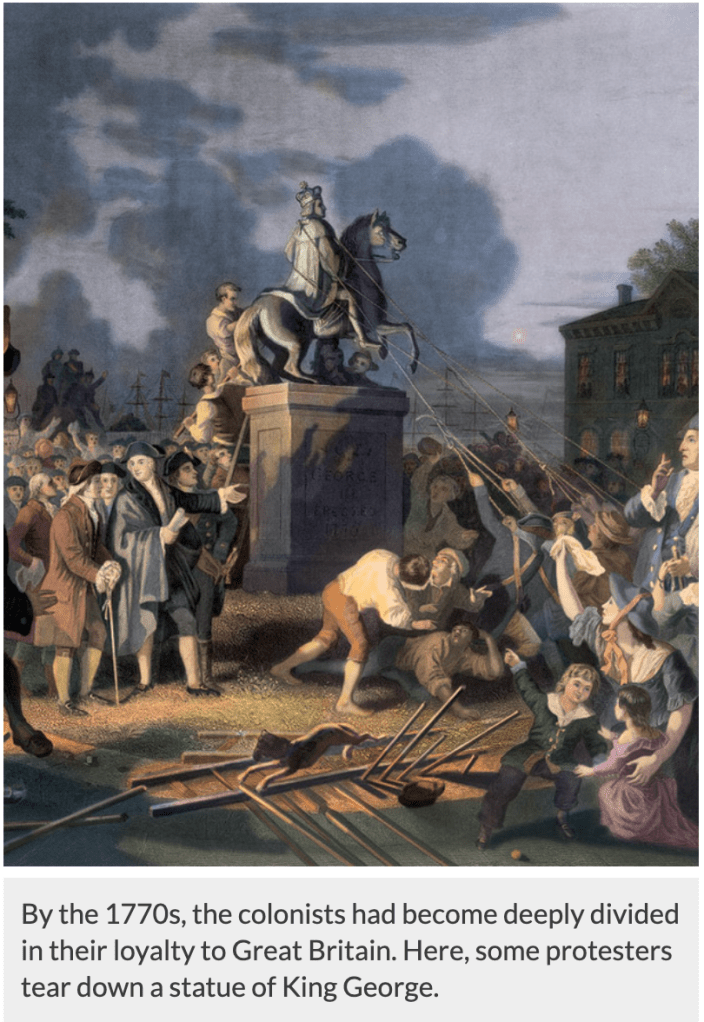
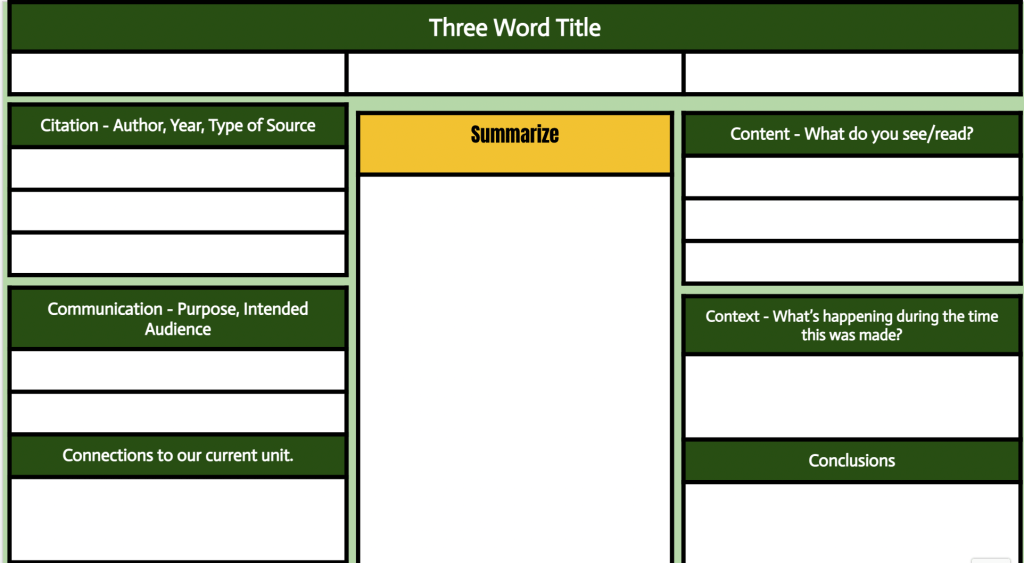
I paired up this picture with an 8Parts to get students analyzing the King George statue image with some historical thinking skills. I made some slight changes to the template to focus on some grammar skills, and historical thinking skills. Here is the template:
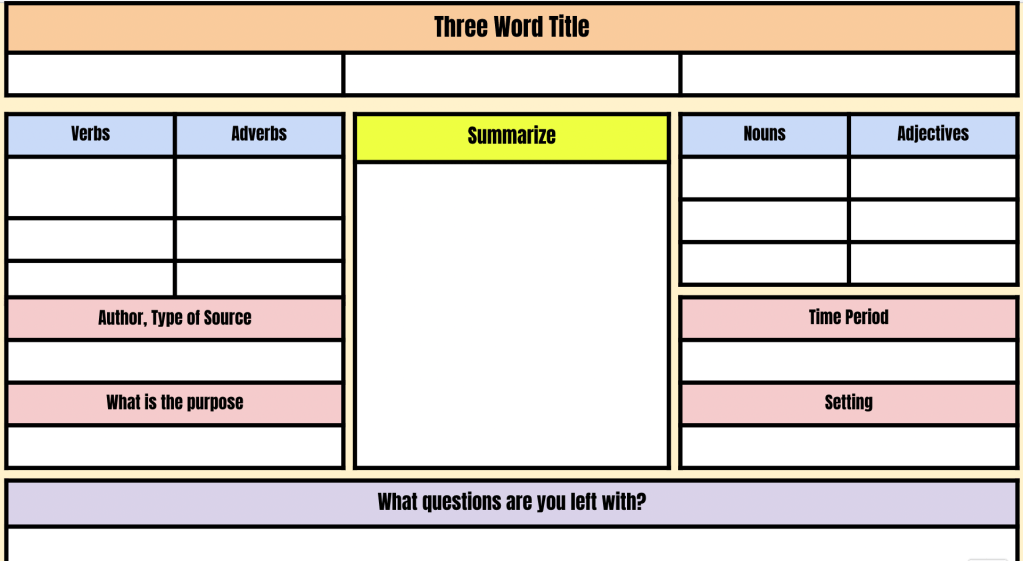
I used this 8Parts template knowing it would look familiar to the students. I tried some other 8Parts remixes with primary sources and documents from the Stanford History Education Group – Primary Source Parts. To me, this is a scaled down version of the Primary Source Parts.
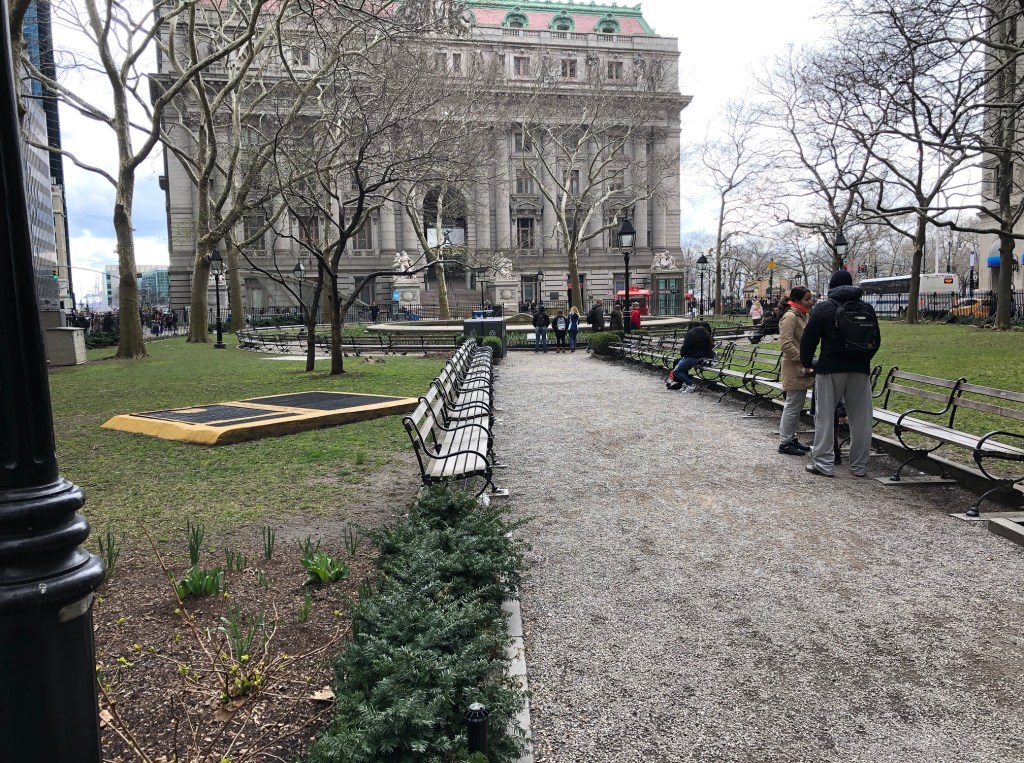
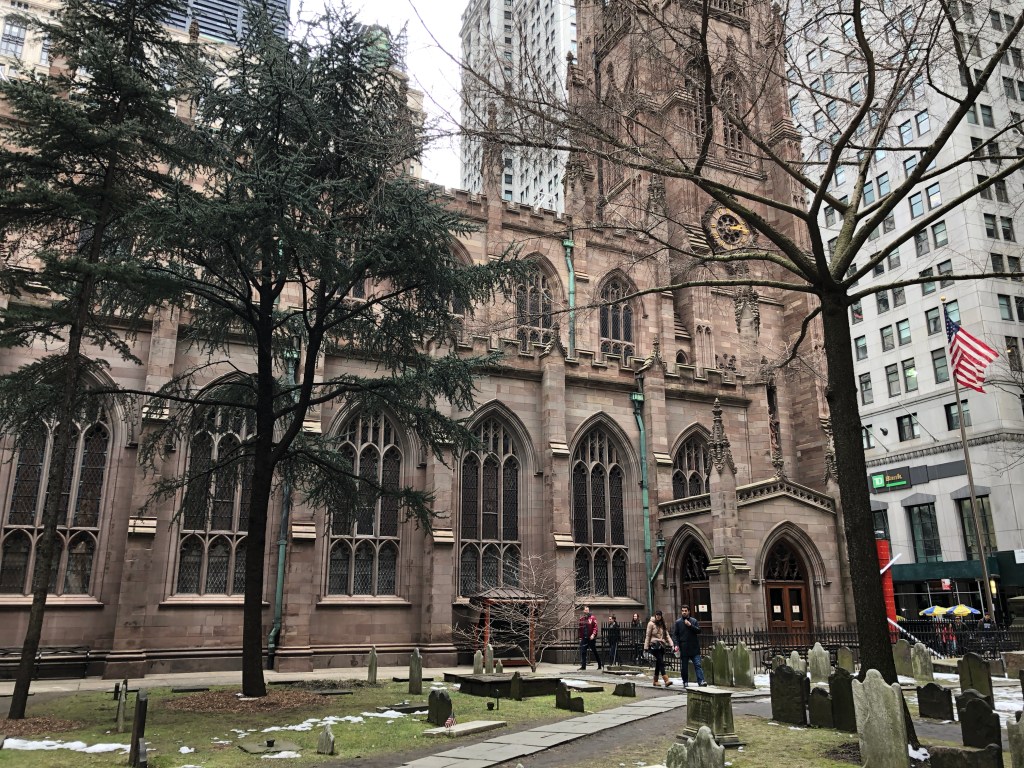
Before beginning the 8Parts with the King George statue, I share my experience in New York City (Bowling Green Park) when I realized I was standing in the very spot where the statue came down. I share my photos with the students and share some cool stories about Bowling Green Park.




Since the students were familiar with the template, I quickly walked them through the process. We began with the three word title and moved onto nouns. I asked them, “What is a vocabulary word we could use for a noun?” Most put down Patriots. I’m trying to help them make connections to between the content and the activities that we do.
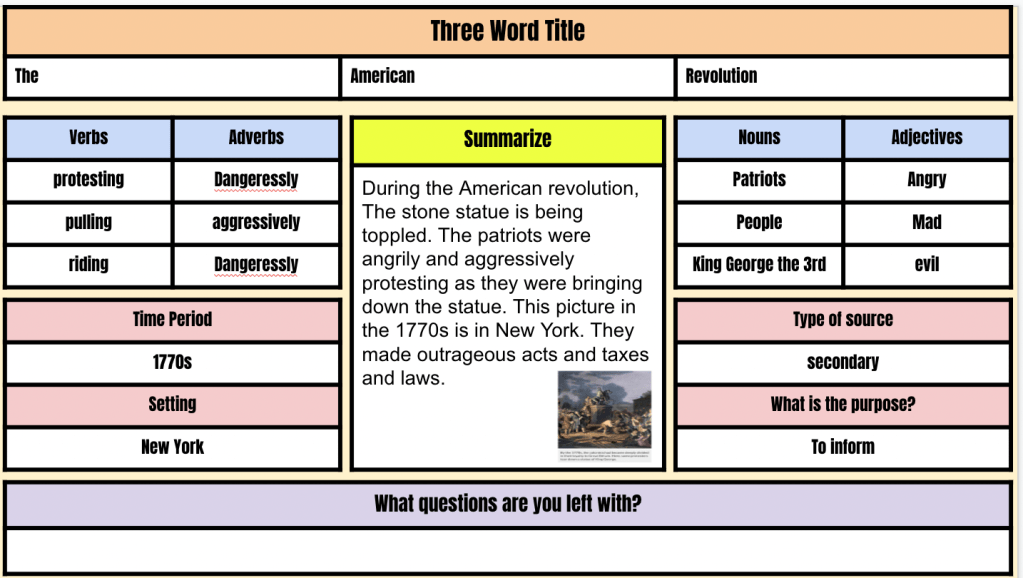
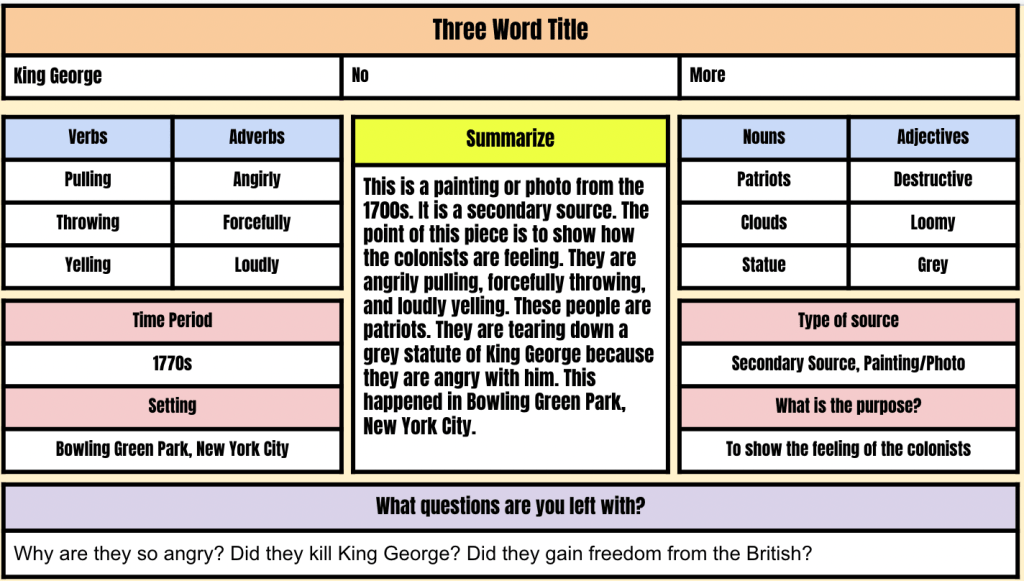
After nouns, I had students describe their noun. Then we moved onto verbs and adverbs. I give the students a quick tip with adverbs – I mention how most them end with “ly”. Then I quickly walked the students through historical thinking skills. The last step in 8Parts is to use the parts and write a summary about the King George statue image. Here are some examples:

Thursday and Friday
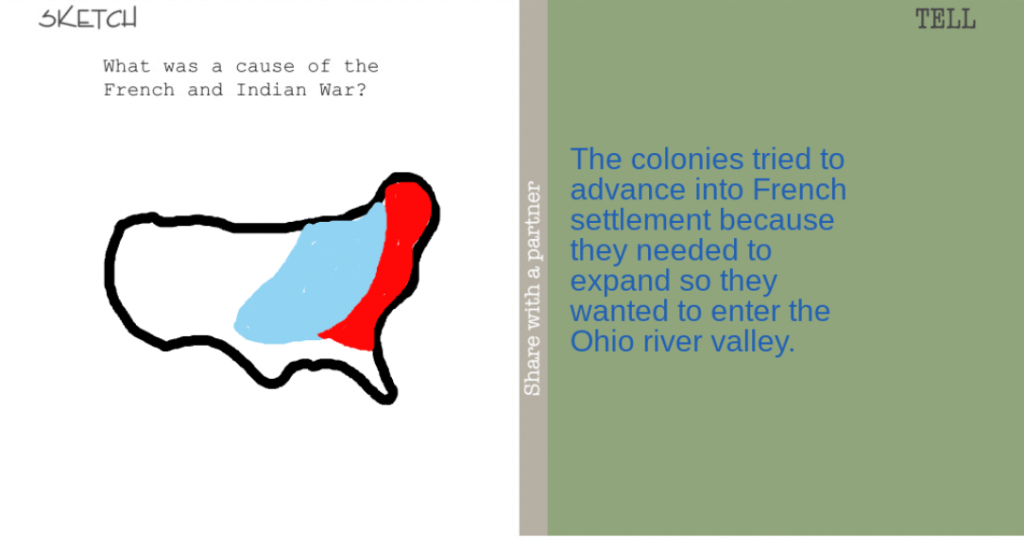
Thursday and Friday were reserved for a Nearpod. I’ve been incorporating some Nearpod this year because it allows me to gaina. bit of control in my classroom. Some of the original, creative stuff I would normally do I feel like I can’t do it with some of the classes. I found a Nearpod on the French and Indian War and I edited it to fit in some EduProtocols such as Thin Slide and Sketch and Tell. Another thing that occurred to me was the French and Indian War is referred to as the Seven Years’ War in the textbook. I tried to make that adjustment as well.
Before beginning the Nearpod, I had the students think back to the Number Mania timeline and the year 1754. I said to the students, “This is where our story begins. This is the foundation for why the patriots were pulling down the statue.”
The Nearpod was great as it had these elements:
- Thin Slides with Collaboration Boards
- Sketch and Tell with Draw It Slides
- Some self checking quiz questions
- Primary Source Analysis
- Scaffolding
For the most part it was engaging. On Thursday, I stopped at the Proclamation Line because I could tell the students were tired. So, we switched gears to a Gimkit (I transferred all my questions from Blooket to Gimkit). This injected some life into the class.


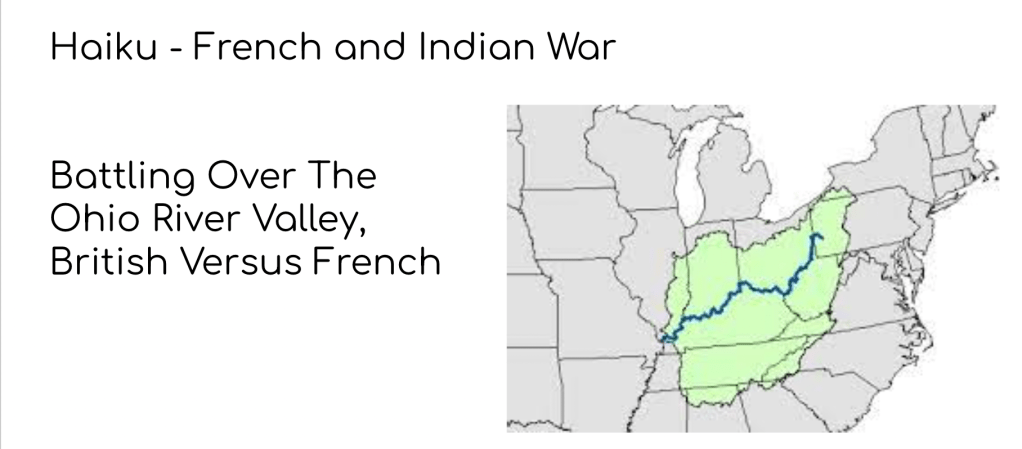
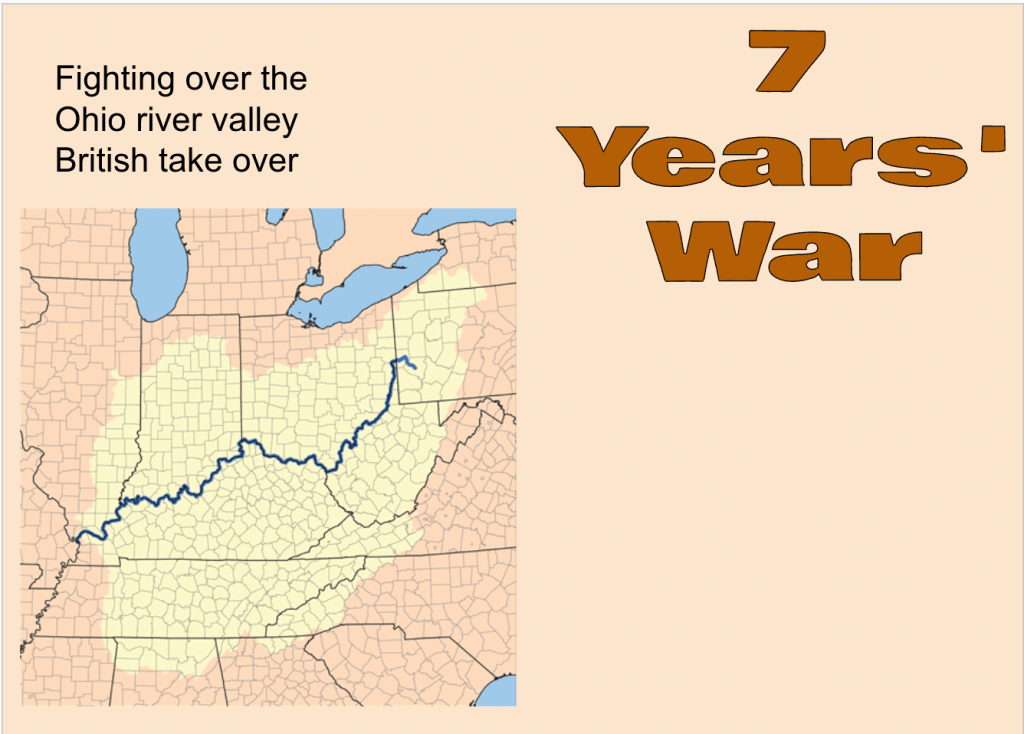
On Friday, we finished the Nearpod with the Proclamation of 1763 and a quick three question assessment. After the Nearpod was finished, I showed the students how to create a Google Drawing slide on the assignment and I had them write a History haiku.
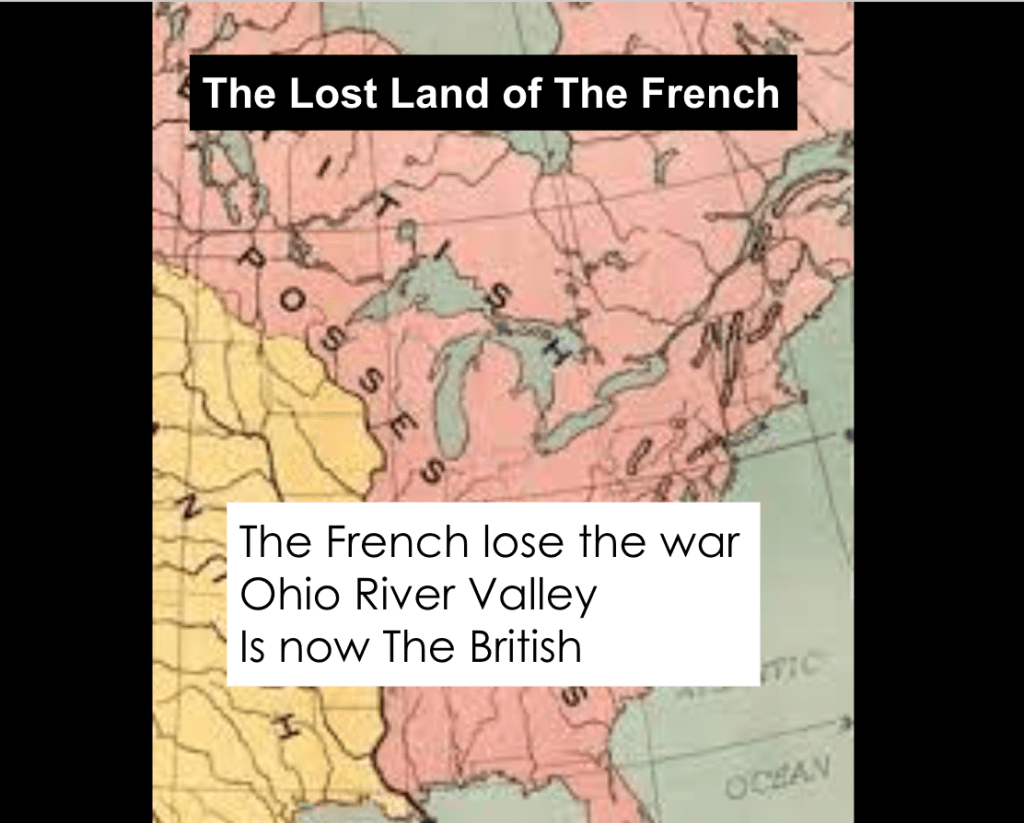
The History Haiku is an idea I learned from Michael Matera at the 2019 Summer Spark in Milwaukee. Students write a Haiku as a formative Assessment. I put up success criteria, and students had ten minutes to write a Haiku about the Seven Years’ War:
- 3 lines (5 syllables, 7 syllables, 5 syllables)
- Add a picture
- Add a title
Here are the results:


 Moler's Musings
Love your website. I saw you at CUE in Palm Springs and bought the book. Question, how particular about the students copying directly from their sources and how deeply do you read all the work you give?
LikeLike
Through time my goal is to teach students how to paraphrase and summarize. Certain students I know I need to deeply read their work, others I ask questions, I grade as I walk around the room.
LikeLike
Thank you for your response.
LikeLike
I’d love to see you extend the History Haiku into a full Retell in Rhyme. Would like to start analyzing student work for the depth of historical detail.
LikeLike
Hello. I wanted to use this Nearpod (we have an account) but it is not in the library. Is this something you got off Nearpod or something you created?
LikeLike
https://np1.nearpod.com/sharePresentation.php?code=d0062ffe0d917f40295f18f8caf7aca6-1
LikeLike