
Sketch and Tell is one of my favorite education protocols because of its versatility, creativity, and broad applicability across subjects. I regularly use Sketch and Tell activities to have students respond to prompts, comprehend questions, understand vocabulary, or take notes on abstract concepts.
The protocol follows a simple three-part structure:
- Students receive a prompt related to course material like a reading or video.
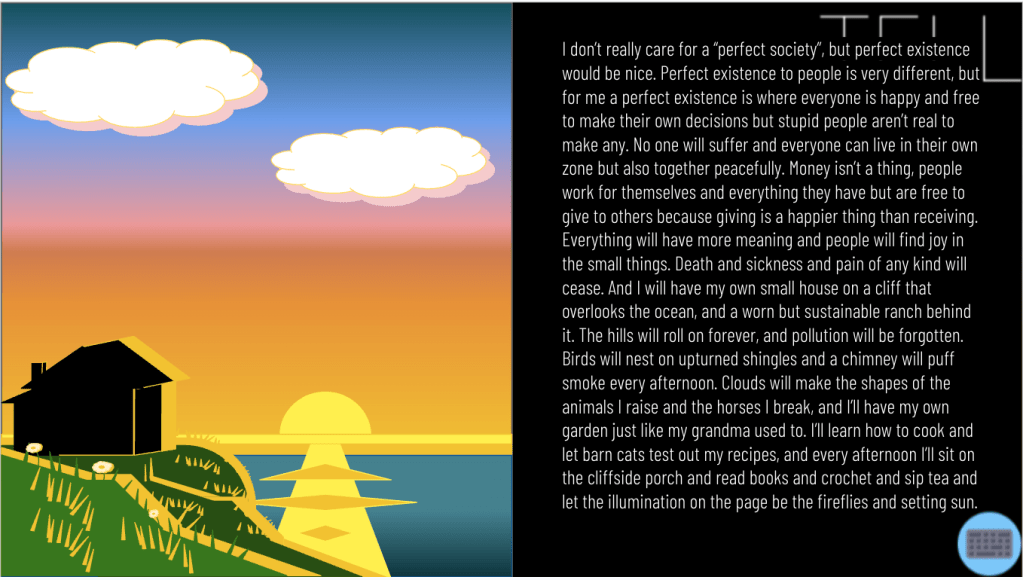
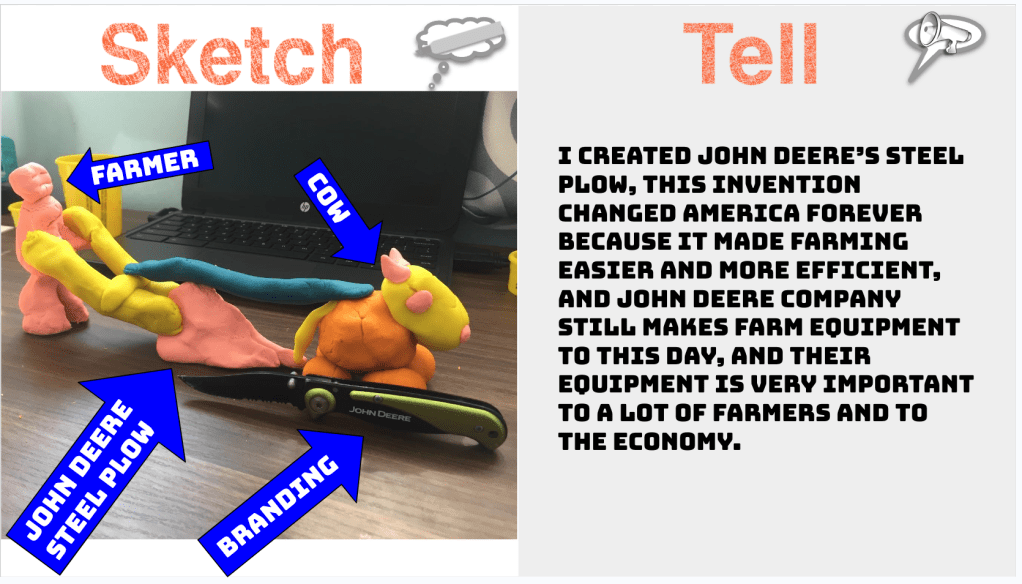
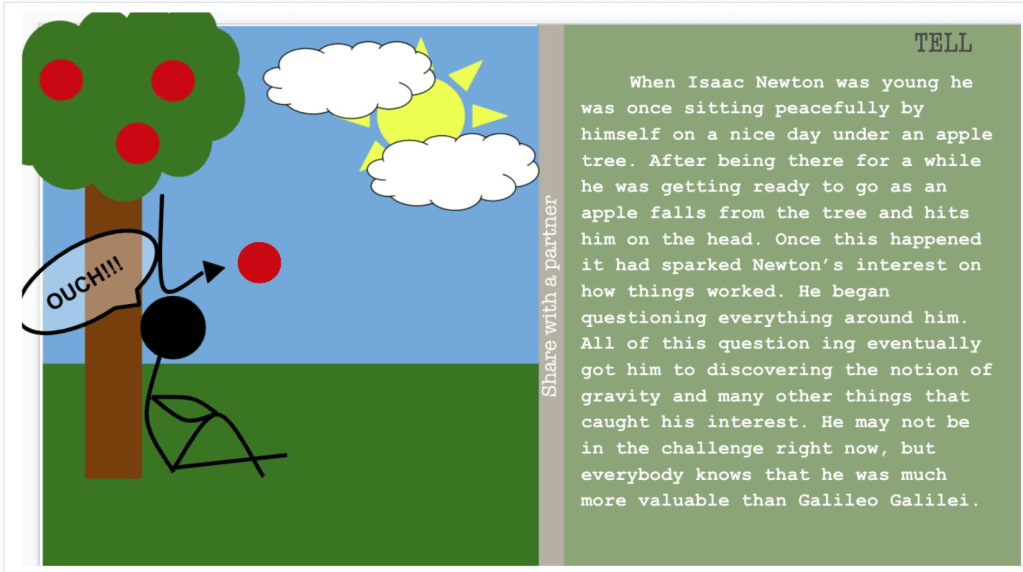
- Students create a sketch relating to the prompt using drawing tools, shapes, or images. This allows them to visualize their ideas.
- Students discuss their sketch with peers and write reflectively to explain their visual representation as it connects back to key learning objectives.
Sketch and Tell sessions can range from 5-30 minutes depending on needs. I always use a timer to keep students focused!
Customizing Sketch and Tell Activities
Recently, teachers have asked how to customize Sketch and Tell. Here are creative ways I adapt the protocol to engage different learning styles:
- Playdough or clay for molding three-dimensional visuals
- Legos and blocks for building physical representations
- AI image generators to spark visual connections (Scribble Diffusion)
- Food items like Oreos or gummy bears as quirky visual aids
- Drawing apps like AutoDraw to scaffold artistic skills
The possibilities are endless when we provide creative outlets for expression. Adjusting Sketch and Tell to student strengths makes abstract concepts more concrete while boosting engagement, collaboration, and reflection.




Taking Sketch and Tell Further with Depth of Knowledge
Integrating Webb’s Depth of Knowledge (DOK) levels can take Sketch and Tell activities to the next level. DOK classifies critical thinking into four tiers: recall, skill/concept, strategic thinking, and extended thinking. I use these as guidance when developing Sketch and Tell prompts and tasks:
Part 1 – Create a sketch
DOK 1: Sketch basic shapes that literally represent the vocabulary word or prompt. Write the word the sketch represents. (Example: Sketch a basic map of the 13 original colonies.)
DOK 2: Sketch images that symbolize key ideas in the notes/prompt using color, size, or combination of shapes to represent relationships. (Example: Use symbols and words to show trade relationships between New England, Middle, and Southern colonies.)
DOK 3: Sketch an analogy that metaphorically represents the prompt or notes, requiring interpretation into a visual representation. (Example: Represent tensions between colonies and England using analogies.)
Part 2 – Discuss with a partner
DOK 1: Name the shapes used and vocabulary word/main topic represented. (Example: Name colonies and geographic features depicted.)
DOK 2: Explain the thinking behind the representations and connections to the notes/prompt. (Example: Explain why certain symbols were used to denote inter-colony trade.)
DOK 3: Extend the analogy or metaphors in the sketch to other contexts; evaluate effectiveness. (Example: Relate visual metaphors to growing divides between colonies and British control.)
Part 3 – Write about the sketch
DOK 1: Describe literal objects, shapes, colors used in the sketch. (Example: Describe basic map components and labels.)
DOK 2: Explain the relationships between the different symbols, shapes, and ideas represented in the sketch. (Example: Analyze choice of symbols, words, and images to show colonial trade.)
DOK 3: Elaborate on the deeper meaning of the visual metaphors and analogies to prompt; analyze sketch effectiveness. (Example: Interpret broader meaning of visual metaphors representing colonial tensions with England.)
Aligning Sketch and Tell to DOK levels provides built-in scaffolding to increase rigor and critical analysis while giving creative room for students to learn deeply across diverse subjects. The visual and verbal processing engages students as they apply understanding to real-world contexts and questions.
For more: visit EduProtocols Plus site or check out many examples in the EduProtocols Facebook Group. For a Sketch and Tell Template, click here.

 Moler's Musings