Year 10 in the books! What a year it was in 505 – I made some changes and set a goal to teach Reconstruction by the end of the year. Throughout the year, I made some small changes to units and lessons and achieved the goal. Here are my units with some thoughts:
- Unit 1 – Exploration of North America
- Unit 2 – Road to the Revolution
With these 2 units, I can get carried away with Jamestown and Plymouth, French and Indian War, and all the little acts and taxes that were passed by British Parliament. I cut out all the small details and focused on the important pieces. For example, I focused on who fought the French and Indian War, the debt that was accrued, and the Proclamation of 1763.
- Unit 3 – Constitutional Convention
- Unit 4 – The Constitution
These are 2 of my favorite units. I rarely teach the same way year to year, but I really like and reuse a lot of the lessons. Government and the Constitution are passions of mine, and I try to make these lessons as hands on as possible. I cut down Units 1 and 2 so I could focus more on the Constitution.
- Unit 5 – The New Republic
- Unit 6 – Westward Expansion
These 2 units I’m always trying to tinker with and perfect a bit more. I really enjoyed the blogging aspect of the New Republic Unit, but it needs something else (what that is, I don’t know yet). I focus on the first 5 presidents which covers a lot of material and takes us to Westward Expansion.
Once I begin westward expansion, I begin to think, “Should I include Andrew Jackson?” He’s intriguing, engaging, interesting – but is it important?
- Unit 7 – Industrial Revolution and Reforms
- Unit 8 – Civil War
- Unit 9 – Reconstruction
Despite me questioning whether I should teach about Andrew Jackson, Westward Expansion is a nice transition to the Industrial Revolution and reform movements. Westward expansion and reform movements are a nice transition to the Civil War.
3 Positives
1. EduProtocols
EduProtocols are constantly evolving from year to year. I love it. These lesson frameworks are engaging, familiar, and are easily adaptable to different levels of students. The creativity and collaboration among students was at an all time high in 505. Here are my top EduProtocols this year:
CyberSandwich – I love this protocol because it can easily be created and scaffolded in a variety of ways. This year I used a Main Idea note taking strategy:
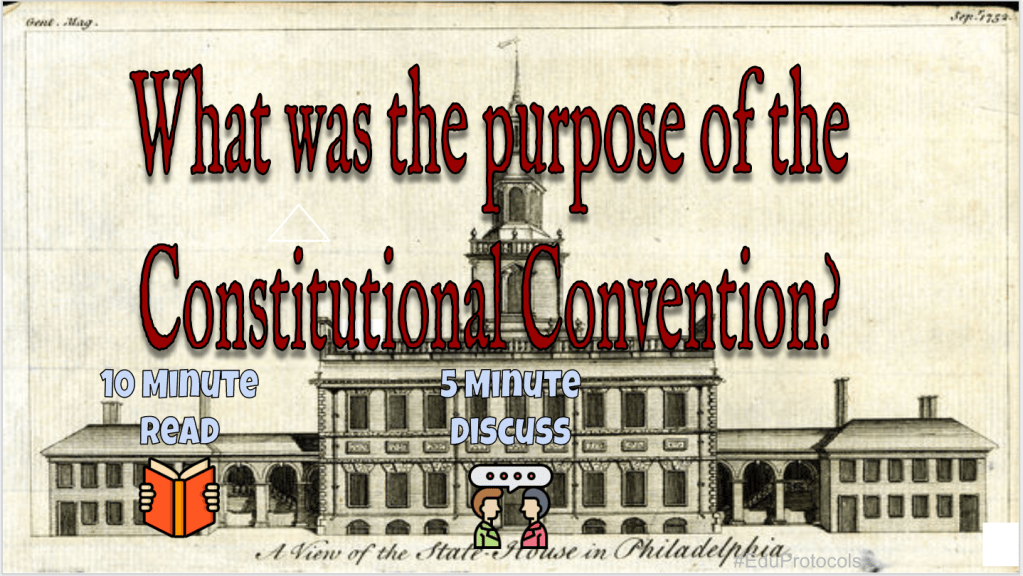

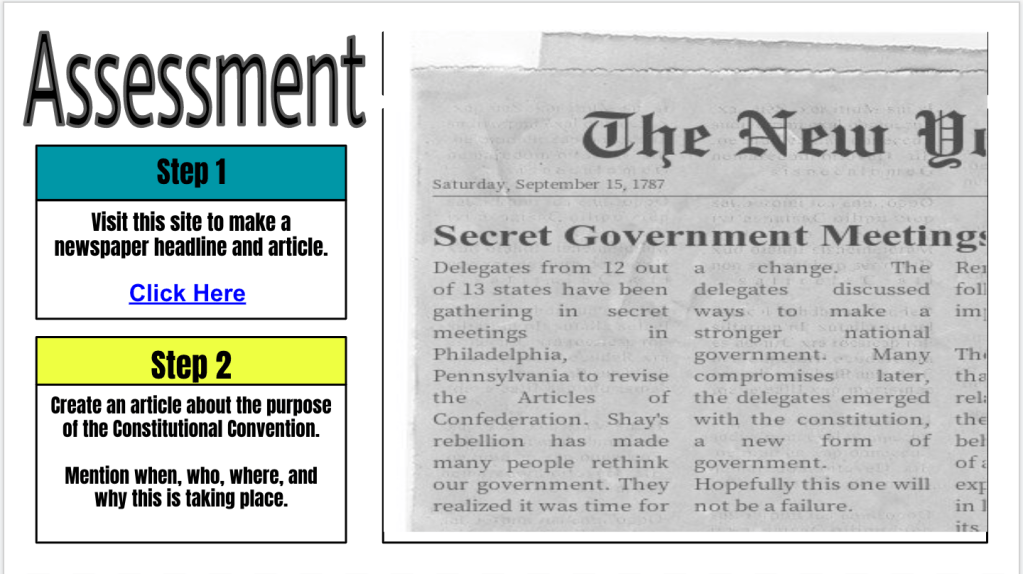
Students partnered up and read to each other. As one student read, the other student took notes. After both students read and took notes, they discussed their notes. The summary at the end of the CyberSandwich was a newspaper article creation.
Another way I used CyberSandwich was through Nearpod. This was a great way to control the pace of the CyberSandwich and provide scaffolding strategies. I often used the Nearpod CyberSandwich in my class with a high percentage of students with IEP’s. Here is what I did to set this up:
- The 10 minute reading was set up as an open ended question. I linked the reading and had students take 6-8 important facts/notes. I also added a 10 minute timer in Nearpod.
- Next I had students add important notes to a collaboration board. This was followed up with a brief discussion.
- Finally, I had students summarize their learning with an open ended question. I also added a 10 minute timer to this slide.


Thick Slides
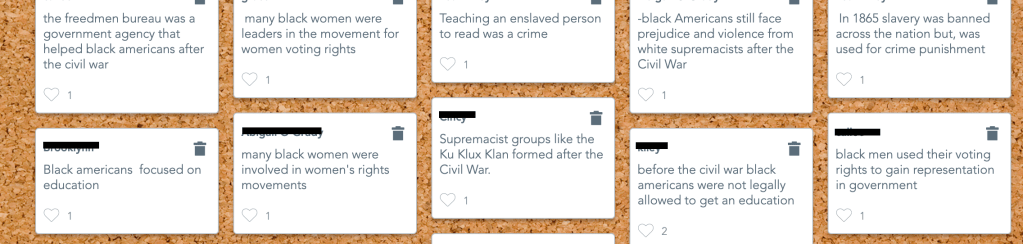
My favorite EduProtocol this year, hands down, was the Thick Slide. This protocol is so versatile with any lesson. I used Thick Slides to help students form and create an essay. I used Thick Slides as a way for students to share and learn from each other. I used Thick Slides as a way to just be creative. Here are some awesome student examples:
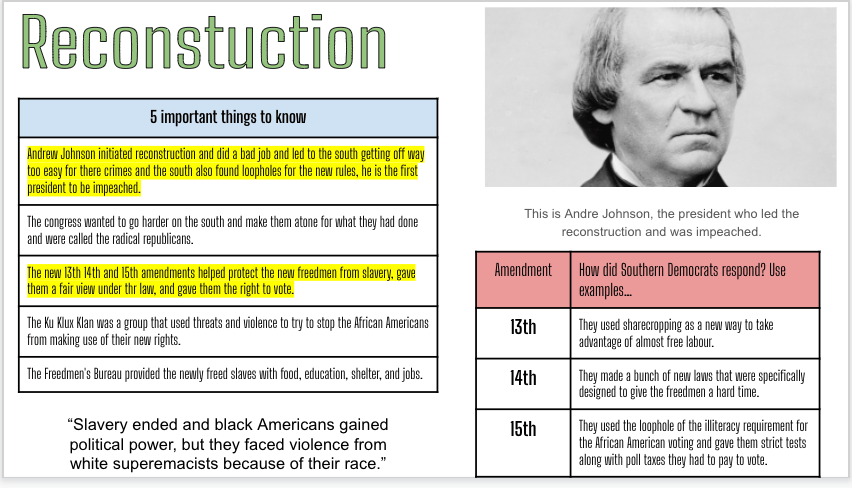
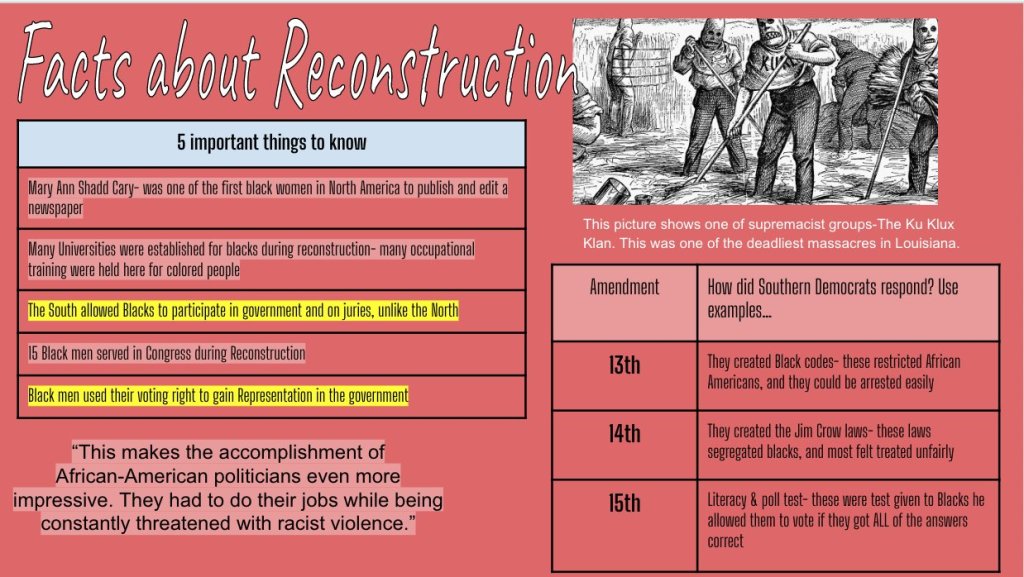


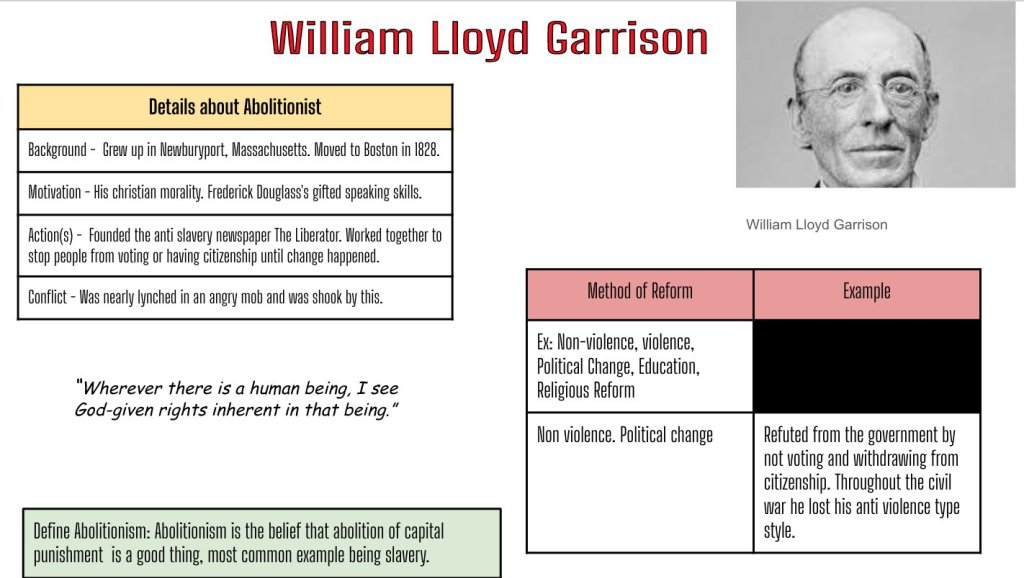

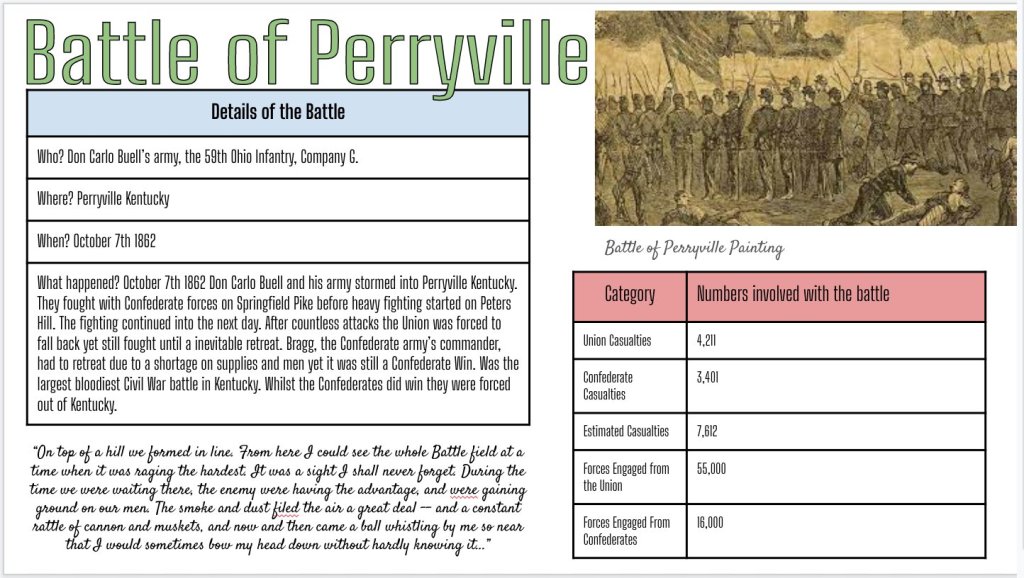
Here are the ways I used Thick Slides:
- Monroe Doctrine – this was used as a way for students to develop a thesis statement, and write a small essay. Out of the EduProtocols students used for helping them write their essay, most enjoyed the Thick Slide.
- Abolitionists – students created this Thick Slide, changed the share settings, and shared their slide with other classmates through a Google Form. I gave students a Frayer model and they used each other’s slides to learn about other abolitionists.
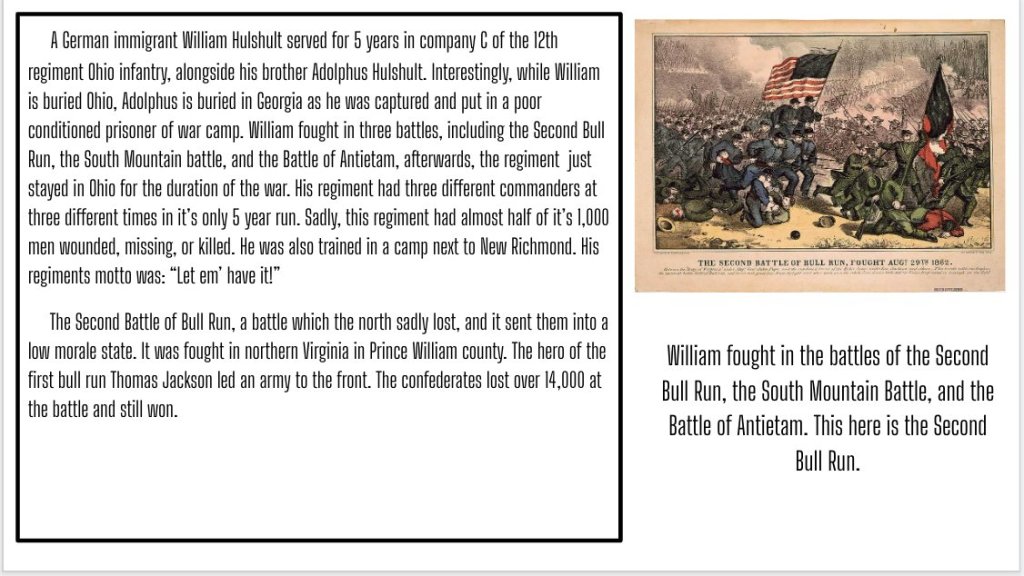
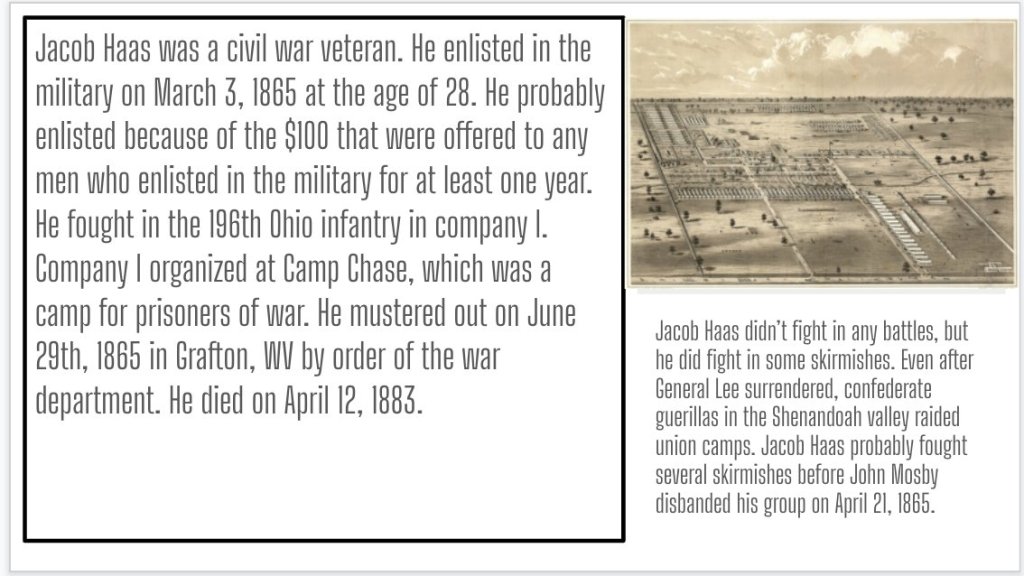
- Civil War – students used the Thick Slide to help them collect information about a battle that a local Civil War veteran fought in. This was used to help create a tribute to that Civil War Veteran.
- Reconstruction – students used this Thick Slide to collect information. I had them give each other feedback about their slides. Then I had students reflect on which information was important versus not important. They used this to help them create a news story about Reconstruction.
2. Civil War Veteran Project
For the longest time I was obsessed with the cemetery near my school. It was one of the original village cemeteries with numerous old gravestones. I was always curious about the names, people, and gravestones. However, I never knew where to start or where to look. I just let it go until this year……
I had a student teacher who informed me what a Civil War veteran’s grave stone looks like. In 1879, Congress passed a bill that would honor Civil War Veterans throughout the United States. Their grave stones would be made of white marble, rounded top, with a Union Shield, and contain the veteran’s name, company, and rank. With that bit of information, I knew it was time to do the project. With EduProtocols in my back pocket, the project was easy to plan and design.
To begin the project, we walked to the cemetery and collected names. I had students write down the full name, company, rank, and years for 3-4 veterans. When we went back to the classroom, we began searching Ancestry.com, Civil War Index, NPS database, and other Civil War databases. Students created an Iron Chef, Thick Slide, and recorded a tribute to a local Civil War veterans on FlipGrid. It was a great way for students to connect history to their community. Here are some examples:


3. Lifelines and Messages
I have mentioned this before – I don’t care about Social Studies. I’m not driven by content. I’m not driven by pacing guides. I’m driven by anyone who steps foot in room 505. I care about the success and well being of anyone I’m around.
It’s important to me to talk with every students 2 or more times per class. It’s important to me to begin every class by asking students how they are doing. It’s important to me to show kindness and gratitude.
I grabbed an idea from Monte Syrie – Lifelines. I handed out a lifeline to every student this year. The lifelines were used by students when they were having a bad day and couldn’t possibly focus on work. As a result, they could use a lifeline and trade the class period for time to rest, reflect, and do nothing. However, they knew they had to make up the work. Most teachers would be apprehensive about this, but it’s important to me to show a little grace. The students did not abuse this, and I was amazed at how responsibly they handled the lifeline.
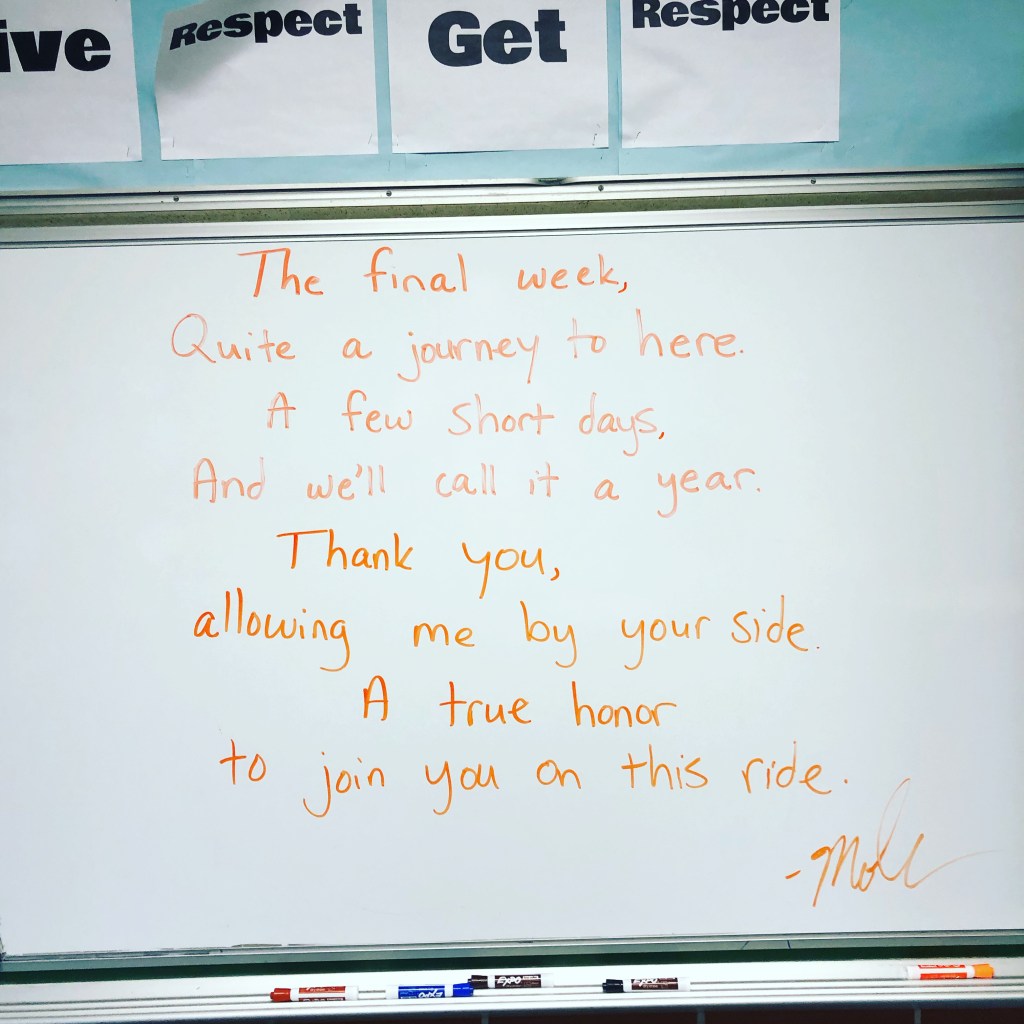
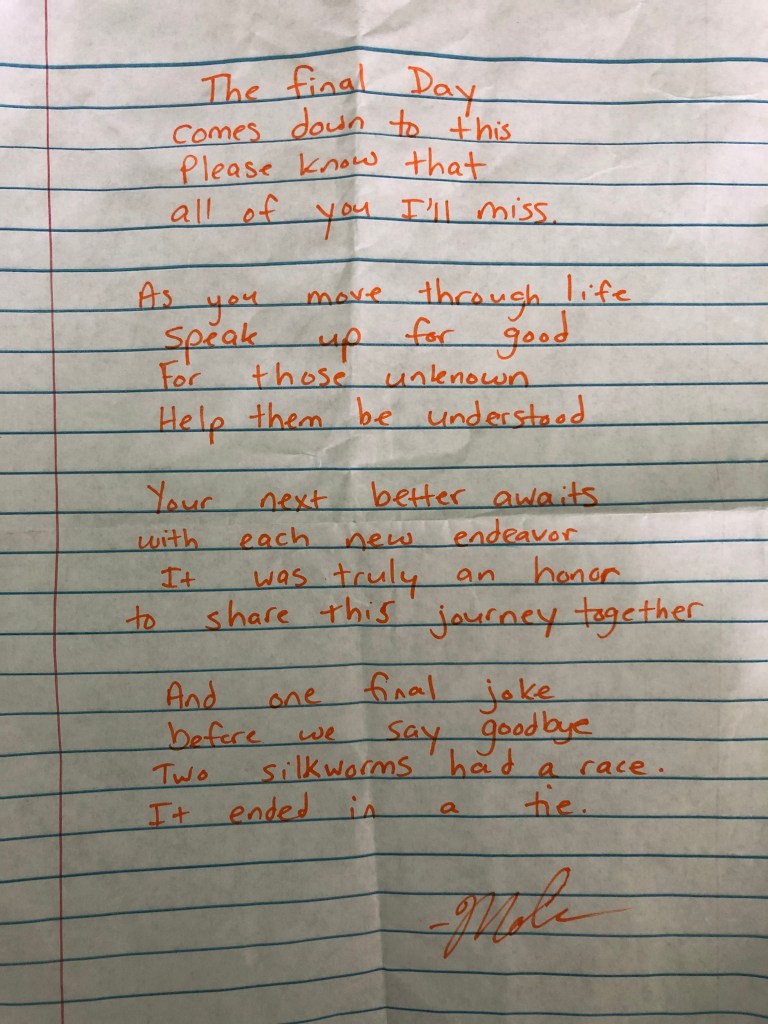
Students often love the daily messages I write on the board. I don’t bring attention to them. I simply write them and let the students read them on their own. Occasionally, I will leave the board blank to see their reaction. A blank board is often met with disdain and a lot of questions. Here are my messages from the last week of school:


Needs to be Better
Everything needs to be better. It never feels like enough and I have a drive to make 505 better and better. Here is my list of finding better:
- More student to student feedback.
- More positive contacts home. I always begin the year doing great with this, and then it drops off.
- More student created assessments.
- More writing skills (we write ALL THE TIME), but more revising and editing techniques.
- More “in the moment” feedback from me.
Despite it never feeling like enough, please take time to read a Letter of Recommendation a student wrote for me. Yes, this is a talented 8th grade student…..
To whom this may concern,
I am writing to recommend Adam Moler for Ohio Teacher of the Year. It was a pleasure to have him as a teacher for the past two years, and having him as an educator is surely a blessing to any student.
Mr. Moler has an aptitude for improvisational teaching during challenging circumstances, and has the natural ability to make students feel heard and appreciated while being in class. For instance, he holds a “Friday Check In” once a week to listen to the needs and thoughts of his students, while fully understanding feedback with a non judgemental understanding. If he finds that a particular lesson may not be thoroughly understood by everyone, he modifies the lesson according to the students needs.
For example, students are able to pick their pathway of learning by completing work that leaves leeway for creativity. In the document 5.3 Assessment Options, the following are represented:
- contemporary themes for assessment items that cater to younger generations, to better advocate the educational subject with his audience
- A concise expectation of what items should be included (allows for the student to better reflect on learning expectations)
- Rhetorical questions that grant a deeper thinking
Many assignments also require creativity and adapt to the needs of those with Neurodivergency (having conditions such as ADD, ADHD, ASC, ect.) by recognizing strengths and allowing for diverse skills found in these disorders to be utilized. In The Great Western Race Assignment, Mr. Moler gave myself and fellow students the ability to define concepts with the input of our own knowledge and way of thinking.
To further prove that his teaching skills are astonishingly effective, the Learning Statistics document records my personal increase in knowledge, commonly grown by 40%-61% from the first attempted quiz.
While being skilled in the education department, Mr. Moler has an inclination for being an inspiring and knowledgeable role model in the lives of many, by writing words of guidance and support to his students. Some of many of these quotes can be found in The Inspiring Quotes of Adam Moler documentation.
After being a student of Adam Moler for 2 years, my fellow students (see Student Feedback Link for more information) and I can confidently recommend him as the Ohio Teacher of the Year.

 Moler's Musings