What a week! This is going to be short post. I am usually an early riser and arrive at school by 6:00 AM…..most days/ On Monday morning, however, I just couldn’t bring myself to getting out of bed. I’m tired. Exhausted. Mentally exhausted. As a result, I arrived to school by 6:45 and was dragging.
Around 7:20 AM, twenty minutes before school began, the power went out. Was this a short power outage? Were we going home? Staff and students waiting….
Administration made a quick decision and decided to send everyone home. We had an unexpected day off!! It was much needed. I left school and drove to a local racquet club to watch my wife play tennis. I haven’t watched her play tennis in five years.
Monday – Day off…..no power.
Tuesday – Shortened class periods – we did some surprise Gimkits.
Tuesday
I hear it all the time, “These students just don’t know basic stuff.” I often think, “Well, okay, I agree. However, what are you doing about it?” I do know one thing, though; complaining doesn’t help. I’ve resorted to doing surprise Gimkits.
A surprise Gimkit is having the code up on the board, ready to go, and the students not knowing what the questions are about. I try to do this once or twice a week. The Gimkits are always with questions that address ‘basic stuff’ students should know. Here are my surprise Gimkits:
US States – many people complain that students don’t know their states. Here you go. We started the year with a low 60% class average. Now we are in the low to mid 80% range.
Rather than complaining, I try to address the issue with this simple, quick EduProtocol (Fast and Curious). Hopefully you can find some use with these. Have an awesome Thanksgiving!
In the last four years I’ve had a simple focus – how can I get students critically thinking, creating, collaborating, and communicating (The 4 C’s) with their learning? This is what drives my teaching with or without technology. However, when technology is used, I hope it’s intentional and ties to the 4 C’s listed above. This is why I love EduProtocols so much – it’s practical, intentional, ties to the 4 C’s, and provides consistency for the students and myself.
With the students I try to see each student as unique with their own set of strengths. One question that helps me with students – How can I give every student a chance to be successful? Everyone in this life deserves a chance to have fun and be successful with something and if my class is that one chance then I’m happy with that.
This week, we finished the Constitutional Convention, did a mini-lesson on Federalists and AntiFederalists, and we began one of my favorite units – The Constitution. The main goal of the Constitutional Convention was having the students analyze, and evaluate, compromises from the Convention. We used a 3xCER and Nacho Paragraph to complete this unit.
Following the Constitutional Convention, I do a mini lesson on Federalists and Anti-federalists. I created a choice board for this. The choice board has clear learning goals, an application activity, and an evaluative activity.
On Thursday, students wrapped up the Federalists/AntiFederalists unit. Then we began the Constitution Unit with a 10 question quiz from the United States Citizenship and Immigration services quiz. The goal is to reach six questions correct, which is rarely accomplished.
Friday – Resource Rumble – Parts of the Constitution
Monday
On Friday, students completed a 3xCER evaluating why the founding fathers kept slavery in the Constitution. I wanted them to keep that practice going writing claims, evidence, and reasoning. With EduProtocols, reps are important!! On this 3xCER, the question was, “Should the Constitutional Convention be considered a success?”
On the CER doc, the first column had the students evaluate the convention as a success. The middle column had them evaluate it as unsuccessful. The third column had students create their own claim about the convention.
As we did this activity, I noticed that students are getting better at writing claims. The evidence piece needed some work. The students had trouble remembering the compromises and classifying them as a success or not. As a result, by 5th period, I created a concept sort to help students evaluate the compromises at the convention. I created a list of items and had students sort them into categories…
The Great Compromise
Small states and large states compromised to create 3 branches of government and set up our modern day Congress.
The Founding Fathers created a government that still exists today.
The 3/5th Compromise.
They had a chance to end slavery, but built slavery into the words of the Constitution.
This is just a small sample of the evidence I listed out for students to sort. This definitely helped the students create, and write, evidence which ultimately helped their reasoning skills as well.
After students wrote their claims with evidence and reasoning, I set up a Socrative short answer question and share the student login link. Students signed into Socrative and I had them use their last column of the CER to construct a paragraph. As students submitted their paragraphs, I was giving feedback on the evidence and reasoning.
After a short time, I hit the “start vote” button in Socrative and the students were able to read each other’s paragraphs. We voted for the best paragraph, then I created a new Socrative Short answer question.
I copied and pasted the best paragraph into the question box of the new Socrative short answer question. Students signed back into Socrative, and we did a Nacho Paragraph. I instructed the students to copy and paste the paragraph into their response box, and I was going to have them edit the paragraph. Here are the edits I had them do…(It’s important to teach them NOT to submit their response until you tell them to do so)…
Rewrite the claim so it still makes sense with the paragraph.
Add a transition word to the evidence. With this one, I heard, “How do I do that?” My response was, “Look it up.”
Add a concluding sentence to the paragraph.
At first, the nacho paragraph seemed like a lot to them, but they started getting the hang of it. The student whose paragraph we chose said they felt weird that everyone was editing their paragraph. This is definitely something I will have the students do again because this is phenomenal for working on writing skills.
At the end of class, I ran a Gimkit Fast and Curious that I told them was for a grade. It’s amazing how much the class averages shot up when I mentioned this! Every class average fell between 85% and 96%. Amazing stuff.
Tuesday and Wednesday
After the conclusion of the Constitutional Convention unit, I moved into a mini-lesson on Federalists and AntiFederalists. It’s funny because I often refer back to this blog to see what I did last year. When I saw I created a choice board, I was like, “Sweet!”
Before I had students get into Federalists and AntiFederalists, I had them look up the definition for the word “Federal.” Google provides three definitions so I asked them, which definition would work best to help them understand the word Federalist. They agreed that this definition would help, “relating to or denoting the central government of the US.”
My next question was, “Based on that definition, what do you think a Federalist was?” A proud teacher moment happened when a student who struggles with reading, inferencing, and making connections spoke up and said, “Oh, they supported a strong central government.” Then I asked, “What do you think an ANTI-Federalist was?” Another connection made, “They would not support a strong central government.” Then I asked, “Why not?” The response was, “Because they wanted strong state governments and would probably support the Articles of Confederation.” I cried 😭 a little.
Earlier in the week, I had a student request that I lecture and they could take notes. I asked, “Why would you want that?” The response was, “Because you’re good a telling stories and do a nice job of relating the stories to us.” The lecture style is more for students who need structure and certainty to help them process what they are learning. The choice board I set up had a variety of activities for all types of processing styles. The activities on the choice board included the following:
Quizizz for the check for understanding – students could take this twice.
EdPuzzle to take the place of a lecture style.
WordWall for practice – a concept sort.
CyberSandwich for those who want some partner work and discussion.
A student paced PearDeck – sketch and tell included.
Frayer Models
Primary Source analysis from SHEG.
The choice board also included clear learning goals:
I can identify and explain 2 differences between Federalists and AntiFederalists.
I can identify the compromise made between Federalists and AntiFederalists over the Constitution.
Finally, I also included four application activities on the choice board to choose from. The application activities included:
Imagine you are a Federalist or AntiFederalist – write a letter persuading people to accept or not accept the constitution. Include 4 or more important facts/reasons in your letter.
Select a Federalist or AntiFederalist – design an action figure (An example) (this is on paper – get the paper from me)
Story Cubes – relate 8 story cubes to the beliefs and characteristics of Federalists and AntiFederalists. (This is on EMC2Learning)
Choose a Federalist or Anti-federalist – if they got a tattoo, what design would they get and why? Draw your design on paper, take a picture and add it to the slide. Then fill in the missing details around it. (This is on EMC2Learning)
Over 2 days, students did geat completing the activities. The most chosen activities were the EdPuzzle, WordWall, and Quizizz. This was chosen the most because it was the quickest and easiest to do. However, I challenged the students to complete the Word Wall with 100% accuracy in under one minute.
Thursday
On Thursday, we began my favorite unit – The Constitution. I love government. I love teaching government. I love the challenge of taking something that is not exciting, not easy to connect with and making it exciting. Here are my two compelling questions for the unit:
How does the constitution limit government’s power?
What are 6 principles of government found in the Constitution and how do they relate to your life?
I always begin this unit with a citizenship test from the USCIS website. I ask ten questions that relate to the unit, and students need to get six correct. I ask the questions out loud and they need to write their responses on paper. I use this as baseline data for the unit. Here is my data:
First Period – 2/20 got six correct. 27% class average.
Third Period – 0/29 got six correct. 24% class average.
Fifth Period – 2/24 got six correct. 26% class average.
Seventh Period – 2/20 got six correct. 24% class average.
Eighth Period – 3/14 got six correct. 34% class average.
After the citizenship test, I have the students evaluate their own knowledge of vocabulary words from the unit. I had them go through 12 words and decide the following:
Know it – they could write a definition in seconds without looking it up.
Not sure – they have seen the word but don’t know how to define it.
Don’t know it – they have never seen the word before.
I noticed that some thought they knew Federalism. However, they confused this with the Federalists. Some thought they knew Bill of Rights and Republic but didn’t have keywords in their definitions. For example, for a republic, most students left out the words representative or elected. So, it’s important to circulate and give quick feedback during this activity.
With the time we had left, I ran a “secret” Gimkit on the states. Students like the secret Gimkit. Sometimes it’s a Gimkit about states, 4th grade trivia, or basic things they should know. I hear a lot of teachers complain that students don’t know “stuff” anymore. I would agree this is true, but why not use reps with Gimkit to address the issue? This is the 4th time my classes have used the Gimkit about states – we began the year with a 60% average, and we are now above 80% on state recognition.
Friday
Before I get into the principles of the Constitution, it’s important for students to understand the structure of the document. I gave students a choice: I could lecture on the Articles and amendments of the Constitution, or they could do a Resource Rumble.
The students chose the Resource Rumble. Students used the Constitution in the textbook to answer a variety of questions. As I approved the questions, they collected legos. At the end of the resource rumble, they had to build something with their legoe related to Article I, Article II, or Article III.
This week we continued with our unit on the Constitutional Convention. Our question is, “Should the Constitutional Convention be considered a success?” Students are weighing multiple options – a stronger national government was created. However, at the same time, the Constitution was created without the consideration of enslaved persons or women.
The supporting questions we explored this week were:
What argument over representation led to the Great Compromise?
How did slavery influence the writing of the Constitution?
Why did the Founding Fathers keep slavery in the Constitution?
I used a variety of EduProtocols this week including Sketch and Tell, Number mania, and the 3xCER. The Sketch and Tell works great with the Great Compromise. This helps students visualize structures of the legislative branch that was proposed. The Number Mania paired with the 3/5ths Compromise was okay. I always love the 3xCER as this was our third rep this year.
We had a weird week with en Election Day interruption. Plus, we had Veterans Day on Friday. Happy Veterans Day, and thank you, to all veterans for your service!!
The question to begin the day on Monday was – What argument over representation led to the Great Compromise? To begin class, I had up a Fast and Curious using Quizizz. The Quizizz had 10 questions, and the class averages were as follows: 54%, 52%, 50%, 33%, 45%. The questions focused on the Virginia Plan, New Jersey Plan, the Great Compromise, and basic legislative branch questions. I expected these class averages because 8th graders (and a lot of people) struggle with government related stuff.
The next step for the lesson was a Thin Slide. I gave students 5 minutes to add a picture of a state, add the name of the state, add the amount of representatives for the state, and how many the senators for the state. I quickly learned that I needed to directly link the House of Representatives and the US Senate to the instructions. When the timer went off I asked the students, “What do you notice?” Right away, they noticed that every state had 2 senators and the amount of representatives varied. Then. I asked, “Why do you think one number stays the same and the other number varies?” They had some guesses, but this was the point of the lesson for the day.
Next we moved onto a Sketch and Tell. With these ideas of a house, a senate,and representatives, students have a hard time visualizing these things. This is why I love using Sketch and Tells with government content. Some classes, I let them go and they did their thing. Other classes we did an I Do, We Do, You Do. Students filled out a chart with information then created a sketch to show the structure of Congress as proposed by the plan. When we ended the lesson, students took the Quizizz again and the class averages were all between 75% and 92%.
Wednesday
On Wednesday I began class with a Spot the Differences photo. I went to 270toWin and took screenshots of the 2020 election map and the 2022 election map. Students had to spot 10 differences.
One by one, students came up and circled differences. When we were done, I told the class, “The number represents the amount of representatives, plus two senators.” Then I asked, “Why did Ohio go from 18 representatives to 17 representatives in 2022?” I was hoping students could use their knowledge of the house of representatives to guess…..and they got it right!!
Then we switched gears to a Number Mania and the 3/5ths Compromise. Before out Number Mania, I combined Great Compromise questions with 3/5ths Compromise questions. The students did well with Great Compromise questions, and awful with 3/5ths Compromise content.
Next, I had students read an articles on the compromises over slavery. I had them choose two numbers related to compromises, 2 numbers related to effects of those compromises, and another random number. The Number Manias were okay, I need something else to pair with the article (textbook section) I have for the students. Here are some examples:
Thursday
Thursday, I wanted to extend the Constitution and Slavery compromises lesson to a SHEG lesson on, “Why did the Founding Fathers keep slavery in the Constitution?” However, someone threw water all over the hallway, I slipped and fell, I cleaned up the water, and drama was happening. It wasn’t even 7:45 AM. I decided I needed a lesson to cheer me up so we did the Egg Dash Challenge. This is a great review game from EMC2Learning.
I don’t want to give away all the detail, but here is a link to John Meehan’s blog about the Egg Dash Challenge. I had the plastic eggs, I created 21 questions, and I gave the students 20 minutes to answer as many questions as possible. The first 5 minutes they could not use their Chromebook.
The students had a blast, I had a blast. This was a much needed lesson for the bad start to my day. At the conclusion of the lesson, I had the students do a Gimkit with similar, and the same, questions from the Egg Dash. The final class averages were: 82%, 84%, 83%, 81%, 89%. The questions were copied from the Quizizz I used for the Great Compromise, 3/5ths Compromise, and previous Gimkit questions about the Articles of Confederation.
The bolded number above (81%) came from my 7th period. When I first began the Gimkit, they were talking and randomly clicking. I stopped the game 3 minutes in. They were not happy. However, I explained to them (I’m know for my off the cuff speeches – sometimes rants):
“I stopped the game because this class has failed to get over a 58% class average on a Gimkit we have taken 4 or 5 times. It appears I’m mad at you, but I’m not. However, I’m confused. I’m disappointed. If anything, I’m mad at myself. Mad at myself because I’m a teacher of the year twice over and I can’t figure it out. I can’t figure this class out. I tried to motivate you by asking everyone to answer 20 or more questions, get a class average of 70% or higher, and I would give you 4 extra credit points. But that didn’t work. I can’t lower the bar to 60%. That’s the equivalent of me asking you to practice hard for only 10 minutes at practice. How good are we going to be at football, basketball, or wrestling if I ask you to work hard for 10 minutes at 2 hour practice? Do better. Be better. Not for me, but for you.” That’s not word for word, but that’s pretty damn close.
We tried again, and the class average miraculously went up to an 81%. I jokingly said, “I can’t give an impromptu motivational speech everyday.”
Friday
On Friday we went back to the lesson I wanted to do on Thursday. There is a SHEG lesson about slavery in the Constitution. The perfect pairing with this lesson was a 3xCER that I learned from Ariana Hernandez.
We began the lesson by discussing the grievance on slavery removed from the Declaration of Independence. We looked at these questions:
How did Jefferson describe slavery?
Who did he blame for the slave trade?
Why do you think they removed this grievance?
Then I copied and pasted four quotes from the Founding Fathers, and two historian interpretations on why the Founding Fathers kept slavery in the Constitution. I love using the 3xCER with this because it allows the students to practice using claims, evidence, and reasoning 3 times as opposed to once with the original lesson.
Some of the classes, I did an I Do, We Do, You Do. Other classes, I reminded them about a claim and the purpose of reasoning. Here are some examples:
One Final Thought
You can follow me on TikTok now – @moler3031. I posted a video on TikTok about changing the settings on a Google Doc, Slide, or Sheet to prevent people from copying your file or prevent students from copying and pasting. I just made a video to share something that could be useful.
In 2 1/2 days, it has been viewed over 33,000 times, 2,300 likes, favorited 750 times, and many many comments. Like most things, 90% of the comments are great. However, I’m going to address the 10% negative comments…
“You’re just trying to control student engagement.” – No. I don’t turn copying and pasting off every time. I only turn that off when I need students to think, and write something from their own mind.
“He’s just trying to sell books.” – Yes, I’m trying to sell books. But I have given many, many books away because I want to. Plus, read this blog – I open up my classroom and give it away.
“Make a more engaging lesson and students won’t copy and paste.” – I have many engaging lessons. Not every lesson is engaging. It doesn’t have to be. However, I don’t always turn off the copying function. Certain lessons, however, I do because I want the students to write on their own.
“Did you notice he said he copied and pasted a textbook section to a doc and turned off the ability for students. Ridiculous.” – I do copy and paste sections and articles all the time so I can change some of the vocabulary or remove some of the fluff. I think textbooks add too much irrelevant stuff – that’s why I do that.
“Why? Sometimes I want students to copy and paste text evidence without typos.” – Great! I don’t turn off the copying function EVERY time. Even if a student has a typo, the computer spell check feature, or Grammarly, will catch it.
I just turned off the comments. Sometimes as teachers, we are all or nothing. My 1 minute video isn’t suggesting to turn off the copying feature every time you share a Google Doc or Slide. I’m not suggesting that students are horrible cheaters. I’m simply throwing an option out, another tool, for teachers to use if it’s needed.
My last thought…One thing I would never do is comment on another teacher’s stuff in a negative fashion. I have no need to say something negative to a person I don’t know, or have never met in person. Plus, I have never visited that person’s classroom. A 280 character tweet, a 1 minute video, a picture doesn’t define the day in and day out stuff of a classroom or a teacher. Therefore, I refuse to comment negative, or critical stuff to another teacher. I may be turning comments off in the future.
This week we began the Articles of Confederation, Shays Rebellion, and the Constitutional Convention. I love this unit. I saved a Google Classroom from last year that I often look at to reflect. I looked at last year’s lessons, and thought to myself, “How can I adjust this for the students this year?” I always think to myself, “How can I make it better?”
I started at the standards to revamp this unit. Here are those standards:
Analyze how the problems arising under the Articles of Confederation led to debate over the adoption of the U.S. Constitution.
Explain how participation in social and civic groups can lead to the attainment of individual and public goals.
After reviewing the standards, I broke the unit into 3 essential questions:
Why did the United States want to create a stronger national government?
Was the Constitutional Convention successful?
What were the differences between Federalists and Anti-Federalists?
From here, I thought to myself, “How would my students need to think in order to answer those essential questions?” So I made a list of items:
Students need to understand the Articles of Confederation was our first government to help us through the American Revolutionary War.
Students need to understand that we have state level and national level government (federalism).
It was intentionally made weak due to the abuses of power by King George III and the British Parliament.
The weaknesses led to problems like Shays Rebellion which exposed the Articles of Confederation.
The Northwest Ordinance was created under the Articles of Confederation – an ordinance is a law and helped territories become states (Ohio – 1803).
The Constitutional Convention brought together many political leaders to strengthen our national government by creating 3 branches but limiting its power.
From the Constitutional Convention, 2 groups emerged and ultimately created our first two political parties. The Federalists and Anti-federalists debated how strong the national government should be and how to protect people’s rights.
By doing this process, and looking at this unit through the eyes of a student, it helped me put together different activities, assessments, and questions with each lesson.
For Monday, I began with a Gimkit of 15 questions about basic vocabulary related to the Articles of Confederation and Shays Rebellion. Many of the words relate to government and are unknown to most of the students. This was shown in the class averages of 52%, 54%, 50%, 33%, 58%.
At the conclusion of the Gimkit, I gave some feedback on most of the questions. We switched gears to a Frayer. I had students Frayer the word Articles of Confederation (@historysandoval Frayer template). Then I had them choose two other words they might have trouble remembering. Most students chose: ordinance, Northwest Ordinance, or central government.
Students took 15 minutes to complete 3 slides for their Frayer. The last 10 minutes of class were used to take the Gimkit again. Most scores were raised to a 60% and one class raised their class average to a 70%.
Personally, I felt like their scores should have been higher. I had a conversation with them that I played a Gimkit the previous week about Halloween trivia. The first 19 questions I missed (no joke). However, I read the correct answers and didn’t miss a question after that. Using the time, and effort, to read and understand why a question was missed is soooo beneficial.
Tuesday
To begin class, I used this awesome strategy I learned from Dominic Helmstetter. At MassCUE, Dominic told me he uses a “spot the differences” in pictures to begin class sometimes. He uses a site called Cleanup Pictures to create the differences, or remove items, from a picture. So, I used a picture I found on Google related to the Northwest Ordinance. I removed important items related to the day’s lesson. It was awesome, and students got so into it!! Can you spot the differences?
Last year I had students do a solo Iron Chef to learn about the Articles of Confederation and Shay’s Rebellion. I had them read a textbook section and design a slide. We set aside 15 minutes for each slide. I kept my timer going, and switched them throughout the class. It was okay, but there was no discussion.
This year, I had students create groups of three and share a slidedeck. I printed off paper copies of the textbook sections and handed them out. Students had 12 minutes to read and design a slide.
At the end of 12 minutes, I passed out a paper Frayer model to each student. Each box had a prompt for what I wanted the students to focus on in regards to the Articles of Confederation, Northwest Ordinance, and Shays Rebellion. I labeled each box with:
What were 4 weaknesses of the Articles of Confederation?
Describe the Northwest ordinance – territories becoming states and rules for the Northwest Territory.
Describe the importance of Shays’ Rebellion.
Five sentences – how did weaknesses of the Articles of Confederation lead to a new government?
I tried to have each student present their slide to a group – some did great, while most did not. But that’s okay. Some students like to work independently, work at their own pace, and write their own notes.
Some students complained about writing 5 sentences which gave me an idea for Wednesday’s class (stay tuned)…
Overall, for a 2nd Iron Chef, the students great. Awesome creativity, they were engaged, I may have went a bit too fast for some. However, there is always room for improvement. At the conclusion of class, we finished up with a Gimkit. The Gimkit results are a bit skewed, because I often keep adding new questions related to the content. Some class averages remained the same, and some went backwards.
I set up the Iron Chef differently for my 7th period class because I don’t fully trust them to share and work together cooperatively. As a result, I would read a textbook section to the class and added clarification along the way. Then I gave them 8 minutes to make their slide. Then I read another textbook section, and so on. Sometimes I am doing too much, but at the same time, I am saving my sanity and doing what I feel is right. It worked out much better for this class.
Wednesday
On Tuesday, I took the, “We can’t write 5 sentences,” as a challenge. I wanted to do some review of the Articles of Confederation, Northwest Ordinance, and Shays Rebellion. I also wanted to have a little fun.
To begin class, students did a 5 minute round of Gimkit. Class averages were okay. They ranged from the 57% to 80% range. After the Gimkit, we did more review with a Rolling Recap from EMC2Learning. I can’t really give this review activity away, but I roll four dice and ask random questions related to content. Students work together in groups of two to three and are totally engaged.
All of this review was working toward my big lesson of the day – Random Emoji Paragraph. The students said they couldn’t write five sentences, but they ended up writing 15 or more sentences by the end of class. Basically, they wrote three paragraphs. To access the Random E
I began the Emoji paragraph by having the random emoji generator on the board. If you want access to it, sign up for free at the EduProtocols website. This created intrigue and many questions. I explained the purpose of a paragraph – pursue an idea. Then we ran two practice rounds. The students loved it, couldn’t wait to share, and asked if we could do it again. Even if it’s not related to your content area, this is a great way to begin or end class to get students thinking, writing, and having fun.
The last round of the Emoji paragraphs, I challenged the students to relate the emojis to the Articles of Confederation, Shays Rebellion, or both. If students did a great job with the Gimkit, Iron Chef, and Rolling Recap – this was no problem. The students that didn’t bother to do much, really struggled. Relating random emojis to describe a historical topic requires some special creative thinking. Most students did great. They were engaged and couldn’t wait to share. What they came up with was pretty amazing:
Thursday
On Thursday, we were ready to move onto the Constitutional Convention. I used a Quizizz at the beginning of class. It was nine questions, and the class averages were as follows: 62%, 53%, 50%, 46%, and 60%. The Quizizz had basic questions about the Constitutional Convention.
Next, I had students read a section of the textbook and take notes using a Main Idea note taking strategy. I like this strategy for this particular CyberSandwich because it helps the students write their summary at the end.
The Main Idea note taking strategy has students turn the section title into a question. Then it has them write down who, when, where, why, and what. At the conclusion of the reading and note taking, I had the students select 4 of the most important facts they typed.
Choosing 4 important facts helps guide the discussion and comparison piece of a CyberSandwich. The discussion were MUCH better and organized with choosing 4 important facts. This also helped with the summaries at the end.
The summary for this particular CyberSandwich is a newspaper clipping the students create. They visit a newspaper clipping generator site and attempt to create a summary answering the question – What was the purpose of the Constitutional Convention? After students typed their summary, I had them check how many facts they had in their article using this self assessment doc. Here are some students samples:
At the conclusion of the lesson, we went back and did the same Quizizz again. This time, the scores went way up!
Friday
Friday was a weird schedule day. Each class was 30 minutes long. As a result, I had students complete the Friday Check In, Gimkit, and add to their Google Site Portfolio. I added the Thursday quizizz questions to the Gimkit.
For the Google Site Portfolio, I had students create a new page for the last unit – Unit 2 American Revolution. Then I had them select three items they created in unit 2 that they were proud of.
When I began teaching social studies, eight years ago, students seemed to have a good background and grasp of basic historical facts. Each year after that, the knowledge has been less and less. For example, I have some students who have never heard of George Washington, Ben Franklin, or John Adams. No joke.
I shared the above information because I feel like most of my lessons stay in the DOK 1, 2, and 3 range. The students are learning the background knowledge they lack, but sometimes I wish I could get to the DOK 4 level.
The units I have put together are structured, but I need to focus the essential questions more and tidy up the organization. I would like to get into more inquiry based lessons, PBL based lessons, but the lack of background knowledge trips me up. With that being said, it leads me to the end of the American Revolution Unit.
I needed an end to the American Revolution Unit, but it seemed like a conglomerate of lessons. As a result, I came up with a 2 part assessment that addressed all aspects of the unit. The next day we started a mini-unit on the Founding Fathers.
I created the mini-unit on the Founding Fathers because a student asked me if we could learn about them. Furthermore, it’s important for students to understand who some of these Founders were before diving into the Constitutional Convention. So, I put together some EduProtocols paired with some Emc2Learning materials. It ended up being a cool unit.
After returning from a long trip (I went to MassCUE at Gillette Stadium), I needed a review activity for the students. I took a chance and did a Resource Rumble with my classes. The Resource Rumble is an engaging review activity for students.
The students were placed into teams of 3 to 4. I posted 8 questions around the room related to the material they learned last – Declaration of Independence, American Revolutionary War battles, life of Continental Soldiers, Taxation without Representation, etc. I wanted students to use some recall and retrieval practice. Some examples of questions I posted:
Write a Haiku about Taxation without Representation.
Write 3 rhyming couplets about the Declaration of Independence.
What are the natural rights listed in the Declaration?
Identify the first and last battles fought in the Revolutionary War. Who won the last battle?
Students did well with the Resource Rumble. They loved getting up and moving around. After the groups answered the questions, they brought their responses to me to check. I added in a new twist this year – okay responses received a 6 sided dice. Great responses received the 8-sided dice. One student rolls the dice for the group, and collect that many blocks. In the end the groups compete to build the tallest, freestanding tower. The tallest tower of the day was 38″ tall. Here are some pics:
Tuesday
For Tuesday I needed an assessment to wrap up the American Revolution Unit. I often have a million ideas constantly running through my head. I can never make up my mind. I knew what the students needed to know and be able to do, I just couldn’t make up my mind on how they could do it.
As I was driving to school, the idea came to me – a 2 part assessment. The first part of the assessment was a Gimkit. The second part of the assessment was a choice of familiar activities – Hexagonal Learning or Story Cubes. I told the students they had to finish every part of the assessment in class. Here was my deal with them:
5 minute Gimkit. If everyone answered 25 or more questions, and the class average was 80% or higher, then everyone would a get a 10 out of 10 on that portion of the assessment.
The 2nd part of the assessment was a choice – Hexagonal Learning or Story Cubes. Hexagonal Learning could be with a partner or Story Cubes had to be individual.
On the Gimkit, the students rose to the challenge. Four of my classes received these class averages: 80%, 82%, 85%, 90% and one class received a 70%. For the choice assessment, most students chose Hexagonal Learning. Here are some of the I Can statements I listed out:
I can identify and describe 2 examples of taxation without representation that led to the Revolution.
I can explain how the Enlightenment influenced the Declaration of Independence and the American Revolution (natural rights, social contract).
I can explain why Thomas Jefferson wrote the Declaration of Independence.
I can identify principles of government within the Declaration (consent of the people).
I can identify, and explain, a group that contributed to the American Revolutionary War.
I shared my I can statements because I noticed some students were putting the Enlightenment, or natural rights with other ideas…….which is okay in some ways, I guess. However, I pointed out to the students the I Can statements. For example, I can statement number 2 literally has Enlightenment with the Declaration, natural rights, and social contract all in the same sentence. I asked, “Wouldn’t that clue you in to where those hexagons go?” I bring this up because I wonder how often I can statements are used and if students are taught to use them for guidance.
Along the lines of my assessment choices, I like these options for students because they are familiar with them. The Hexagonal Learning has the major concepts listed out for students to read. Whereas, the StoryCubes has students relating abstract images to concepts which leads to more recall and retrieval practice. Here are some examples:
Wednesday
Before beginning a new unit on the Constitutional Convention, I was inspired by a couple of students to create a mini-unit on the Founding Fathers. One student asked me if we could learn about the Founding Fathers. The other student that inspired me, way back in September, made a list of presidents that would make a great basketball team. He strategically placed them in different positions – point guard, shooting guard, etc. and began laughing. What he thought was a joke actually inspired my idea for this Founding Fathers unit.
To begin this unit (With EduProtocols, I planned this out, and created everything, in 10 minutes) I started with a Thin Slide. I simply asked the students look up a Founding Father, add their picture, add their name, add an accomplishment. They had 3 minutes to create their slide. When the timer went off, I shut down the editing rights and students presented their slide right from their desks. They included the usual suspects for Founding Fathers – Alexander Hamilton, George Washington, John Adams, Thomas Jefferson. Some students like to branch out and be different – those students shared John Jay (who apparently looks like me I guess).
The next step of the lesson was a Fast and Curious Gimkit. The Gimkit had fifteen questions about founding fathers. I added pictures to the questions with the lesser known Founding Fathers. The point of this Gimkit was to introduce more names to the students. The class averages were super low – 40% to 50% range. Students were confused by all the John’s, James’s, and George’s.
The last step involved the students choosing a Founding Father from a list of links I provided. I wanted them to design a slide about sa Founding Father with the following:
Five acomplishments
A picture
Basic information – year born, year died, etc.
One surprising fact
Apply an archetype to that Founding Father – explain why with evidence.
The students had 22 minutes to finish their slide. I ran a timer for 15 minutes, paused, and went over the archetypes because this was a first for the students. I resumed the timer for another 7-8 minutes as they chose an archetype for their chosen Founding Father. Here are some examples:
Thursday rolled around and I worried that the students didn’t have enough background information for the final part of the Founding Fathers mini-unit. As it turned out, I was worried about nothing. The students made great slides and had good information. To begin class, I ran the same Gimkit again. This time class averages rose up to the 60% to 70% range.
While the Gimkit was running, I passed out paper Frayer models. When we share learning artifacts through Google Forms, I like it when students use paper and pencil to write notes from peer work. I think the students secretly like the paper and pencil too. Students had 15 minutes to write down 2 accomplishments, basic facts, a surprising fact, and the archetype for four different Founding fathers.
I gave them all a quick speech about writing down things they KNOW and UNDERSTAND. For example, I would have students write down, “He was foreign minister.” I will ask them, “What is that?” They always respond, “I don’t know??” I have really been striving to coach them to write down basic things they understand, Write down things in your own words.
Once students had their information, it was time to reflect on their learning. This is where I was inspired by the student who put together the presidential basketball team. On EMC2Learning, they have an NFL Draft template. I asked the students to think about who would be drafted in the first round based on their accomplishments. Who would be drafted in the second round and so on?
I cannot share the template, but here are some student samples:
Friday ended up being a wasted day because we had some special events going on. Some students finished up the NFL Draft templates. Some did not.
This week was a shortened week with no school on Monday. I was in class for one day on Tuesday. Then I flew to Boston for MassCUE Wednesday through Friday.
We continued this week with a focus on the American Revolutionary War. Last week, one thing became clear – the students did not understand the Declaration of Independence (DOI). I simply could not do the same thing I did last year.
Last year, we did an in-depth exploration of the DOI where we ended with a blackout poetry lesson. With me being, gone, doing a blackout poetry lesson was out of the question. Plus, the fumes from our blackout poetry last year filled the school. It was an interesting day.
With my one day back, on Tuesday, I did a quick lesson on the DOI. I created a nearpod lesson, and we did Parafly with some excerpts. We also made some connections between grievances and past events we learned about. By the end of the lesson, students had a better understanding of the Declaration.
When I ended the class, I left it as the Declaration was the point of no return. The American Revolution was in full swing and the students would be learning more about the war.
When I arrived today, I realized the students were confused about the Declaration of Independence. The message is fairly simple, but the configuration of words can be complex. As a result, I began class by showing a series of breakup clips from Seinfeld, Friends, and the Office. This provided an instant connection. Following the clips, I asked the students, “Why do you think I showed breakup clips?” Students began to think………..”Ummm because the colonies didn’t want to belong to Britain anymore. They were tired of the King. The colonists were tired of Parliament and taxation without representation.” The students figured it out. I framed the DOI as a breakup letter. This seemed to help them better understand the message written by Thomas Jefferson.
After our breakup videos, we used Parafly to help translate important sections of the DOI. With two of my classes, this strategy worked well. With three of my classes, I wish I would have Frayered some words such as: political bands, unalienable, endowed, self-evident, consent. This would have helped students develop better synonyms for these words when paraphrasing.
At the conclusion of the paraphrased sections, I had students identify which Enlightenment idea inspired those words: natural rights or social contract. I also had students make connections to previous content we learned. For example, with the grievances listed out against King George, we made connections back to the Boston Massacre, Intolerable Acts, and the Quartering Act.
The last slide in the nearpod had 4 statements on it with blanks. Here are these statements:
All __________ are created equal.
All people have basic __________________ that cannot be taken away.
The government gets its power to make decisions and protect rights from the _____________________ .
When the government does not protect the _____________ of the people, the _______________ have the right to _______________ or __________________ the government.
If students could fill in the blanks, then they understood the DOI. In the end, 95% of students could identify the enlightenment influence on the DOI and could fill in these four statements.
Wednesday and Thursday
For Wednesday and Thursday, I used a lesson I got from Mr. Meehan on Twitter. This lesson is similar to a hyperdoc, hyperslide, with several assignments about the American Revolutionary War. I made a few changes to the slides:
Drag and drop arrows to the sentences that answers questions about Lexington and Concord.
Weaknesses and Strengths of the British and Colonial Armies.
True False statements paired with an infographic.
Reading about different groups of people and how they contributed to the war. Then writing a letter from that group’s perspective. (Last year the slide was write a letter from General Washington’s perspective. Someone brought up a good point – why write from Washington’s perspective? Give other people a voice. So, I changed it and it worked out much better.
Choose a battle and make a Number Mania.
A slide with a song from Hamilton and some questions.
A drag and drop slide that shows students how General Washington led the Americans to victory in the Battle of Yorktown.
For Wednesday, my expectation was to finish the first four options listed above. For Thursday, my expectation was to finish options five through seven listed above. I also set up a Quizizz to be taken twice. The students were shown the answer during the quiz and shown only the questions after the quiz. From these two days, I had 60% students engagement and 40% not engaged. It was interesting to see that 60% of students who were engaged scored a 70% or higher on the Quizizz and the other 40% scored a 69% or lower. I sent many, many emails of blank work screenshots to parents.
Here are some Number Mania’s and Letters:
Friday
Friday was a day to finish any missing assignments or learn about the experience of a soldier in the Revolutionary War. This lesson was another activity I got from Mr. Meehan on Twitter. It’s similar to a choose your own adventure as students click different options as they learn about colonial soldiers or minutemen. For example, they can choose to be a minuteman or colonial soldier. They pick a tool necessary for survival. Students learn about how much they were paid and what they ate.
Last year, I left nan empathy map for students to complete after this activity. This year, I wanted to keep stuff simple and left a Sketch and Tell. I simply asked, “What is one thing you learned?” Here are some examples:
What a whirlwind of a week! I’m currently sitting in Columbus, OH working on this blog post. I was at school for Monday and Tuesday, and I’ve been in Columbus since Wednesday morning.
On Wednesday, I received the Ohio District 5 Teacher of the Year award. I had a professional development meeting on Thursday with OH-NNSTOY and met some amazing educators. I’m also in town to attend the Ohio Council for Social Studies Conference to promote EduProtocols Field: Social Studies Edition.
Back in 505 – we used Monday as a way to end the American Revolution mini-unit. I gave students a choice board and established success criteria. Students could choose between Virtual Story Cubes, Hexagonal Learning, or a creating a Netflix series with the Revolution.
This week we also focused on the Enlightenment thinkers and ideas and the influence those ideas had on the Declaration of Independence. Knowing that I would be out, I want to frontload some vocabulary to help set up the students for success. I also wanted to use some familiar lessons in class.
I wanted to start off the week by ending the American revolution mini-unit and move onto something else. I put together a choice board for students that included three choices for them to show me what they know:
Virtual Story Cubes from EMC2Learning
Netflix Template (I honestly have no clue where I found this).
Hexagonal Learning (Stephanie Howell template)
Throughout the year I introduced different creative templates and lessons to students so I can offer the items as choices throughout the school year. The students were familiar with the Netflix template and Hexagonal learning. The Story Dice template was brand new. I thought most students chose the Netflix template, but I was wrong. Most students chose the Hexagonal Learning.
The Hexagonal Learning already had the concepts on the hexagons so it was a bit easier for students to show what they learned. Whereas, the Netflix and Story Cubes required a different set of creative thinking skills since the information wasn’t explicitly in front of them.
With any assignment, I always try to have clear expectations and success criteria to help guide the students through their creativity and learning. Here was my success criteria:
You correctly identified and described 3 examples of taxes or acts that angered the people of Boston.
You correctly described 2 examples of protest.
You correctly described how and why the relationship changed between Britain and its citizens in the 13 colonies.
Here are some student samples:
Tuesday
Lately, I have been noticing a lot of copy and pasting and I wanted to address that issue. The perfect was to address this is through a Parafly EduProtocol. Introducing Enlightenment terms such a Republicanism, Social Contract, and Natural Rights was a perfect fit with Parafly.
When students came into 505 on Tuesday, I had my Quizizz up on the board. I have been using Gimkit and Blooket ALOT, and wanted to switch it up back to a Quizizz. The Quizizz contained vocabulary questions and questions directly related to a reading from ICivics. The first round of class averages with the Quizizz were: 54%, 52%, 54%, 36%, and 60%.
Following this Quizizz, I had students log into PearDeck. This was the first time I used PearDeck all year. I like to use Peardeck with Parafly because I can watch the kids typing in real time. I could also tap responses, make them glow, no name were shown, and give honest feedback.
After students logged into PearDeck, I had to explain what paraphrasing means, and how it compared to summarizing. Then, I introduced paraphrasing with a small paragraph on the Land, Sea, and Air Burger which a secret menu item from McDonalds. I used McDonalds because it’s a happening place in our small little town of New Richmond. After some honest feedback and practice, I used short paragraphs directly from the ICivics reading related to Natural Rights, Social Contract, and Republicanism. I introduced the terms in that order because they built off of each other and made sense.
Students weren’t thrilled about the Parafly. I heard some groans, I’m bored comments, and one kid said, “Oh my God, this isn’t ELA.” I replied, “I’m a secret ELA teacher.” After students paraphrased definitions for the Enlightenment terms, I had them copy and paste their paraphrases onto a Sketch and Tell. Then students created images for each term and paraphrased definitions.
With 10 minutes to go in class, we circled back the same Quizizz as before. This time around, class averages were as follows: 86%, 82%, 92%, 75%, 96%. Despite the moans and groans, the students realized that Parafly worked and they learned something. They saw meaning in what we were doing. They built some confidence within themselves. It was awesome.
Wednesday
Wednesday, I was using a student paced Nearpod to help students learn about the Enlightenment and its influence on government and the Declaration of Independence. The Nearpod was created as a collaboration with ICivics.
I chose this lesson because it went along with our Parafly lesson from Tuesday, and it was simple for students to advance through the slides. This was meant to build some background knowledge and help the students understand how natural rights and social contract influenced the writing of the Declaration of Independence. When I checked in on students work, students engagement was at 90%.
Thursday
Thursday I needed another familiar EduProtocol for students to introduce them to the Declaration of Independence. Last year I used a Number Mania with an article I typed up that included a lot of numbers related to the Declaration. After reading the article, I retyped some of the paragraphs to make it better. However, I decided not to do a Number mania. Instead, students created a Thick Slide.
On the Thick Slide, I had students collect 5 important facts about the creation of the Declaration of Independence. They also included an interesting number with a fact (mini-Number Mania), 2 images with captions, and a place to include examples of social contract and natural rights.
Through the years, I have noticed that students have a lack of background knowledge about basic social studies stuff. For example, some of my students have never heard of Thomas Jefferson. This shows that we shouldn’t assume that students know basic information. As a result, I had students Frayer a Historical Person – that person being Thomas Jefferson. Here are some student samples:
Friday
I wanted to keep things simple and light for today. I used a lesson I got from Peacefield History on the Declaration of Independence. I don’t normally give digital worksheets, but it had to happen.
On the slides I shared, I included videos I made where I read sections of the Declaration of Independence as I explained some of the sentences and vocabulary. The slides also contained grievances where students used icons or GIFs to represent each grievance. Finally, I included a small section for students to copy and paste examples of natural rights and social contract.
This week we continued the American Revolution. We focused on some of the taxes and acts that made the colonists mad. Then we shifted our focus to how the patriots, colonists, and others protested to show their anger.
Every year I evaluate the lessons from the previous year. New school years bring new students, and I simply can’t teach the same way. I teach the same content, but I change how I teach. For example, last year I used a powerpoint from Mr. Roughton’s website that related the taxes and acts to a parent fighting with their child. This year, I decided to switch the content up to a CyberSandwich with Nearpod. The nature of my classes, and trying to rock and roll with more EduProtocols, influenced my decision.
I also through in some review games this week. One of my new favorite review games is the Rolling Recap which is from the EMC2Learning site. I used the 12 topic stitch up also from the EMC2Learning site. The 12 topic stitch up is fun, and competitive, so I only used it with two of my classes (one class of mine has 29 students and competition would lead to chaos).
All in all, this was a big week. We smashed and rack and stacked lots of protocols with the American Revolution. This is what I love about EduProtocols – the options and creativity are endless. I’m excited to share these new ideas with you…………
Today we used Nearpod to complete a CyberSandwich. I like this option because it provides me with some control over the teaching and situation. When I put together the Nearpod CyberSandwich, this was my setup:
Collaboration Board – what do you know about the taxes and acts that made the colonists mad?
Open ended question – I linked the reading with the CyberSandwich and added a 10 minute timer. Students read for 10 minutes and took notes.
Collaboration Board – students shared 1 or 2 facts from their notes.
Open ended question – I set a timer for 10 minutes and students wrote a summary from their notes. I also added some scaffolding with sentence starters.
Draw It Slide – I used this for a Sketch and Tell to have students reflect on what they learned for the day.
I love using Nearpod for the CyberSandwich because it provides a structure for the students. A lot of my students need structure. A LOT. I love this set up too because it’s easy to grade – all of the reports and data are in one spot. Here are some examples of student work:
At the end of class, we finished with a Gimkit. This was the same Gimkit from the previous week. The averaged score from all classes was 72%.
Tuesday
Tuesday I needed a mix up. Something simple, but fun. I was exploring through the EMC2Learning site and stumbled across the Rolling Recap. I feel like I shouldn’t share the Rolling Recap because it’s from a paid site. To keep it simple though – I used 4 dice, students got into groups of 2 or 3, and we had to review content. In short, students loved it, they were engaged, and we had tons of fun. The Rolling recap took about 30 minutes of class time and we finished the day with the same Gimkit from the previous day. All classes raised the class average to 80% or higher.
Wednesday
Since we discussed the anger the colonists were feeling due to taxation without representation, I shifted the focus to the types of protest used during the American Revolution.
Graffiti Board
To begin the lesson, I used a graffiti board which used this question, “How do people protest, or express themselves, today?” We took 2 minutes and students went to the board to write things such as: destruction, rioting, boycott, signs, marching, voting, writing, etc. The point of this was to help students understand that forms of protest today are no different than protests in the 1770’s.
Frayer
Next I had students complete a Frayer with the groups: Sons of Liberty and the First Continental Congress. These two groups were mentioned in the reading. I set a timer for 8 minutes and students finished both Frayers in that amount of time. One thing I need to do is to use Parafly to help students paraphrase. This is a priority on my list. I chose these two groups because they were mentioned in the protest article the students read. The focus was to have students write their own simple definition, add more information/characteristics about the group, add examples of people in the groupo, and include a picture. I encouraged the students to use words and people they knew. Here are some Frayer examples:
CyberSandwich
Following the Frayer, I had students do a version of a CyberSandwich where they read an article on colonial protests categorized their notes into Peaceful, Violent, and Destructive forms of protests. This CyberSandwich was completed on paper. Students read for 10 minutes and took notes. Then they discussed their notes with a partner.
Retell In Rhyme
Instead of a CyberSandwich summary, I had students work on a Retell in Rhyme with a partner. I have found that a Retell in Rhyme works best, at the middle school level, with two or more partners. Students had 10-15 minutes to write as many couplets as possible. Here are a few things I did to help simplify the process:
I explained couplets. I mentioned that “couple” makes up the word couplet so it means 2 sentences that rhyme.
I also created a Google Doc with a simple table to help students collect their information.
I found out quickly that students became frustrated. Creating rhymes is a challenging process, but it’s a good challenge. Every class ended with me knowing that I couldn’t just stop the lesson – I had to keep it going.
Thursday
Reflecting on student frustrations from the previous day, I wanted to offer more time for the students to work on their Retell in Rhyme. However, simply beginning class with that would be a disaster. I needed something to activate their memories with recall and get them in the right frame of mind. The Rolling Recap came out again. I had students get together with their partners and we took 15 minutes for a Rolling recap to describe peaceful, violent, and destructive forms of protests. At the conclusion of the Rolling recap, we revisited the Retell in Rhyme.
Here is what I did differently (and it helped out wonderfully)…….
The Rolling Recap to activate and recall knowledge.
I used: I do, We do, You do – I created a rhyming couplet, I asked the students to help me create a rhyming couplet, then I gave them 10 minutes to do it on their own.
I used the I do, We do, You do to explain the use of details from the article and using words that have many rhymes.
Here are the results:
At the conclusion of the retell in Rhyme, I knew the students couldn’t anything more so I set up a surprise Gimkit. The surprise Gimkit: Know your States. I decided that students need to know states, countries, and basic things. However, I don’t have all the time in the world and I will use downtime in class to address this.
Friday
I wanted Friday to be an extension of the protest lesson with the Boston Tea Party. I thought about a Thick Slide, but no. I thought about a CyberSandwich, but no. As I read through the article from last year’s lesson, I realized the Boston Tea Party has some interesting numbers. As a result, we did a Number Mania.
When students came into 505, I gave them an article about the Boston Tea Party. This article was intentional as it had references to things we learned about during the week – Stamp Act, Townshend Act, Sons of Liberty, and so on. I decided to read the article this time. I think it’s good to read to students and offer some insight to the information. As I read, I had the students highlight five numbers with facts about the Boston Tea Party.
When I finished reading, I gave the students fifteen minutes to create a Number Mania slide. They had to include a title, 5 numbers with facts, and pictures. The Number Mania slide should tell the story of the Boston Tea Party. When the fifteen minute timer ended, it was time for an 8Parts.
The reading I handed out for the Number Mania was simple and to the point. No pictures. No pictures on purpose. After we read for numbers, facts, and details we used the 8Parts. The 8Parts was used a visual, a way to use the details we just ead, and a way to work on some ELA skills. As students analyzed the picture, I encouraged them to use nouns such as Sons of Liberty, chests of tea, ships, Boston, etc. Students also sourced the painting of the Boston Tea Party. Finally, they created a summary and pasted their summary onto their Number Mani slide. The two EduProtocols were a perfect compliment to each other. Here are some students examples:
The reading and Number Mania took 20 minutes, and the 8Parts took 10 minutes. In total, the slides you are looking at took 30 minutes total. One of these Number Mania slides was completed by a student with an IEP. This is my new favorite combination of EduProtocols – a plain reading, Number Mania, and an 8Parts to bring in a visual and summary.
At the conclusion of this lesson, we concluded with a Gimkit over 4th grade trivia. I have nothing more to say after seeing the class averages……..
“We do a lot of stuff in this class. We make a lot of things” This is what a student said to me yesterday. To which I replied, “Yes. we get after it.” I strive to make my class an experience – an experience where students are creating, collaborating, communicating and critically thinking.
This week we started with the American Revolution. I just had to move onto a new unit. Between tennis and everyday craziness, this year has started off rough. My lessons have felt disjointed and unorganized. It was time to end the Age of Exploration unit. Sometimes I worry that I need to do some formal test, sometimes the students always finish stuff. Then I think….it’s okay. They will move onto 9th grade and be fine. They will move onto 10th grade and be fine, and so on.
Much like the Age of Exploration unit, I began with a Number Mania timeline and a definition of the American Revolutionary time period. We also used an 8parts to analyze the toppling of the King George statue. I threw in a Nearpod, a History Haiku, and that was the week.
On Tuesday, we started the American Revolution unit with a Number Mania Timeline. I’m continuing my goal of introducing the different time periods before starting new units. Before beginning the Number Mania timeline, I wanted to try a graffiti board.
For the graffiti board, I had students look for important keywords, events, and people in the American Revolution chapter. Here were the rules for this game I read about in Michael Matera’s book, Explore Like a Pirate:
I gave them six minutes.
They had to raise their hand to be able to go to the board.
Once something was written, it could not be written again.
I always have a “magic word” that if anyone write they can earn extra points for their team (In this case, however, I brought in a donut 🍩 for the student).
When 6 minutes was up, students now had a wordbank of words related to the chapter. I asked them two questions:
Do any of these words or terms look familiar? (The Boston Massacre, Boston Tea Party, Declaration of Independence are always familiar).
Do you notice any trends or does this list give you insight as to why the Revolution happened?
The Graffiti board wordbank created by the students would serve as a guide for our next activity – a Number Mania. For the Number Mania I gave students 10 minutes to look up events related to the American Revolution. They could use the word bank as a guide for their searches. Students submitted multiple facts, years, and events through a Google Form. I converted the Form data into a Spreadsheet and shared through a Google Classroom assignment. Finally, students had 20 minutes to select 5 events and place them on a timeline. They also added three pictures and a title. The last part of the Number Mania was for the students to define the American Revolution time period. Looking back on the Number Mania, I need to have students work on paraphrasing information. It’s time for some ParaFly to come out next week.
We finished out class with a Fast and Curious on Blooket. Blooket was having some connectivity issues – some students could join while other students could not. I had to have several conversations with classes because students were annoyed and upset they couldn’t join. Some students were so seriously distraught they couldn’t join because they felt they would get a “bad grade” – trying to change this mindset in 505 is still a work in progress. Eventually we got it working, and all the class averages were low 50%.
Wednesday
Today we began with a Fast and Curious on Blooket. It was nice to change up from a Gimkit or Quizizz, but Blooket was having connectivity issues again. We managed to still do it. This time class averages went up over 60%, and I focused on 3 questions about King George, Patriots, and Loyalists. I focused on these questions and words because the 8Parts we were doing on this day involved Patriots taking down a statue of King George. Here is the classic picture:
I paired up this picture with an 8Parts to get students analyzing the King George statue image with some historical thinking skills. I made some slight changes to the template to focus on some grammar skills, and historical thinking skills. Here is the template:
I used this 8Parts template knowing it would look familiar to the students. I tried some other 8Parts remixes with primary sources and documents from the Stanford History Education Group – Primary Source Parts. To me, this is a scaled down version of the Primary Source Parts.
Before beginning the 8Parts with the King George statue, I share my experience in New York City (Bowling Green Park) when I realized I was standing in the very spot where the statue came down. I share my photos with the students and share some cool stories about Bowling Green Park.
Bowling Green Park SignThe colonists cut off the post crowns and melted them down to bullets. Bowling Green ParkTrinity Church where Hamilton is buried.Inside the church.Robert Fulton – inventor of the steamboat. Alexander Hamilton’s grave.
Since the students were familiar with the template, I quickly walked them through the process. We began with the three word title and moved onto nouns. I asked them, “What is a vocabulary word we could use for a noun?” Most put down Patriots. I’m trying to help them make connections to between the content and the activities that we do.
After nouns, I had students describe their noun. Then we moved onto verbs and adverbs. I give the students a quick tip with adverbs – I mention how most them end with “ly”. Then I quickly walked the students through historical thinking skills. The last step in 8Parts is to use the parts and write a summary about the King George statue image. Here are some examples:
Thursday and Friday
Thursday and Friday were reserved for a Nearpod. I’ve been incorporating some Nearpod this year because it allows me to gaina. bit of control in my classroom. Some of the original, creative stuff I would normally do I feel like I can’t do it with some of the classes. I found a Nearpod on the French and Indian War and I edited it to fit in some EduProtocols such as Thin Slide and Sketch and Tell. Another thing that occurred to me was the French and Indian War is referred to as the Seven Years’ War in the textbook. I tried to make that adjustment as well.
Before beginning the Nearpod, I had the students think back to the Number Mania timeline and the year 1754. I said to the students, “This is where our story begins. This is the foundation for why the patriots were pulling down the statue.”
The Nearpod was great as it had these elements:
Thin Slides with Collaboration Boards
Sketch and Tell with Draw It Slides
Some self checking quiz questions
Primary Source Analysis
Scaffolding
For the most part it was engaging. On Thursday, I stopped at the Proclamation Line because I could tell the students were tired. So, we switched gears to a Gimkit (I transferred all my questions from Blooket to Gimkit). This injected some life into the class.
On Friday, we finished the Nearpod with the Proclamation of 1763 and a quick three question assessment. After the Nearpod was finished, I showed the students how to create a Google Drawing slide on the assignment and I had them write a History haiku.
The History Haiku is an idea I learned from Michael Matera at the 2019 Summer Spark in Milwaukee. Students write a Haiku as a formative Assessment. I put up success criteria, and students had ten minutes to write a Haiku about the Seven Years’ War:
This week we continued with the Exploration and Colonies unit. We dove into Colonial Regions this week. I don’t focus on the individual 13 colonies because, to me, it’s not necessary. The idea in designing this lesson was having students understand how geography impacts the economy and various industries in the colonial regions.
When I set up my lesson, I created a fast and curious on Quizizz with 14 questions and paired it with a CyberSandwich. This is one of my favorite pairing of EduProtocols. I also used the unit as an opportunity to try out the Research Protocol created by my co-author Scott Petri. The Research Protocol led to the evaluation and creation of a summary slide. Finally, the students used their summary slide to create an airEMC advertisement to attract people to their Colonial Region.
I used Monday as a way to introduce the Fast and Curious about colonial regions. The beginning class averages ranged from 42% to 53%. At the conclusion, I gave some feedback. This Fast and Curious included some vocabulary and content related questions. After giving some feedback, students started on a Sketch and Tell with some vocabulary.
The vocabulary within the Sketch and Tell related to the CyberSandwich reading for Tuesday’s class. The 4 words on the Sketch and Tell were:
Mercantilism
Democratic
Economy
Charter
Students had 20 minutes to create a sketch and write a definition in their own words. I set a timer for 5 minutes and reset the timer for each new slide. This was the 6th rep of Sketch and Tell this year, and the students keep improving.
At the conclusion of the Sketch and Tell, I ran the fast and Curious one more time. This time, class averages ranged from 68% to 75%.
Tuesday
Tuesday was the first rep of a CyberSandwich this year. My 1st and 8th periods I ran a traditional CyberSandwich using Google Slides. For my 3rd, 5th, and 7th period classes I ran the CyberSandwich using Nearpod. Why the difference? My middle three classes need a bit more control and Nearpod helps me provide that control.
On the CyberSandwich with Google Slides, I linked in a one page, TCI textbook section on the colonial regions. I also provide a paper copy as well. Here is my process for the Google Slide lesson:
Students read and take notes for 10 minutes.
Then students share their slide with a partner. (I have students share their slide with a partner after the reading because the sharing and moving is a distraction).
Students discuss for 5 minutes.
Then students spend 10 minutes writing a summary.
For my Nearpod lesson, I broke the reading into smaller sections because the students in my 3rd, 5th, and 7th periods need that. I linked each section to a collaboration board in Nearpod. I also added in some interactive, virtual reality slides showing geography of these regions. Here was my process for the Nearpod lesson:
Students read about the New England region and shared two facts on a collaboration board. (Students wrote down notes on a piece of paper.)
Then students looked at a virtual reality slide showing a coastline in Maine. We noticed the rocky coast, trees, and hills discussed from the reading.
Students read about the Middle region and shared two facts on a collaboration board.
Then students looked at a virtual reality slide showing a small farm in Pennsylvania. We noticed the forest, hills, and fields.
Students read about the Southern region and shared two facts on a collaboration board.
Then students looked at a virtual reality slide showing a small tobacco farm.
The last step was writing a summary for the impact of geography on the economy of each region. I used a Nearpod open question slide with a 10 minute timer. As soon as the timer ends, the question shuts down.
At the conclusion of both CyberSandwiches, everything was graded. Then we transitioned to a Fast and Curious. The class average range was 75% to 84%.
Wednesday
I went into school Wednesday morning wanting to do something different with my colonial regions lesson. Usually I tie in an annotated map, but I wanted something different. After some thought, I decided to use Scott Petri’s Research protocol from our book EduProtocols Social Studies Edition. I wanted this lesson to be an extension of the CyberSandwich from Tuesday. I also wanted the end goal (end creation) to be an advertisement to convince people to move to their colonial region.
The first thing I created was a Google Sheet for students to collect their facts and information on colonial regions. I created a drop-down-menu column in the sheet so students could categorize their facts with geography, economy, people, religion, education, government.
My next step was creating my own customized Google search engine. Yes, you can create your own Google search engine. Visit this site: programmablesearchengine.google.com, give your search engine a title, and add your own links. It’s incredible. I linked my search engine into the Google Sheet.
When students arrived, I had them choose one of the colonial regions. I gave them 30 minutes to find 15 or more facts from 3 different sources. This , of course, was scaled down from Scott’s AP version. For 30 minutes, students copied and pasted facts. I liked that I added in the category column because it had the students reading their facts and pondering how they should categorize them.
This protocol was incredible. The students were engaged. I also loved that they were engaged with a Google Sheet. More students need to be using spreadsheets in multiple ways.
Thursday
On Thursday, around 60% of students had all 15 facts ready to go. The next step in the process was having students rank their facts. I explained to them that copying and pasting was okay the first time around of fact collecting. However, in order to evaluate and rank facts, they need to read them, consider them, and rank them. The students ranked their facts from most interesting to most boring. Then I explained that basic knowledge such as people we ALL know, dates we ALL know would be considered boring in my book.
Students began to evaluate their information and copied their top 10 facts to the Research Protocol summary slide. Some students got creative and organized their facts, some just pasted facts, and other did what they could. This entire idea of this protocol seemed weird to them, but then again, most of how I run my class is weird to them. It’s taking a while for the kids to get used to me, but I’m making small breakthroughs.
After students ranked their facts, I had them create a summary slide. On the summary slide, students wrote a summary, or overview of their region focusing on 4 categories (geography, economy, religion, education, government, or people). They added two picture with captions and a title. Here are some samples:
Friday
For the end product, I wanted to see what the students would create with the airEMC template (This is a template made to look like an airBnB site). The purpose was to convince people to move to your colonial region. However, as students began working, I feel like the message got lost and I threw too much at them at once. I established success criteria, but many students seemed lost. It may have been the original language on the slides of choosing a “home” or it could have been that they were not familiar with airBnB. Here are some examples:


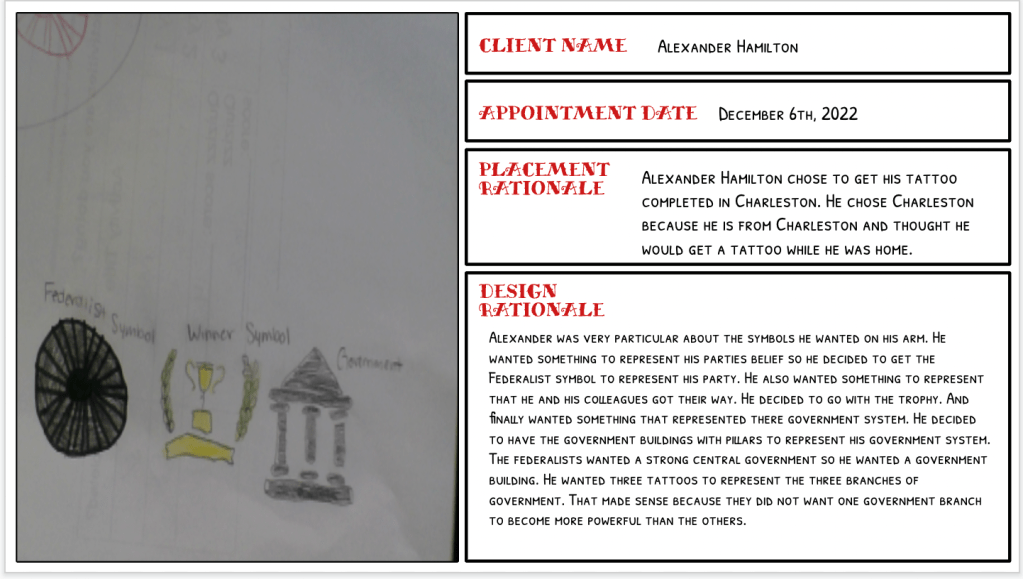

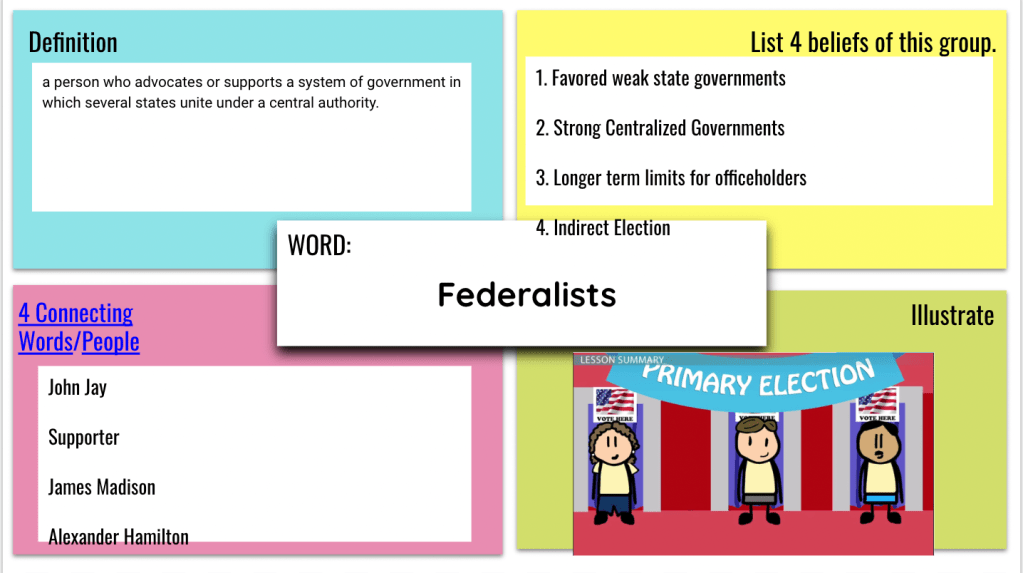
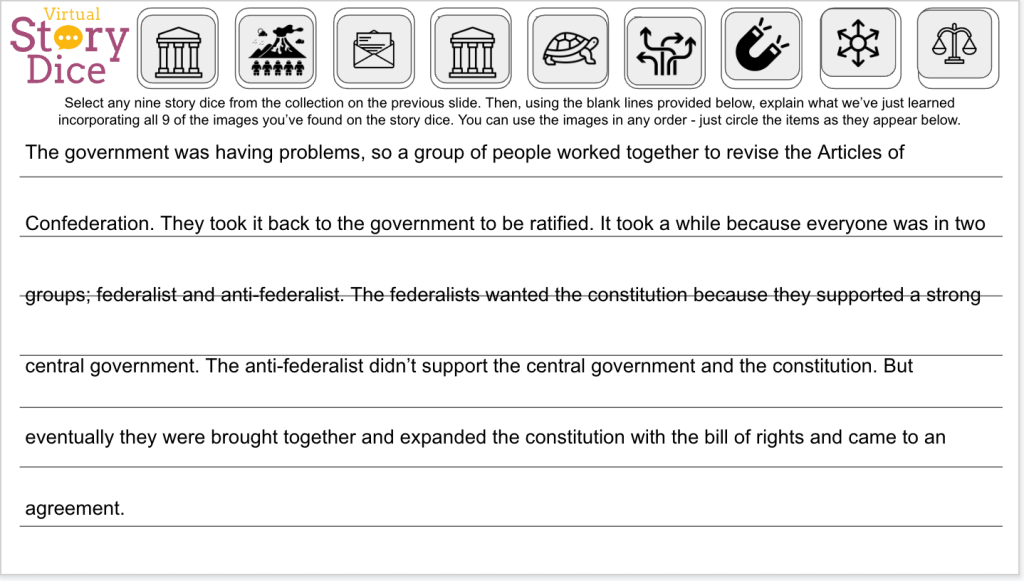
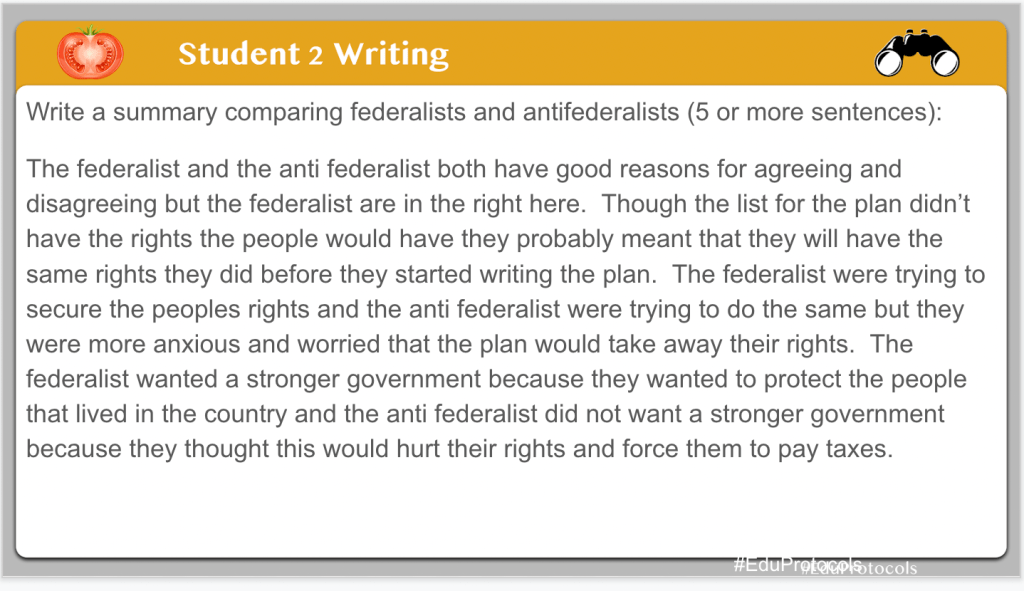


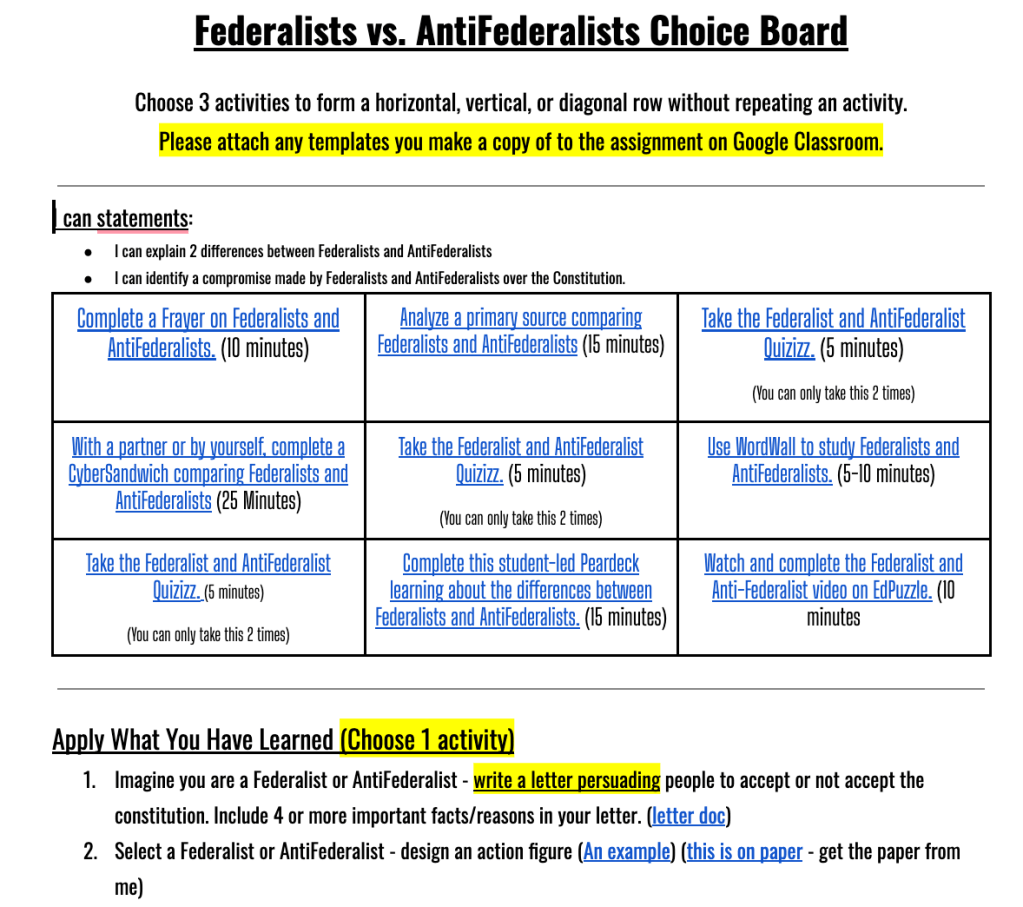
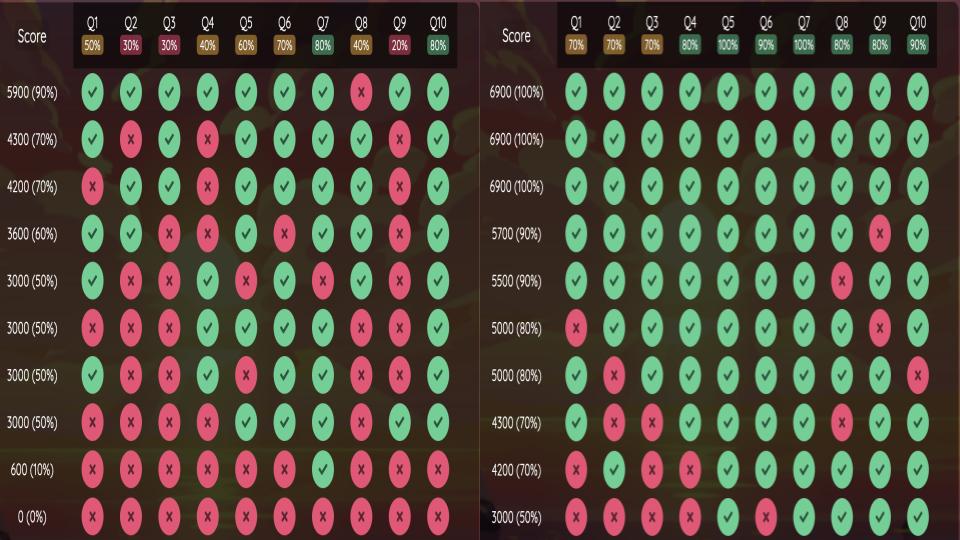
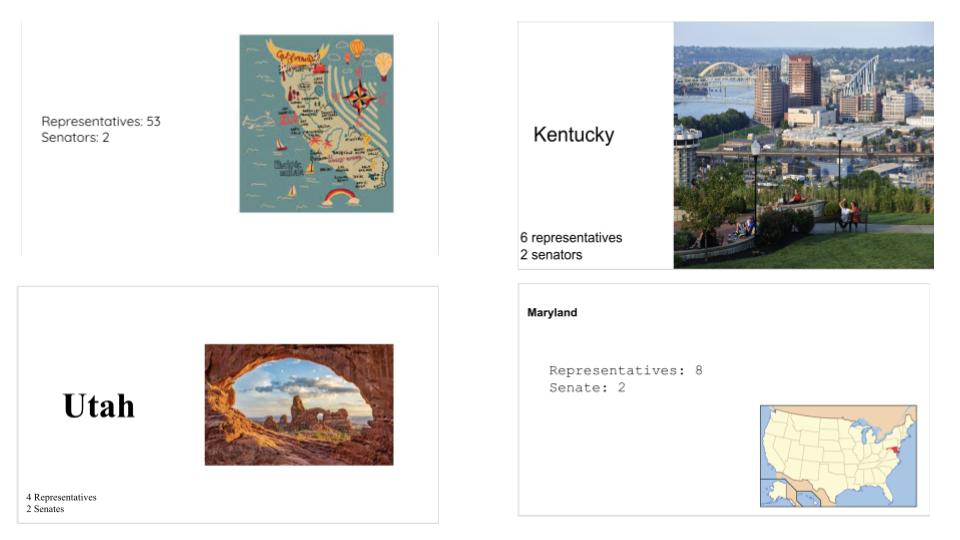
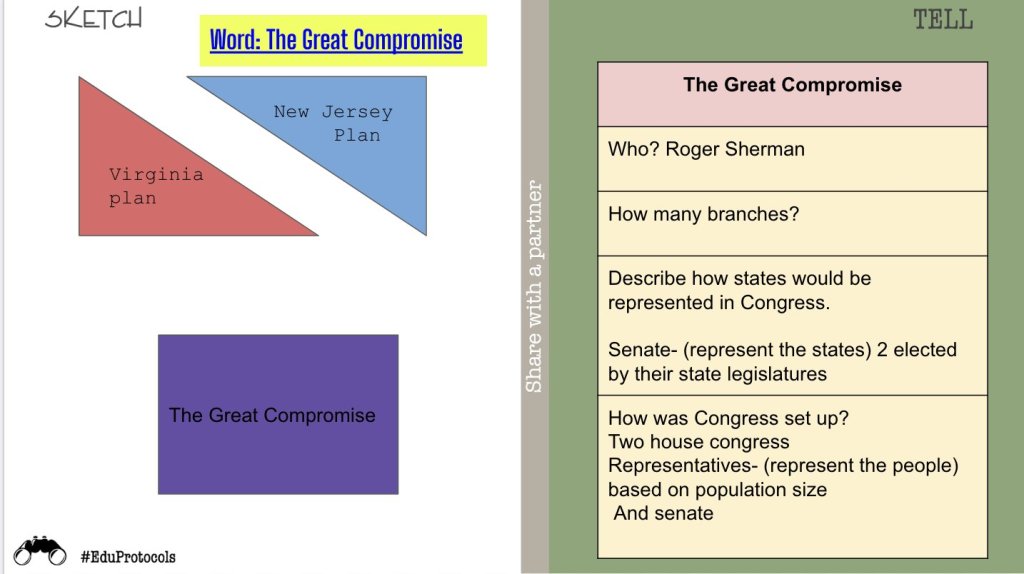
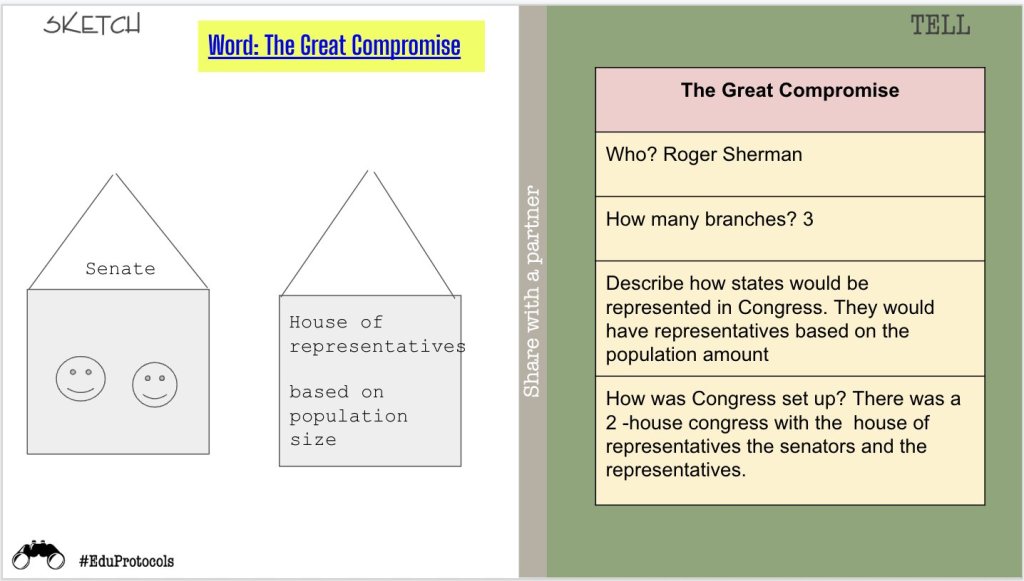
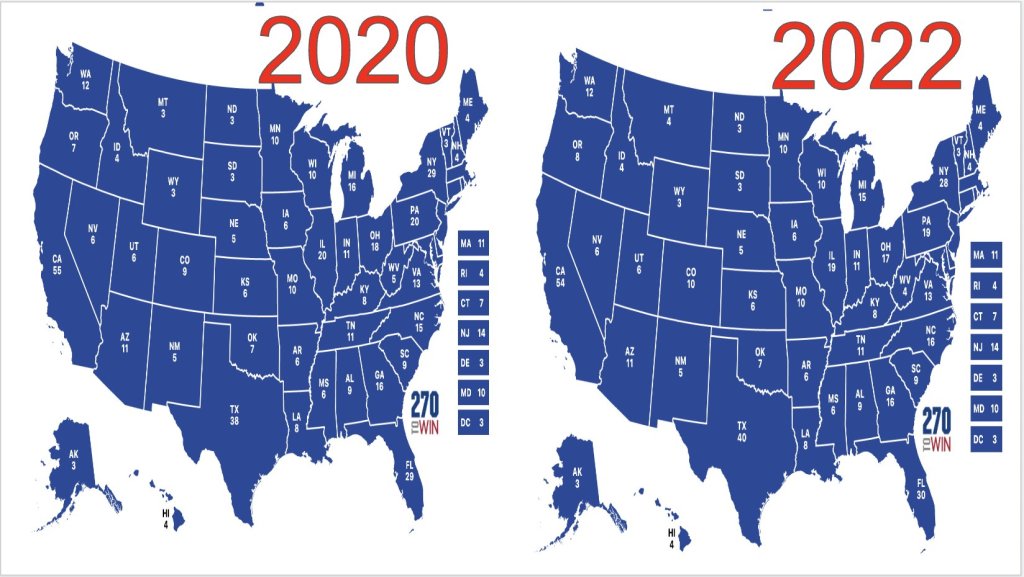
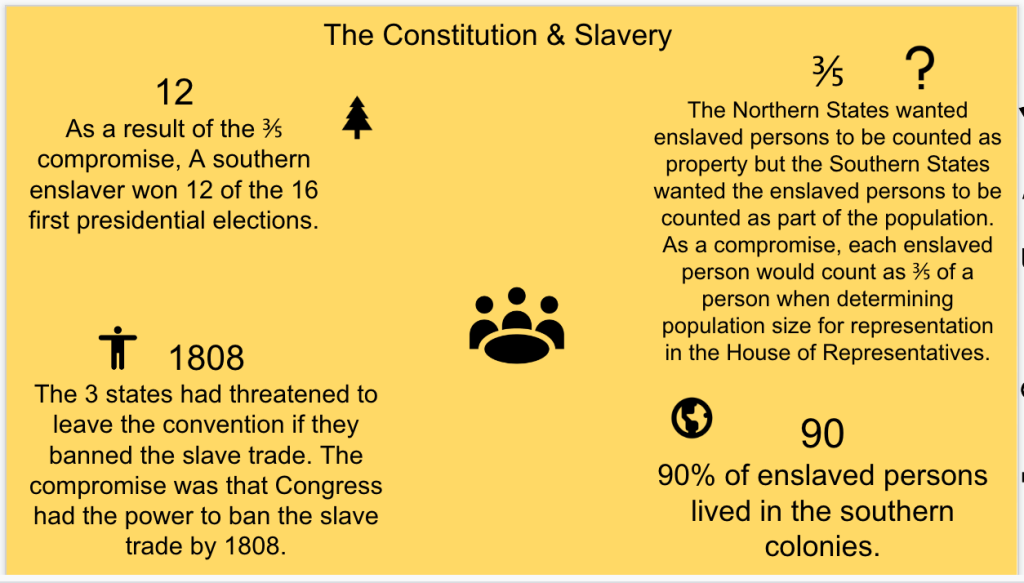
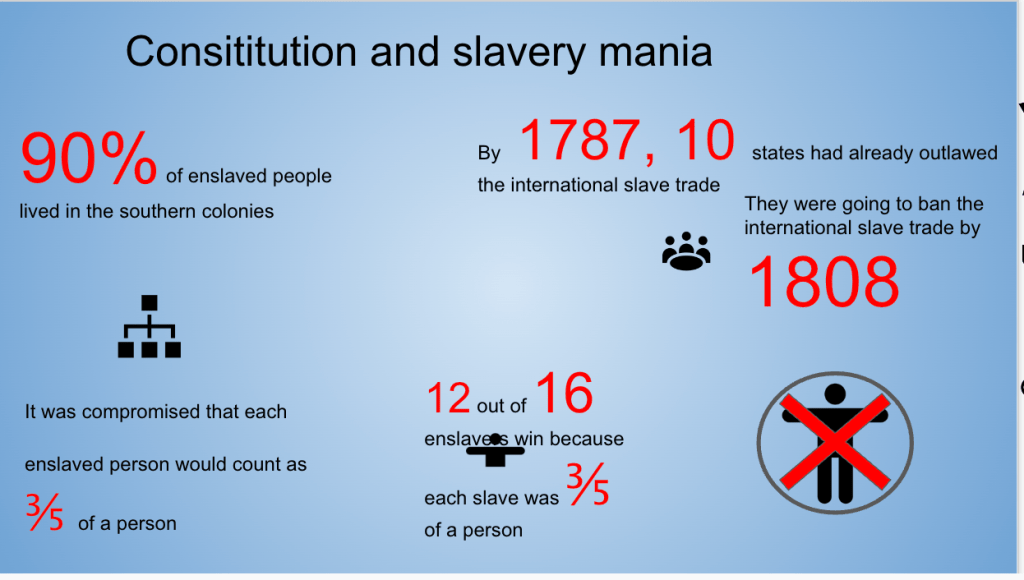
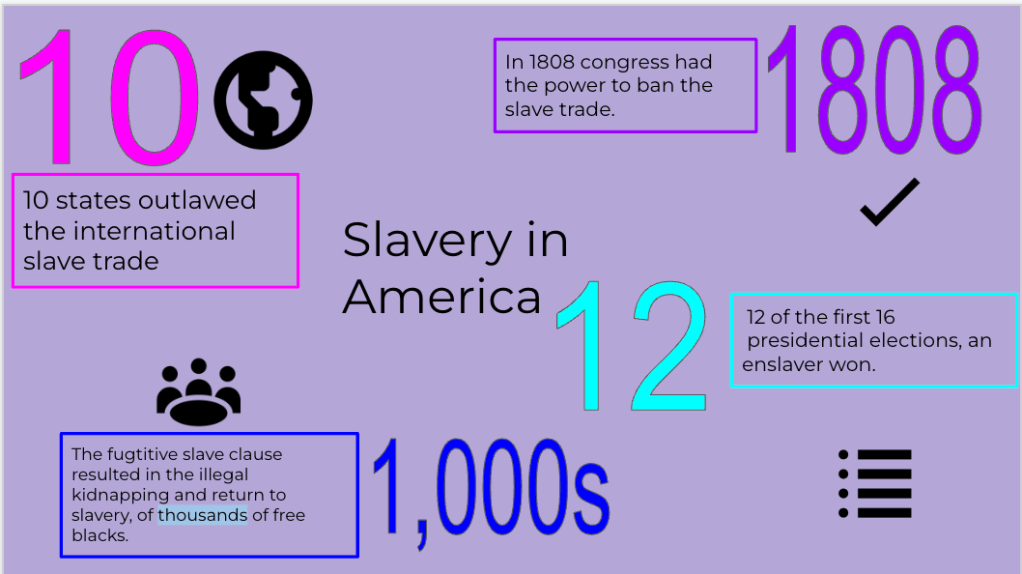
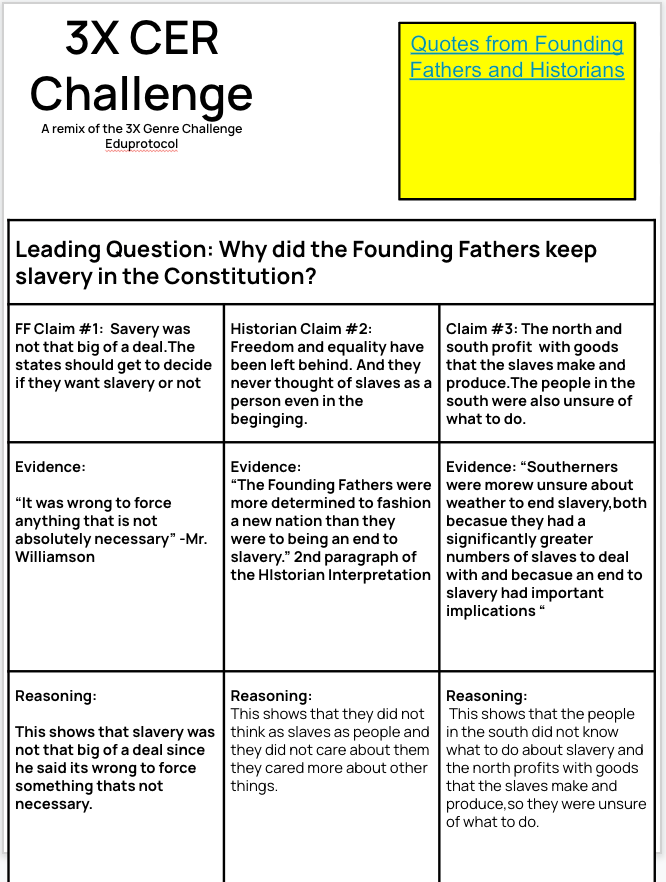
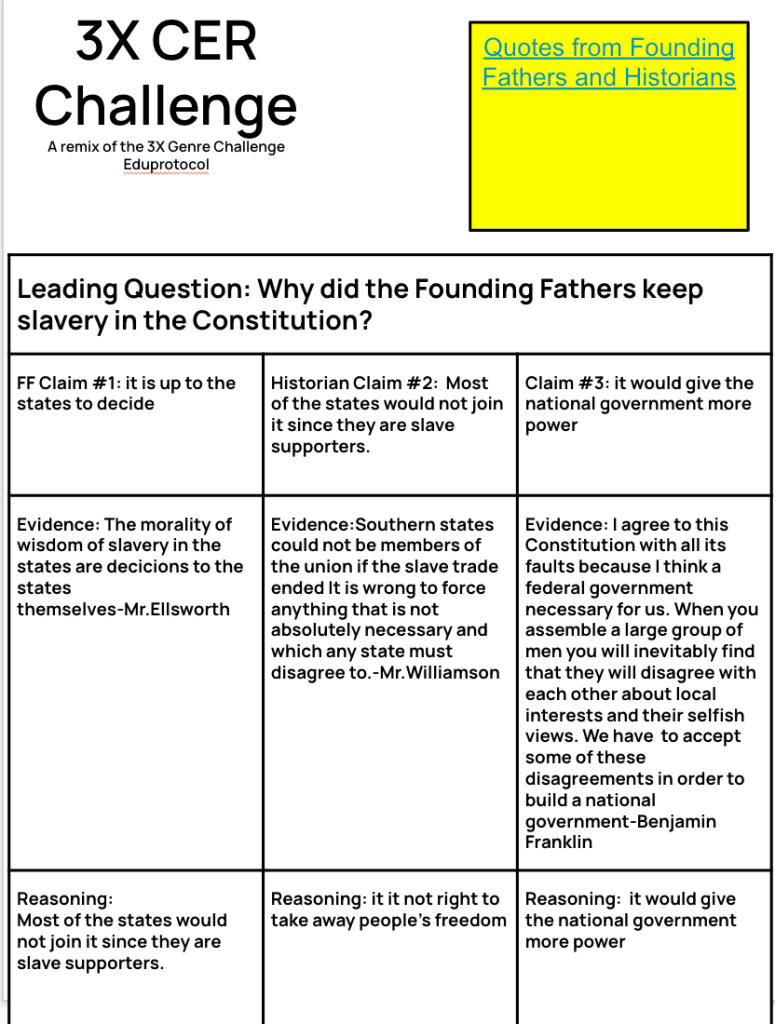
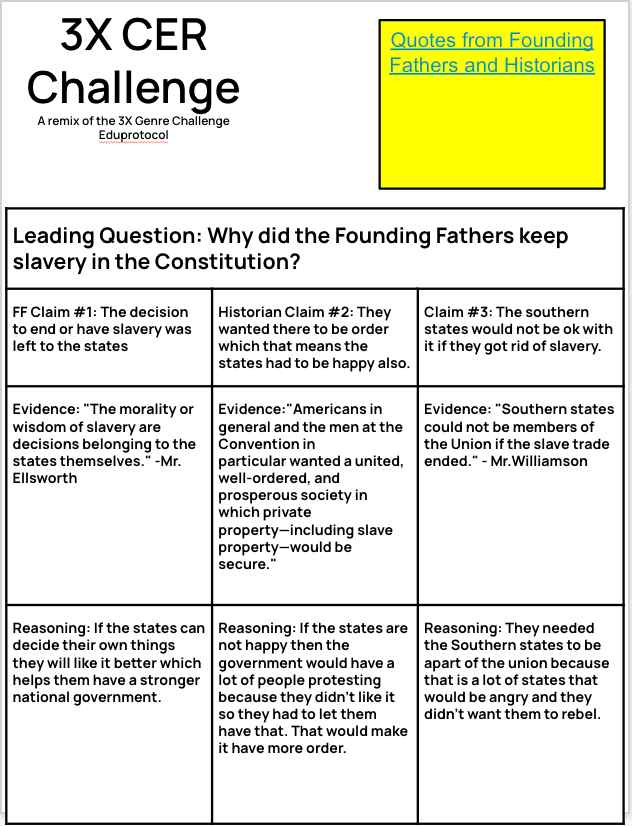
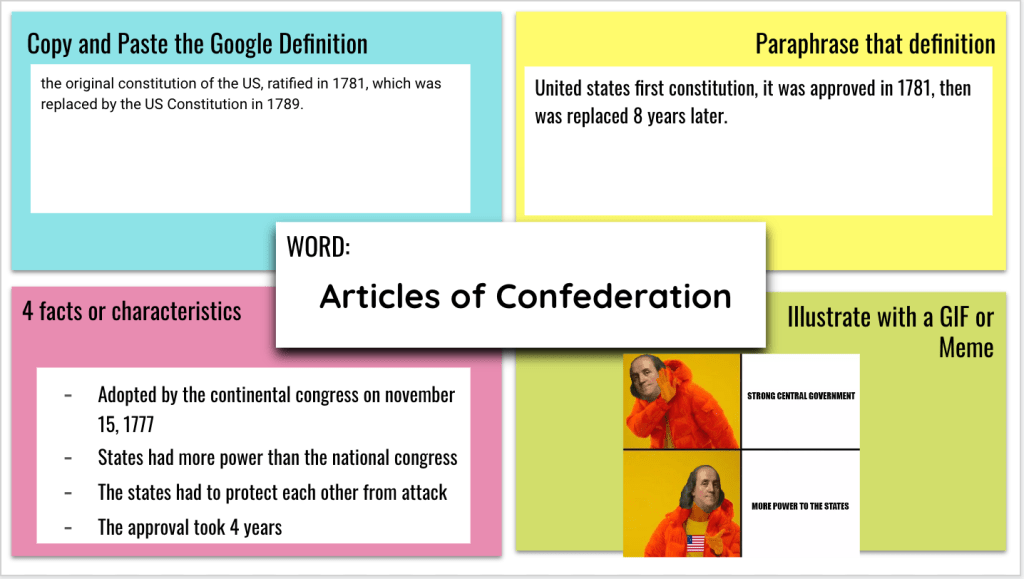
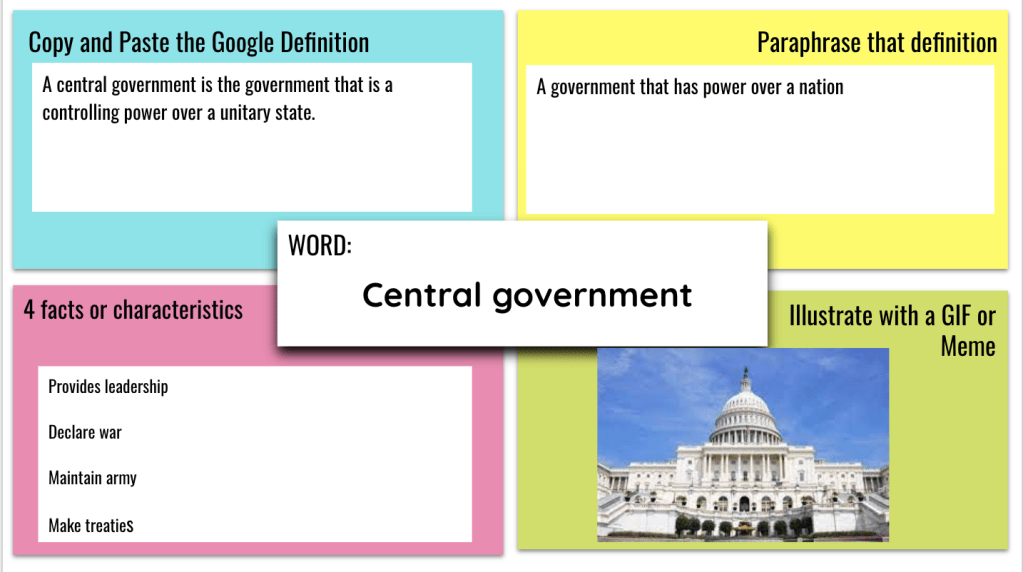

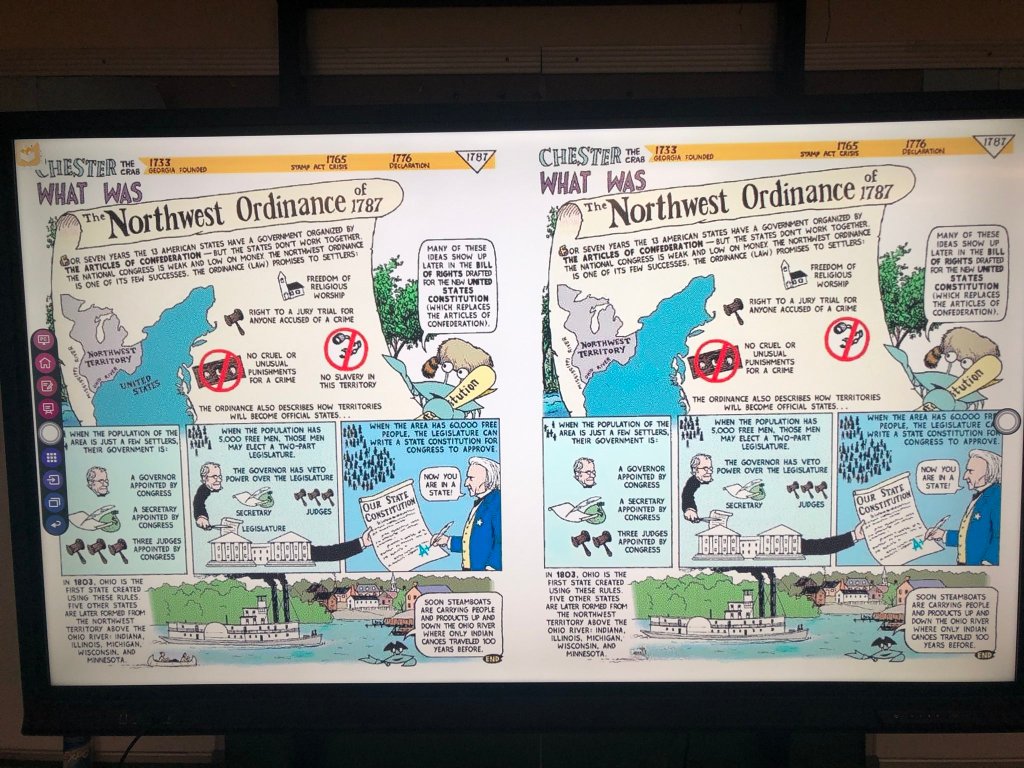
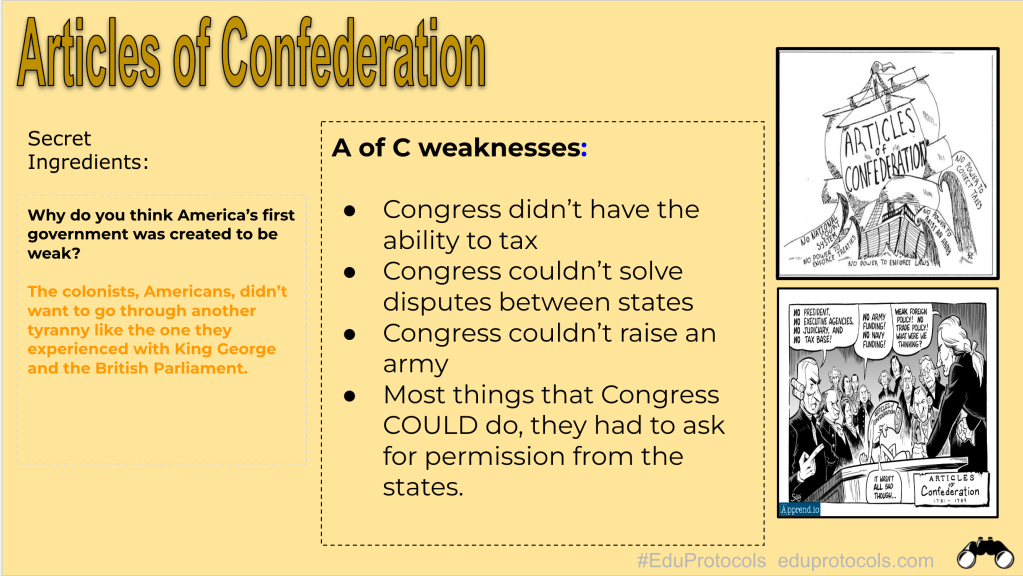


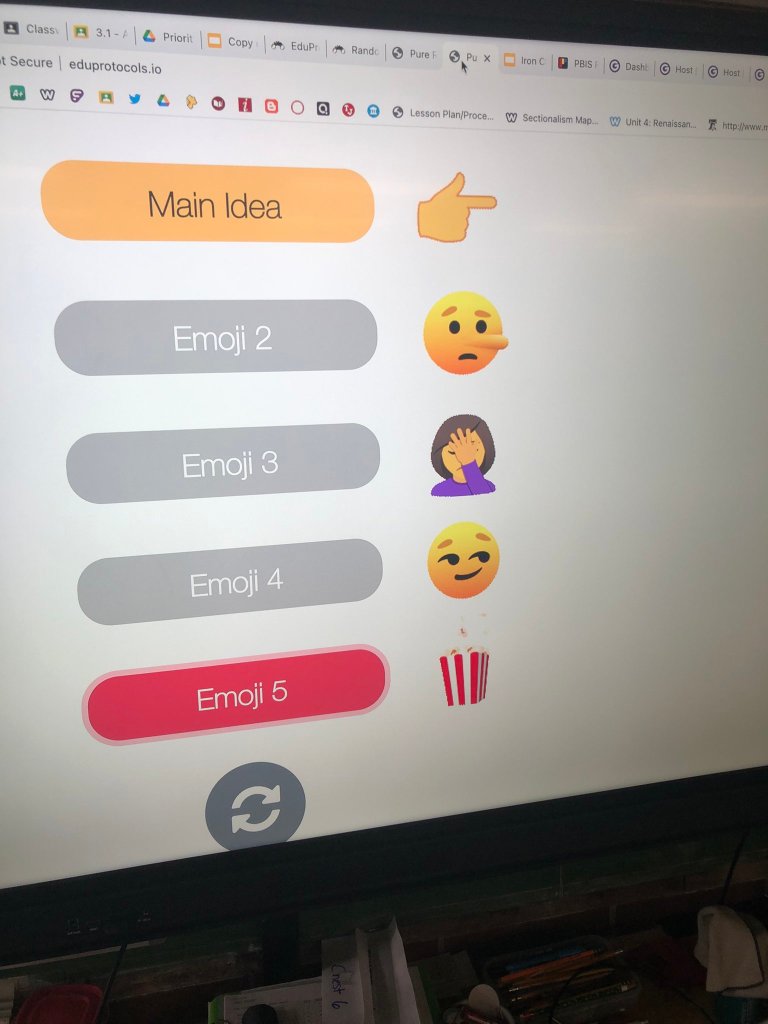
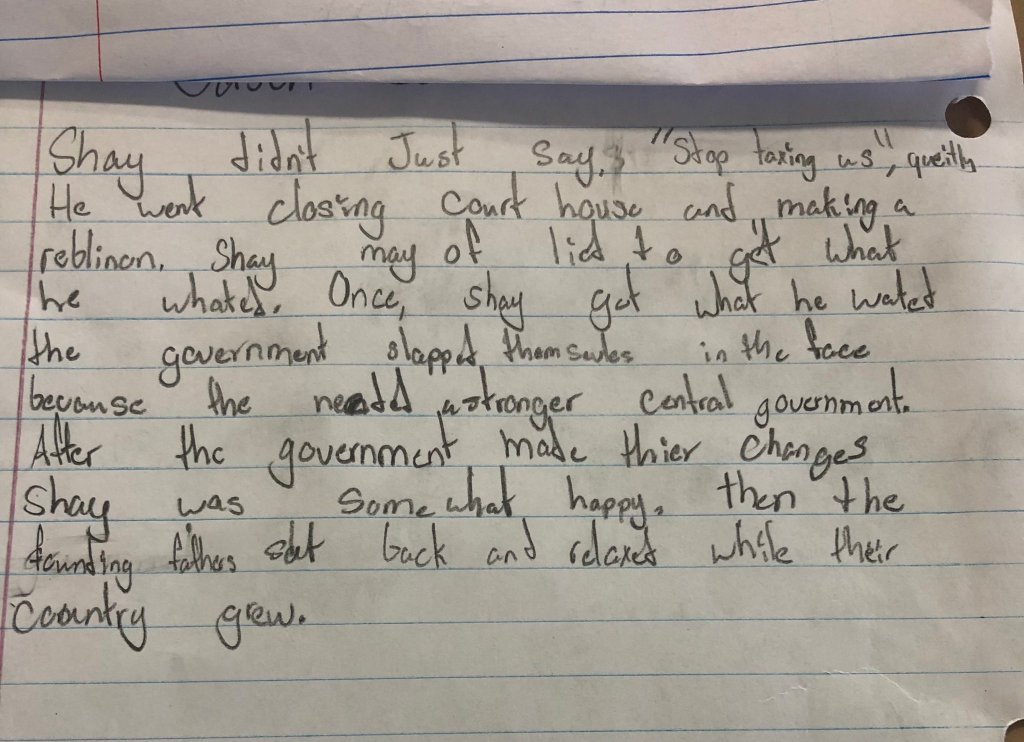


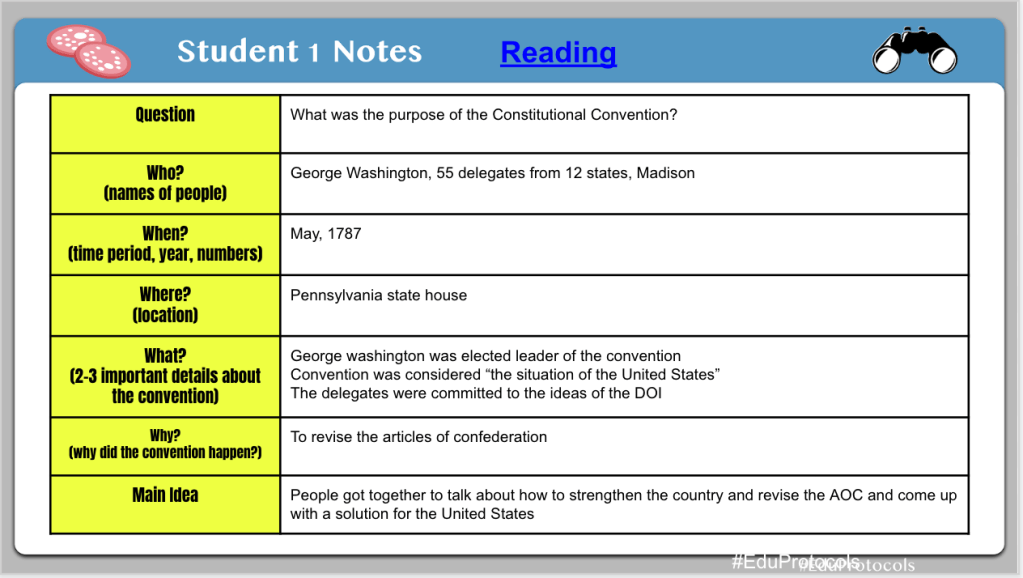


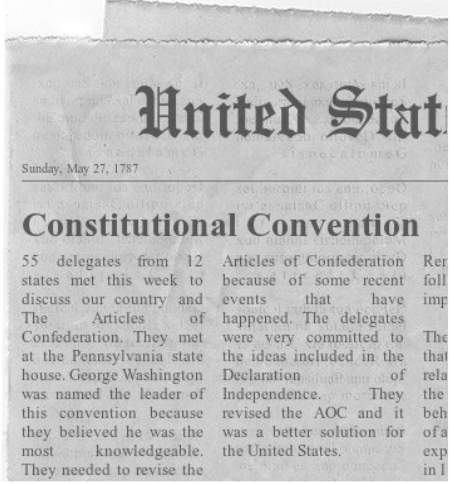
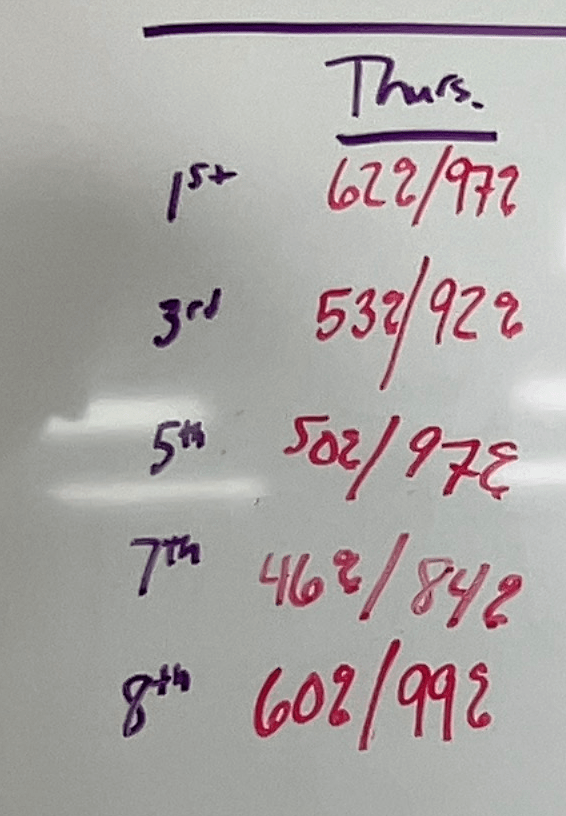


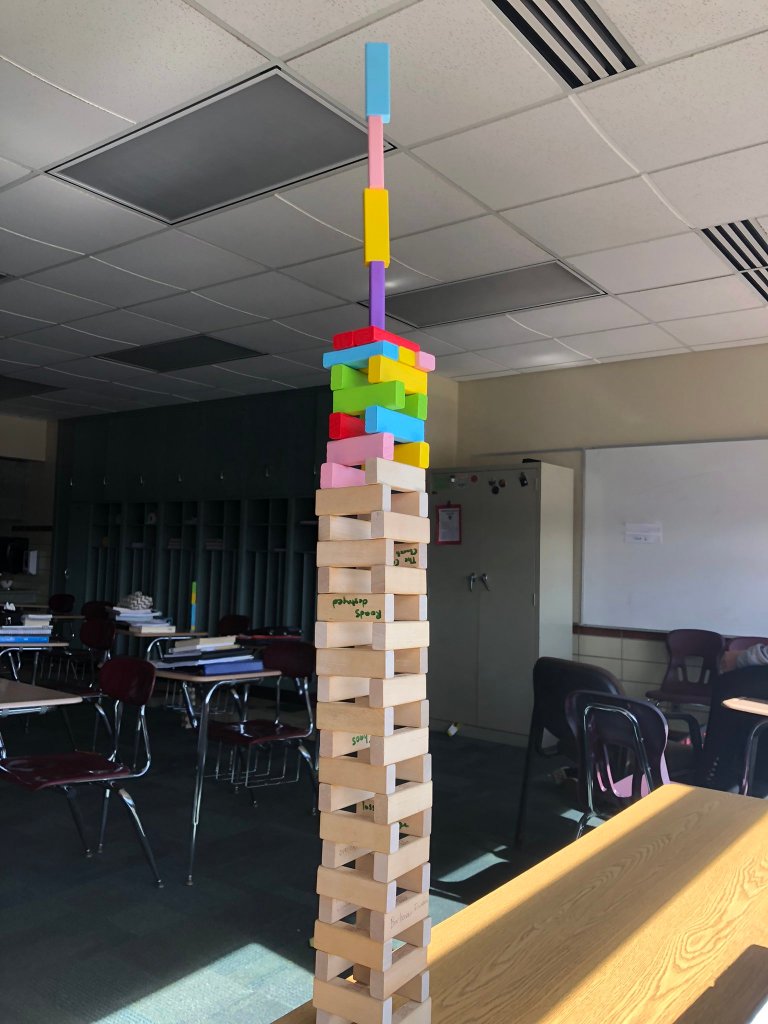
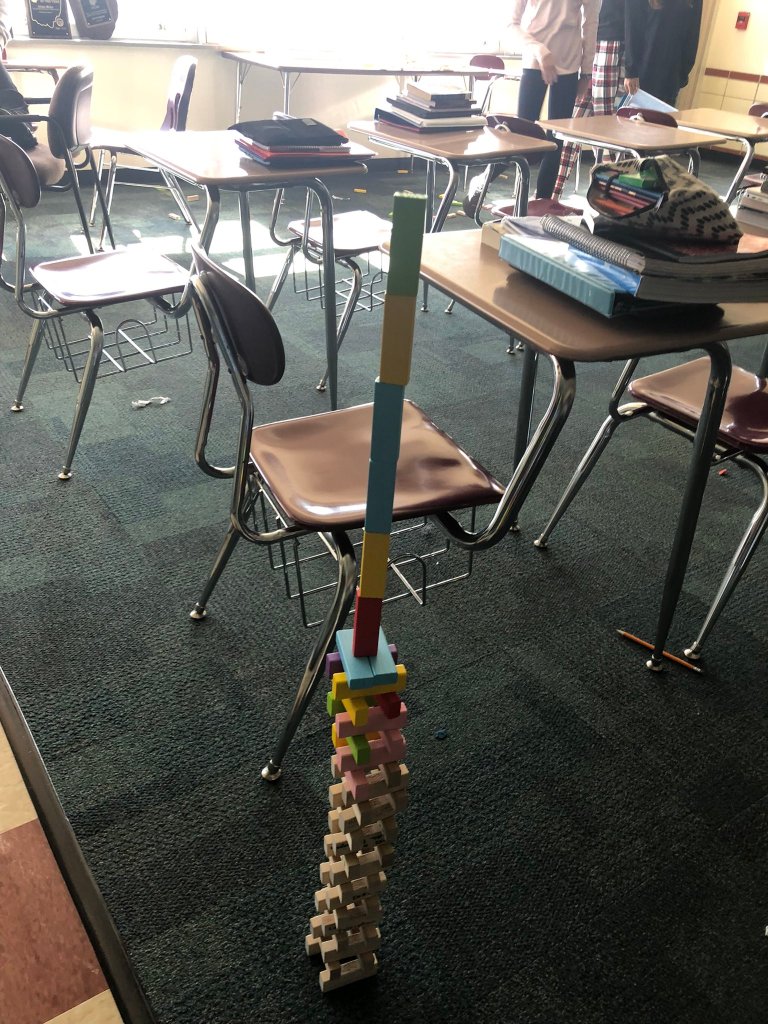
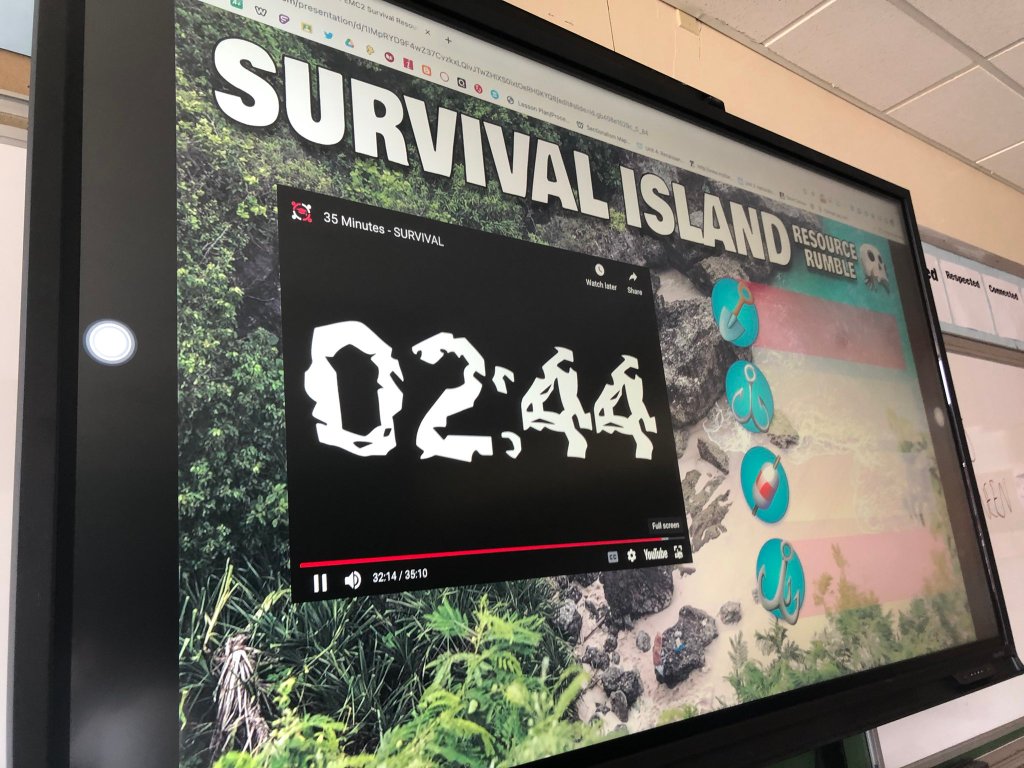
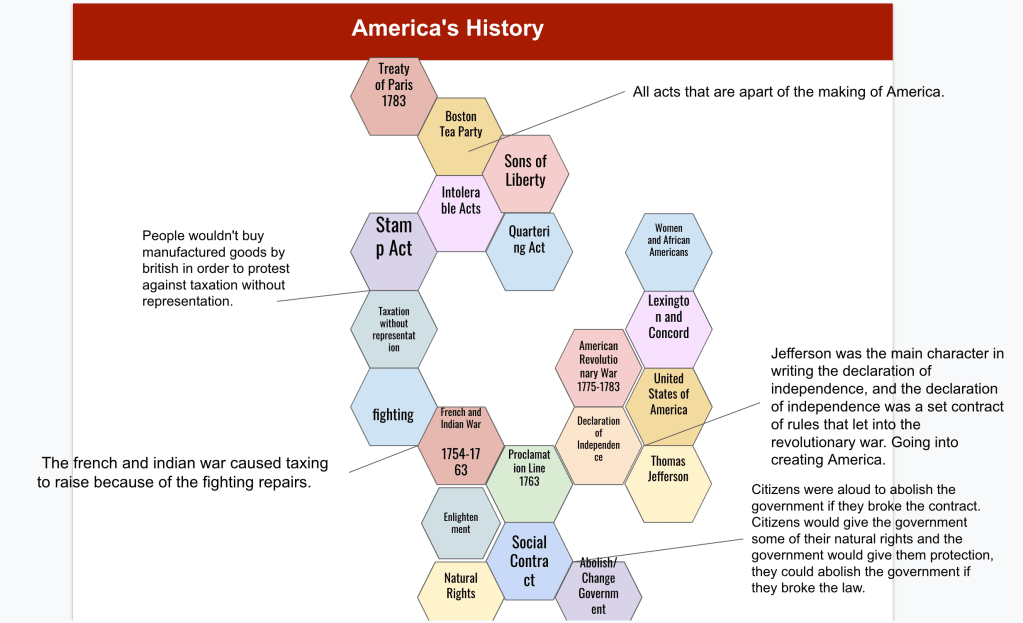
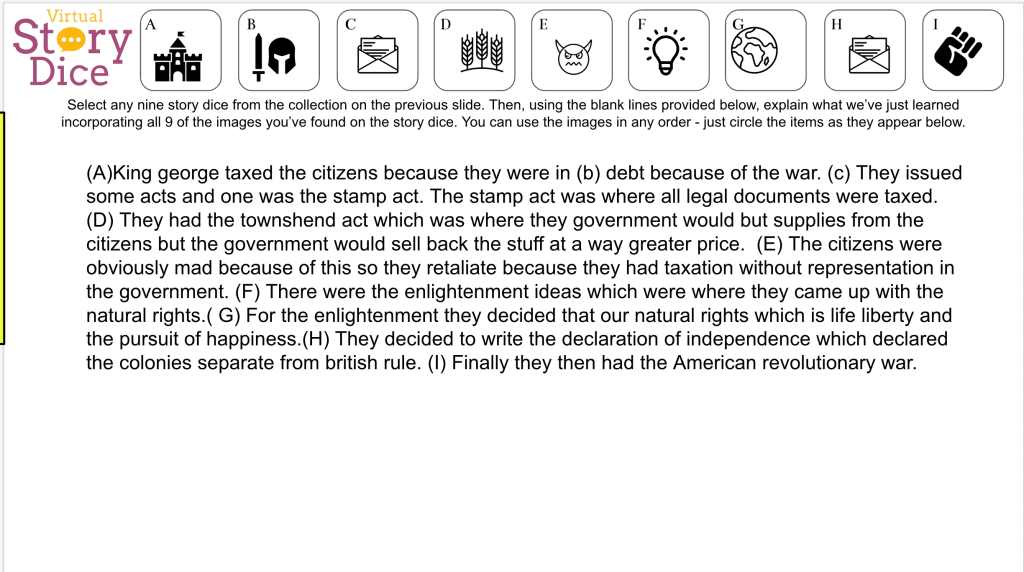
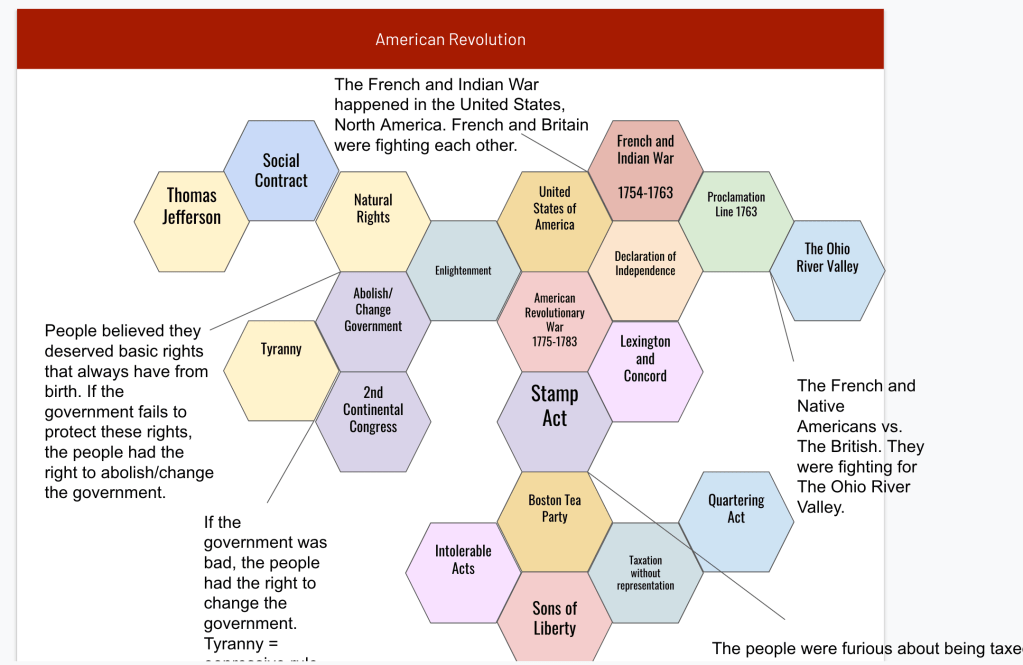
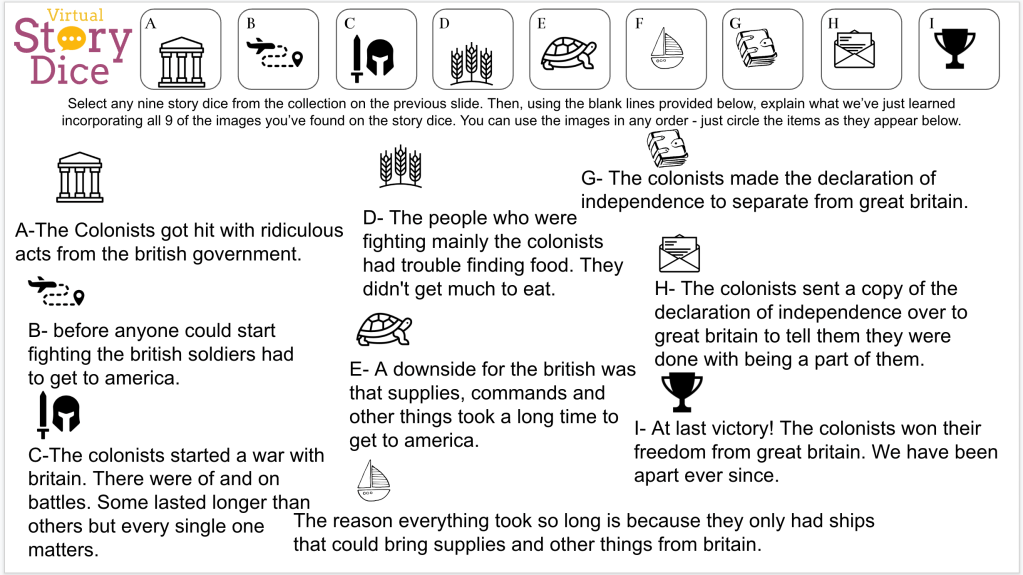
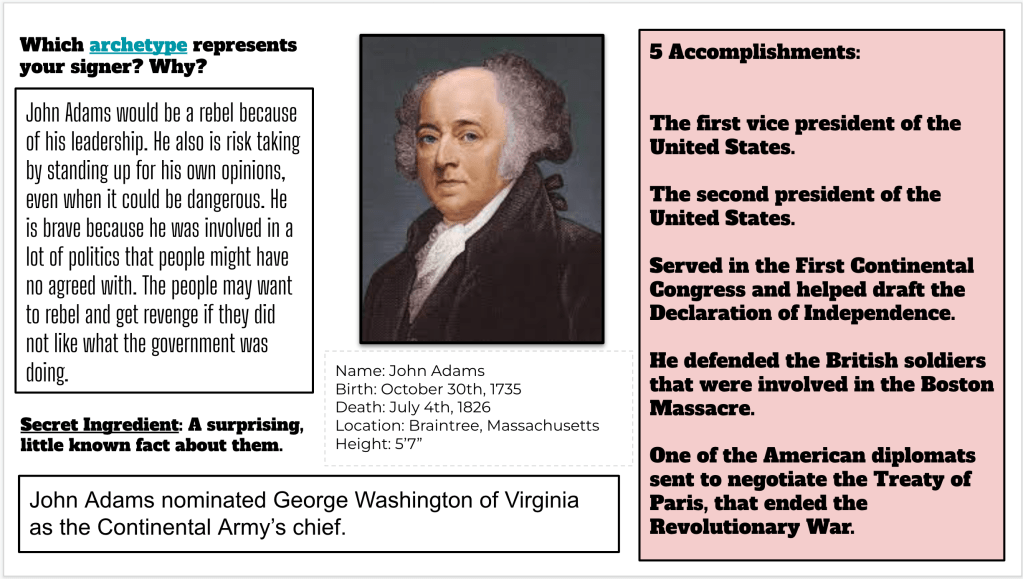
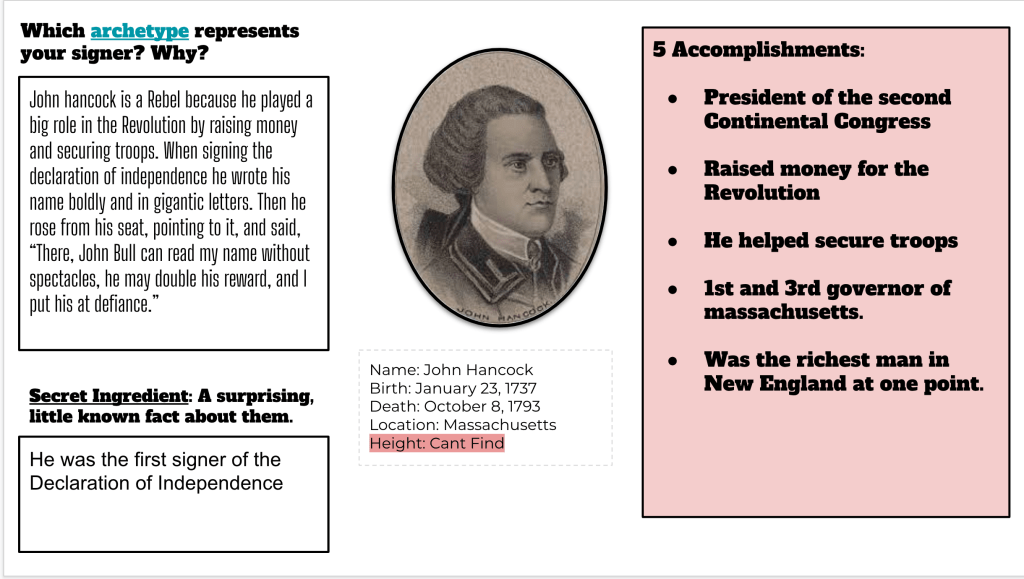
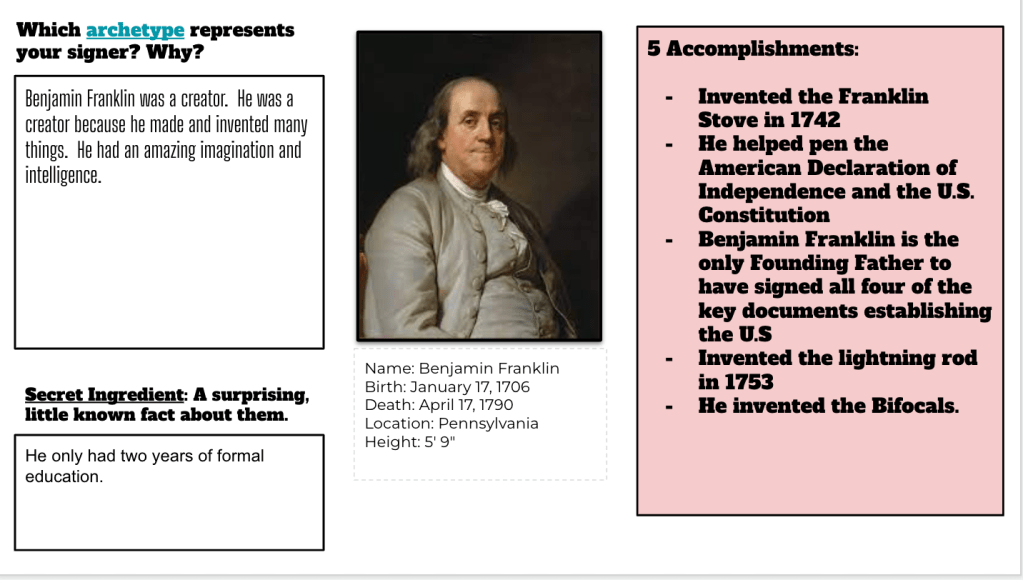
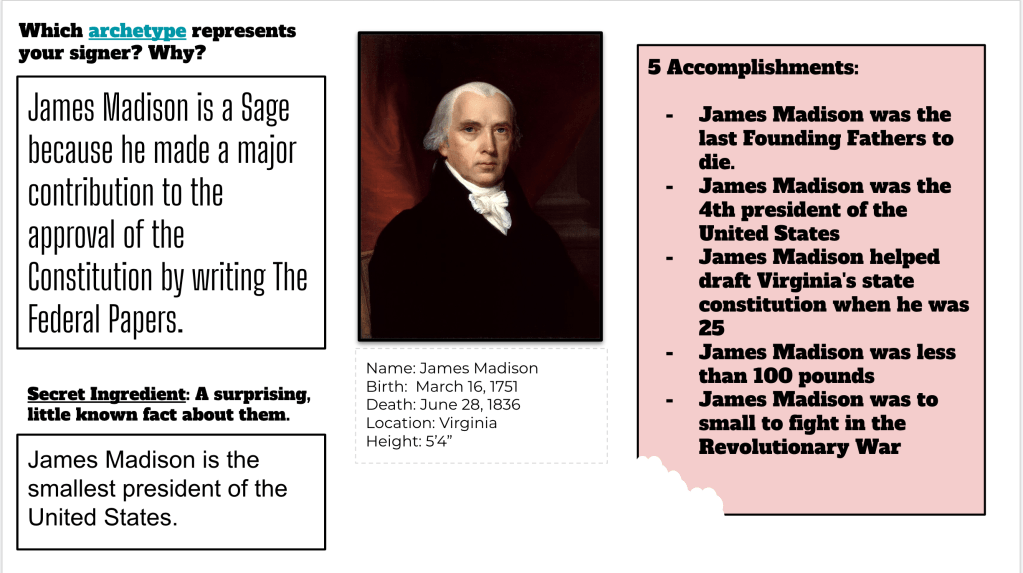
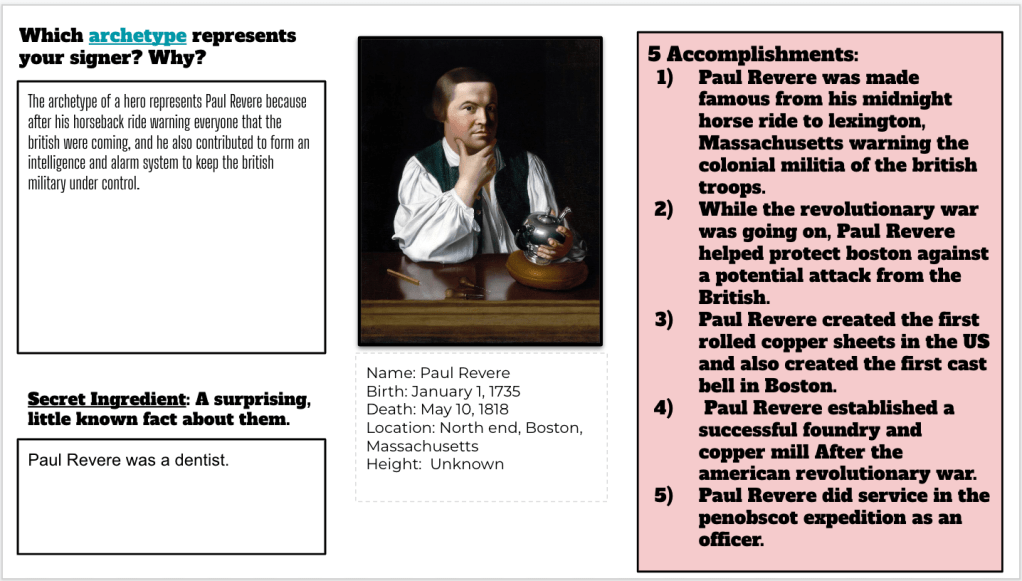
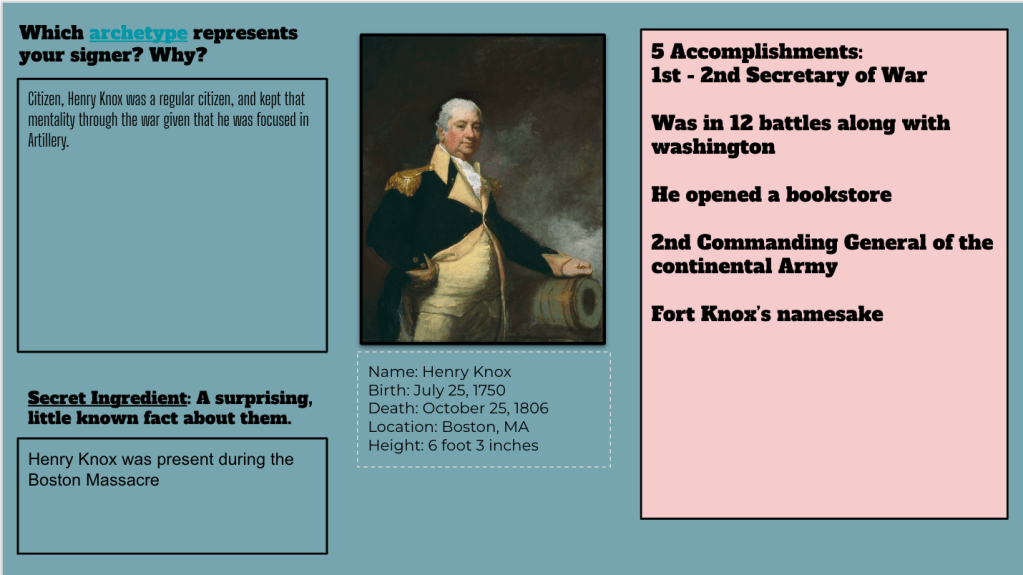
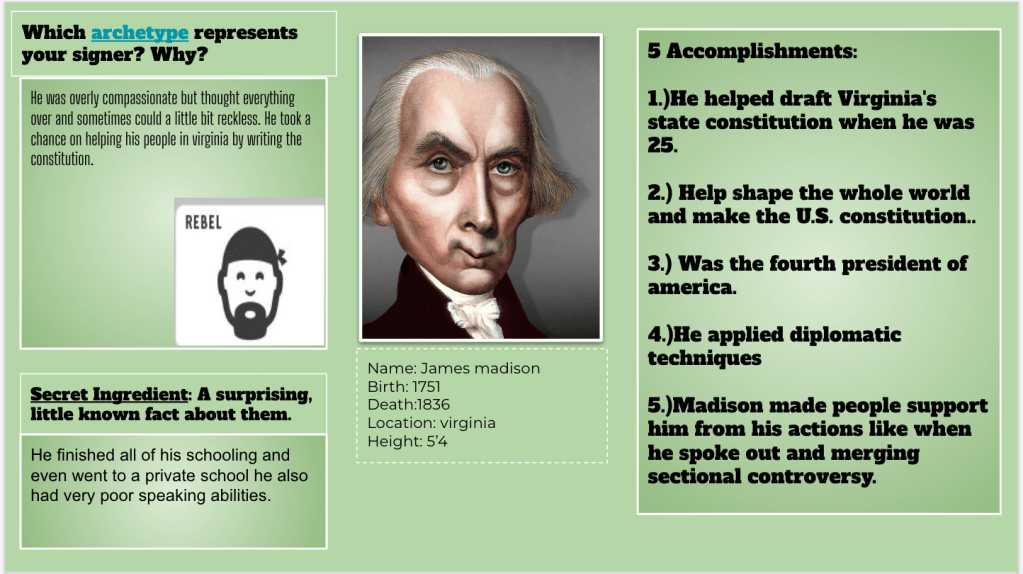
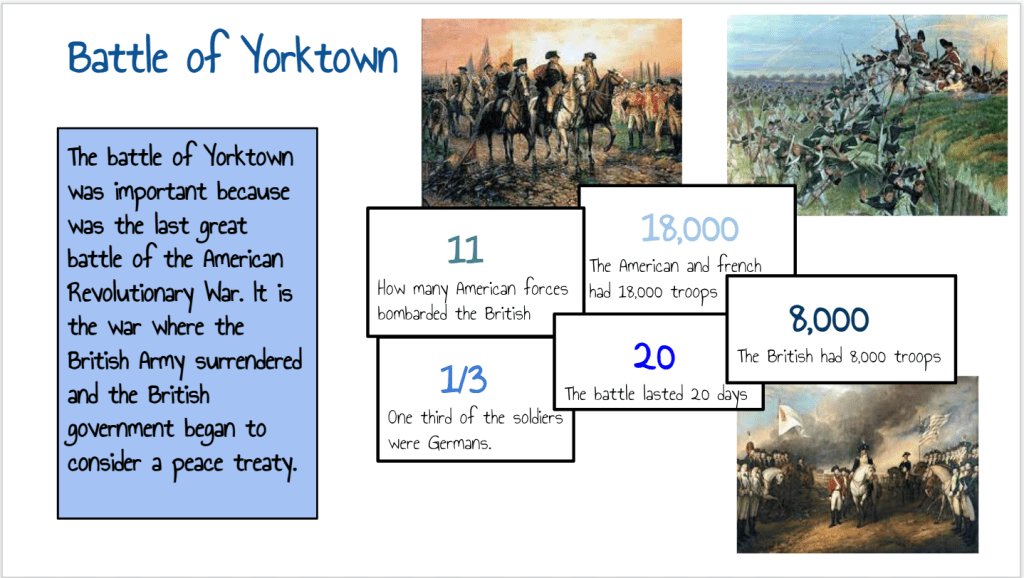
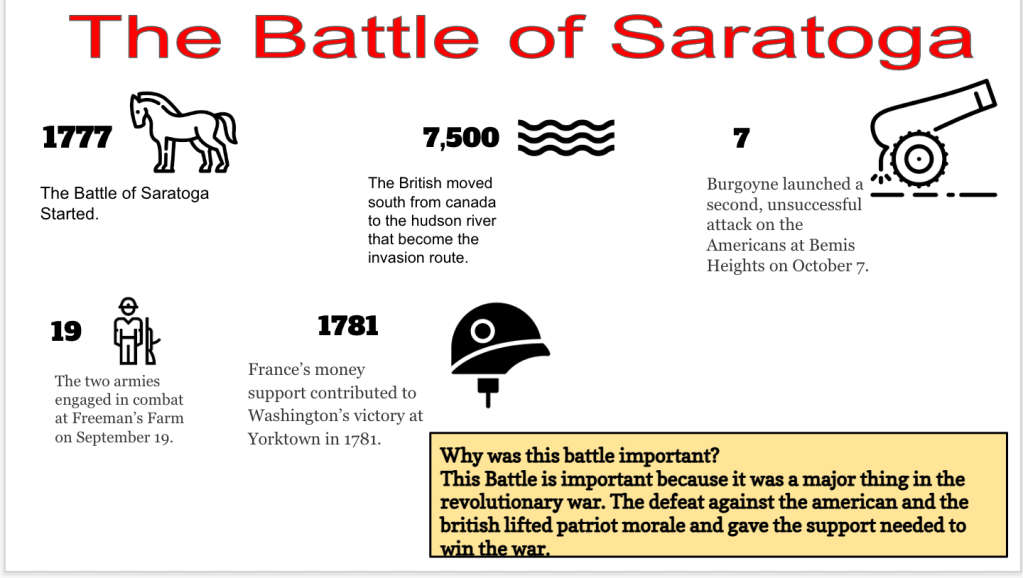
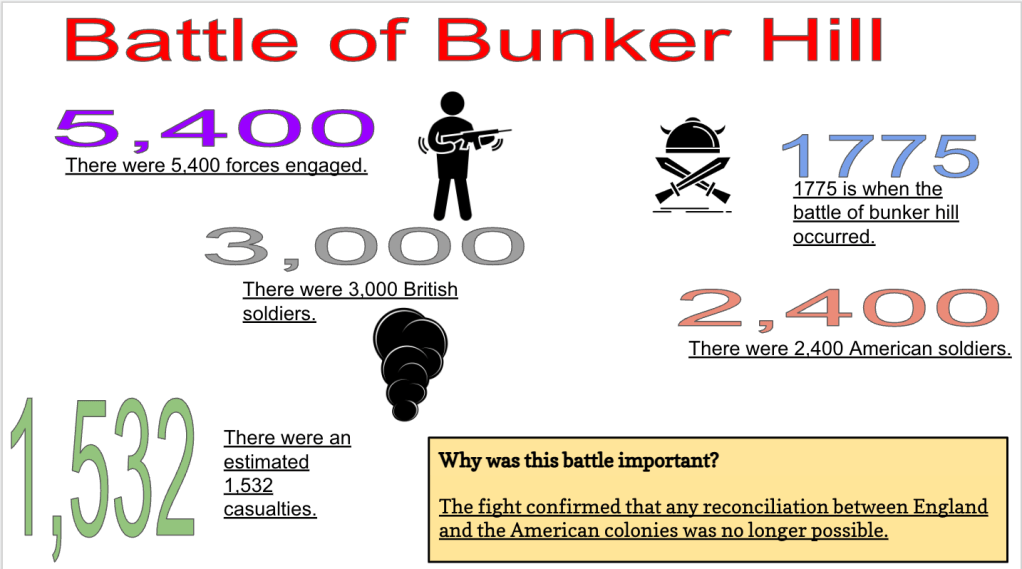
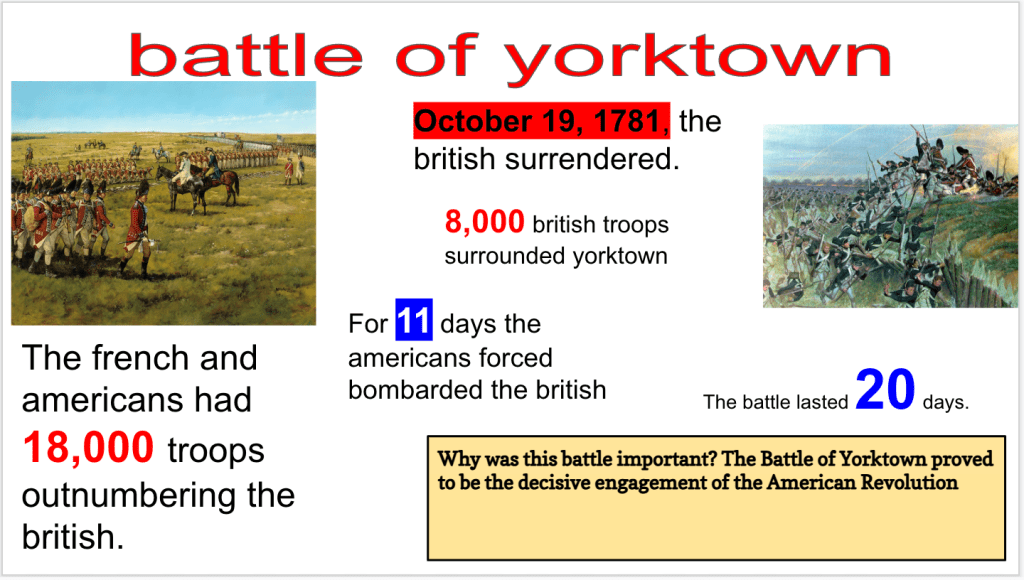
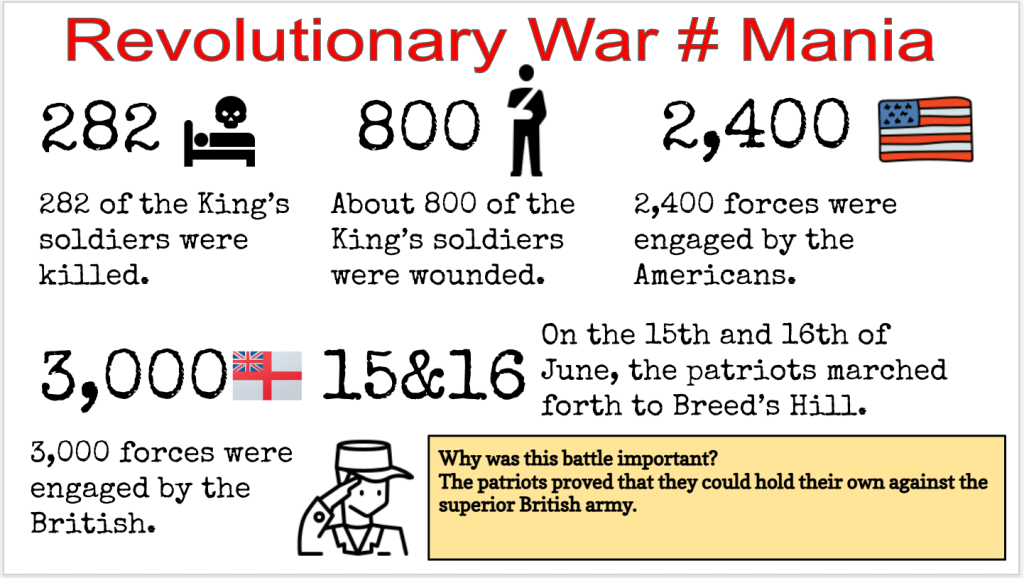
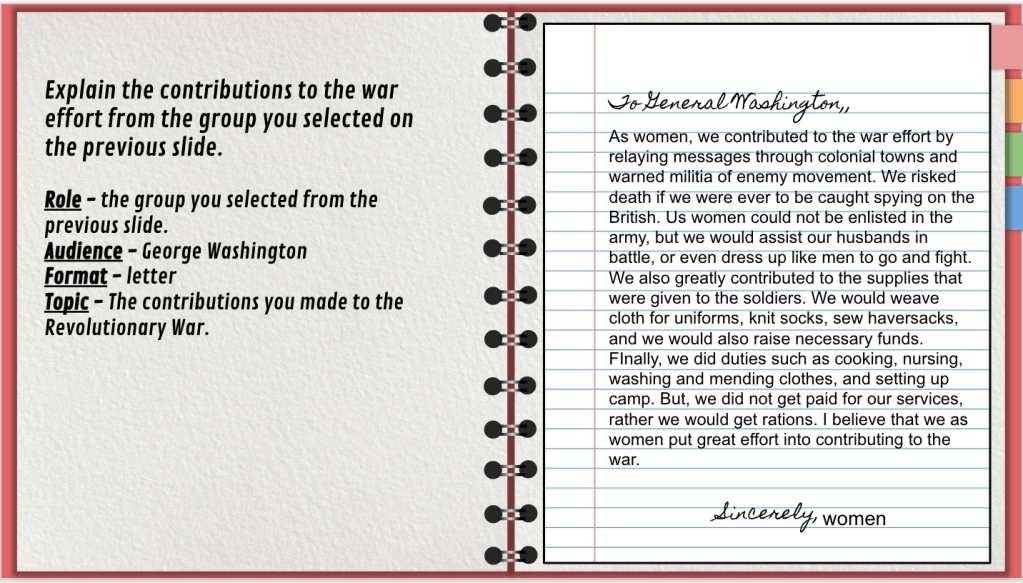
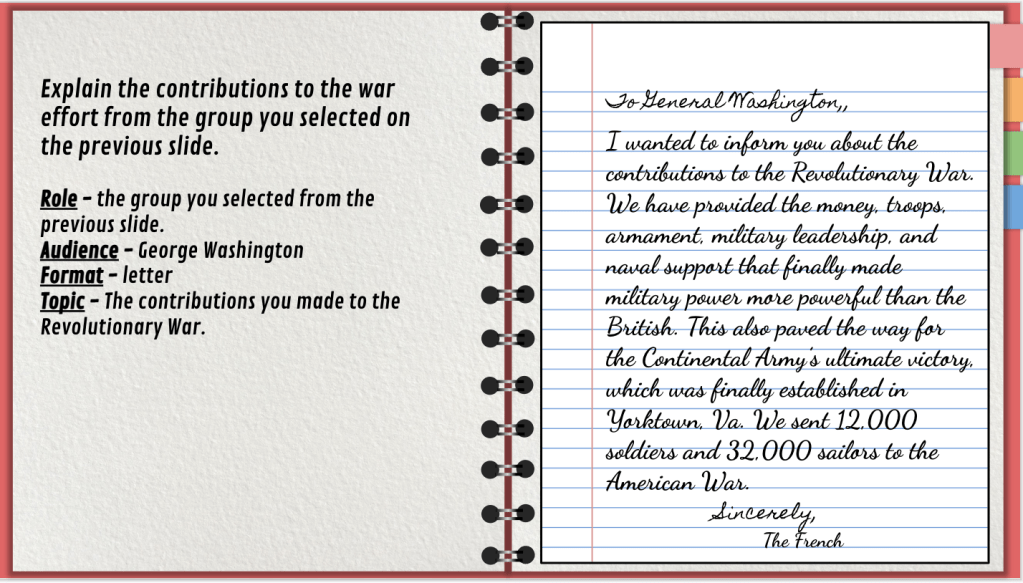
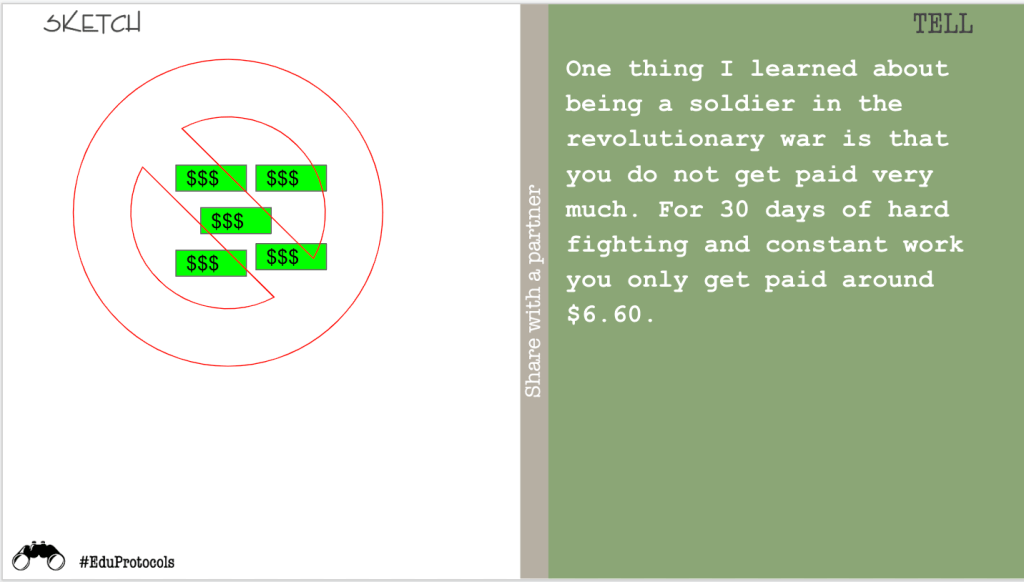
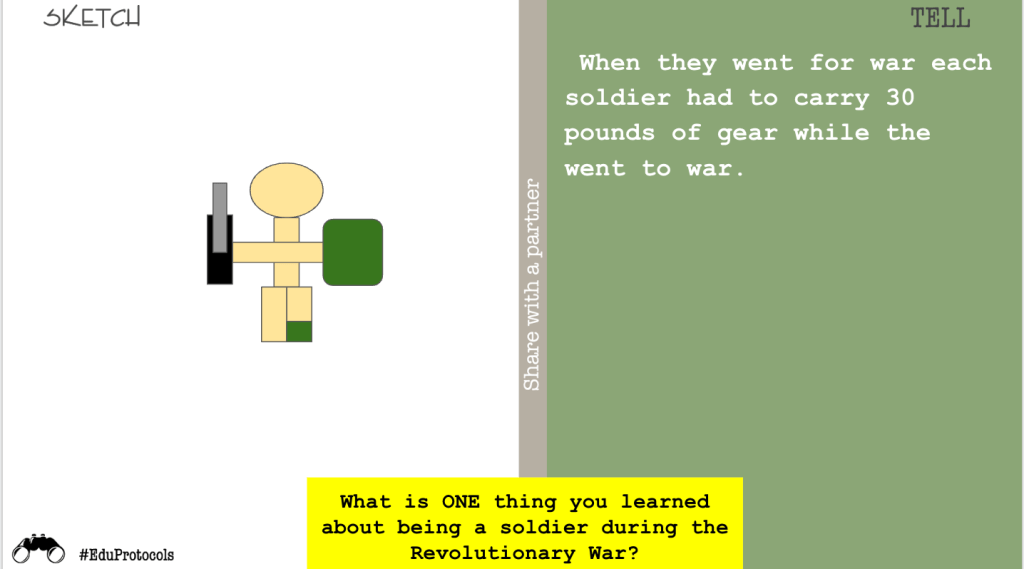
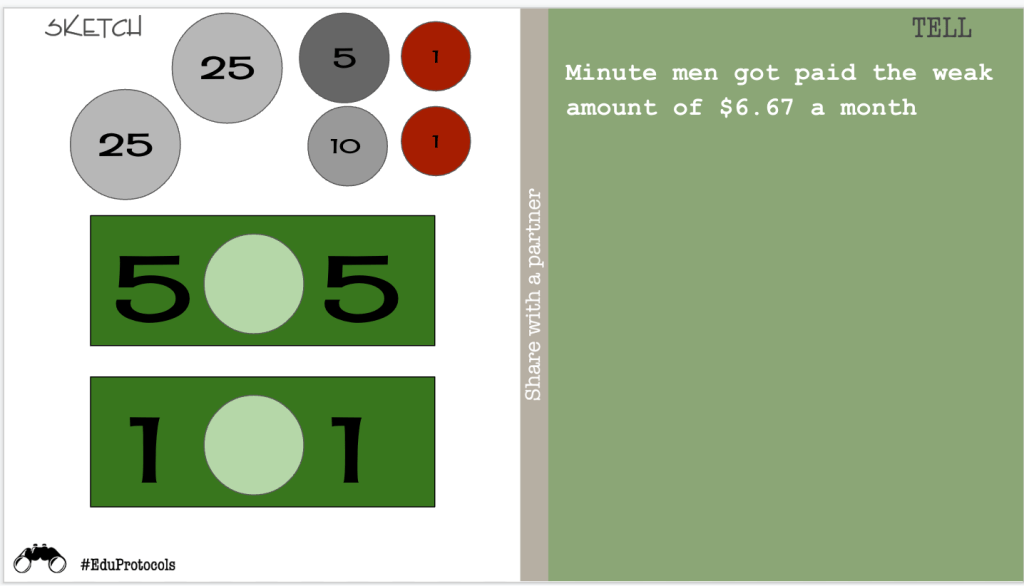
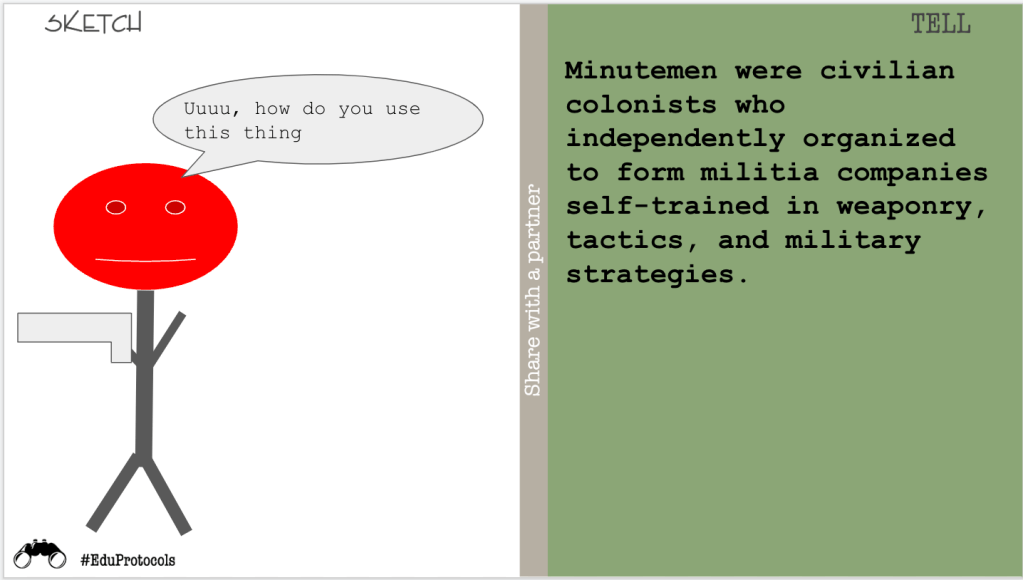
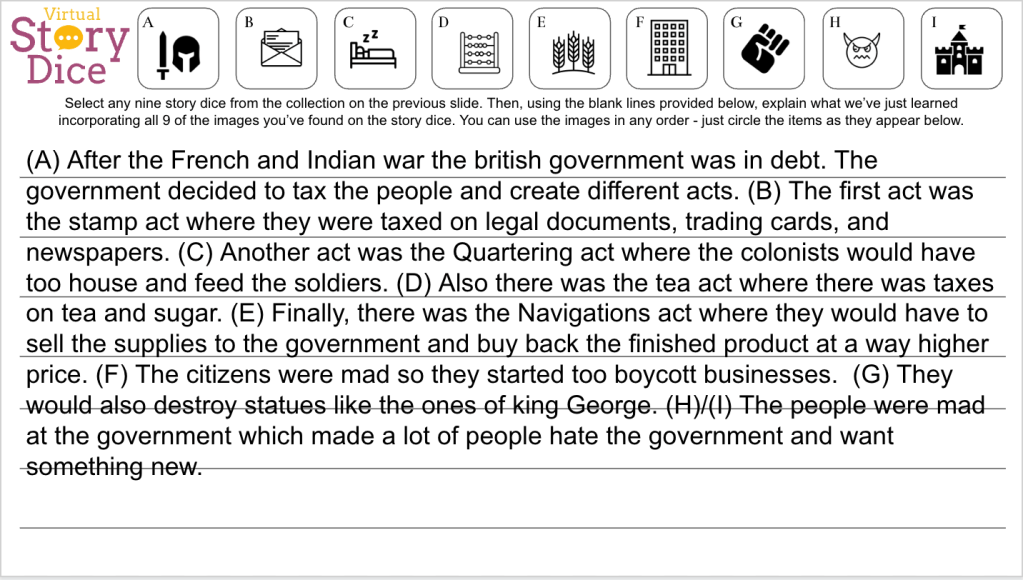


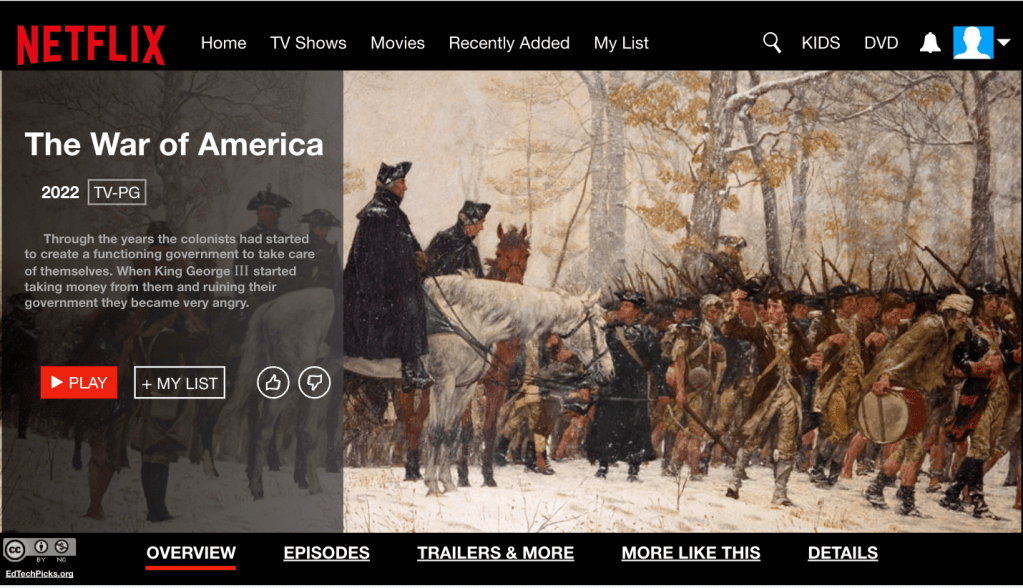

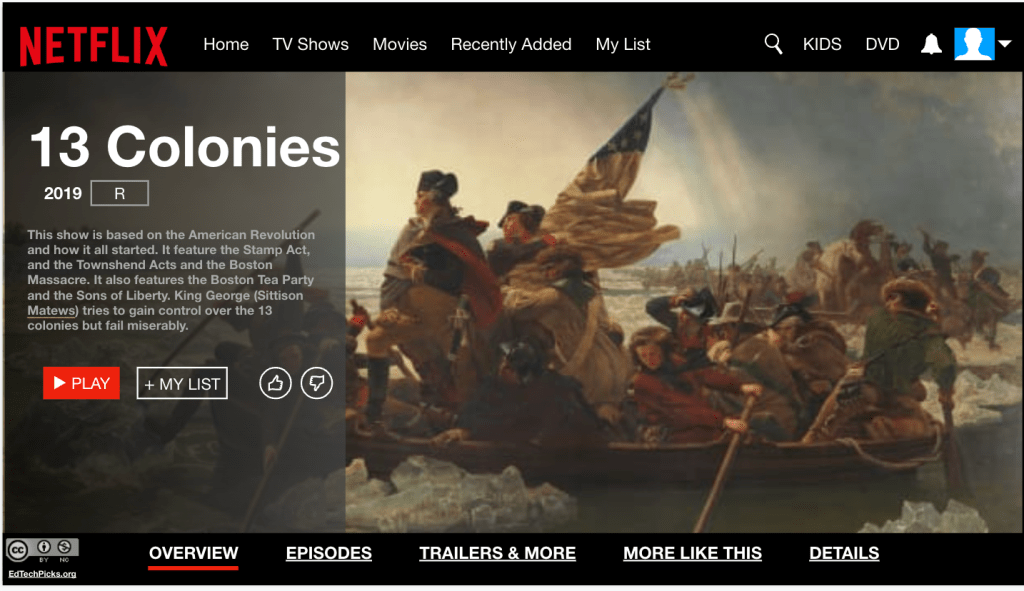
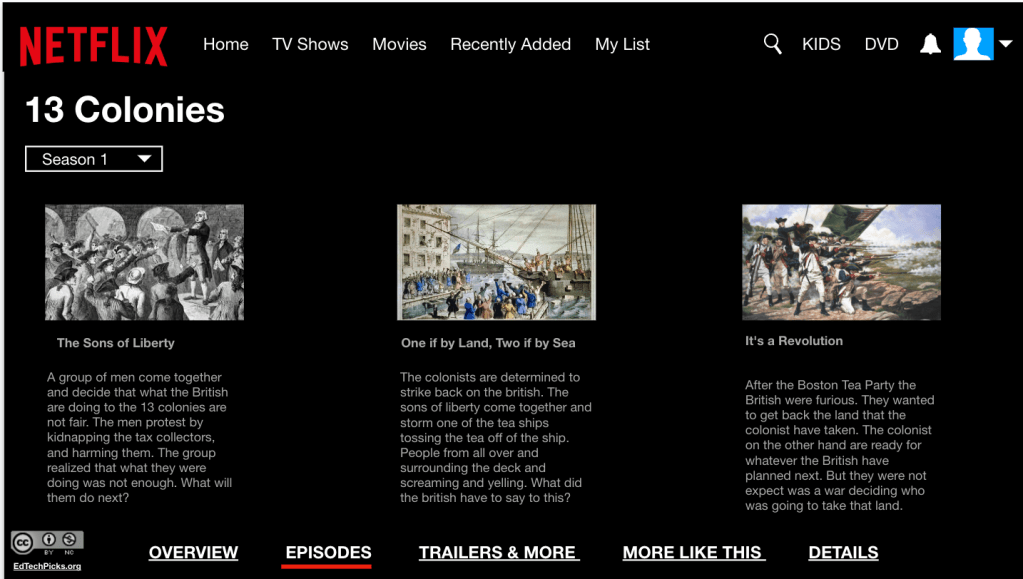
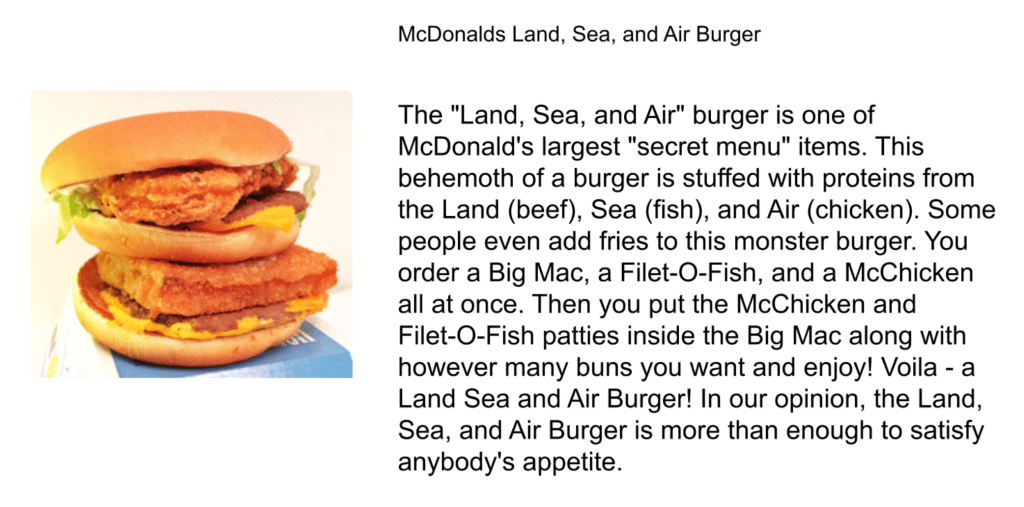


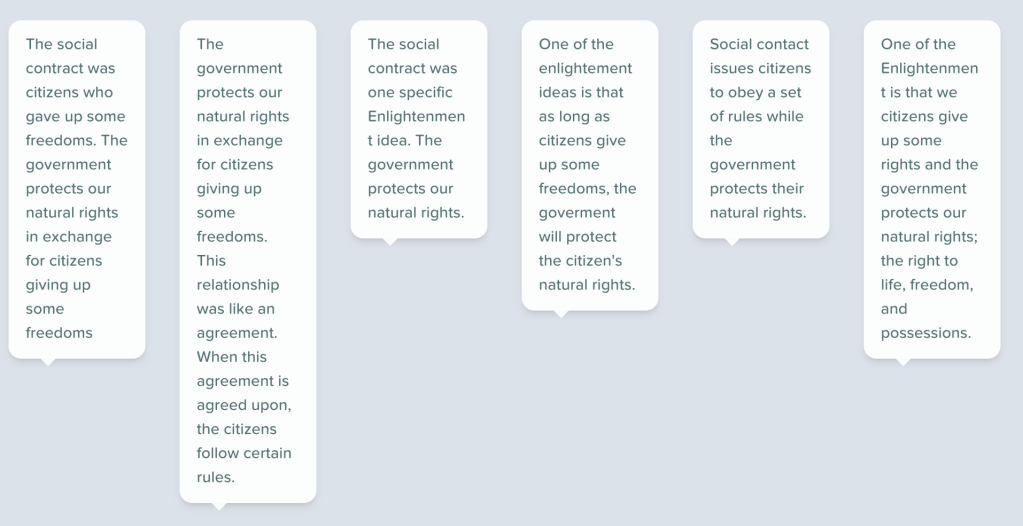
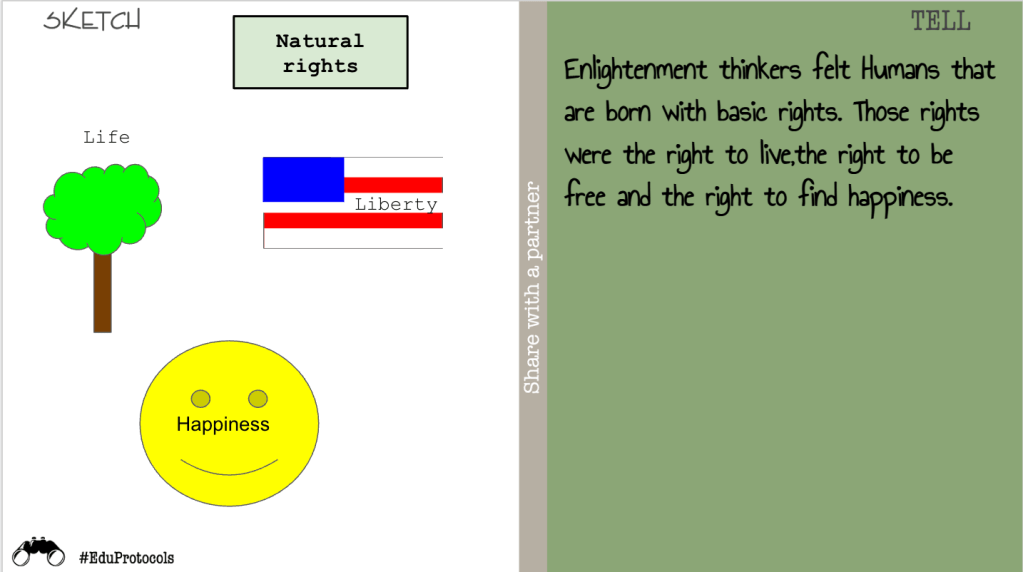

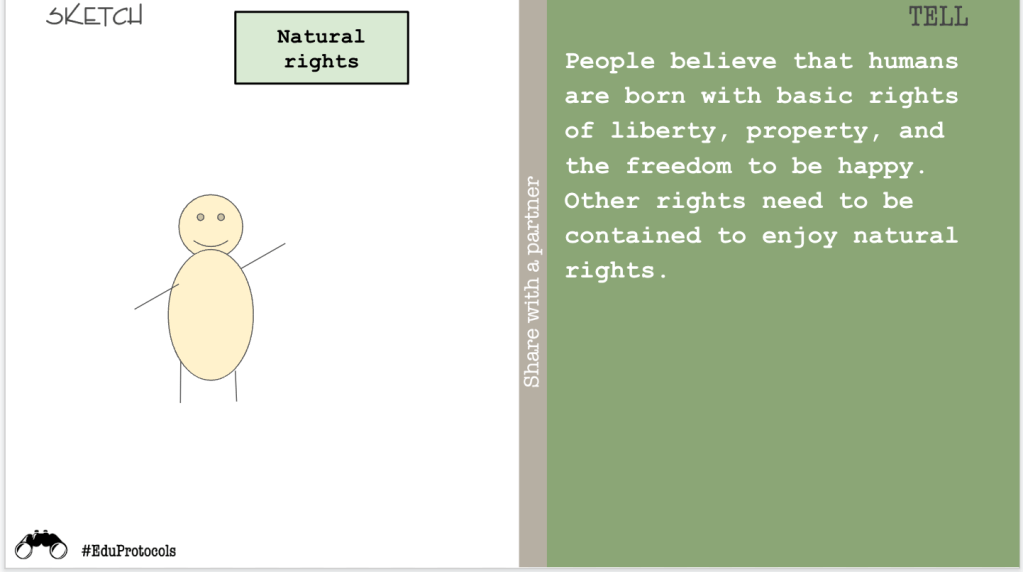

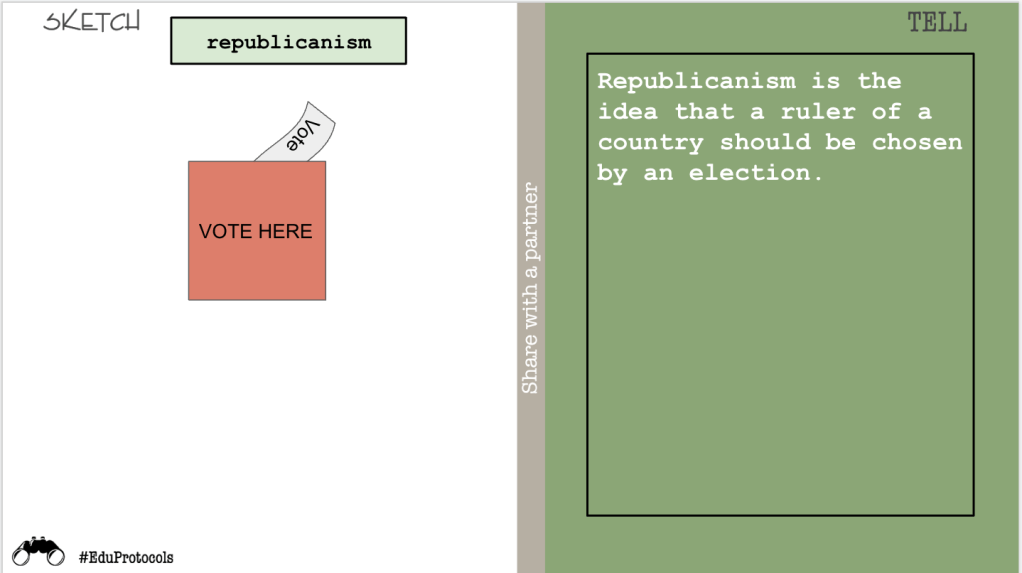


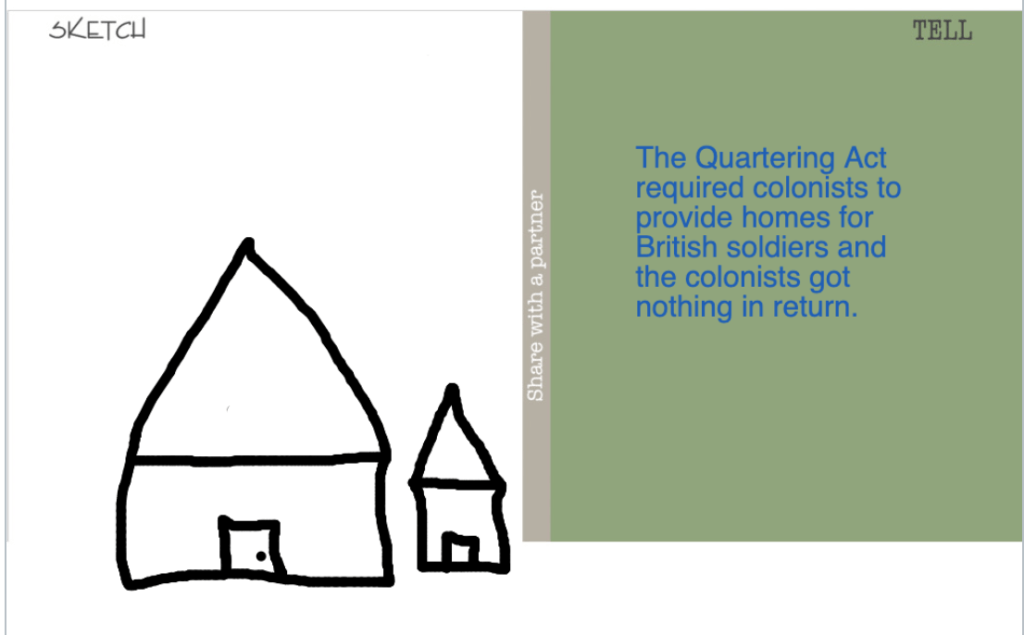
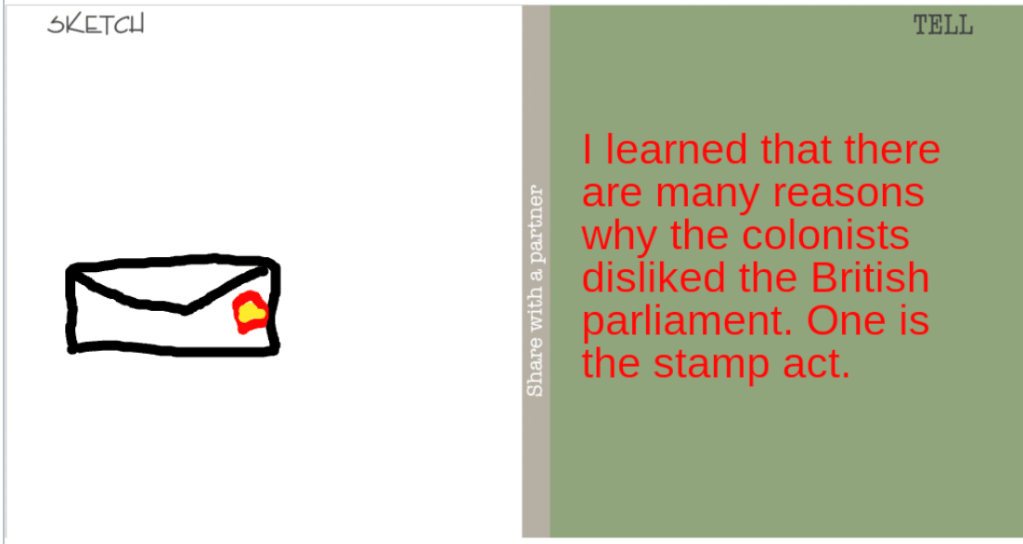
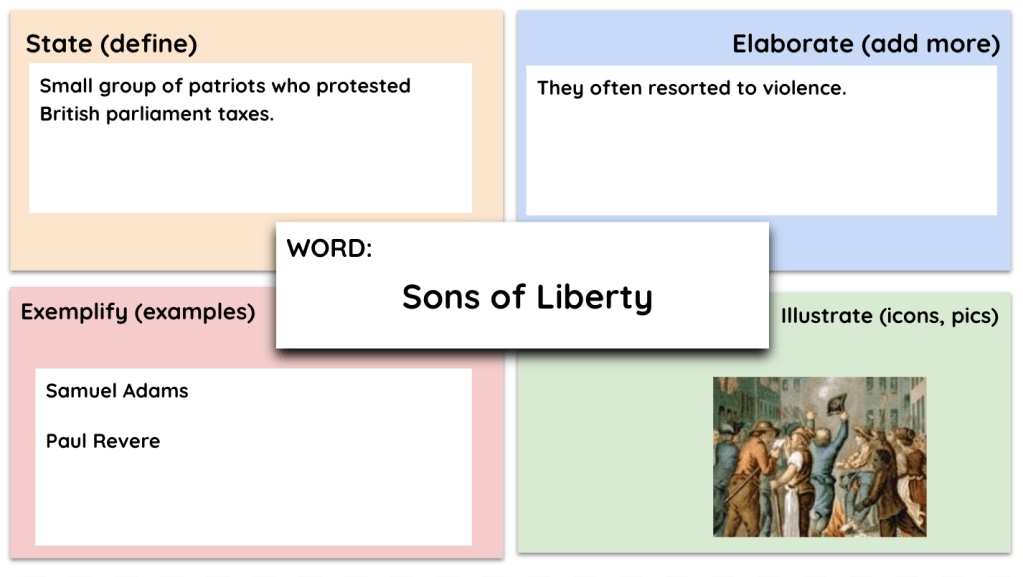


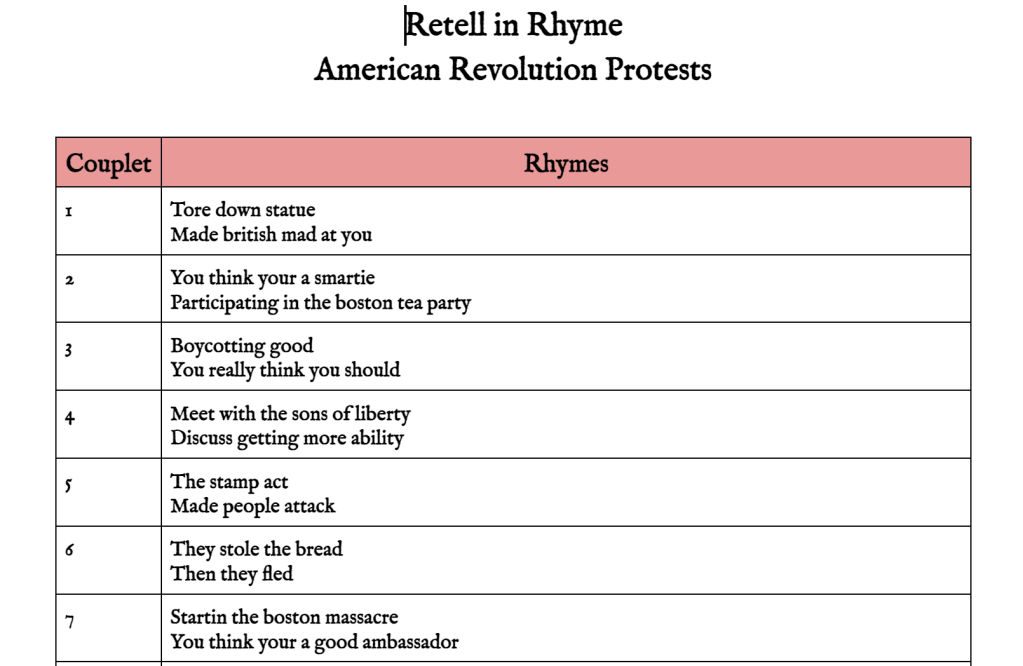
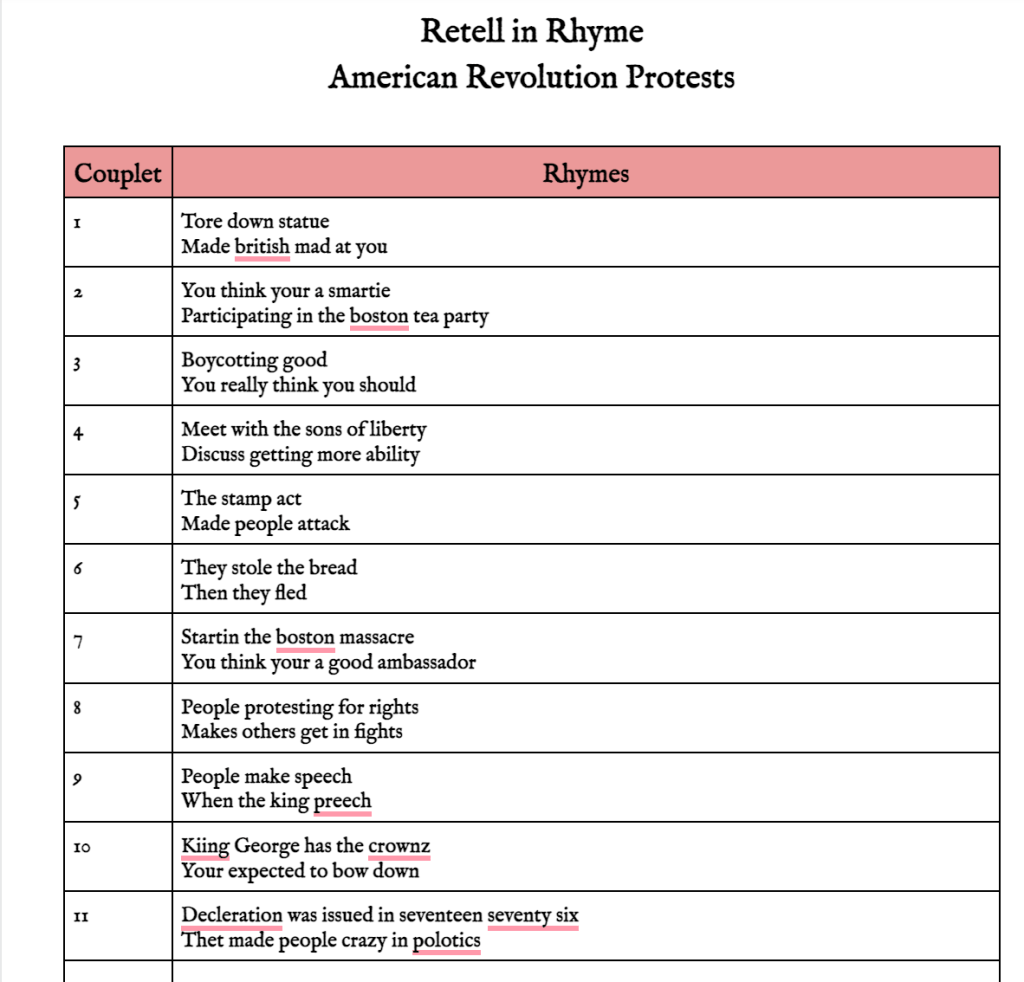

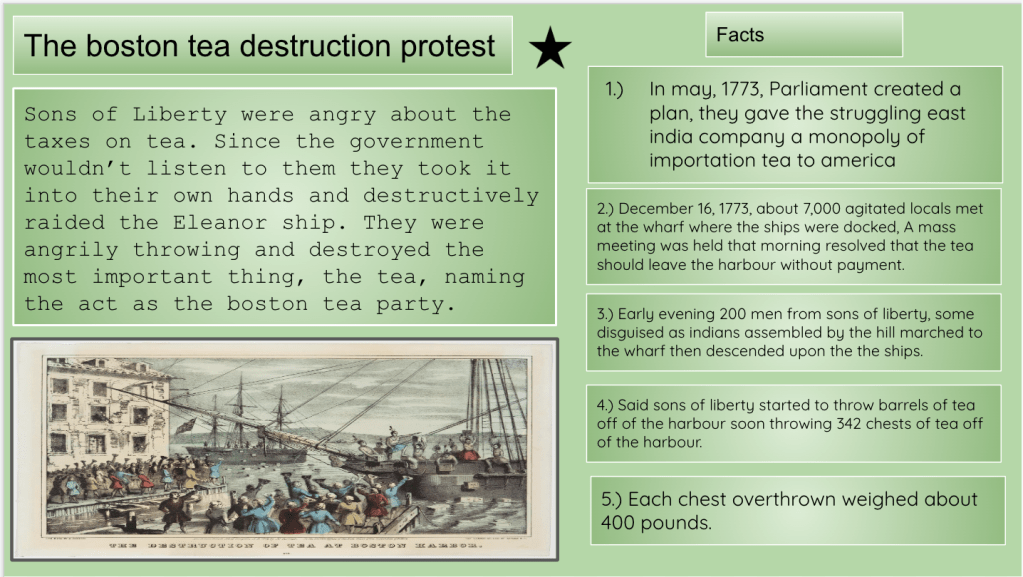
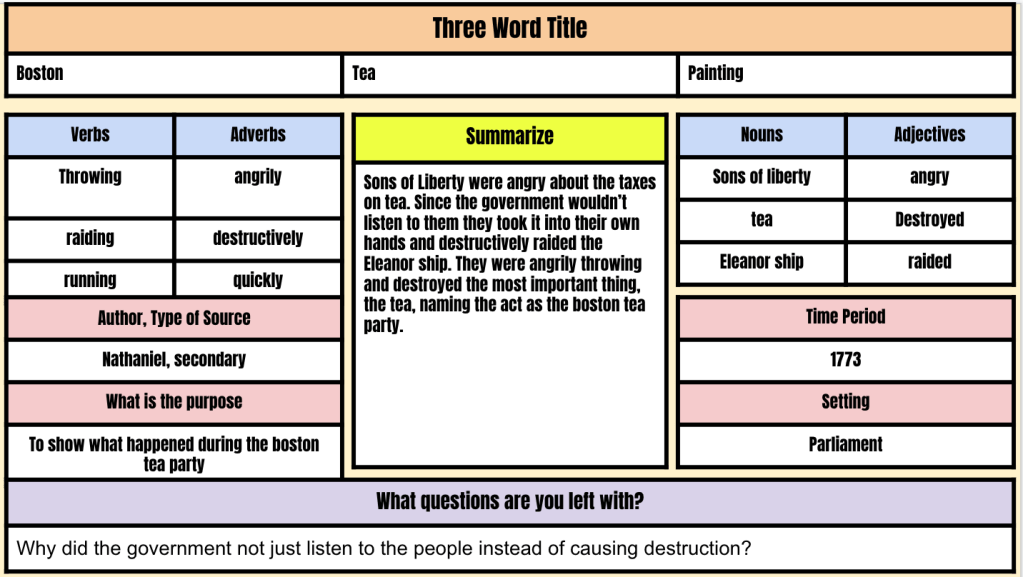
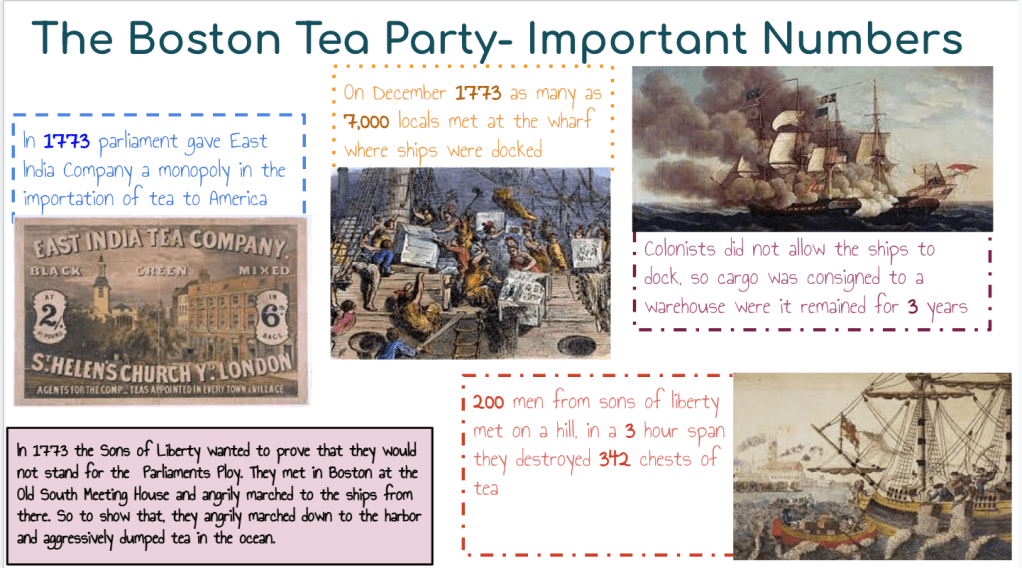
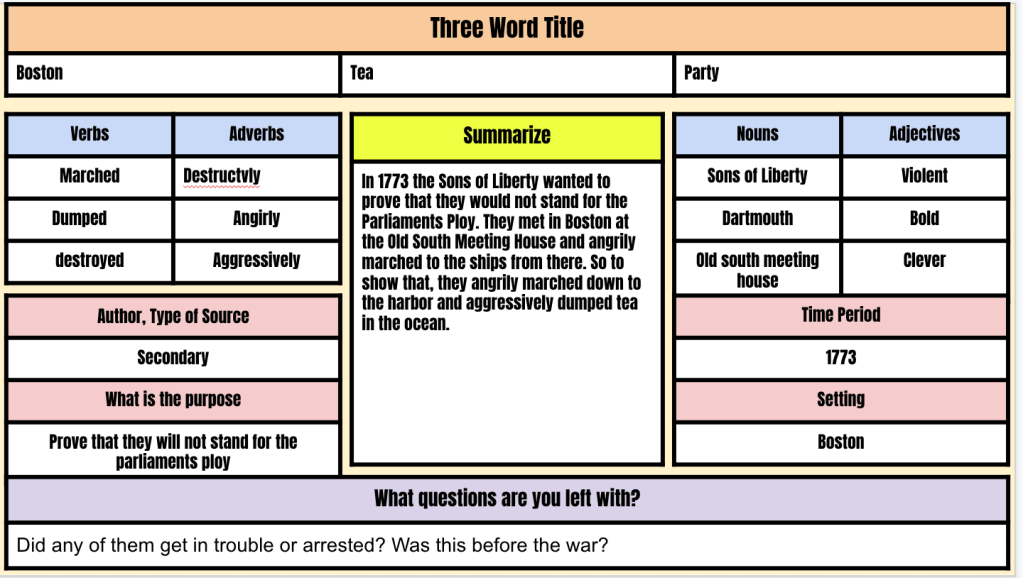
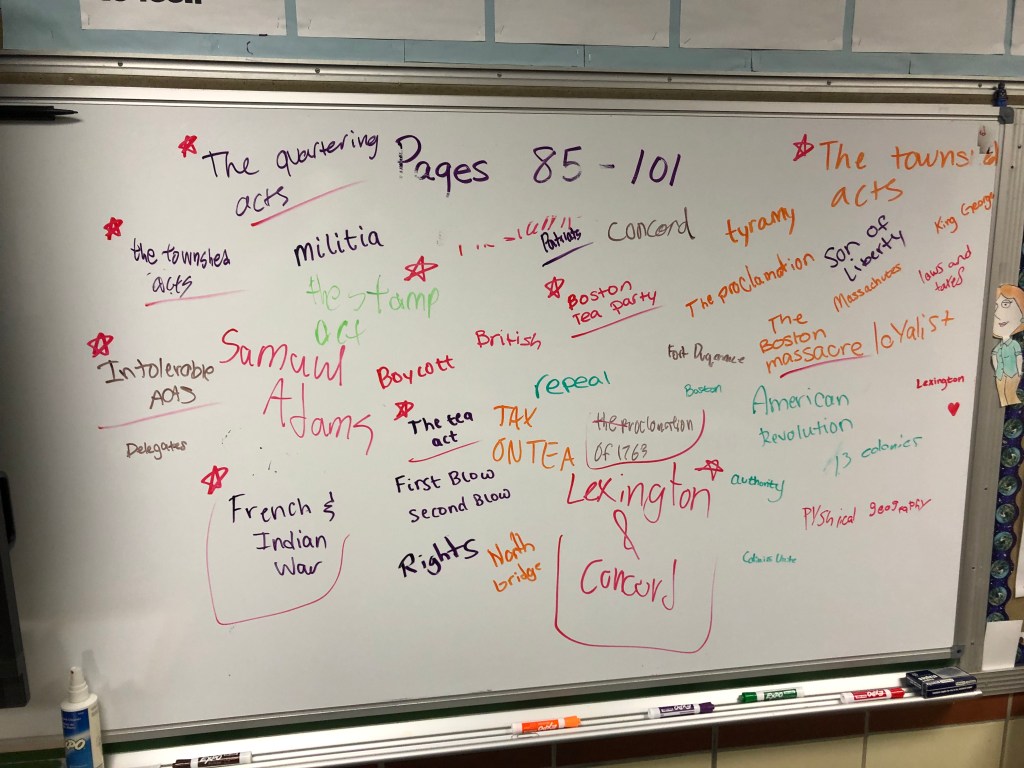
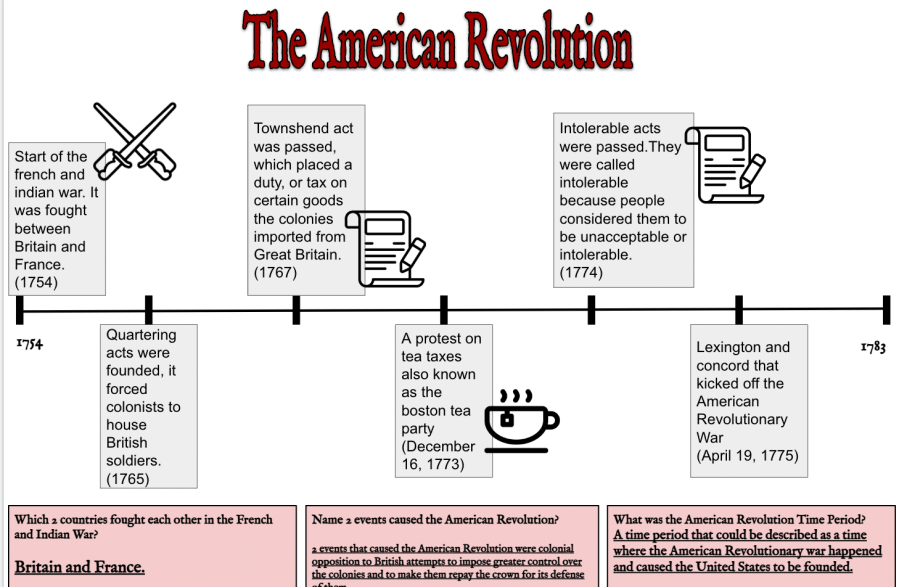


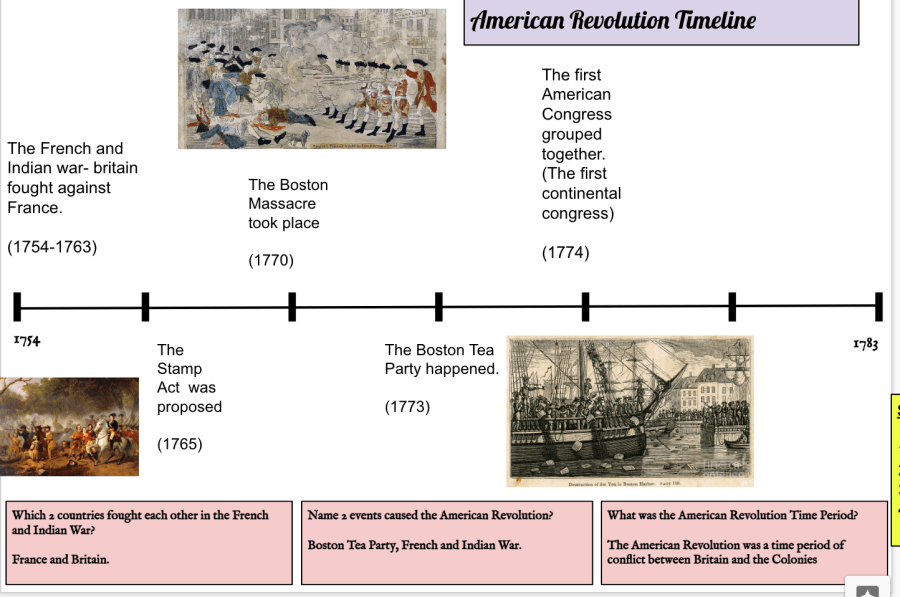
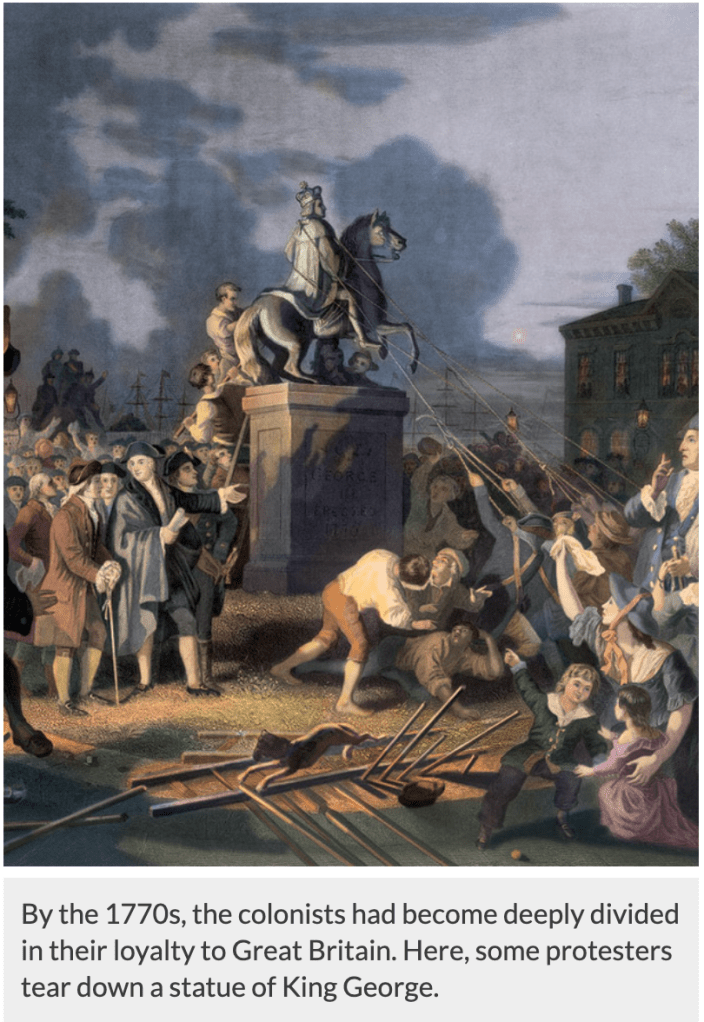
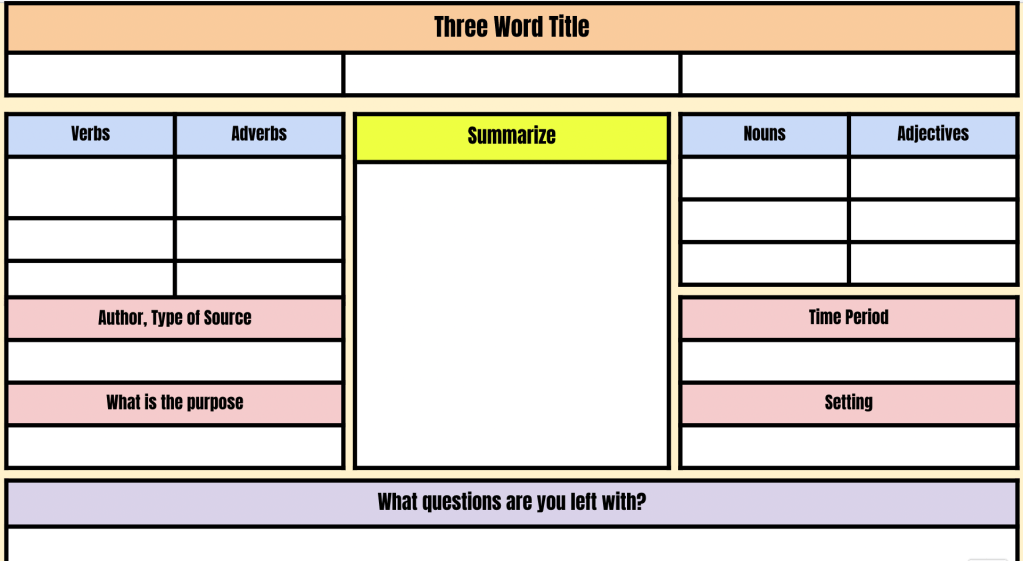
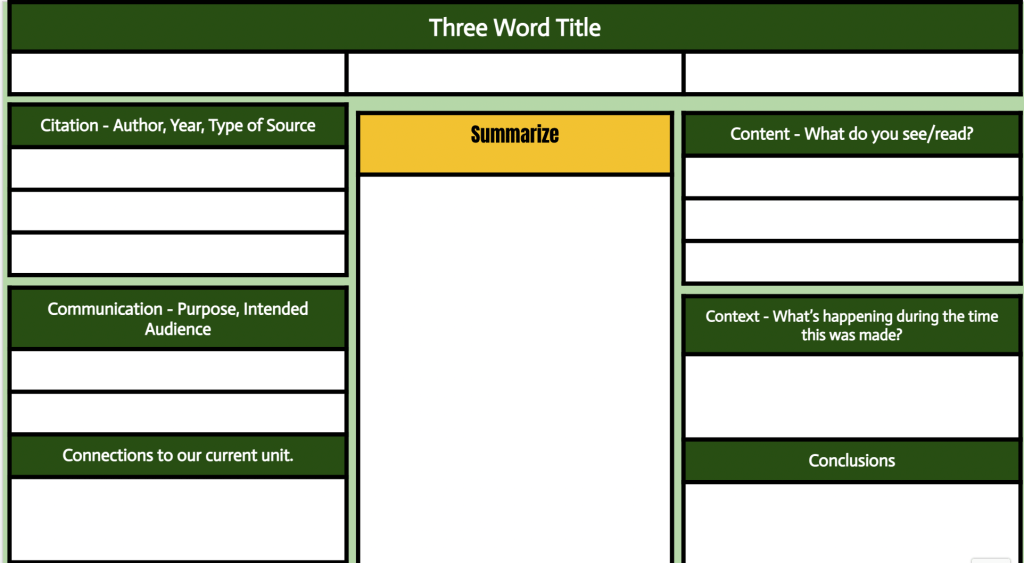


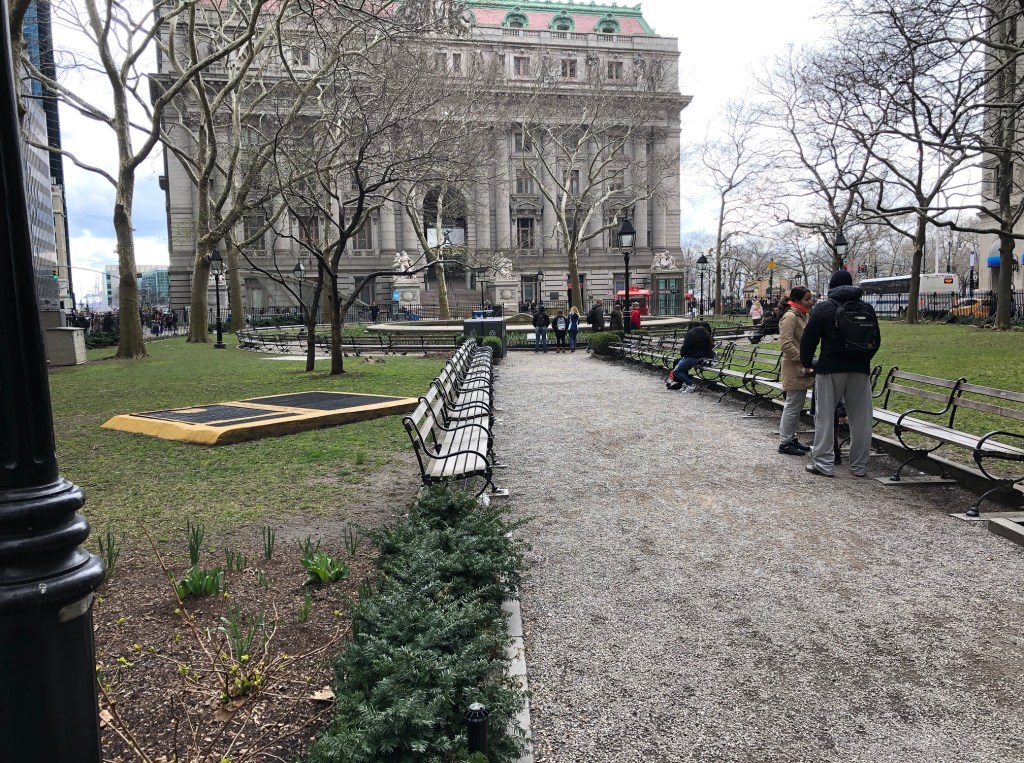
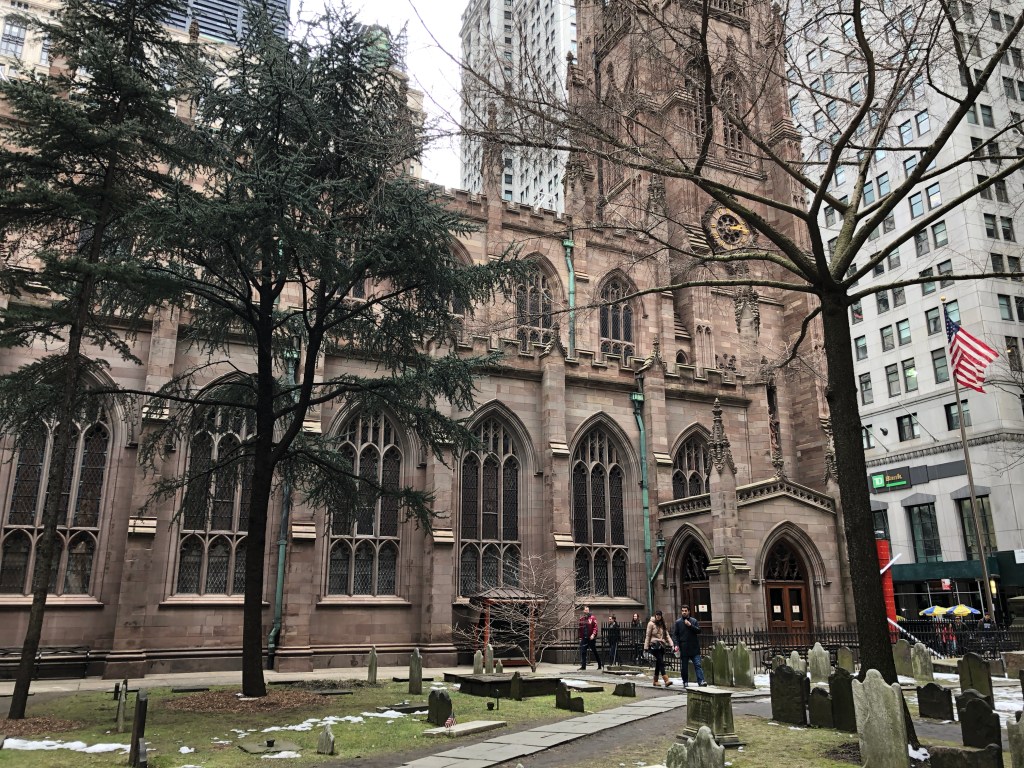


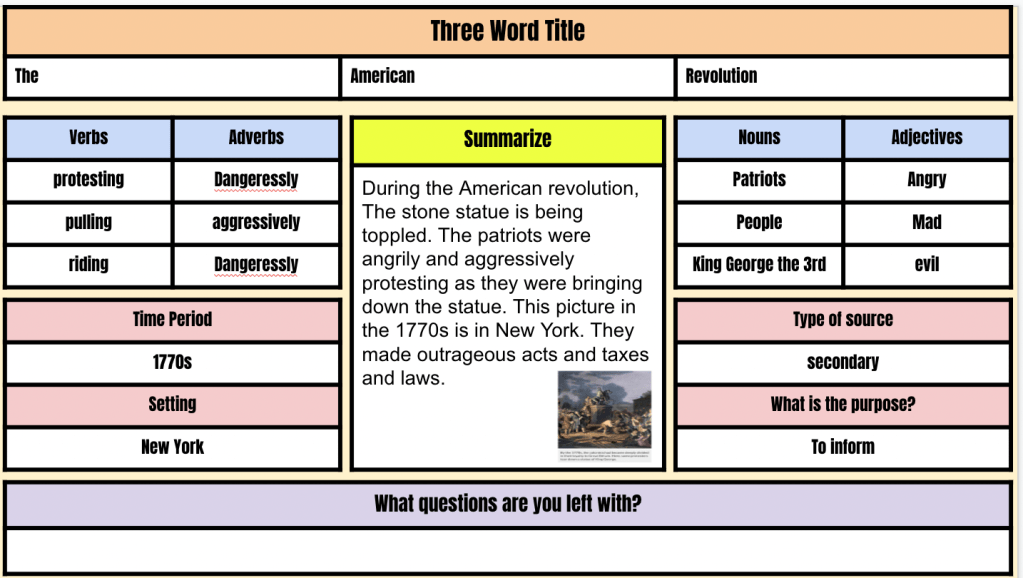

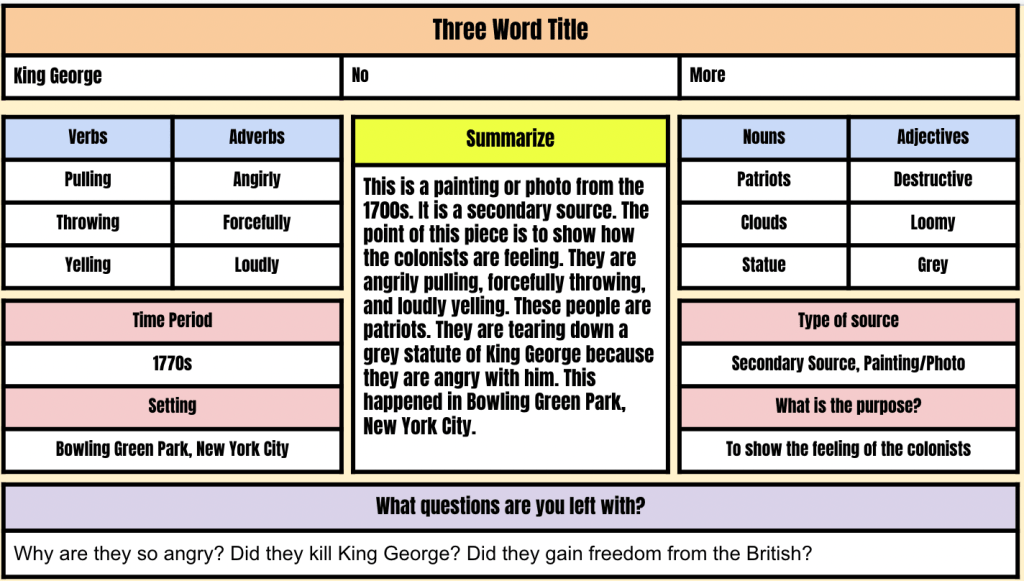
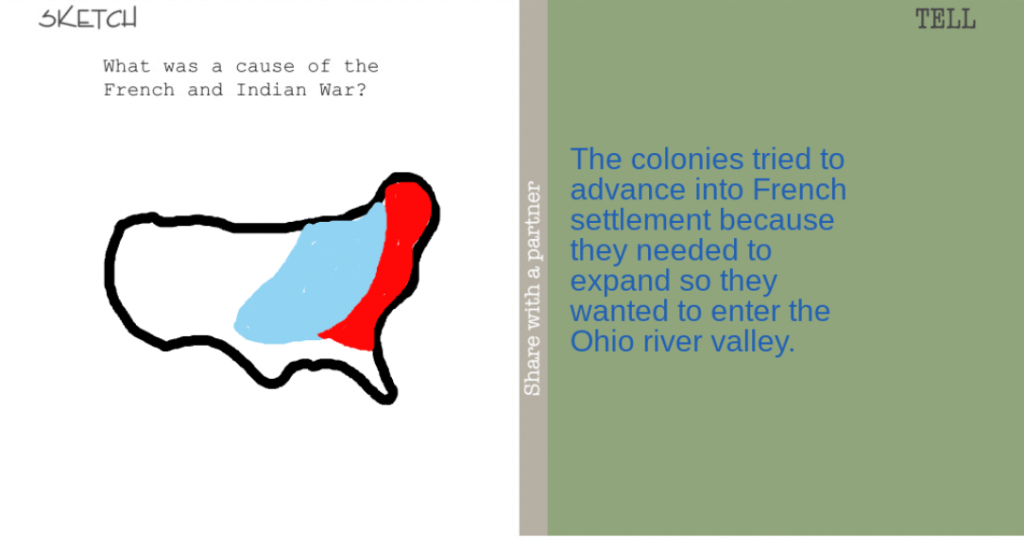


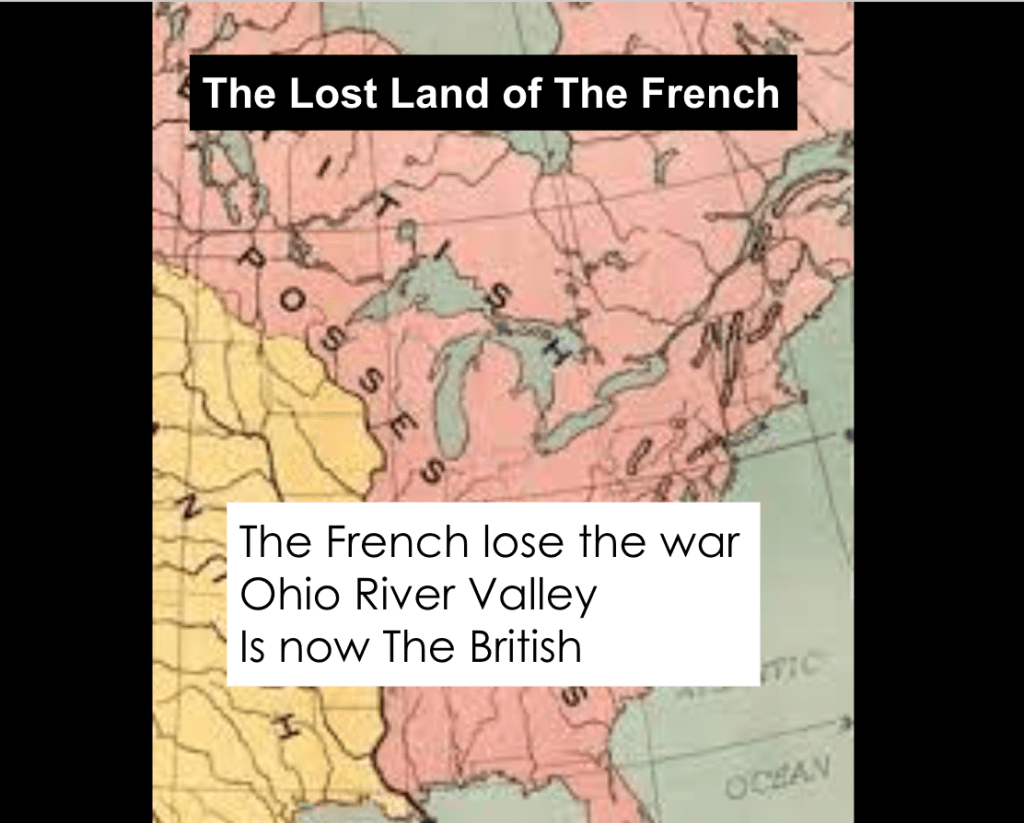

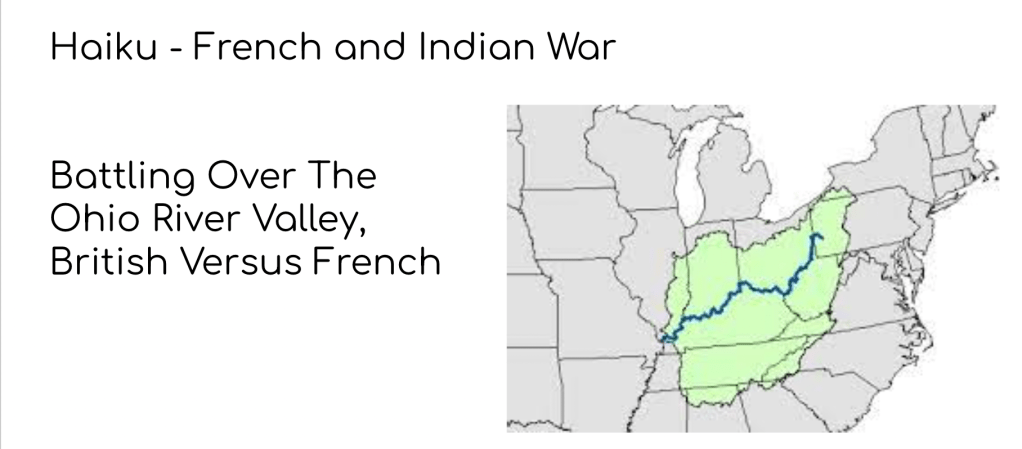
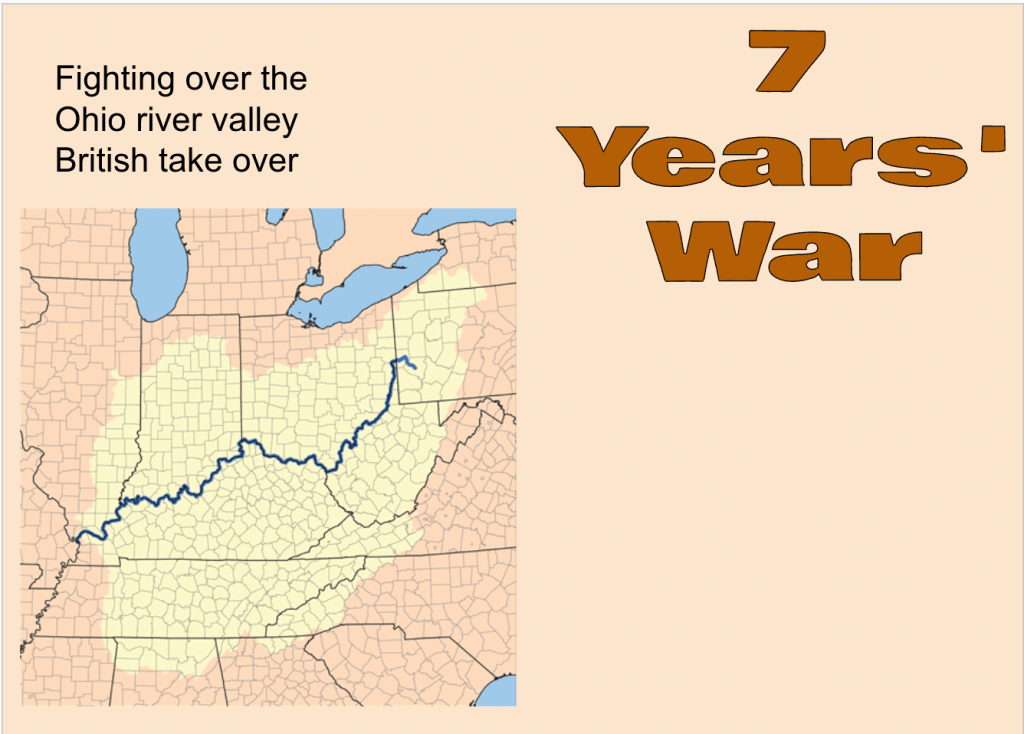


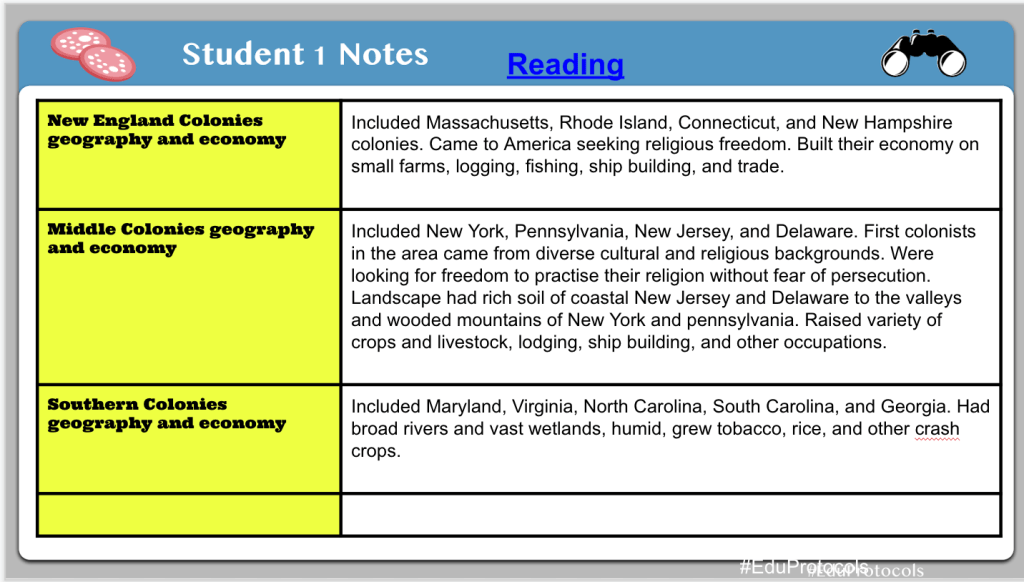

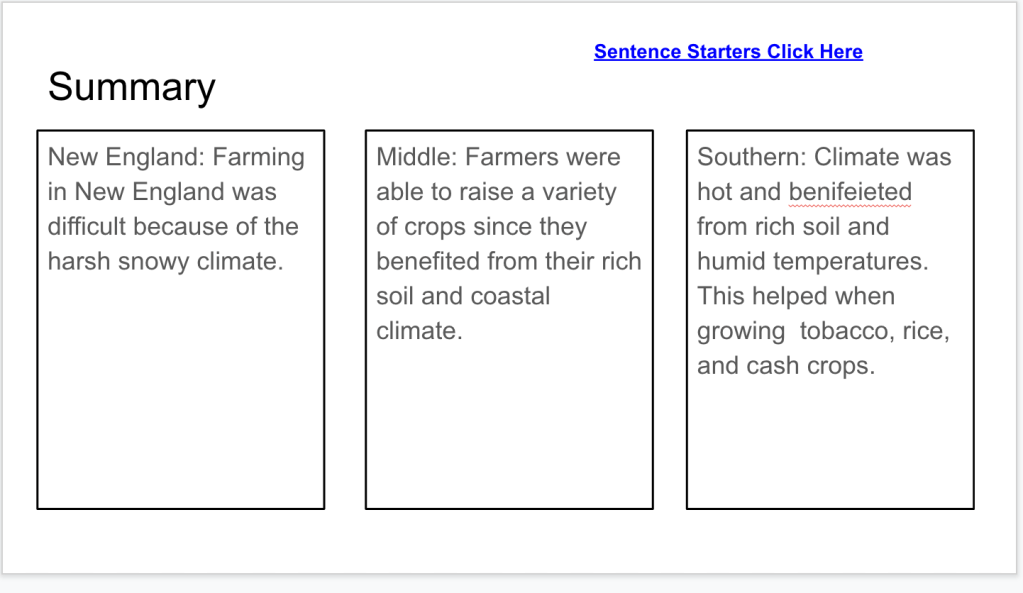

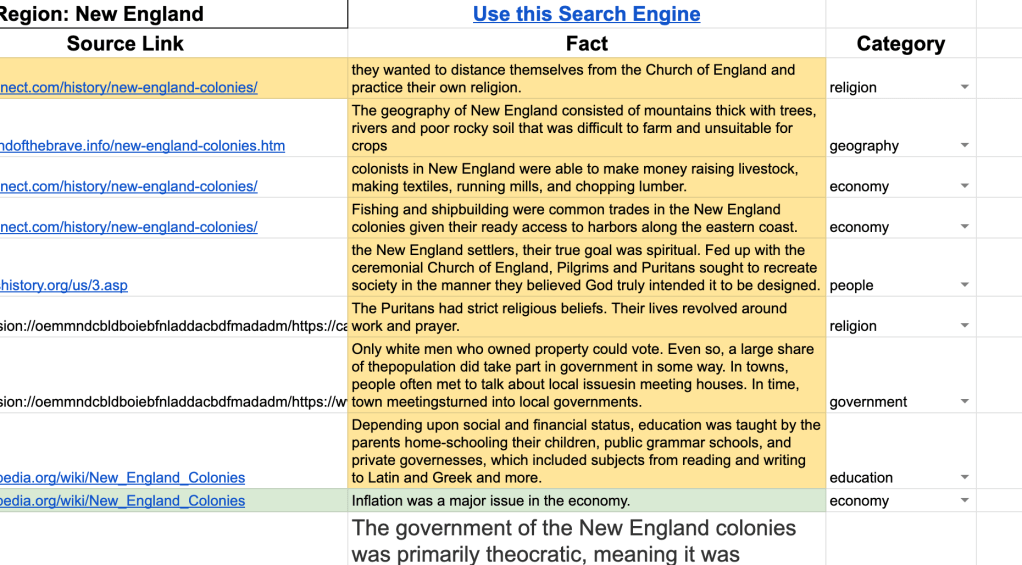


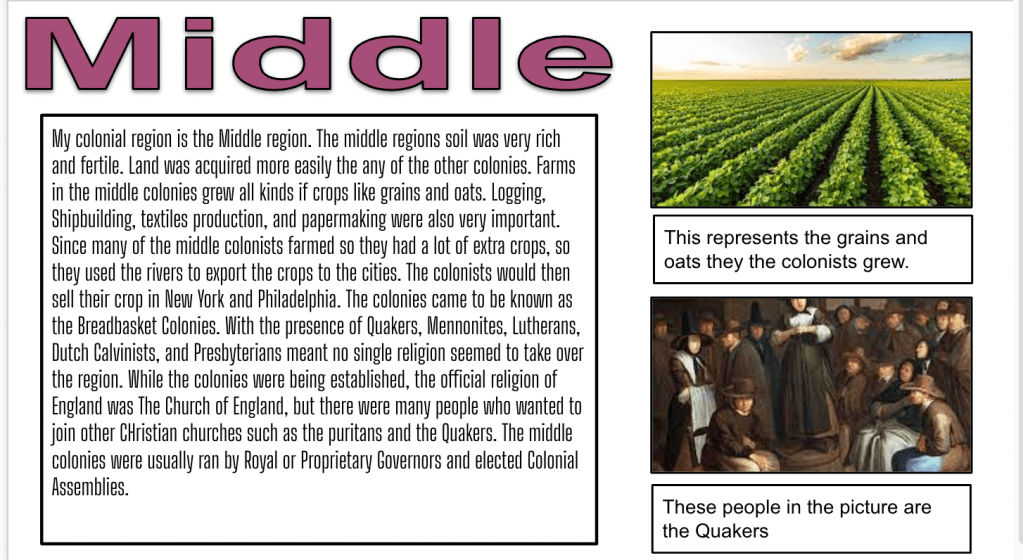

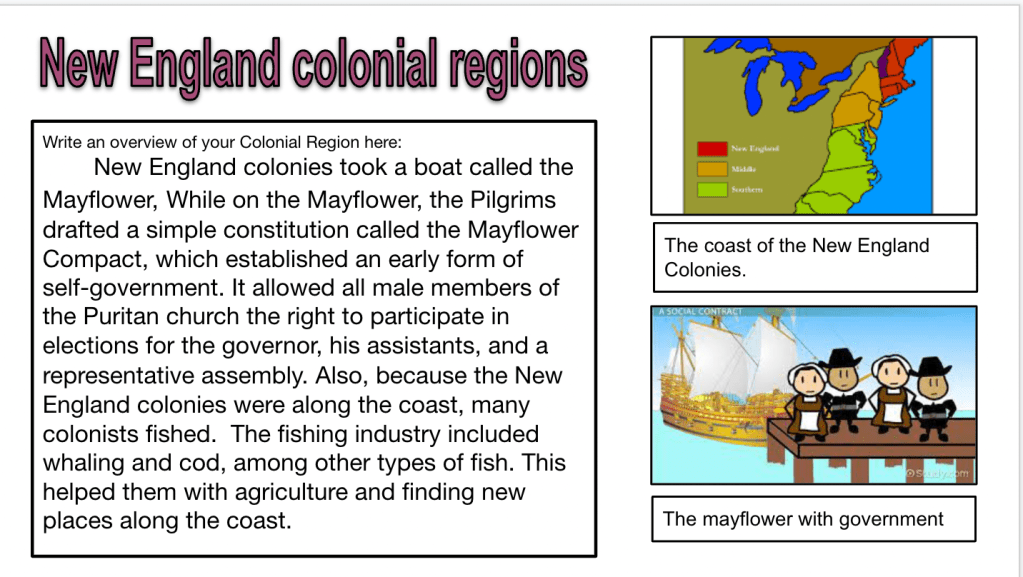
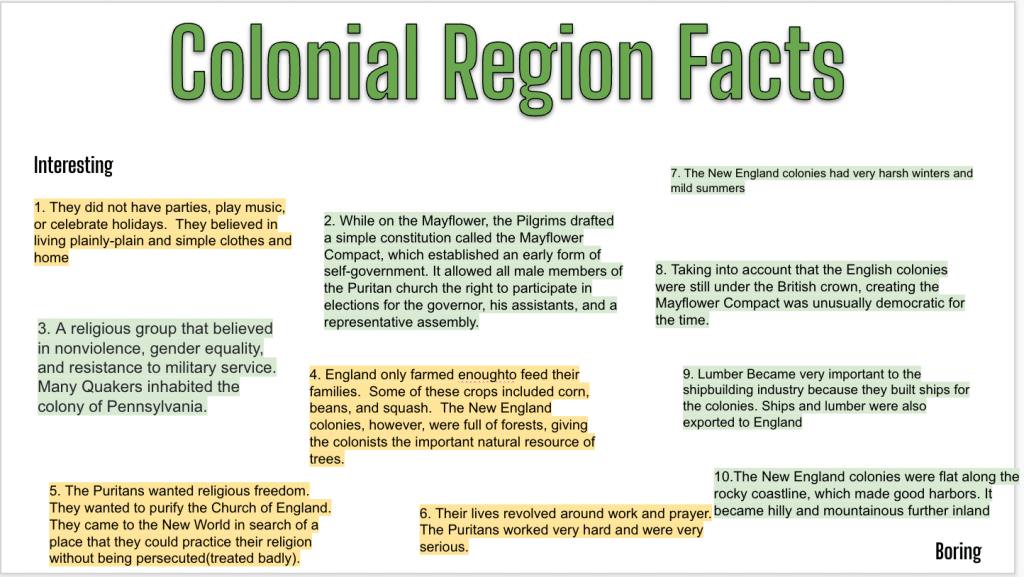


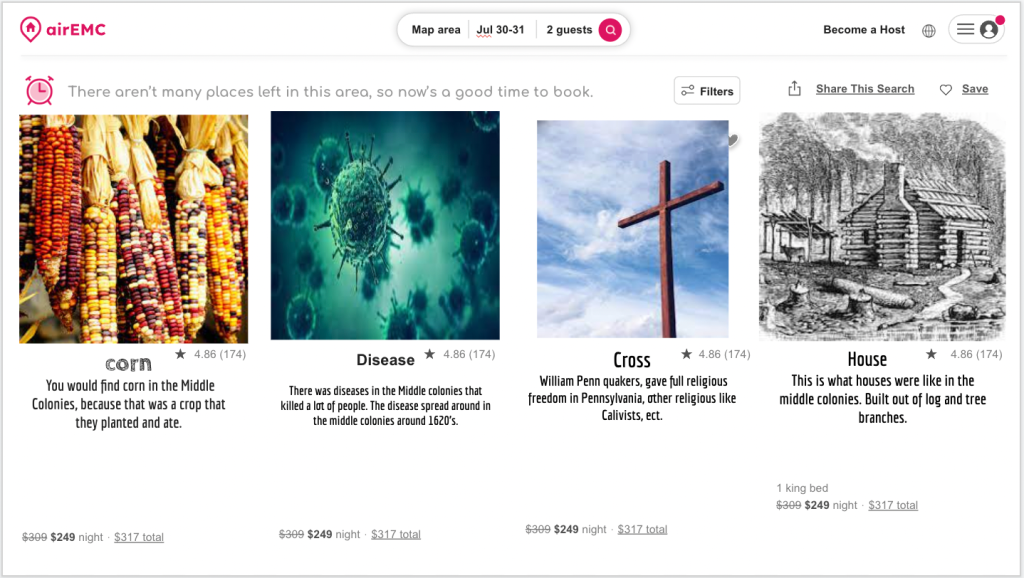


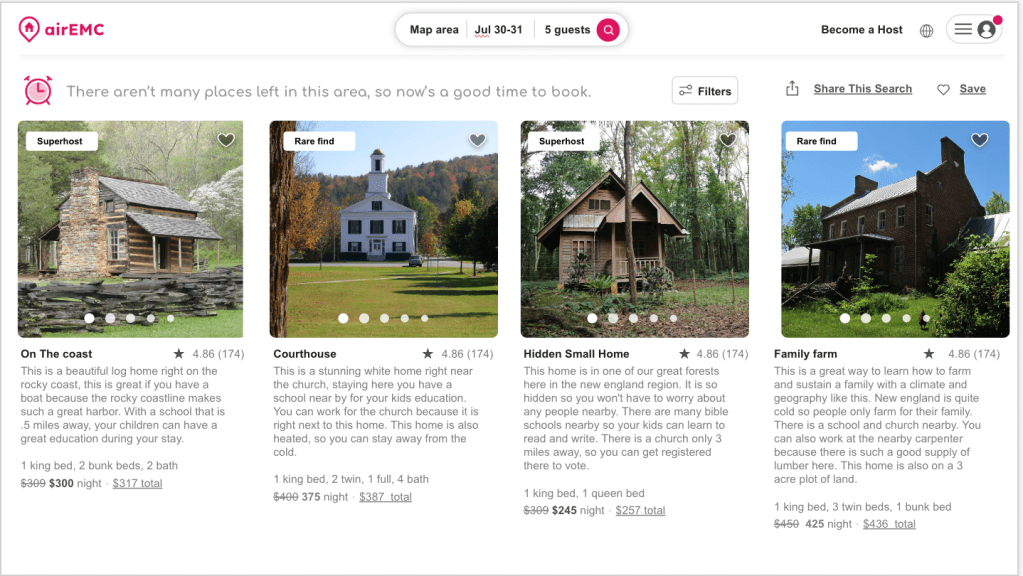

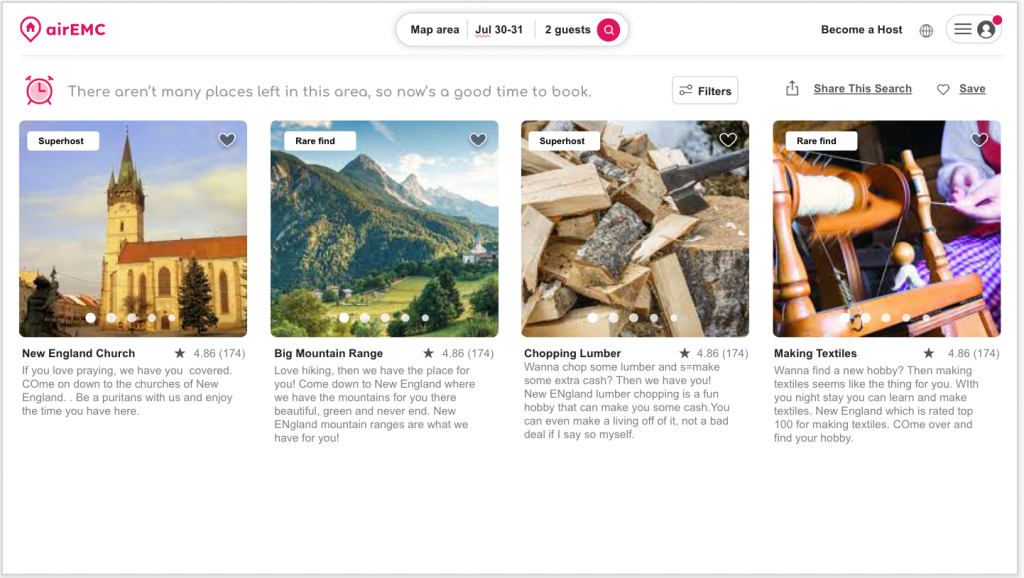
 Moler's Musings