The 13 Colonies Inquiry Unit Link
The Common Mistake
A lot of people open ChatGPT, type “make me a lesson plan,” and press go. It spits out something that looks ready to teach, but it doesn’t know your room. It doesn’t know your pacing, your standards, your textbook, or your teaching style.
If you really want ChatGPT to plan with you, you have to treat it like a coplanner, not a shortcut. The key is context, accuracy, and alignment.
What Most Folks Miss
- They skip context. Tell ChatGPT your class length, grade level, and what your students are like. If I had students with IEPs or specific needs, I’d include that too.
- They ask for a full plan in one shot. The best plans come from back-and-forth conversations.
- They don’t share resources. ChatGPT needs to see your textbook, vocab, and standards so it can build something that actually fits.
- They don’t check for mistakes. Never assume AI is right. I fact-check everything against my textbook and the Ohio Model Curriculum.
- They forget variety. A good plan mixes visuals, discussion, data, and writing, not just one type of task.
How I Built My 13 Colonies Unit
Round 1: Frame the Unit
I started by telling ChatGPT my reality: 8th grade, 45 minute classes, focused on the 13 Colonies: geography, economy, government, slavery, Bacon’s Rebellion, and rivalries. I asked for compelling questions that would connect all of that and stay true to Ohio’s standards. Basically, what question do we needs to kids answering by the end of the unit?
Round 2: Make It Student Friendly
Once I had solid questions, I asked for versions that sounded more like something an 8th grader would actually think about. The tone shifted from textbook to relatable things like “Was colonial America a land of opportunity or inequality?”
Round 3: Fit My Template
I uploaded my Inquiry Design Model template and had ChatGPT fill it in step by step. It organized my ideas into a real unit: compelling question, supporting questions, tasks, and sources all laid out in my format so it looked like my lessons, not a copy/paste from a website.
Round 4: Align It to Standards
I uploaded photos of the Ohio Grade 8 Model Curriculum. ChatGPT mapped each supporting question to the exact content statements: why colonies were founded, how geography shaped economies, how slavery developed, how English policies affected life, and how rivalries led to conflict. Every supporting question lined up with a specific content statement.
That step matters. I don’t want lessons that just “sound good.” I want lessons that hit the standards exactly as they’re written.
Round 5: Match It to the Textbook
Next, I sent photos of the McGraw Hill textbook pages I use. ChatGPT matched every supporting question to the correct pages, but I add added into my prompt, “no guessing.” For example:
- Founding colonies → pages 66–74
- Geography and economy → 84–85
- Slavery → 86–89
- Government and English policies → 90–97
- Rivalries and Bacon’s Rebellion → 73, 104–105
Anything that didn’t fit or repeated content got cut. The plan now matched both the standards and the book, which keeps my pacing consistent.

Round 6: Add Routines and Resources
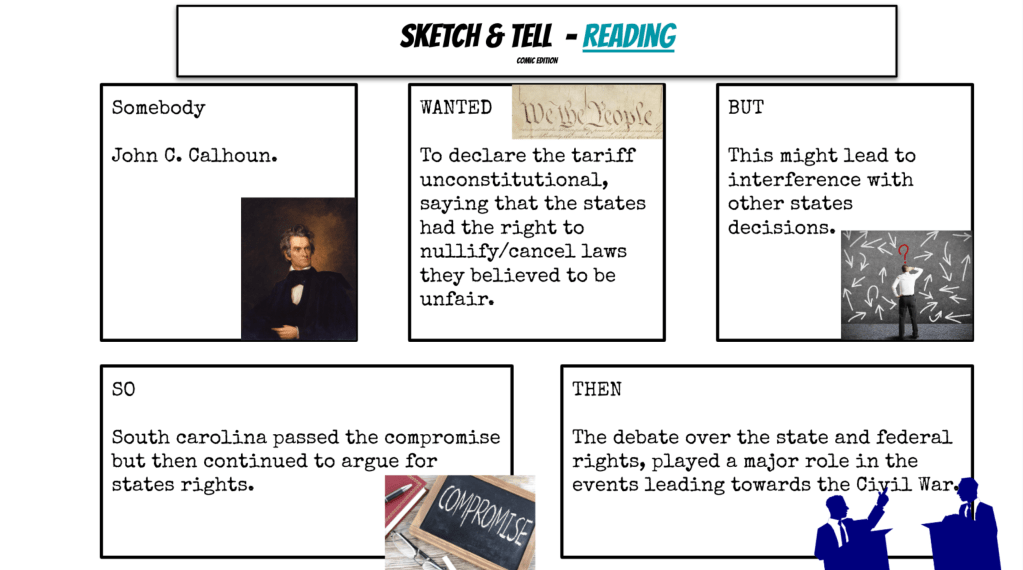
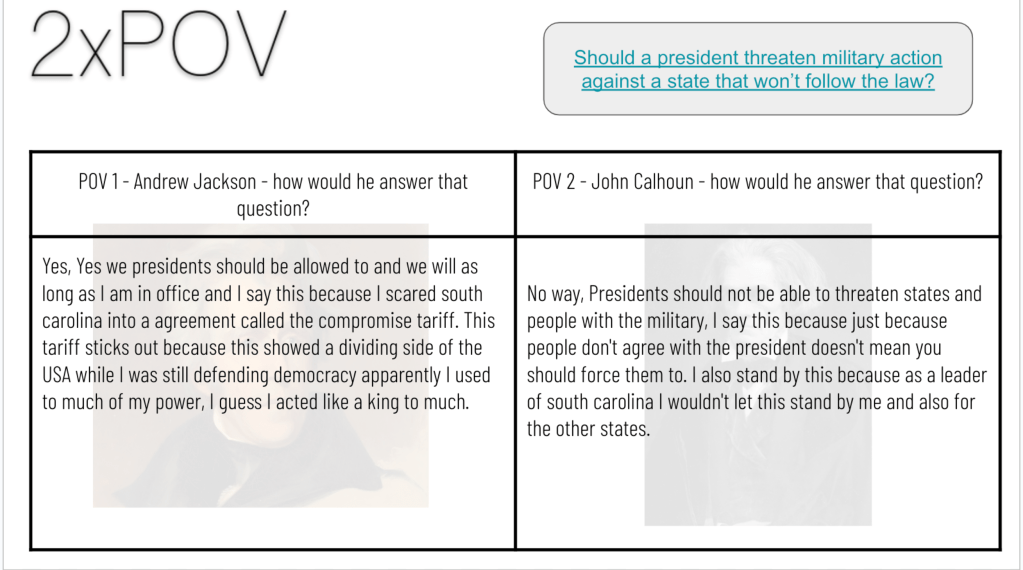
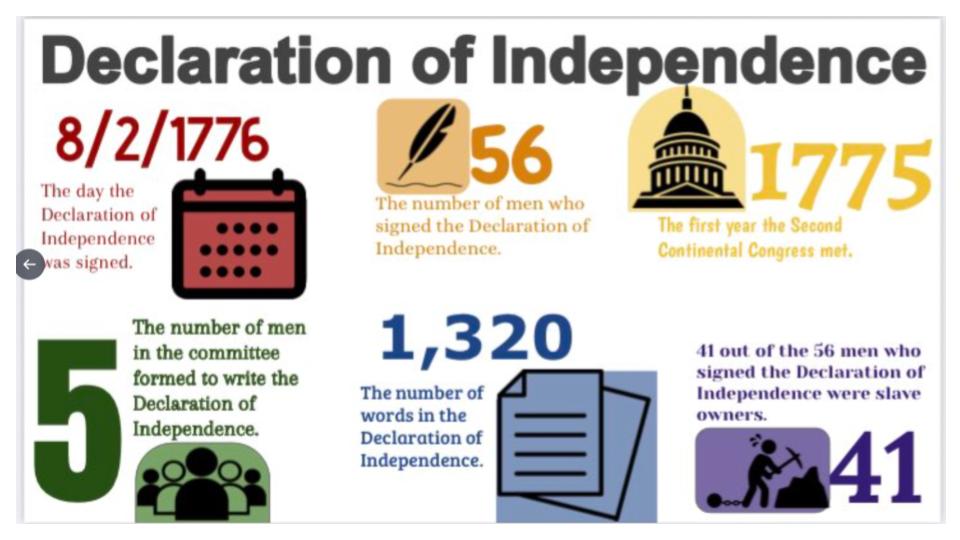
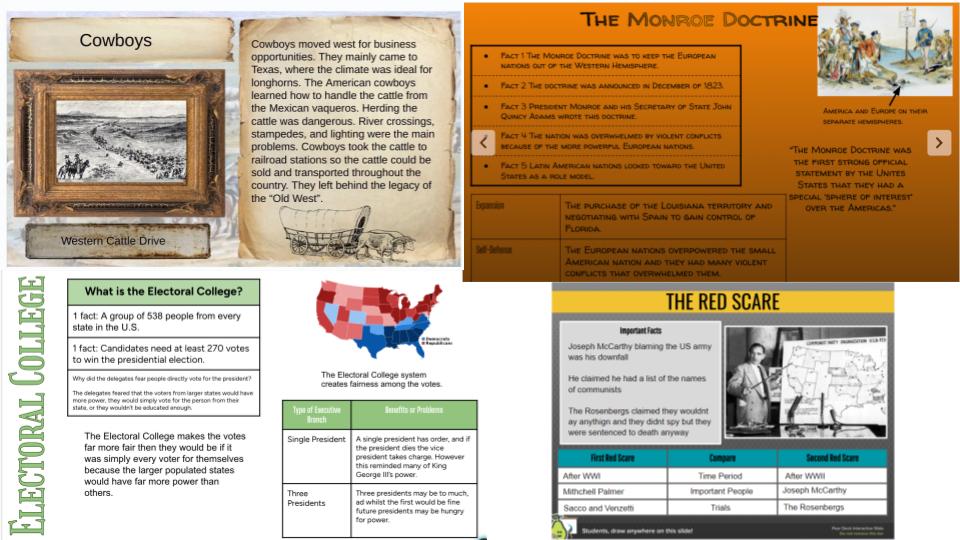
Once the content was solid, I layered in the routines my students already know. Thin Slide, Map and Tell, Cyber Sandwich, Annotate and Tell, and Number Mania. I also added alternate resources: maps, short videos, primary and secondary sources so I’m not locked into the textbook.
Round 7: Check Accuracy and Keep It Human
Here’s where the human side matters most. ChatGPT gives me an inquiry based plan that’s fully aligned to standards with ready to use activities. But I’m still the one making changes as the lesson unfolds. I analyze every part of these lessons and intentionally adjust as needed.
Everything in my classroom serves a purpose, and AI doesn’t know that. I do. I know when to slow down, when to add context, and when to toss something that doesn’t fit the group in front of me. ChatGPT can build the framework, but the human makes it meaningful.

The Prompt Ladder I Use
You can copy this process and fill in your own details. It saves time and keeps the work focused.
- Context
“Help me plan a unit for [grade]. Each class is 45 minutes. I use [routines].” - Standards and Pages
“Here are my state standards and textbook pages. Align each supporting question to both. If something doesn’t fit, leave it out.” - Template Fit
“Here’s my unit template. Fill it in using my time frame and routines. Keep student directions short and clear.” - Vocabulary
“Here are the vocab words. Show where each fits and how it connects to the big question.” - Tighten
“Remove or merge anything that doesn’t move students toward the main question.” - Summative Task
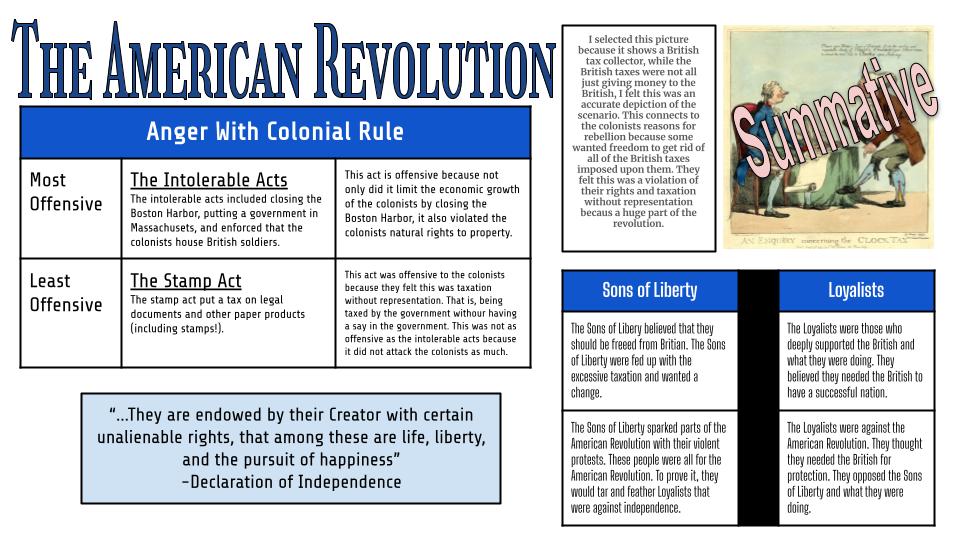
“Create a short argument or presentation that ties everything together. Include a simple rubric.”
My Quick Checklist Before Teaching
- Do the supporting questions all lead back to the compelling question
- Can each day actually fit inside 45 minutes
- Are the activities balanced with reading, discussion, visuals, and writing
- Are the textbook pages and resources accurate
- Have I double-checked facts and vocabulary
Why This Works
Alignment first. The unit directly matches Ohio standards and the McGraw Hill textbook, keeping instruction focused.
Accuracy matters. AI can structure a lesson but can’t guarantee precision. Double-checking everything ensures reliability.
Variety keeps engagement high. Different routines: like Thin Slide, Annotate and Tell, and Number Mania, help students interact with content in multiple ways.
Human judgment drives purpose. AI can organize, align, and suggest. But only the teacher knows when to pause, pivot, or go deeper.
Final Thought
ChatGPT doesn’t replace lesson design, it speeds up the hard parts. It helps align ideas, map standards, and create a base to work from. But the human element is what gives lessons meaning.
AI can build the plan. I bring the purpose.








 Moler's Musings