History teacher at New Richmond Middle School. Tennis coach at SUA, Beechmont Racquet and Fitness, Lunken Playfield, and KCC. Striving to learn, create, and innovate one day at a time.
As an educator, I’m constantly searching for innovative ways to engage my students and make learning a memorable experience. Recently, I had the opportunity to delve into a lesson that not only sparked deep conversations but also introduced my students to cutting-edge technology. On Monday, September 11th, I set up a lesson I’d been wanting to do for a while, thanks to a conversation with my co-author, Scott Petri. In this blog post, I’d like to reflect on my latest lesson using StoryFile AI and the Wicked Hydra EduProtocol. (StoryFile Survivor, StoryFile First Responder)
The inspiration for this lesson came during a Sunday discussion with Scott, where we brainstormed ideas for teaching about 9/11. We both agreed that the traditional approach of showing shocking videos often distracts from the human experiences and the importance of learning from first responders and survivors. It was during this conversation that Scott reminded me of an incredible resource called StoryFile, which utilizes artificial intelligence (AI) and recorded oral histories.
StoryFile features video interviews with historical figures and famous individuals, allowing users to ask questions verbally or through typing. The AI responds with recorded answers, creating an interactive experience that offers unique insights. This lesson, in particular, aimed to focus on the stories of first responders and survivors, and StoryFile had a first responder named Nancy Rosado whose insights I knew would be valuable.
Before starting the lesson, I posed a critical question to my students: “How can we learn about the effects of 9/11 from the experiences of first responders and survivors?” To kick things off, I found a news clip from an Orlando, Florida news station featuring Ms. Rosado. The clip was approximately four minutes long, and before showing it, I asked my students to think about the questions they would ask Ms. Rosado if they had the chance.
After the video concluded, it was time to employ the Wicked Hydra EduProtocol, a collaborative brainstorming activity. I divided the students into groups of 3 to 5 and instructed them to write “survivors and first responders” in the center of a large piece of paper. They had ten minutes to brainstorm questions they could ask first responders or survivors about their experiences on 9/11. These questions would later guide their interactions with StoryFile.
Once the groups had compiled their questions, they hung up their papers around the room, allowing their peers to read each other’s questions and potentially add more to different groups’ papers. Next, I distributed a Frayer model graphic organizer to each student, and I had them write down four questions they would ask a survivor or first responder. I emphasized the importance of asking thoughtful questions, as it’s a vital skill in history and in life, where job interviews often include the ubiquitous question, “What questions do you have?”
With their questions in hand, I introduced my students to StoryFile. Their initial reactions ranged from amazement to slight unease as they explored the platform and began asking questions verbally and typing them. I had intentionally selected the news story about Nancy Rosado because she was one of the interviews available on StoryFile, and the entire lesson’s design was deliberate.
However, to our surprise, Ms. Rosado didn’t answer many questions about 9/11—maybe four in total. This unexpected turn led to a fascinating dynamic in the classroom. Students quickly realized that if one interviewee didn’t answer their question, they could try asking the other interviewee instead. I encouraged this adaptive approach and had students summarize the responses they received. If they couldn’t get an answer, I urged them to rephrase their questions. If all else failed, they placed an “X” in the Frayer box.
The majority of my students thoroughly enjoyed this hands-on experience with AI technology, and about 90% were actively engaged throughout the lesson. It served as an excellent opportunity for them to learn how to navigate and communicate with new AI tools, a skill that will undoubtedly be valuable in their future endeavors.
Reflecting on this lesson, I’ve identified a few minor tweaks I’d like to make for next time. Firstly, I want to emphasize more clearly that students should write down the interviewees’ responses, as this is essential for their learning process. Additionally, I plan to allocate more time for students to write a paragraph summarizing what they’ve learned at the end of the activity.
In conclusion, this lesson was a remarkable journey into the world of AI-assisted learning and historical exploration. It showcased how technology like StoryFile can bring history to life and engage students in a meaningful way. As an educator, I’m constantly inspired to innovate and provide my students with experiences that challenge their thinking and broaden their horizons. This lesson was undoubtedly a step in the right direction, and I look forward to incorporating more cutting-edge tools like StoryFile into my future lessons.
As an 8th-grade social studies teacher, every week presents a fresh canvas for me to inspire young minds and foster a love for history. This particular week, though shortened due to the Labor Day holiday, was brimming with excitement and valuable insights. Our journey through the fascinating world of European exploration and colonization, coupled with the power of EduProtocols, created an engaging and educational experience. In this reflection, I’ll take you through each day, sharing my experiences, lessons, and the impact of EduProtocols in my classroom.
Before diving into the week’s lessons, I had already prepared a roadmap for our journey into the Age of Exploration and colonization. Our central guiding question for this unit was: “How did Europeans exploring North America for trade, religious reasons, and competition with each other affect the history of the continent and the people who lived there?” This overarching question was the compass that directed our learning throughout the week.
To provide a comprehensive exploration, I developed three supporting questions:
How did Native Americans adapt to their environments and live before the arrival of Europeans?
What motivated European Exploration and colonization of North America?
What were the effects of European exploration and colonization on North America?
These questions were designed to encourage critical thinking and in-depth understanding, setting the stage for our week of exploration.
The week kicked off with Tuesday’s focus on introducing our new unit on Exploration and Colonization. To capture students’ attention and curiosity right from the start, I began the class with a “Fast and Curious” activity on Gimkit. This engaging quiz consisted of 15 questions, and I allotted a generous 6-minute time frame to ensure students had enough time to read and think through the questions. The questions covered both vocabulary related to the unit and content-specific inquiries.
Once the Fast and Curious session concluded, I took a moment to provide feedback on the top 3 missed questions. This practice aimed to encourage students to learn from their mistakes and foster a growth mindset in the classroom.
Next on the agenda was a Repuzzler Google Slidedeck, which contained eight essential vocabulary words, including terms like “Columbian Exchange,” “colonization,” and “indigenous.” Each word had its own slide where students were tasked with defining it, providing three examples or characteristics, and adding a relevant picture. However, before they could start on these slides, I had to walk them through the process of using the share button, requesting email addresses, and entering those addresses efficiently. Initially, this took about 3-4 minutes, but with practice, the students became more adept at this digital collaboration.
Students were given 9 to 10 minutes to complete all eight slides. This activity not only expanded their vocabulary but also honed their skills in digital communication and collaboration.
To provide context for our upcoming lessons, I turned to Number Mania timelines, a powerful EduProtocol. This activity allowed students to explore the historical era we were about to dive into, share important events they deemed significant, and practice placing these events in chronological order. It also helped them gain a better perspective on the historical context of the unit.
I shared a Google Form and allotted 12 minutes for students to find and share three or four essential events that occurred between 1492 and 1763. By the end of the time, we had a spreadsheet filled with various historical events. I then tasked them with selecting the 4 or 5 most crucial events that shaped North America and chronologically placing them on the timeline. They added images, modified the title, and even crafted their own definition for the “Age of Exploration.” While some students completed this task, others made progress, illustrating the adaptability and differentiation of EduProtocols.
Wednesday: Collaborative Learning Takes Center Stage
Wednesday was dedicated to collaborative learning, fostering teamwork and peer engagement. To kick things off, I arrived at school with eight different versions of the Repuzzlers created by students, neatly cut into fourths. When the students entered the classroom, I organized them into groups and tasked them with reassembling the vocabulary puzzle. This activity not only reinforced the importance of collaboration but also allowed for peer feedback and support. It took 8-9 minutes, during which I circulated around the room, providing guidance and checking student work.
After the Repuzzler activity, I divided the students into two groups based on their progress with the Number Mania from Tuesday. Students who had finished the Number Mania tasks signed up for a Gimkit Fast and Curious session, while those who hadn’t completed it had 10 minutes to do so. This approach catered to the students’ individual progress and learning pace, promoting self-directed education.
To deepen our understanding of the era and events we were studying, I provided students with a list of the top 10 events that changed North America between 1492 and 1763. Remarkably, I generated this list using ChatGPT, and it was impressively accurate. This exercise not only demonstrated the potential of AI in education but also encouraged students to think critically about historical events. Each group received the top 10 list and was instructed to consult their Number Mania timeline to select which of these events they wanted to include. Sharing their data through a Google Form facilitated collaboration and discussion.
Taking our exploration to the next level, we embarked on an Iron Chef EduProtocol. Each group from the Repuzzler activity shared an Iron Chef Google slide deck. They were tasked with choosing one event from their timeline, designing a slide about it, and including a title, picture, three to four facts about the event, and a paraphrased explanation of its significance. I informed the students that they would be sharing their slides after 10 minutes, ensuring they stayed on task. The students had ten minutes to complete this assignment, and when the timer sounded, it was time to present. Each group had to share one fact about their event in 8 seconds or less.
Thursday: Unpacking Native American Adaptations
Thursday marked our transition into the first supporting question of the unit: “How did Native Americans adapt to their environments and live before the arrival of Europeans?” This was the perfect opportunity to introduce the CyberSandwich activity for the year. Typically, I would start with a simpler CyberSandwich, but my students were already familiar with EduProtocols, so we jumped into a more challenging article.
Instead of a light-hearted story, we delved into a simple article about Native Americans adapting to their environment. The article incorporated vocabulary from the Repuzzler, such as “natural resources” and “culture.” We began the class with a Repuzzler, setting a timer for 5 minutes. I challenged the students to organize the cards efficiently, racing against the clock.
After the Repuzzler, it was time for the CyberSandwich. The students had ten minutes to read the article and extract 4-5 essential notes that would help answer the question. Next, I had students select three of their notes and paraphrase them on the comparison slide. Discussion and collaboration were encouraged throughout the process. Finally, students were tasked with writing a summary paragraph.
Before the students started writing, I shared a valuable lesson on crafting effective paragraphs. I walked them through a paragraph I found, pointing out a well-constructed topic sentence but highlighting how the details in the paragraph did not align with the topic sentence. This served as a reminder that a paragraph should pursue a clear idea, ensuring students grasped the importance of cohesion and structure. The students then submitted their paragraphs through a Google Form, allowing me to centralize all the information. I took the spreadsheet, converted it to a PDF, and attached it to a new AI site called claude.ai, which Jacob Carr introduced to me. Claude.ai scanned the PDF and provided precise, insightful feedback on each paragraph. This tool proved to be an invaluable asset in enhancing the quality of student work.
In my fifth-period class, we took a slight detour because a student asked about slavery. I seized this opportunity to conduct an 8pArts lesson that breaks down the social constructs of slavery. This deviation was possible because the students were already familiar with the 8pArts process. In this 8pArts lesson, we used a powerful photograph depicting two children with interlocked arms. Most people initially perceive this image as a symbol of equality. However, they are surprised to learn that the children, despite appearing as black and white, are both formerly enslaved and are siblings. This lesson proved to be a powerful and memorable exploration of the complexities of history and human understanding.
In all my classes, we didn’t have time for a Fast and Curious Gimkit session. However, I asked the students to take out a piece of paper and write down the name of a Native American tribe with ties to Clermont County, Ohio. Out of 122 students, only 2 could provide a correct answer. This was a crucial setup for Friday’s lesson, which aimed to bridge the gap between history and our local community.
Friday: Bridging History and Local Community
As Friday rolled around, our focus remained on Native Americans in North America, but with a special emphasis on the indigenous peoples of our local community. The day began with another Fast and Curious Gimkit session to engage the students and get their mental gears turning.
We then transitioned to a Thin Slide activity, designed to encourage critical thinking and research skills. For this task, I asked students to claim a slide and type the name of the European country that claimed the land now known as Clermont County. They were also required to include an image that supported their answer. Students initially included unrelated images, such as the Eiffel Tower or random pictures of the country in question. I used this as an opportunity for a teachable moment, asking them, “If the goal is to prove that France controlled the land here in Southwestern Ohio, would that picture prove that?” This simple yet effective exercise helped them understand the importance of using relevant images, such as historical maps or markers.
Following the Thin Slide, we delved into the Iron Chef EduProtocol. This time, I turned to ChatGPT to create four articles about Native American tribes with ties to Clermont County. I asked ChatGPT to provide information on how these tribes adapted to their environment and describe their interactions with Europeans. Armed with these articles, I gave students 12-15 minutes to read and paraphrase four key facts about their chosen Native American group. They were required to include a picture, title, and complete the “secret ingredient,” which, in this case, was the location of the tribe today.
Once they completed their slides, I instructed them to highlight one paraphrased fact and fact-check it. They had to find another source that corroborated their information and copy and paste the source link into the speaker notes. This practice aimed to instill a healthy skepticism and encourage students to seek information from multiple sources, a vital skill in the age of information.
When this task concluded, I took a moment to explain the significance of this Iron Chef lesson. I highlighted the fact that at the beginning of the week, only two students could name a Native American tribe with ties to Clermont County. Now, every student was equipped with this knowledge. This demonstrated the power of EduProtocols in not only teaching historical content but also connecting it to our local community and fostering a sense of relevance.
In a surprising twist, students were curious about why these Native American groups were now located in Oklahoma. This curiosity led to an engaging discussion as students delved into the historical events and policies that led to the forced relocation of these tribes.
Conclusion
Reflecting on this week of teaching 8th-grade social studies, I am reminded of the immense potential of EduProtocols in engaging students, fostering critical thinking, and connecting history to their lives. From the Fast and Curious sessions that sparked curiosity to the Repuzzlers that expanded their vocabulary, every EduProtocol played a crucial role in our journey through the Age of Exploration and colonization.
Furthermore, the integration of technology, such as ChatGPT and claude.ai, added a new layer of depth to our learning experience. We were not only exploring history but also examining the tools and technologies that can enhance our understanding of the past.
Perhaps the most rewarding aspect of this week was witnessing the transformation of students who started the week with limited knowledge about our local Native American history and ended it with a deeper appreciation for the complexities of our shared history. The power of education lies not just in imparting facts but in inspiring curiosity, critical thinking, and a sense of connection to the world around us.
Teaching is often described as a journey, and each week in the classroom brings new experiences, challenges, and opportunities for growth. This past week, I embarked on an exciting adventure with my eighth-grade social studies students, focusing on questions about the study of history and the foundation of New Richmond, OH. Despite the interruptions caused by MAP testing, we managed to dive into historical inquiry and utilize EduProtocols to engage and educate our students effectively. In this reflection, I’ll take you through our week, sharing the lessons, strategies, and insights gained during this journey.
To kick off the week, I posed a fundamental question to my students: “Why do we study history?” It’s a question that goes to the heart of our subject, encouraging students to think critically about the importance of understanding the past. I introduced a sequence of EduProtocols, starting with a Frayer model to explore key concepts related to history: heritage, diversity, and empathy.
However, the unexpected occurred when I realized that none of my students had experience with paraphrasing. It was an eye-opener, reminding me that not all students come into the classroom with the same skills. Flexibility in teaching is essential, and I quickly adapted by using the Parafly EduProtocol with PearDeck (I don’t know who made the original Parafly slides I used). This tool allowed me to guide students through paraphrasing, starting with something relatable: the secret menu item from McDonald’s called the “land, sea, and air burger.”
As we progressed, students practiced paraphrasing skills with a brief paragraph on White Castle before diving into the historical content. They paraphrased one-sentence definitions and added them to their Frayer models. To culminate the lesson, they read an article on why studying history is important, selected the most compelling reason, and paraphrased it on an Iron Chef Slide. This fluid adaptation showcased the power of EduProtocols in making real-time adjustments to enhance learning experiences.
Tuesday: MAP Testing and Data Analysis
With MAP testing taking up much of the day, we had shorter class periods to work with. To maximize our time, students continued to work on their Iron Chef/Parafly slides from the previous day. Additionally, I recognized the need for baseline data on social studies content, so I had each class participate in a Gimkit quiz focused on first-quarter content.
The results provided valuable insights, with class averages ranging from 38% to 56%. I used ChatGPT to efficiently organize the data, transferring it into a spreadsheet and applying conditional formatting to identify areas of concern. This data-driven approach allowed me to tailor my teaching to address specific weaknesses and strengths in each class.
Wednesday: How Do Historians Study History?
Wednesday presented another challenge with shortened class periods, but we pressed on with our exploration of history. The guiding question for the day was, “How do historians study history?” My objective was to simplify the research process and introduce students to the basics of source analysis.
To achieve this, I provided two levels of readings on how historians approach their studies and assigned students a Thick Slide activity. This wasn’t their first encounter with Thick Slides, as we had introduced the concept the previous week. The slides required students to compare primary and secondary sources, paraphrase the steps of studying history, and formulate a question related to the history of New Richmond, OH.
I also recorded video directions as I was absent for part of the day. Despite my absence, the students demonstrated exceptional engagement, with a participation level of 90%. This experience emphasized the value of clear instructions and activities that foster student independence.
Thursday and Friday: Uncovering the History of New Richmond, OH
As the week progressed, we delved deeper into historical inquiry, shifting our focus to the founding of New Richmond, OH. To kickstart Thursday’s lesson, I allowed students to choose between taking a Gimkit quiz on states, countries, and continents or completing their Thick Slides from the previous day. These quick tasks served as a warm-up and allowed students to review their understanding of geography.
The main event of the day was the Research EduProtocol, which aimed to answer the question, “Why was New Richmond, OH founded?” This process required students to navigate through various online sources using a custom Google Search engine I had prepared. The goal was to collect four relevant facts from these sources.
Once students had gathered their facts, we took a moment to reflect on the importance of selecting information that directly answered the question. Some students had initially chosen data unrelated to the topic, such as coordinates or population figures from 2010. It was a valuable learning moment as we discussed the importance of relevance and corroborating information from multiple sources.
With their curated facts in hand, students crafted a Google slide that included the facts along with their source links. This phase not only encouraged source attribution but also emphasized the significance of verifying information across multiple sources.
Our final task was another Thick Slide activity, building upon the information collected. Students were challenged to paraphrase their five facts, compare the founders of New Richmond, add two relevant pictures with captions, and practice writing a topic sentence. This comprehensive exercise reinforced several key skills, including paraphrasing, source analysis, and writing composition.
Conclusion: Reflecting on a Week of Growth
As I look back on the past week of teaching eighth-grade social studies, I am reminded of the importance of flexibility and adaptability in education. While our schedule was disrupted by MAP testing, we managed to engage our students effectively through the intentional use of EduProtocols and data-driven instruction.
Our journey through the week allowed students to grapple with fundamental questions about history and develop essential skills such as paraphrasing, source analysis, and topic sentence construction. The EduProtocols provided structure and consistency, while also allowing for dynamic adjustments when needed.
As educators, we must continuously assess our teaching methods, adapt to the diverse needs of our students, and use data to inform our decisions. This week’s experiences reaffirmed my commitment to fostering a deep understanding of history and equipping my students with the skills they need to be critical thinkers and engaged citizens.
Exhausted but Inspired: My Journey into EduProtocols during the First Week of School
As I sit down to gather my thoughts after the whirlwind that was our first full week of school, the exhaustion is palpable. It’s a unique blend of fatigue and exhilaration, a feeling that only educators truly understand. This week marked the beginning of a new academic year, and I embarked on a mission to introduce my 8th-grade social studies students to the transformative world of EduProtocols. These student-centered lesson structures have become a cornerstone of my teaching approach, and I was eager to witness their impact on my classroom. From Thin Slides to Sketch and Tell, Fast and Curious to Research Protocols, and Thick Slides, each day brought new revelations and connections. For those of you who might be fellow educators following my journey, it’s worth noting that my classes are confined to a brisk 47-minute window this year.
The first day of the week unfurled as a canvas of potential. With all grade levels converging in the building, there was an electric buzz in the air. As I stood before my 8th graders, I knew that diving into the syllabus wouldn’t suffice. My goal was to engage them immediately, and the Fast and Curious EduProtocol seemed just the ticket. With Gimkit as my partner, I designed a series of questions that offered glimpses into my identity as an educator and our classroom expectations. From my favorite number to the various districts I’ve taught in, the questions spanned a spectrum of curiosity. With the timer set to four minutes, the classroom was a whirlwind of responses and laughter.
But this wasn’t just a game; it was a bridge to deeper engagement. After the Gimkit frenzy subsided, I delved into the three most frequently missed questions, nurturing a spirit of competition and reflection. A second round followed, lasting three minutes, during which I encouraged my students to aim for higher averages and answer more questions. This approach instilled a sense of friendly competition and the drive for self-improvement.
And then came the unexpected twist—the Escape Room. Drawing inspiration from a template by Dominic Helmstetter, I crafted a narrative where a page from my syllabus had mysteriously disappeared. To retrieve it, students needed to navigate through a series of challenges and solve clues. Each clue led them closer to the missing syllabus page, hidden ingeniously behind one of the nine lockers in our classroom. The excitement was palpable as they used their knowledge of the syllabus to answer questions and unlock a Google Form, eventually unveiling a Wordle puzzle. The puzzle’s solution—”LOCKER”—revealed the hidden page’s location.
With the page recovered, I segued into reviewing my class goals with my students. These goals, carefully curated over the summer, form the foundation of my lesson planning and organization. Each goal is a stepping stone towards comprehensive learning, covering everything from mastering the parts of speech with 90% accuracy to identifying and explaining key historical events and people from world history. This list can be found here.
Tuesday: Unleashing Creativity and Connection
The second day of the week dawned, and my students and I were ready to dive into a fresh batch of EduProtocols. Starting with the previous day’s momentum, I introduced the Thin Slide Eduprotocol. A simple prompt—”What is a food no one should ever eat?”—spurred a flurry of creativity. In just three minutes, each student designed a slide comprising a picture and a single word or phrase. The catch? Each slide would be presented within eight seconds or less, a nod to my favorite number, eight.
The Thin Slide was followed by the Sketch and Tell protocol. For this, I turned to Justin Unruh’s template, drawn to its black-and-white design. Guiding my students through the protocol, I posed a question: “What is your hobby or talent?” Armed with Google shapes, they sketched their responses in five minutes. Partner discussions and subsequent five-minute writing sessions delved even deeper into their chosen hobbies or talents.
What struck me most about this day was the familiarity my students displayed with EduProtocols. Having experienced them in previous years, they navigated the activities with ease, a testament to the lasting impact of student-centered learning. Their comfort with the protocols allowed them to achieve more in less time, a stark contrast to the previous year when the learning curve was steeper.
Wednesday: Connecting Through Words and Illustrations
Wednesday arrived, and we practiced Frayers. We used the Frayer a Friend Smart Start protocol to forge connections and deepen understanding among my students. Eight minutes were allocated, although students completed the task in just five minutes. This rapid engagement was a testament to their familiarity with the protocols.
The next activity was inspired by a post I saw from Josie Wozniak – a creative approach that involved ripping pages from an old book. Each student received a page and circled three words that resonated with them and one word that did not. They then paired up with a new partner to engage in a “Frayer” interview. The questions focused on the words they had chosen, drawing out personal connections and reflections. This exercise added layers of introspection and empathy to the classroom environment.
The day concluded with an artistic twist. Tasking the students with illustrating their chosen book pages, their creativity and the depth of their connections to the words was awesome.
Thursday: Exploring Continents, Countries, and Context
Thursday brought new challenges and opportunities. I kicked off the day with another round of the Fast and Curious protocol, utilizing Gimkit to bolster our geographical knowledge. Designed with our goal to identify continents, countries, and states with 90% accuracy in mind, the Gimkit session featured 36 questions centered around the regions we explore in class. The results were a mixed bag, with class averages ranging from 51% to 62%. This experience not only reinforced the importance of our class goals but also highlighted areas that needed attention.
Transitioning seamlessly from geography to research, I introduced the Research Protocol—an approach mentioned in the EduProtocols Field Guide: Social Studies Edition. The students were tasked with researching and sharing three facts about snack foods in 8-9 minutes. The information was collected through a Google Form, which was then transformed into a Google Sheet. From this data, the students crafted visual slides, complete with titles and images, within a 12-15 minute timeframe.
The process continued with the ranking of facts, encouraging critical thinking and evaluation. Subsequently, the students embarked on a writing journey, distilling their newfound knowledge into a summary paragraph using Socrative. This exercise not only showcased their ability to synthesize information but also aligned with our class goal of writing concise paragraphs summarizing various materials. Inspired by this, I harnessed the power of technology to analyze their writing. By copying and pasting the paragraphs into ChatGPT, I received invaluable data on topic sentence coherence, supporting details, concluding sentences, and the use of transitional words. This data provided a baseline for improvement and growth.
Friday: Geography, Reflections, and Creative Expression
As the week drew to a close, Friday arrived, promising new challenges and a sense of culmination. Returning to the Gimkit session from Thursday, we delved back into geography, aiming to improve upon our scores. This time, the results were more encouraging, with every class scoring between 62% and 76%. Providing hints and mnemonic devices, such as “MIMAL” for the map, and creative associations for state outlines, allowed students to showcase their growth.
Transitioning to the Thin Slide protocol, I posed a question: “Share a boring fact about yourself.” After 3 minutes, and some quick presentations, I introduced the Thick Slide protocol. Challenging the students to deconstruct their experiences, they designed slides detailing their first week of school. This comprehensive task included a title, four key takeaways from the week, a shoutout to someone who made their week better, a comparison of two classes, and a carefully selected picture with a relevant caption. The depth and thoughtfulness that went into these slides was heartening.
But the learning journey was far from over. To round off the week, I introduced a Random Emoji Paragraph activity on Socrative. As students reflected on their first week back, the challenge was to create sentences related to the emojis. This exercise demanded critical thinking and a mastery of language, pushing them to communicate their thoughts effectively.
Conclusion: A Week of Growth and Promise
As I close the chapter on this exhaustive week, I’m filled with a sense of accomplishment and gratitude. The introduction of EduProtocols has not only deepened the engagement of my students but also streamlined my teaching process. Witnessing the ease with which my 8th graders navigated these activities, fueled by their prior exposure, has underscored the power of student-centered learning. The protocols have become a thread weaving through our classroom, fostering a sense of community and shared exploration.
This first week has set the tone, laying the foundation for a year filled with growth, connection, and meaningful learning experiences. While exhaustion lingers, it’s intertwined with a sense of promise and the knowledge that this journey is one worth every ounce of effort.
The bustling energy of the first day of school is always a mix of anticipation and excitement, both for teachers and students alike. Today marked the beginning of another school year, and I found myself back in the classroom, ready to guide a new group of eighth-grade students on a journey through social studies.
Setting the Tone: A Daily Message of Inspiration
One of my classroom traditions is to begin each day with a daily message. This message serves as inspiration, a daily reminder of the values that guide us throughout the academic year. Today’s message encapsulated my aspirations for the students: to make them feel valued, respected, connected, challenged, and empowered. I believe that when students feel a genuine sense of belonging and purpose, they are more inclined to engage and excel.
A Hexagonal Tapestry of Connection
In line with fostering connection and community, I introduced a hexagonal learning activity borrowed from fellow educators Scott Petri and Erin Bakkom. The hexagonal learning activity, simple yet profound, proved to be an engaging introduction that set the tone for the collaborative journey ahead.
Students were tasked with filling out hexagons with personal information, ranging from favorite foods to places they love visiting. Once completed, the students found connections between their hexagons, emphasizing the importance of understanding and appreciating the differences within our classroom. The activity culminated in the formation of a cohesive web of connected hexagons.
Embracing the Marker Game
After this hexagonal learning experience, I sought to add an element of fun while deepening our classroom relationships. I introduced the marker game, a playful yet strategic endeavor. As a true/false game about myself, the marker game encouraged students to collaborate, communicate, and, most importantly, listen actively.
Students formed pairs, armed with dry erase markers, and raced to grab the marker when they believed a statement about me was true. The game taught not only about me but also about each other’s perceptions and shared knowledge. It showcased the importance of attentive listening and respectful interaction, building a foundation for respectful dialogue throughout the year.
The Journey Ahead
In the coming weeks, I am excited to introduce my students to a variety of EduProtocols, such as thin slides, sketch and tell, fast and curious, and Cybersandwich. These tools will not only engage their minds but also foster critical thinking, creativity, and collaboration – skills that will serve them well in their journey through both my class and life beyond the classroom.
As we move forward in this academic year, I am reminded that the first days of school are a chance not just to establish routines, but to plant the seeds of lifelong learning and connection. I look forward to watching the students grow, explore, learn, and chase better in the world of social studies.
More pictures and updates on classroom adventures will be shared soon.
As the school year comes to a close, I find myself reflecting on the challenges, triumphs, and growth I have experienced as an 8th-grade social studies teacher. This year, my main focus was on fostering strong paragraph writing skills among my students, shifting away from essay-heavy assignments and instead emphasizing the power of well-structured paragraphs. I also dedicated significant time to teaching informational text structures, integrating technology, and incorporating gamification into my lessons. In this blog post, I will delve into the strategies I employed, the impact they had on student learning, and the valuable lessons I learned along the way.
From Essays to Paragraphs
In previous years, I found that focusing extensively on essay writing overwhelmed my students and hindered their progress. Recognizing this, I made a deliberate shift towards honing their paragraph writing skills. By emphasizing the importance of constructing effective topic sentences, supporting details, transitional words, and concluding sentences, I empowered my students to express their ideas more concisely and coherently. While this shift required time and patience, I witnessed significant growth in their ability to articulate their thoughts effectivel
Unleashing the Power of Informational Text Structures
Understanding and utilizing informational text structures became a cornerstone of my teaching approach. I guided my students in recognizing and utilizing structures such as cause and effect, compare and contrast, problem and solution, and chronological order. By incorporating these structures into their writing and analysis of texts, my students not only improved their comprehension skills but also gained a deeper understanding of how information is organized and presented. This skill will undoubtedly serve them well in their academic and professional pursuits.
EduProtocols: Fueling Creativity and Engagement
EduProtocols proved to be a game-changer in my classroom, igniting creativity, critical thinking, communication, and collaboration among my students. These student-centered lesson frames provided a consistent structure that allowed for greater engagement and participation. Even when I had to be away from the classroom, the familiarity with EduProtocols ensured that student engagement remained high, reaching an impressive 75-80%. Among the EduProtocols that resonated particularly well were “Fast and Curious,” which utilized Gimkit for question repetition, and “Sketch and Tell,” where students used Google Shapes to create images and wrote about them. Additionally, “CyberSandwiches” served as a valuable tool for note-taking, discussion strategies, and writing skills. Throughout the year, we completed more than 12 CyberSandwiches, reinforcing these essential academic skills.
ChatGPT and AI for Local History and Differentiation
One of the highlights of this year was integrating technology, specifically ChatGPT and AI, to enrich the study of local history and cater to individual student needs. ChatGPT allowed me to rewrite or generate local history articles related to our community, infusing a sense of pride and relevance into our curriculum. Moreover, this AI tool enabled me to differentiate readings by rewriting complex texts into simpler versions suitable for specific grade levels. By personalizing content and adding headings, I ensured that historical information was accessible and engaging for all learners. For example, I used ChatGPT to rewrite a legal jargon-laden article on the case of Henry Poindexter, an enslaved individual who fought for his freedom in New Richmond, Ohio. The simplified version allowed students to grasp the significance of the case and its connection to the subsequent Dred Scott decision.
The Gamification Journey: Adaptation and Lesson Learned
Gamification has been a powerful tool in my teaching arsenal, providing an avenue for increased engagement and enjoyment. However, this year presented a unique challenge. When I attempted to kick off a unit with a textbook scavenger hunt inspired by Michael Matera’s “Explore Like a Pirate,” I realized that the students’ interest wasn’t as piqued as I had anticipated. This served as a wake-up call, reminding me to remain adaptable and responsive to the evolving needs and interests of each new group of students. I learned that a “one-size-fits-all” approach to gamification was not always effective. Instead, I chose to introduce new elements gradually and focus on creating meaningful, educational experiences that still incorporated an element of fun. It is important to remember that while gamification may not have been the central focus this year, my students still learned valuable history lessons and, more importantly, had an enjoyable experience in my classroom.
Conclusion
As I reflect on this year of teaching 8th-grade social studies, I am filled with a sense of accomplishment and gratitude. By prioritizing the development of paragraph writing skills, teaching informational text structures, and incorporating technology and gamification thoughtfully, I have witnessed my students’ growth and engagement firsthand. The integration of EduProtocols has provided a consistent framework for creative and collaborative learning experiences. Leveraging AI tools like ChatGPT allowed for personalization and made local history accessible to students of varying reading levels. Although gamification took a backseat this year, the lessons learned and the connections formed in my classroom will remain with my students for a lifetime. As social studies may fade away, the memories and experiences they had in Room 505 will stay with them forever, shaping their perspectives and empowering them to become active citizens in our world.
More Info…
If you like this blog, please check out more great stuff at these places:
As I wrap up another school year, the final week becomes a time of reflection and opportunity. I wanted to ensure that my students’ last days were both productive and engaging, so I planned some exciting activities for them. With only two days remaining for students to complete their research on local Civil War veterans before turning in their Chromebooks, I decided to try out new strategies and incorporate creativity into our social studies lessons.
To start off the week, I focused on reviewing key concepts we had covered throughout the year. On Monday, I kicked things off with a Gimkit review. Using this interactive game-based learning platform, I posed questions from various units we had studied, allowing students to reinforce their knowledge and identify areas that needed further attention.
One of the most enjoyable activities during the final week was inspired by a lesson I learned from Howson history. I introduced a unique drawing activity that encouraged students to connect their understanding of social studies topics with their creative skills. Each student received a random topic and was tasked with drawing or adding onto a shape to represent what they had learned about that particular topic.
For example, if a student received the topic “World War II,” they could draw iconic symbols like flags of the Allied forces or significant events like the D-Day invasion. This activity not only allowed students to showcase their understanding of key concepts and events but also tapped into their imaginative and artistic abilities.
With the end of the school year approaching, I wanted to give my students a chance to connect with history on a personal level. Thus, I assigned them a research project on local Civil War veterans. The aim was for students to dive deep into our community’s history, uncovering stories and insights about the brave individuals who fought in the Civil War.
Through this assignment, students honed their research skills and gained a better understanding of how the war had impacted our local area. By exploring primary and secondary sources, they developed a sense of connection to the past and an appreciation for the sacrifices made by those who came before us.
Throughout the final week, I remained committed to making our lessons as engaging and productive as possible. I recognized the importance of embracing new activities and approaches to keep my students interested and actively involved in their learning.
While not every attempt received unanimous enthusiasm, I firmly believe that trying new things is vital for both students and educators. It encourages exploration and adaptability while reinforcing the idea that education is a dynamic and ever-evolving process.
As I reflect on the final week of this school year, I am grateful for the opportunity to engage my students in meaningful activities that left a lasting impression. By incorporating a variety of techniques, such as review games, creative assignments, and community-based research, I made the most of our remaining time together.
I am reminded of the importance of embracing innovation and stepping outside of my comfort zone as an educator. By doing so, I created an environment that fostered curiosity, engaged my students, and ignited a passion for lifelong learning. The final week of school is not just a countdown; it is a celebration of knowledge, growth, and the power of education.
Monday’s social studies class was filled with excitement and engagement as we delved into a variety of activities designed to reinforce content knowledge, stimulate creativity, and inspire research. From a Fast and Curious EduProtocol review to a sketch and tell inspired by Howson History, this day proved to be both productive and enjoyable for all students.
To kick off the class, I decided to use the Fast and Curious EduProtocol as a comprehensive review of the content we had covered throughout the year. Previously, only a portion of the class had participated, but this time, I made sure that all students took part. With a total of over 100 students, I was pleased to see the results. The class averages were as follows: 70%, 74%, 64%, 62%, and 75%. Considering the scope of the review, covering content from the entire year, these scores were impressive and demonstrated the growth and retention of our students.
While scrolling through Instagram, I stumbled upon a post by Howson History that immediately caught my attention. It involved dividing a piece of paper into six boxes and assigning random numbers to each box. For each number, students were given a social studies topic and asked to incorporate their knowledge into a picture within the box. This activity resembled a sketch and tell, which intrigued me.
Given that it was the last week and Chromebooks were being turned in, I decided to adapt the activity to incorporate technology. Instead of using physical paper, I had students use Google Shapes to create their drawings within randomly assigned boxes. This way, their artwork could be easily shared and discussed.
After completing their drawings, students enthusiastically shared their creations with their peers. They explained the social studies topic they were assigned and the meaning behind their artistic representations. This sharing session allowed students to not only showcase their knowledge but also engage in meaningful conversations about various social studies topics.
Following the sharing session, I wanted to further deepen students’ understanding of the topics. To achieve this, I had them write about their creations. This exercise helped reinforce the knowledge gained and allowed students to reflect on the connections they had made between their drawings and the social studies concepts.
With approximately 25-30 minutes of class time remaining, I shifted our focus to researching local Civil War veterans. This assignment aimed to encourage students to explore the contributions and sacrifices of individuals from our community during the Civil War. It was heartening to witness the dedication and enthusiasm with which students delved into their research, showcasing their curiosity and empathy.
Monday’s social studies lesson was a testament to the power of varied activities and engaging approaches in the classroom. From the Fast and Curious EduProtocol review to the sketch and tell adapted with Google Shapes, students were actively involved in their learning, making connections, and reflecting on their knowledge. The day culminated in dedicated research on local Civil War veterans, fostering a deeper appreciation for the historical significance of our community.
As educators, it is essential to seek inspiration, adapt activities, and make the most of the time we have with our students. This Monday’s lesson demonstrated the impact of engaging strategies, promoting both academic growth and a passion for the subject matter. It was a truly enriching experience for all involved.
Tuesday
Tuesday’s social studies lesson brought with it a sense of accomplishment as we continued our journey of review and research. Starting the class with a familiar content review using Gimkit, we witnessed impressive class averages that reflected the growth and knowledge gained throughout the year. With the goal of maximizing research time, we made adjustments to the activities, opting to focus on completing the Civil War veteran project.
To begin the class, we revisited the content review activity with Gimkit, which had proven to be a valuable tool for reinforcing our social studies knowledge. The class averages this time were outstanding: 80%, 80%, 84%, 75%, and 85%. These results were a testament to the dedication and hard work of our students, showcasing their understanding of the subject matter and the progress made throughout the year.
With limited class time remaining before Chromebooks were collected on Wednesday, I made the decision to forgo the Sketch and Tell activity we had done the previous day. Instead, I prioritized providing more time for research and ensuring the completion of our Civil War veteran project. This adjustment allowed us to delve deeper into our research and pay homage to the brave individuals who played a significant role in the Civil War.
Although Chromebooks were soon to be collected, I didn’t want to let go of the creative and reflective element that the Sketch and Tell activity offered. Instead, I adapted the activity to be paper-based.
We dedicated the remaining time to research and reflection on our Civil War veteran project. Students eagerly delved into their research, drawing upon various resources to gather information about the contributions and experiences of local veterans during this crucial period in history. The focused research time allowed for deeper understanding and empathy towards these historical figures.
Tuesday’s social studies lesson provided us with an opportunity to celebrate the growth and achievements we had made throughout the year. With a successful content review session using Gimkit, our students demonstrated their solid grasp of the material. Adjusting our activities, we prioritized research time and ensured the completion of our Civil War veteran project.
Wednesday
As the academic year comes to a close, it’s essential to reflect on the knowledge and experiences gained throughout the journey. In this week’s social studies lesson, we embarked on a unique and creative activity that encouraged students to revisit key topics we explored together. By putting aside our trusty Chromebooks and embracing a more hands-on approach, we delved into a fun exercise that stimulated both artistic expression and critical thinking. Let’s take a closer look at how this activity unfolded and the insights it provided.
Rather than relying on technology, we turned to pen and paper for our final social studies class. Each student received a sheet with six boxes, each representing a different topic covered during the year. The topics spanned a wide range of historical events, including New Richmond, compromises, the constitution, westward expansion, the 13 colonies, and the American Revolutionary War. With excitement filling the air, students eagerly anticipated what would unfold next.
To add an element of surprise and challenge, I asked students to randomly number the boxes and then draw a topic out of a hat. This allowed for an unbiased selection process, ensuring that each student was assigned a topic to contemplate and reflect upon. As the topics were revealed, a sense of curiosity and anticipation permeated the room.
Once the topics were assigned, students had five minutes to add to the picture and write about what they drew. The combination of visual representation and written reflection allowed students to engage both their artistic and analytical faculties. It was truly remarkable to witness the diversity of interpretations and insights that emerged from this exercise.
As students began to sketch and write, they were prompted to recall the key details, connections, and significance of their assigned topics. Through this exercise, they delved deeper into their understanding of historical events and concepts. It encouraged them to recall specific details, draw connections, and express their thoughts coherently. The process of reflection and synthesis was in full swing.
This activity also provided an opportunity for students to showcase their creative abilities. Some students adorned their boxes with vivid colors and intricate details, bringing their topics to life. Others focused on writing detailed descriptions, explaining the historical context and significance of their topics. The combination of art and writing allowed students to approach the topics from multiple angles and engage with them in a more holistic manner.
As we wrapped up the activity, we took a moment to appreciate the collective knowledge and growth achieved throughout the year. The diverse range of topics explored reminded us of the rich tapestry of history and the interconnectedness of different events and ideas. It was a time to celebrate the efforts and achievements of each student, acknowledging their unique perspectives and contributions.
In this final academic, content-based class of the year, we bid farewell to our Chromebooks and embarked on an artistic journey to revisit key topics from our social studies curriculum. The activity not only provided an opportunity for creative expression but also encouraged critical thinking and reflection. As we concluded this exercise, it became evident that our year-long social studies adventure had equipped students with a deeper understanding of the past and its impact on the present. With newfound appreciation, we bid farewell to this year’s social studies lessons, eagerly anticipating the exciting educational experiences that await us in the future.
What’s Next?
It’s been an eventful year so far, filled with learning, growth, and unexpected opportunities. As I look ahead, I am thrilled to share some exciting prospects on the horizon. In this blog post, I will provide you with an overview of my upcoming conference schedule and highlight the topics I will be presenting. Additionally, I’ll touch upon a notable achievement—a proposal acceptance for the prestigious National Council for Social Studies Conference (NCSS). Let’s dive in and explore what’s next for me!
Spark Summit in Indianapolis (June 8th): First up on my conference schedule is the Spark Summit in Indianapolis on June 8th. At this event, I will have the privilege of presenting EduProtocols and delving into the fascinating world of Artificial Intelligence. As the summit focuses on cutting-edge technologies and innovation, I am eagerly preparing to share insights, strategies, and real-world applications related to these captivating topics.
HICE Conference in Canton, Ohio (June 13th – 14th): Shortly after the Spark Summit, I will be heading to the HICE Conference in Canton, Ohio, on June 13th and 14th. During this conference, I am thrilled to have the opportunity to present EduProtocols once again. EduProtocols have proven to be an effective and engaging teaching method, and I am excited to share practical examples and success stories with fellow educators and attendees at the event.
Notre Dame University (July 11th – 12th): Next on my journey is Notre Dame University on July 11th and 12th, where I will be part of the EduProtocols Plus Academy. During this event, I will be presenting Sketch and Tell, Number Mania, and CyberSandwich, which are all innovative EduProtocols that aim to enhance student learning and engagement. I am looking forward to connecting with passionate educators and sharing these valuable resources and strategies.
NCSS Conference in Nashville (December): In collaboration with Dominic Helmstetter, I submitted a proposal for using Artificial Intelligence in the classroom. Luckily, it was accepted by the National Council for Social Studies Conference (NCSS) in December, held in Nashville.
As I reflect on what’s next for me, these upcoming conferences and the acceptance of our proposal at the NCSS Conference fill me with a sense of excitement and anticipation. It is through these opportunities that I can continue to learn, grow, and make a meaningful impact in the field of education. I look forward to connecting with fellow educators, sharing knowledge, and exploring new ideas. Thank you for joining me on this journey, and I will keep you updated on my experiences and insights from these events. Stay tuned for more exciting developments and future endeavors!
Welcome to this week’s blog post! It’s been a rather peculiar week as the school year is gradually coming to a close. While most of the students were in class, I found myself absent on Monday. However, I didn’t leave them empty-handed. Instead, I had the opportunity to work with middle and high school teachers at St. Bernard, guiding them through the implementation of Eduprotocols and showcasing how they can incorporate A.I. with Eduprotocols.
Whenever I have to be away from the classroom, I always make sure to leave something familiar and engaging for my students to work on. This time, I introduced them to a fascinating Eduprotocol called “Number Mania,” centered around the 59th Ohio Volunteer Infantry. This regiment holds great significance as it was the unit that many of our civil war veterans fought with during that historic period.
Moving on to our next topic, the students continued their research on civil war veterans. We started by compiling a list of names from the cemetery located behind our school. To facilitate their research, I prepared a series of Eduprotocols specifically designed to aid them in this endeavor. The students had the opportunity to utilize a Frayer model, engage in Number Mania activities, and create a detailed slide presentation to effectively capture and organize the valuable information they discovered.
It has been an eventful week, filled with exploration and learning. Join me as we delve into the highlights of these activities and witness the incredible work our students have accomplished.
Monday’s lesson was a dynamic and engaging experience for my students, as I introduced them to a combination of activities that sparked their curiosity and encouraged active participation. By incorporating the Number Mania EduProtocol, an article about the 59th Ohio Volunteer Infantry, and a Gimkit on basic Civil War information, I aimed to provide a range of options that catered to different learning preferences and interests.
To kick off the lesson, I introduced the Number Mania EduProtocol to the class. This activity not only challenged students’ mathematical and problem-solving skills but also encouraged teamwork and collaboration. Its flexible nature allowed students to connect with the local historical context as they delved into the story of the 59th Ohio Volunteer Infantry.
Knowing that some students might not feel comfortable using the Fold3 database for research, I provided them with an alternative option to engage with the topic. I paired the Number Mania activity with an article created by ChatGPT about the 59th Ohio Volunteer Infantry. This approach allowed students to connect with the local history and explore the background of this infantry, which was organized at Camp Ripley, located just 25-30 minutes away from New Richmond along the Ohio River.
In order to accommodate different preferences and learning styles, I presented students with a choice: they could either complete the Number Mania activity or attempt to research their chosen local Civil War veteran using the Fold3 database. Despite providing a detailed instructional video on using Fold3 for research, most students opted for the Number Mania activity. It was encouraging to see them engage with the local history through problem-solving and critical thinking, showcasing their enthusiasm and ability to connect with the subject matter.
To further reinforce their understanding of the Civil War, I incorporated a Gimkit quiz consisting of 17 questions on basic Civil War information. It was gratifying to witness the high level of participation, with 70 out of 100 students taking part in the activity. The class average of 83% demonstrated their grasp of the fundamental concepts, which was truly impressive.
Monday’s lesson successfully combined interactive and informative activities to engage students and foster a deeper connection with local history. The Number Mania EduProtocol allowed students to explore mathematical concepts while delving into the story of the 59th Ohio Volunteer Infantry. The option to research local Civil War veterans or complete the Number Mania activity empowered students to choose their preferred learning approach. Furthermore, the Gimkit quiz consolidated their knowledge of basic Civil War information. Overall, the lesson provided an enriching experience that stimulated curiosity and encouraged active participation among students.
Tuesday
Tuesday was an exciting day for our class as we embarked on a field trip to the village of New Richmond. Our town holds a significant place in history, particularly for its contributions to the Underground Railroad. As an organizer of this trip, I worked closely with local community members to ensure an enriching experience for our students. We set up five different stations, each offering unique insights into New Richmond’s past.
Our adventure began with two walking tours that immersed us in the stories of the remarkable people and events that shaped this town. One story that stood out was that of James G. Birney, an abolitionist who, after witnessing the atrocities of slavery, became dedicated to the cause of freedom. Birney made New Richmond his temporary home, where he established a printing press and started publishing his abolitionist newspaper, the Philanthropist. Learning about Birney’s courageous efforts was truly inspiring for all of us.
At the local church, students experienced another fascinating connection to history where Harriet Beecher Stowe’s brother, George Beecher, served as a minister there, alongside John Rankin. The significance of this connection to the renowned author of “Uncle Tom’s Cabin” was not lost on our students, who were able to grasp the impact of the Beecher family on the abolitionist movement.
One of the highlights of our field trip was visiting the Ross Gowdy house, believed to have been built by David Ross, the nephew of Betsy Ross. This historic house holds many treasures within its walls. We were fortunate to see a second edition copy of “Uncle Tom’s Cabin,” a powerful literary work that had a profound impact on public opinion regarding slavery. The house also provided us with a glimpse into New Richmond’s once-thriving economy, which revolved around yarn and steamboat production. Additionally, we encountered the story of Henry Poindexter, whose case bears resemblance to that of Dred Scott, adding another layer of historical significance to our visit.
Our journey through New Richmond concluded at the local bandstand, where we learned about the Ohio River, which served as a dividing line between the North and the South during the era of slavery. It was fascinating to discover that the Ohio River, which used to be a mere 25 yards across and shallow at only 2-3 feet, has transformed over time, now spanning approximately 0.5 miles in width and reaching depths of 24 feet. This physical feature reinforced the geographical and historical context for our students, helping them better understand the challenges faced by those seeking freedom.
Overall, our field trip to New Richmond was an exceptional opportunity for our class to step outside the confines of the classroom and engage with history firsthand. The stories we heard, the artifacts we encountered, and the connections we made to our classroom learning left a lasting impression on all of us. It was a day filled with discovery, inspiration, and a deepened appreciation for the struggles and triumphs of those who came before us.
Wednesday
On Wednesday, I found myself back in the classroom, engrossed in the noble task of guiding my students through the intricate process of researching and uncovering the stories of Civil War veterans. The atmosphere was filled with a blend of enthusiasm and struggle, as some students faced challenges in locating suitable subjects, while others effortlessly dived into their investigations.
The classroom buzzed with students scattered at different stages of the research journey. And that, as a teacher, is precisely what I yearn for them to experience – the thrill of delving into historical records and piecing together the lives of these veterans. While completing the entire project is a commendable achievement, I want my students to realize that progress and learning come in various forms. Even if they only manage to finish the frayer and number mania activities, I assure them that it is absolutely fine. What truly matters is that they walk away from this experience feeling like true historians, having breathed life into forgotten tales.
One aspect that I have emphasized to my students throughout this endeavor is the importance of inquisitiveness. Encouraging them to ask questions, especially when confronted with unfamiliar abbreviations, has been crucial. For instance, many of them have approached me with queries about the meaning behind the abbreviation “H.A” on gravestones. Patiently, I have explained that it stands for “heavy artillery,” shedding light on a fragment of history that might have otherwise remained hidden.
Personally, I derive immense satisfaction from guiding my students through the research process, witnessing their growth as they piece together the narratives of these brave veterans. It is not merely an exercise in historical inquiry; it is an opportunity for them to connect with their local history, fostering a sense of belonging and appreciation for the sacrifices made by those who came before us.
In the end, Wednesday’s lesson was a poignant reminder of the power of research and investigation. As I guided my students on their journey to become historians, I witnessed their perseverance, their curiosity, and their genuine desire to uncover stories that were on the verge of being forgotten. Through this experience, they not only learn about history but also develop invaluable skills of critical thinking, analysis, and interpretation.
Thursday
I rarely find the need to take a personal day off from school. However, this year proved to be an exception. Last Thursday, I used my final personal day, allowing me to rejuvenate while providing my students with an engaging and productive day in their social studies class.
Knowing that I would be absent, I wanted to ensure my students had meaningful learning opportunities. I provided them with two choices for the day. The first option was to continue their research on a veteran, a project they had been working on for some time. Alternatively, they could watch an educational video on the life of a Civil War soldier, accompanied by a sketch and a writing activity.
To enhance the experience of watching the educational video, I decided to utilize Edpuzzle, an interactive video platform. This tool allowed me to embed questions and prompts throughout the video, enabling students to engage actively with the content. By integrating the sketch and writing activity at the end of the video, students could demonstrate their understanding and creativity.
To further consolidate the knowledge they had acquired throughout the year, I created a Gimkit review session consisting of 25 questions. Gimkit is an interactive quiz game that provides an engaging and competitive learning experience. I designed the questions to cover various topics my students had learned in social studies over the course of the year.
The response from my students was exceptional. A total of 40 students participated in the Gimkit review, and I was thrilled to see their average score was 75%. Considering the extensive content covered throughout the year, this was a remarkable achievement. It was evident that my students had retained and internalized a significant amount of information, which was truly gratifying to witness.
By offering choices and incorporating interactive tools like Edpuzzle and Gimkit, I aimed to keep their engagement high and their learning meaningful. The results surpassed my expectations, with students actively participating in both activities and achieving a commendable average score on the review. As I reflect on this experience, I am reminded of the importance of providing diverse learning opportunities and leveraging technology to enhance student engagement.
Friday
On Friday, I found myself back in the classroom and my primary objective was to assist my students in their research on Civil War veterans. As I moved around the room, I noticed that some students were still in the initial stages of the project, while others were nearing completion. Such is the nature of any classroom endeavor; progress varies among individuals.
The main purpose of this exercise was to guide my students in their research, encouraging them to ask questions and helping them understand the significance of paying attention to minute details when searching for individuals and the battles they participated in. It became evident that even seemingly similar battles and skirmishes from the Civil War had the same names but were fought in different years. This realization served as a valuable lesson for all of us.
Reflecting on the day’s events, I must admit that I too made an error during the lesson. I mistakenly believed that a local veteran had been wounded in the Battle of Shiloh, only to discover later that he was actually injured during the Big Sandy expedition. This blunder occurred because I misread the discharge date and year. The experience reminded me that even as an educator, I am not exempt from making mistakes. It emphasized the importance of double-checking facts and being meticulous in our research.
Overall, Friday’s social studies lesson proved to be a valuable learning opportunity for both my students and me. It reinforced the significance of attention to detail when investigating historical events and the lives of those who were part of them. It highlighted the need for patience, perseverance, and the willingness to correct our mistakes. As we continue this journey of discovery together, I look forward to witnessing my students’ growth and understanding deepen with each new lesson.
This week, as we approached the end of the school year, we delved deeper into the events that led to the Civil War. Building upon our previous lessons, we concluded our discussion on the Dred Scott decision and connected it to a local case involving Henry Poindexter.
To kick off the week, we explored the profound impact of Harriet Beecher Stowe’s influential novel, Uncle Tom’s Cabin. As an advocate for cultivating a love for reading among my students, I believe in the power of literary works to enhance their understanding of historical events. Thus, I always strive to incorporate excerpts from this remarkable novel into our curriculum.
This year, I had the privilege of utilizing an AI lesson generator called Curipod, which seamlessly integrated with my teaching materials. With the help of Curipod, I designed a mini-lesson paired with Iron Chef EduProtocol slides, creating an engaging and interactive experience for my students as we analyzed excerpts from Uncle Tom’s Cabin.
After exploring the themes presented in the novel, we embarked on a unique lesson plan designed by Amanda Sandoval, called the Bento Box. This activity challenged my students to identify and discuss four to five significant events or ideas that contributed to the mounting tension between the North and the South. They were encouraged to include images, symbols, and other visual representations within their Bento Boxes, enabling them to convey their insights creatively.
Next, we delved into one of my favorite projects of the year—introducing my students to the basics of the Civil War. We examined essential aspects such as the war’s commencement, prominent leaders on both sides, and the contrasting ideologies of the Union and the Confederacy. Through these lessons, I aimed to provide a solid foundation of knowledge while fostering critical thinking and analysis.
To further enrich our exploration of the Civil War, I took my students to the cemetery adjacent to our school. It was an enlightening experience as I taught them how to identify gravestones belonging to Civil War veterans. Each student recorded the names of four to five veterans, and together we learned how to navigate a military veterans’ database. This exercise allowed them to act as historians, piecing together the stories of these brave individuals and bringing history to life.
As the school year gradually comes to a close, I am grateful for the incredible progress my students have made and the enthusiasm they have shown. It has been a fulfilling week, packed with engaging lessons and hands-on activities that have deepened their understanding of the events preceding the Civil War. I am eagerly looking forward to our remaining time together as we continue our journey through history.
On Monday and Tuesday, students learned about, Uncle Tom’s Cabin by Harriet Beecher Stowe in 8th grade social studies. Given the short class periods due to MAP testing, I had to adapt my lesson plan to maximize student engagement and learning.
In previous years, I had students read an excerpt from one of three chapters and create a slide that sequences the events and includes a quote that would anger abolitionists. However, this year, I wanted to go beyond the plot and stats of the book and provide a more comprehensive and thought-provoking lesson.
That’s where Curipod, an AI lesson generating site, came in handy. I used it to create an engaging introduction that tested the students’ existing knowledge of the book. It also included interesting facts, “did you know” information, and significant concepts from the book. The Curipod feature that I found particularly useful was the ability to ask questions, receive multiple responses, and then vote on the most relevant and insightful answers. This feature allowed for a fair, democratic, and collaborative learning experience for all my students.
Once we had explored the background and significance of Uncle Tom’s Cabin, we focused on three chapters: Chapter 7 – A Mother’s Struggle, Chapter 30 – A Slave Warehouse, and Chapter 33 – Cassy. Students selected a chapter and designed a slide that featured a quote that would anger abolitionists. We then analyzed the quote together and considered how it reflected the harsh realities of slavery.
I was pleased with how engaged and motivated the students were throughout the lesson. By focusing on storytelling techniques and emotional language, Harriet Beecher Stowe created empathy and awareness about the devastating impact of slavery. Through Curipod, we were able to explore deeper insights and connections that students might not have made on their own.
Overall, I highly recommend using Curipod to enhance your teaching of “Uncle Tom’s Cabin” or any other literature. It provided a new level of engagement, collaboration, and critical thinking to my classroom. By understanding history through literature, we can help our students gain a unique and valuable perspective on the past.
Wednesday
This Wednesday marked the ending of our mini-unit on the events that led up to the Civil War. Despite the time constraint due to MAP testing, we embarked on an exciting assessment activity called the Bento Box, designed by the talented Amanda Sandoval. This activity challenged our students to curate a collection of symbols and pictures that represented key events, people, and ideas contributing to the mounting tensions between the North and the South. In this blog post, we will delve into the details of this assessment and highlight the remarkable engagement and effort demonstrated by our students.
The Bento Box activity was a refreshing addition to our assessment repertoire, and its unique structure encouraged critical thinking and creativity among our students. The fundamental concept behind the Bento Box is the idea of curating a collection of visuals to symbolize and represent various aspects of a particular topic. In this case, our focus was on the tensions that arose between the North and the South, ultimately leading to the outbreak of the Civil War.
The assessment involved a timed task, which added an element of urgency and challenged students to think quickly and efficiently. With a concise 30-minute class period at our disposal, our students embraced the task with determination and enthusiasm. It was truly inspiring to witness their eagerness to tackle a new activity format.
Each student was tasked with gathering a selection of pictures and symbols that best encapsulated the tension between the North and the South during that era. After selecting their images, students had to provide thoughtful explanations for each item, highlighting how it contributed to the growing divide between the two regions. The quality of these explanations, combined with the number of accurate representations, determined the final grade.
To guide our students, I established a clear grading rubric. Those who included four or more pictures with accurate explanations could earn a score of 7-8 out of 8 points. Meanwhile, students who managed to incorporate three pictures with explanations were eligible for a score of 5-6 points. This rubric allowed for flexibility while still providing clear expectations for the assessment.
The students’ performance during this Bento Box activity was exceptional. They embraced the challenge with determination, demonstrating their understanding of the historical context and their ability to analyze the causes of tension between the North and the South. The engagement and effort displayed by our students were truly commendable, particularly considering it was their first time engaging with this assessment format.
As an educator, I was impressed by their ability to adapt to a new activity quickly. The Bento Box not only encouraged creativity but also facilitated deeper comprehension of the topic. It allowed students to make connections between visuals and historical events, fostering a holistic understanding of the tensions that ultimately led to the Civil War.
Reflecting on this assessment experience, I couldn’t help but recognize the benefits of incorporating timed activities into our curriculum throughout the year. The addition of a timer encouraged students to work efficiently, prioritize their tasks, and think on their feet. This experience highlighted the importance of introducing diverse assessment formats that cater to various learning styles and foster critical thinking skills.
In conclusion, our Bento Box assessment on the tensions leading to the Civil War proved to be a resounding success. The engagement and dedication displayed by the students was truly remarkable, as they effortlessly incorporated visuals and explanations to represent the complexities of the era. By embracing new assessment techniques and introducing timed activities, we can provide our students with opportunities to thrive and demonstrate their understanding in dynamic and exciting ways.
Thursday
Thursday’s social studies class provided a perfect opportunity to introduce the Civil War and delve into an exciting hands-on activity.
As we concluded our mini-unit on the events that led to the Civil War, I wanted to ensure that my students had a solid understanding of this pivotal moment in history. However, due to time constraints, I had to find a concise yet informative method to introduce the topic.
To accomplish this, I incorporated an EdPuzzle Video on the Civil War, which highlighted key battles, prominent leaders, and other significant aspects. This engaging video allowed students to visualize the important events and grasp the broader context of the war.
Additionally, I utilized a frayer model activity where students collected information about both the Union and Confederate armies. This activity encouraged critical thinking and provided a framework for organizing their knowledge about the opposing forces.
To reinforce the knowledge gained from the EdPuzzle Video and frayer model, I employed the Fast and Curious EduProtocol. This protocol allowed students to review the content while fostering collaboration and healthy competition. I supplemented this protocol with a Gimkit, featuring questions related to the EdPuzzle Video and the information collected during the frayer model activity. This interactive approach ensured active student participation and deeper engagement with the material.
Now, let’s dive into my favorite project of the year! Near my classroom, on our school grounds, lies the Watkins Hill Cemetery. This historical cemetery holds great significance as the original burial ground for the village of Susanna, founded by Thomas Ashburn, which later merged with the village of New Richmond.
The cemetery houses the final resting place of several Civil War veterans, as well as individuals from the 1700s. Its rich history has always captivated me, and I wanted to share this fascination with my students.
For the project, I instructed students to research and document the names of Civil War veterans buried in the cemetery, along with the companies and regiments in which they served. I provided guidance on how to identify the graves of Union soldiers, offering a unique skill set for the students to develop.
With rain in the forecast for the following day, I decided to seize the opportunity and take the students on a field trip to the Watkins Hill Cemetery. With approximately 25-30 minutes remaining in class, students had ample time to either complete the EdPuzzle or the frayer model activity before embarking on this exciting adventure.
At the cemetery, students had the chance to explore, locate the graves of Civil War veterans, and gain firsthand knowledge about the individuals who played a significant role in our nation’s history. This hands-on experience brought history to life and fostered a deep connection with the past.
The combination of introducing the Civil War through an EdPuzzle Video, the frayer model activity, and the subsequent journey to the Watkins Hill Cemetery created a comprehensive and engaging learning experience for my students. By immersing themselves in the stories of Civil War veterans, they developed a profound understanding of the sacrifices made during this tumultuous time.
I encourage you to explore opportunities within your community to connect history with local landmarks, as it provides an enriching and memorable educational experience for students. Let us continue to ignite curiosity and foster a love for learning through innovative and hands-on teaching practices.
Friday
Friday’s social studies lesson involved diving deeper into the world of Civil War veterans. Building upon our previous activities, we continued our journey of discovery by sharing the names of the veterans we found in the Watkins Hill Cemetery and delving into research using Fold3, a military veteran database. Through a series of EduProtocols and collaborative work, our students embarked on a historian’s quest to piece together the stories of these brave individuals.
To begin our Friday lesson, students were given 10 minutes to finish the EdPuzzle or frayer activity focused on the beginnings of the Civil War. This allowed them to solidify their understanding of the key concepts we explored in the previous class.
Next, we moved on to sharing the Civil War veterans’ names that each student had researched and recorded from the Watkins Hill Cemetery. To streamline this process, we utilized a Google Form where students could input two or three of the names they had discovered. I then compiled the information into a spreadsheet, which served two purposes. Firstly, it allowed absent students to access the names of the veterans they had missed. Secondly, it provided an opportunity for students to cross-reference information, as some gravestones had weathered letters that were difficult to read. This collaborative sharing fostered a sense of collective knowledge and accuracy in our research.
To enhance our understanding of Civil War veterans and their stories, I introduced Fold3, a comprehensive military veteran database. I guided students on how to navigate the database and conduct research effectively. Fold3 covers veterans from the Revolutionary War through today, making it a valuable resource for historical exploration.
To assist students in organizing their research findings, I prepared a Google Slidedeck containing a series of EduProtocols. These protocols offered structured frameworks for recording and analyzing the information gathered.
Frayer Model: Students used this protocol to collect and categorize essential information about the Civil War veterans they were researching, ensuring a comprehensive overview of each individual’s background.
Number Mania EduProtocol: As the Fold3 database provided details about regiments and companies, including statistics like the number of wounded, deceased, and average age of enlistees, this protocol allowed students to analyze and interpret these numerical data points.
Thick Slide: This protocol encouraged students to delve into a specific battle that the Civil War veteran may have participated in. By researching and documenting key details about the battle, students gained a deeper understanding of the historical context in which their chosen veterans played a part.
To inspire our students, I emphasized that the work they were engaged in mirrored the tasks undertaken by historians. Starting with a name and sifting through various resources, they were piecing together stories of individuals and events that had shaped our nation’s history. This realization highlighted the importance of their research and fostered a sense of pride in their role as historical detectives.
Friday’s social studies lesson provided a platform for students to dive into the stories of Civil War veterans buried in the Watkins Hill Cemetery. Through collaborative sharing, research utilizing Fold3, and the implementation of EduProtocols, students embarked on an exciting journey to uncover the rich historical tapestry woven by these brave individuals.
By immersing our students in the process of historical investigation, we foster a love for research, critical thinking, and a deeper understanding of the past.
Some lessons are bad. Some are good. Some are great. Whenever I’m reading the procedures for a lesson, I always evaluate it based on the 4 C’s – are the students creating, critically thinking, collaborating, and communicating. I also evaluate it based on the content and vocabulary being at an appropriate level for the students in 505. This is an example of how I took a lesson, which I would consider good, and redesigned it with EduProtocols.
I was looking for a lesson on resistance to slavery and I didn’t have time to use the lesson from last year. I’m five to six days off of my pace from last year. As I was browsing, I found this good lesson on Zinn Education – Poetry of Defiance: How the Enslaved Resisted.
This lesson had it all. It had students analyzing quotes. Students were collaborating with evidence of how the enslaved resisted. Students finished the lesson collaborating as they wrote a “Write that I” poem. Here is a simplified step-by-step version of the suggested procedure:
Explain to students that they will learn about different ways enslaved people resisted slavery.
Write the following statement on the board: “By 1860, there were more millionaires (slaveholders all) living in the lower Mississippi Valley than anywhere else in the United States. In the same year, the nearly 4 million American slaves were worth some $3.5 billion, making them the largest single financial asset in the entire U.S. economy, worth more than all manufacturing and railroads combined.” Ask for students’ reactions and lead a discussion on the importance of enslaved people’s labor and their power and limitations.
Clarify any terms or concepts necessary for students to understand, such as labor strikes and the variety of locations where enslaved people worked.
Distribute one or two quotes to each student about resisting slavery and provide the “Resisting Slavery Mixer Questions” handout.
Explain that students will move around the room, share their quotes with others, and answer questions on the handout.
When most students have finished, ask them to get into their groups, which are labeled by number and theme.
If there is time, have students reflect on how the resistance of enslaved people challenged pro-slavery arguments such as this, “The slaves of the South are the happiest, and in some sense, the freest people in the world. The children and the aged and infirm work not at all, and yet have all the comforts and necessaries of life provided for them. They enjoy liberty, because they are oppressed neither by care or labor. The women do little hard work, and are protected from the despotism of their husbands by their masters.”
Explain that students will create a collective poem using the quotes they received. Write the first two lines of the poem on the board for the class.
I began thinking to myself, “How can I keep a similar structure of this lesson with EduProtocols?” Here was my thought process…
I often begin with the end in mind…I like the poem idea. However, as I dove into “Write that I” poems, it gets pretty in-depth. Plus, I have never heard of these poems. Trying to teach this to 8th graders in a day is something I didn’t have time to do. My mind immediately went to a Retell in Rhyme EduProtocol. I]Then I thought it might be great to smash Retell in Rhyme with a Sketch and Tell so students could add to their creativity and create a picture for their Retell in Rhyme.
Then I went back to beginning. A good way to hit on vocabulary is a Fast and Curious. I used ChatGPT to create some Gimkit questions using the examples of resistance. The fast and curious reps would expose the students to examples of resistance, and vocabulary, they might encounter during the lesson.
I like the idea of using a quote. This particular lesson had two quotes that were super interesting. However, I wanted to only use one. The quote was perfect a Thin Slide – prove the quote wrong using one example of resistance and one picture. I chose the quote from George Fitzhugh just to see the reactions of the students. I copied and pasted the quote to a slide deck. Before the Fast and Curious, I wanted to read the quote and have the students bury it in their minds and think about it. The plan was to come back to the quote after students collected notes about resistance in a Frayer. I envisioned them proving the quote wrong with examples of resistance. Plus, with having 60+ different slides with examples of resistance, this could provide a way to help students finish their Frayer.
I wanted a way to provide some background information to resistance. One of the best, quickest ways I provide such information is through a CyberSandwich. So, I took an article from the lesson and pasted it onto a Google Doc. I had the students partner up, read for 10 minutes, take notes, compare notes, and write a brief summary.
For the examples of resistance, I wanted to drop the worksheet with questions. Instead, I put the examples of resistance in sever different envelopes around the room. Students worked in groups of 2 to 3 and walked around the room collecting examples of resistance using a Frayer. I love having students use Frayers to collect notes to contribute to, and create, a larger project/assessment.
Back the beginning, or the end…Students now have built an understanding of resistance to slavery through Fast and Curious, CyberSandwich, and they had notes on a Frayer. I wanted them to write a Retell in Rhyme poem about resistance and illustrate some aspect of the poem with Google Shapes. The Sketch and Tell and Retell in Rhyme are two things the students are familiar with.
In the end, I added an extra day to the lesson. Instead of a two day lesson, it took three days. However, through the use of EduProtocols I was able to use familiar lesson frames, increase the creativity and collaboration among students. Here is a layout of the lesson day by day:
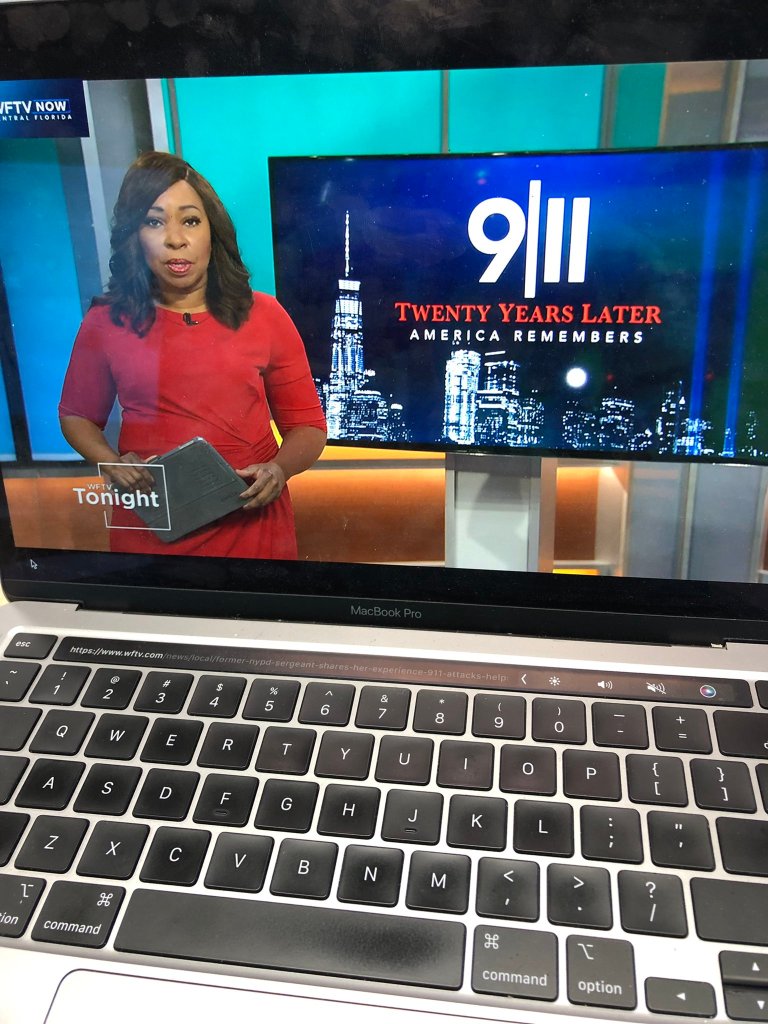
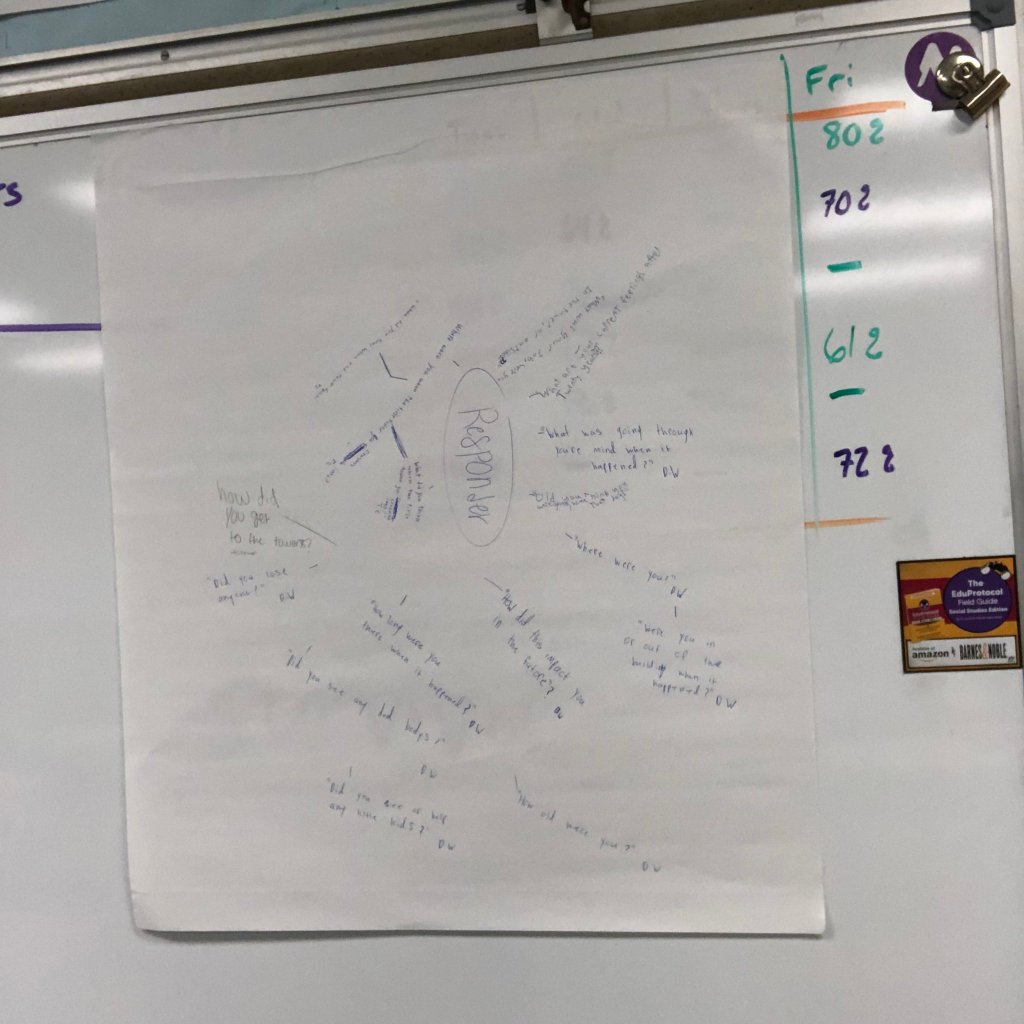

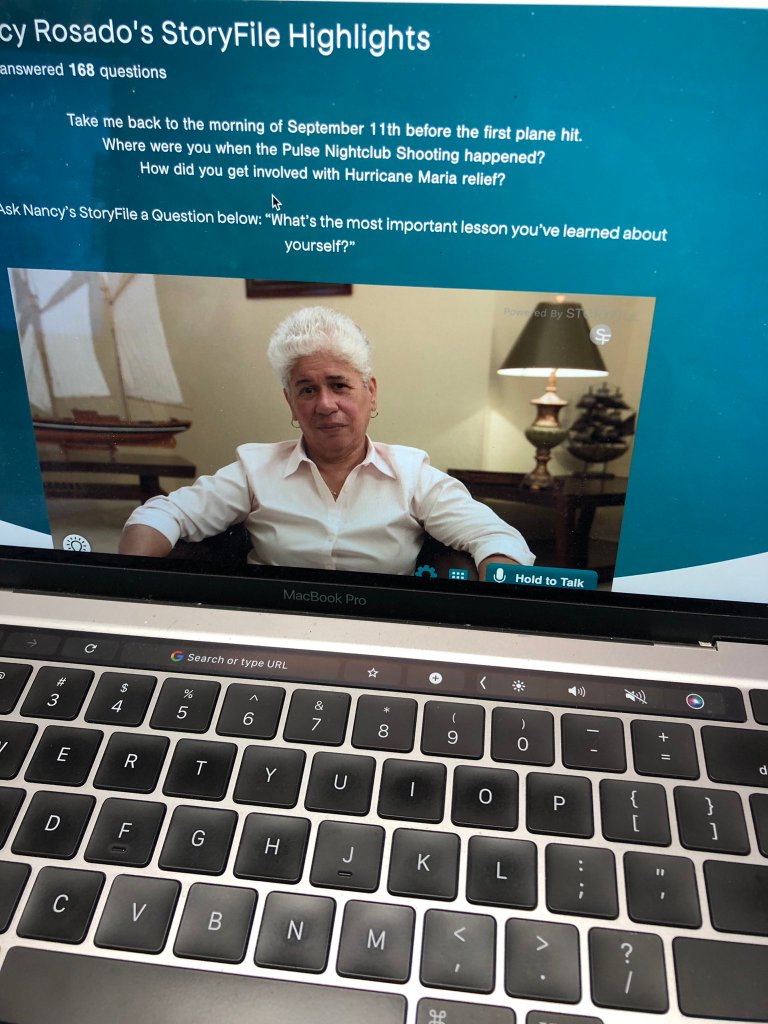

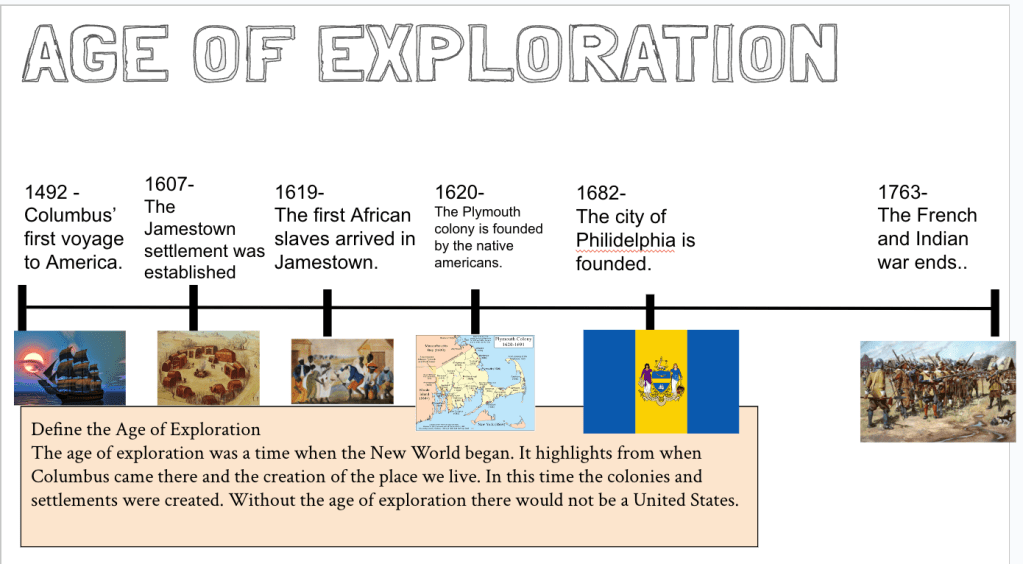

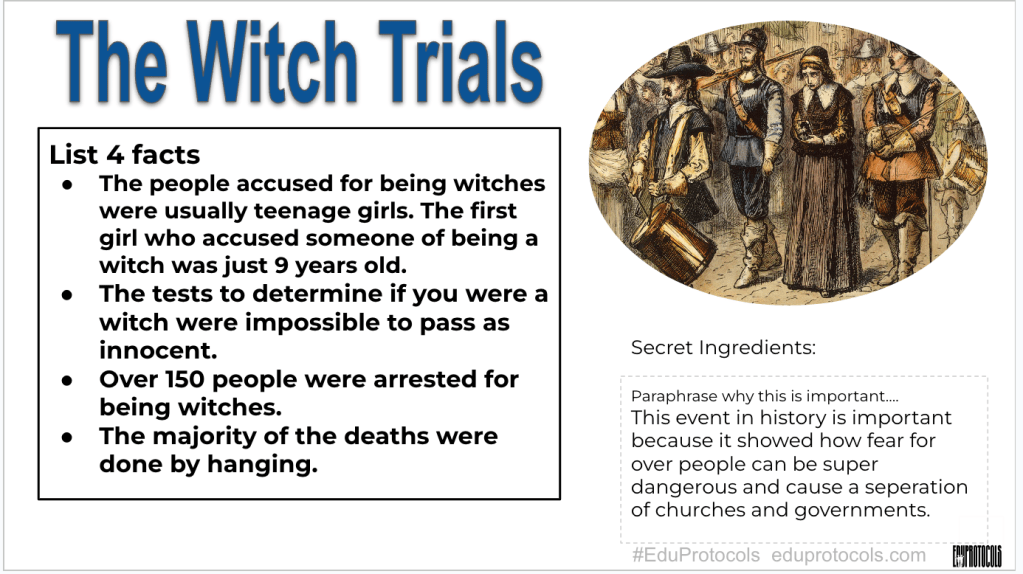
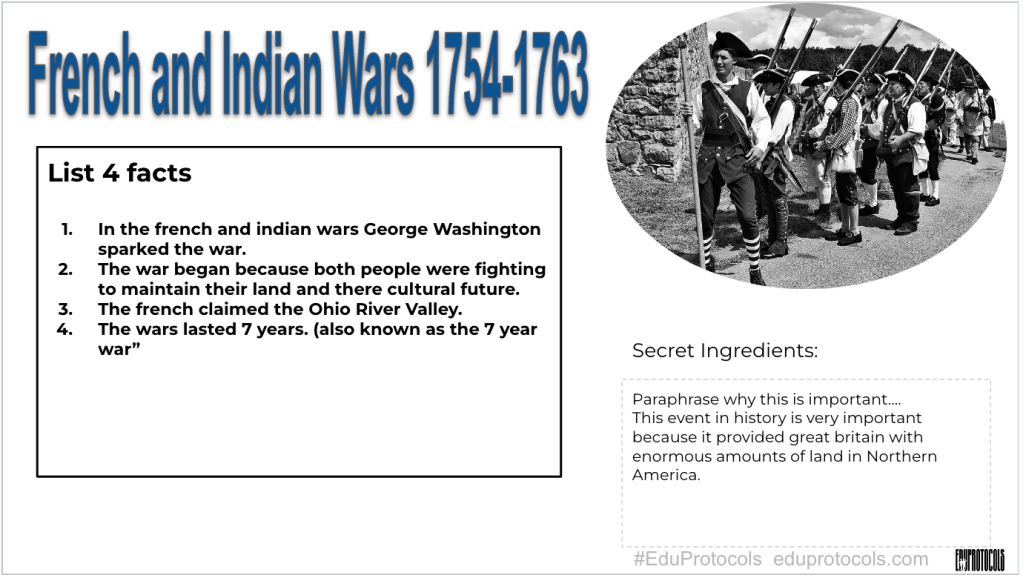
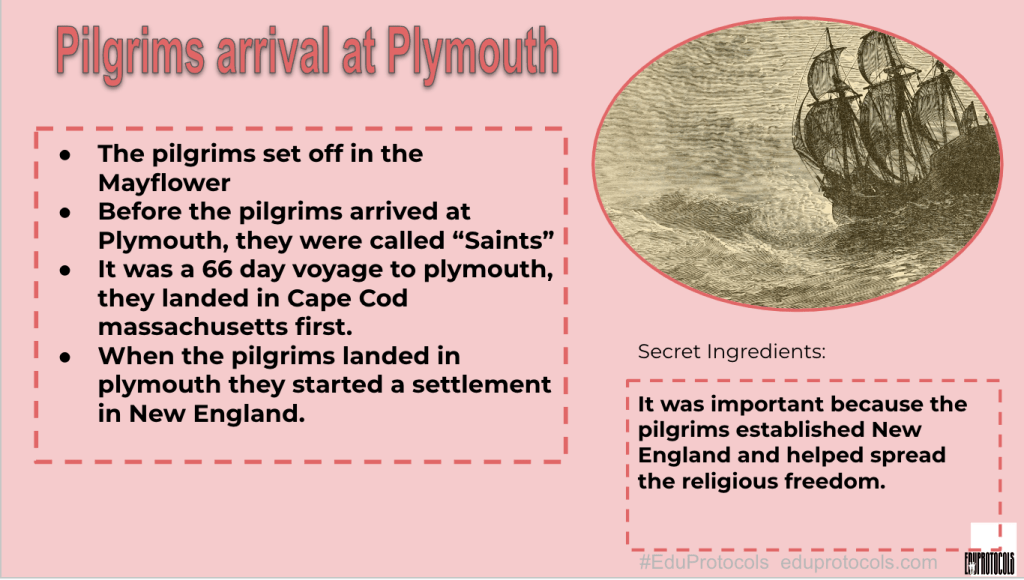

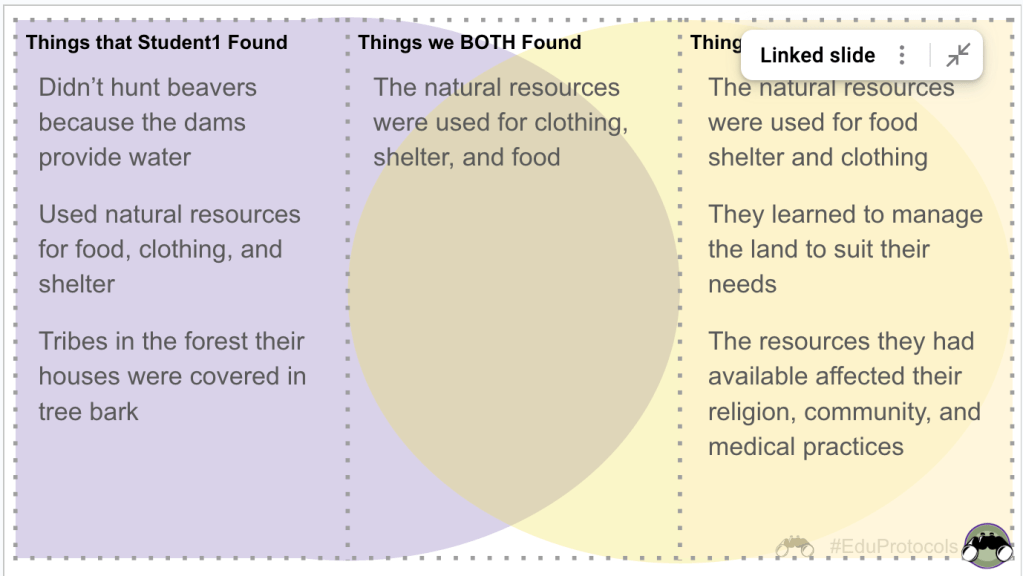


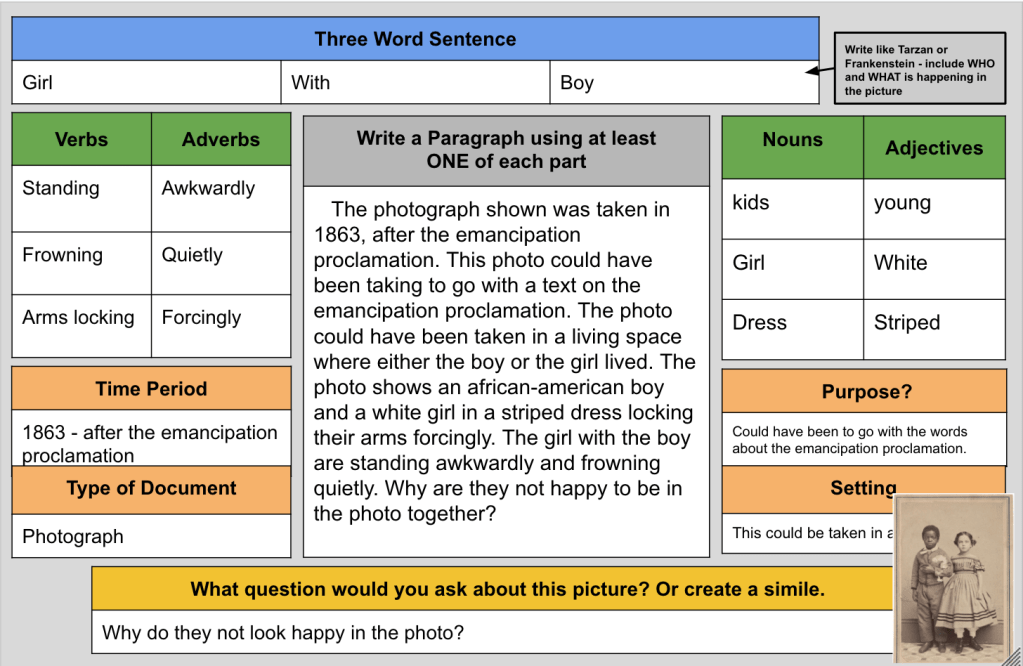
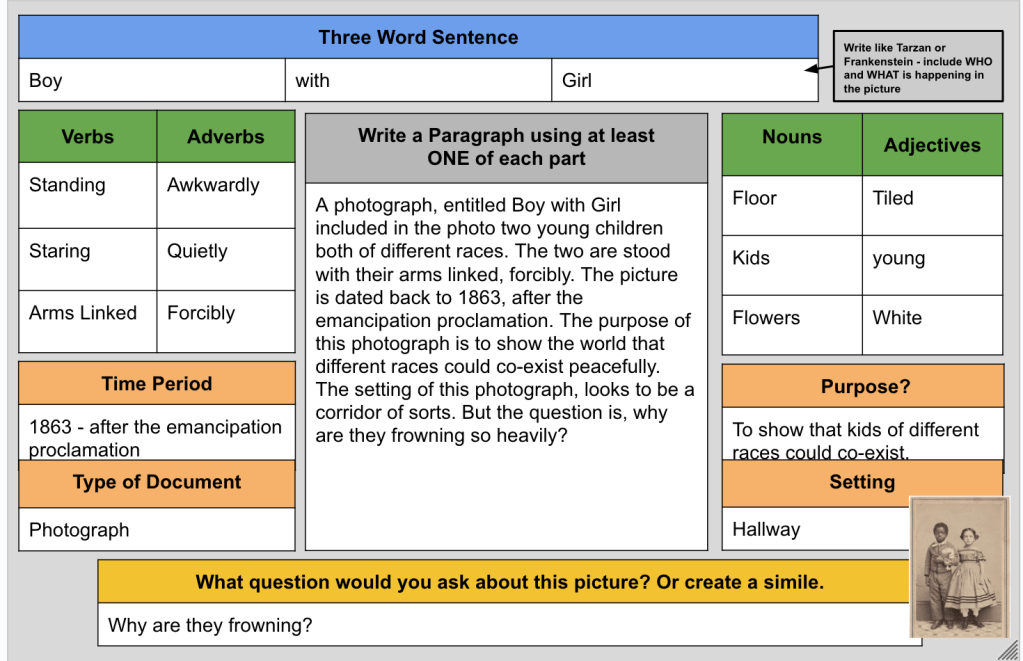


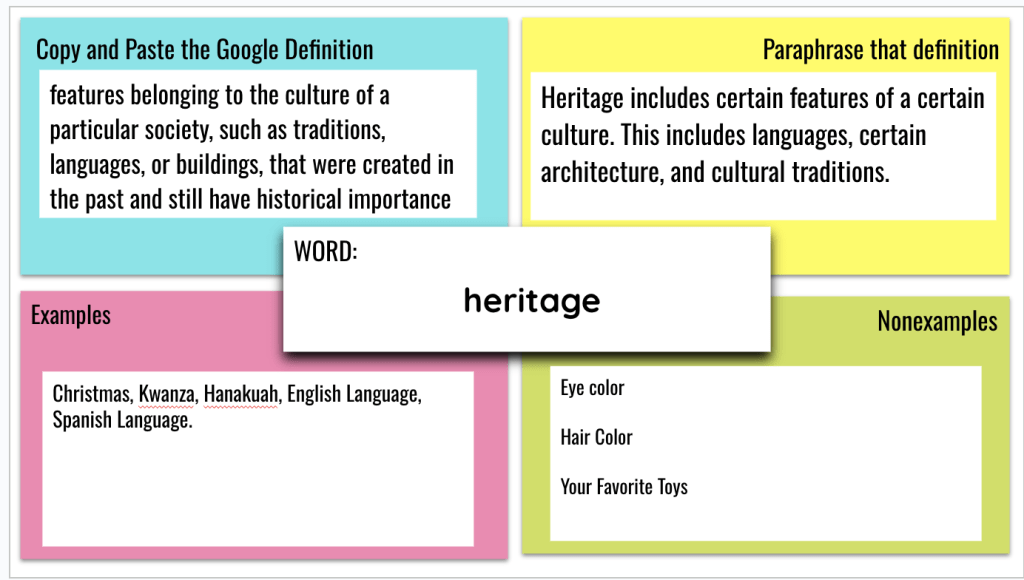


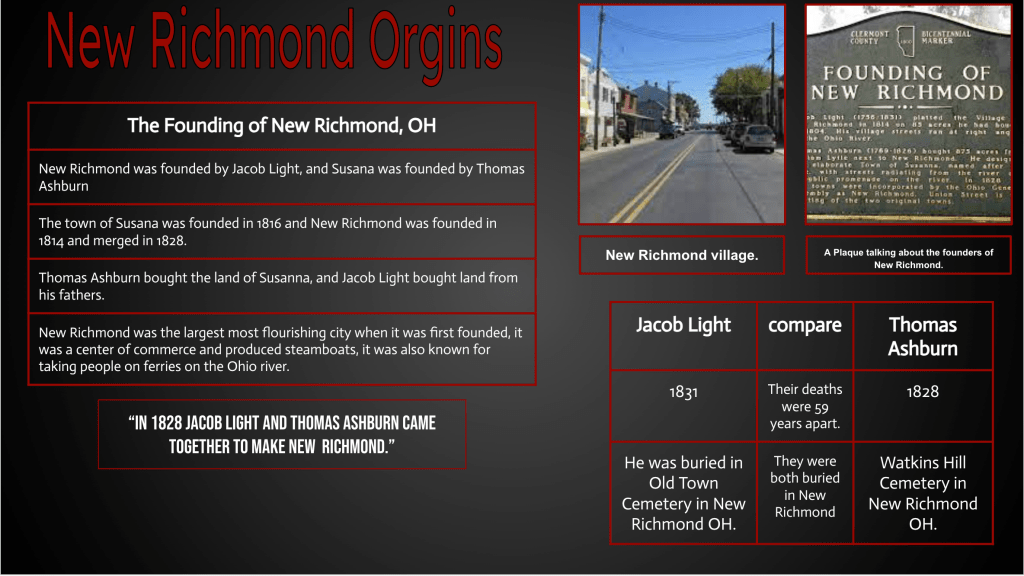

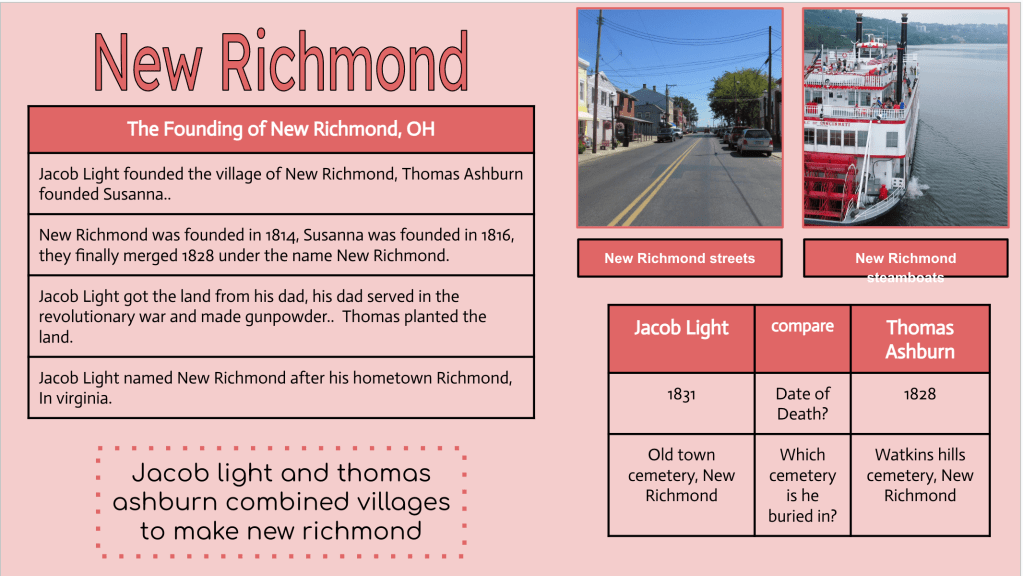
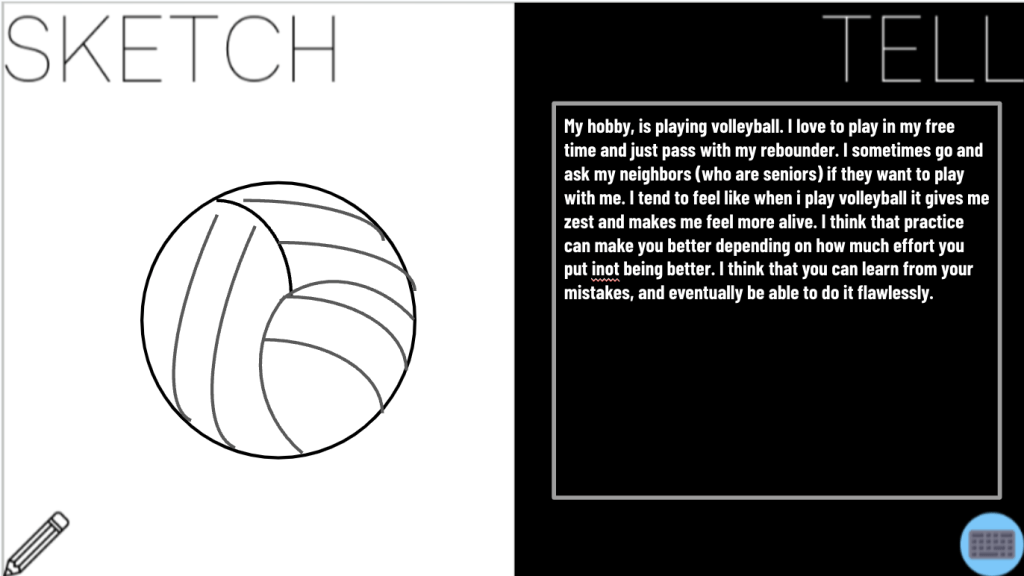

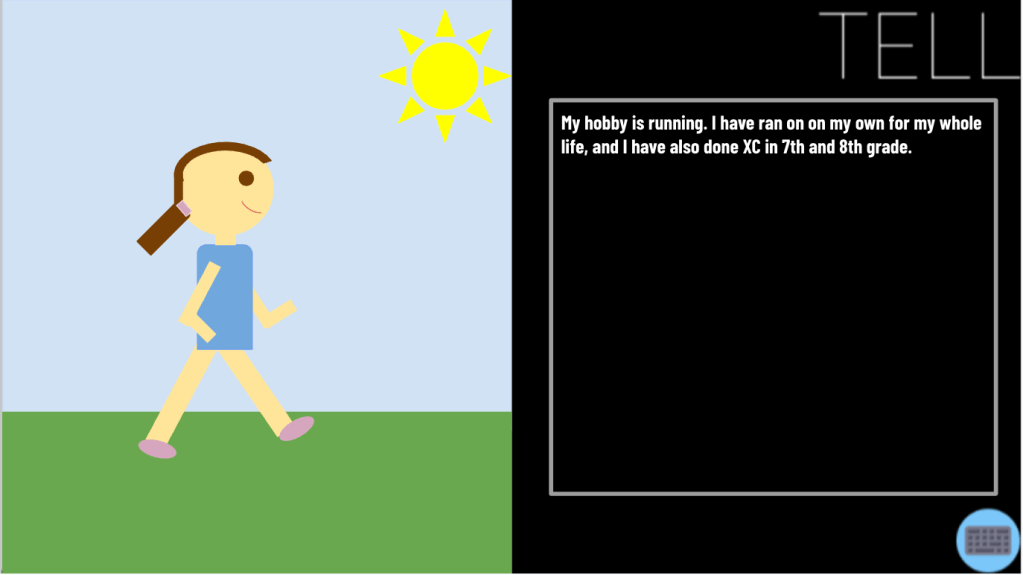


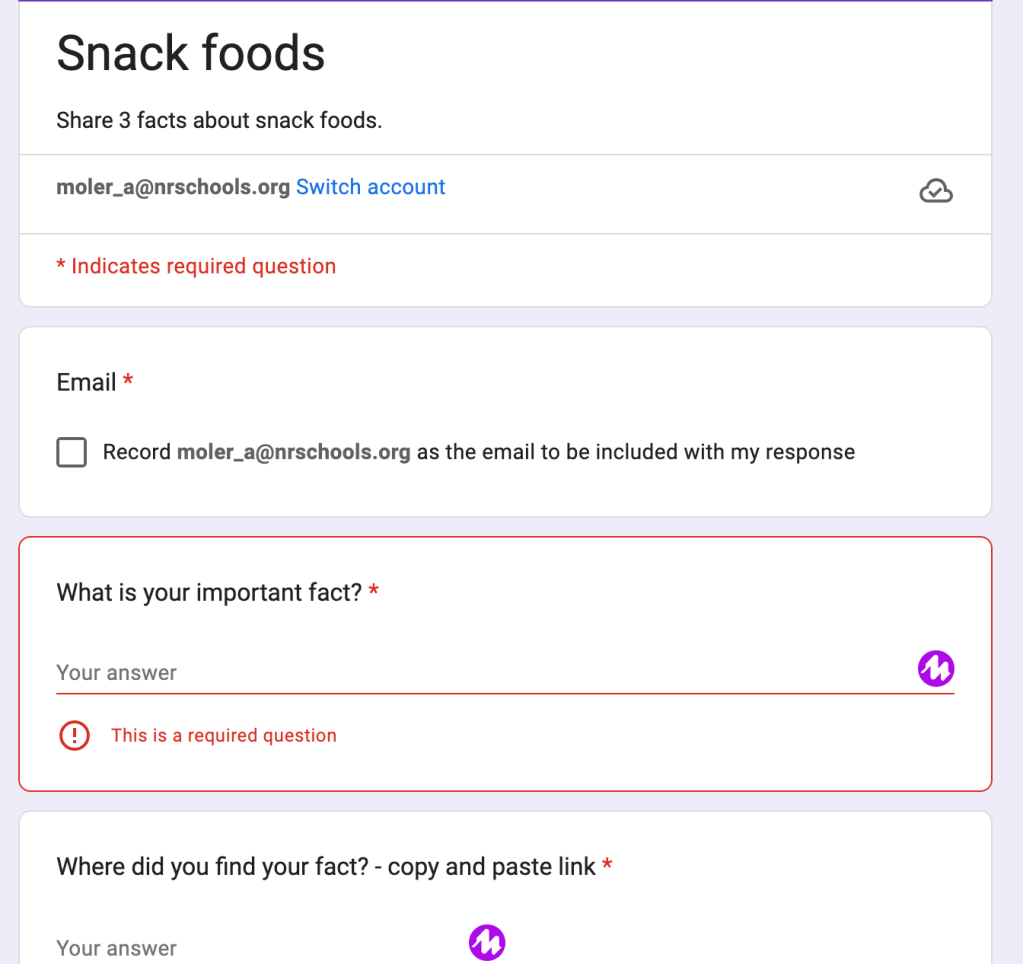


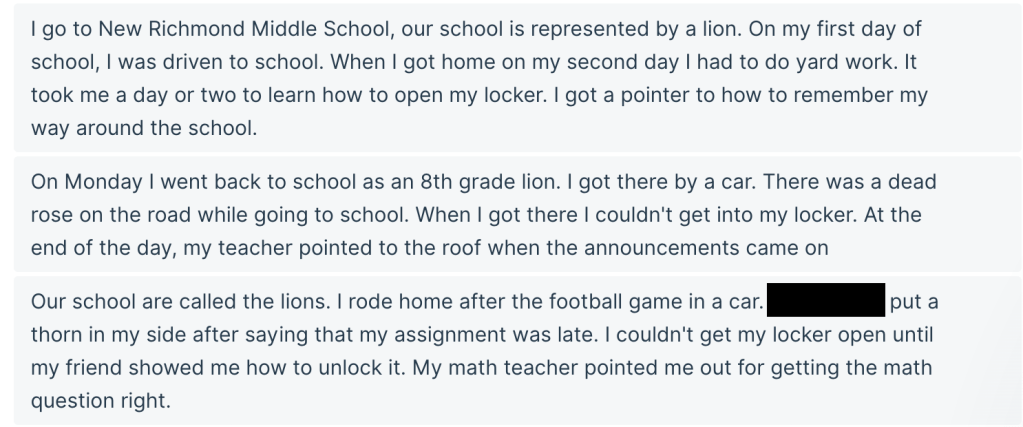


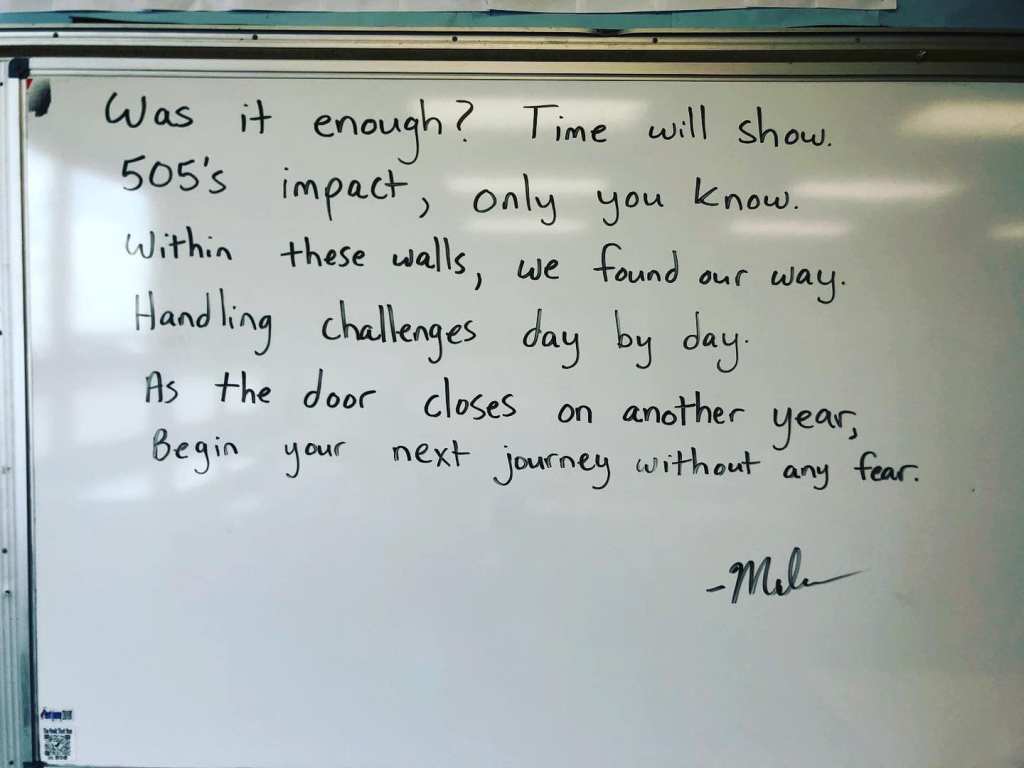

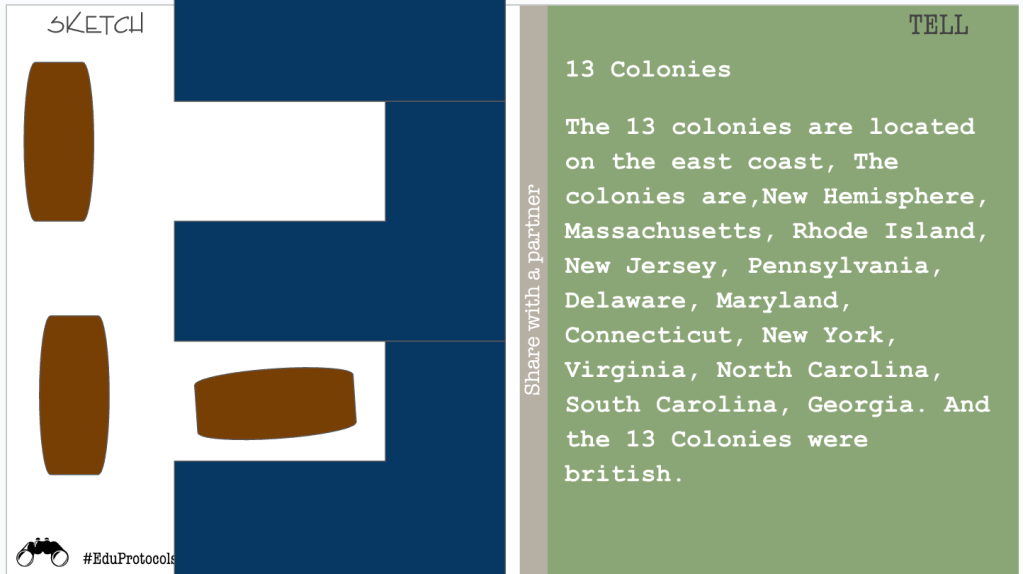
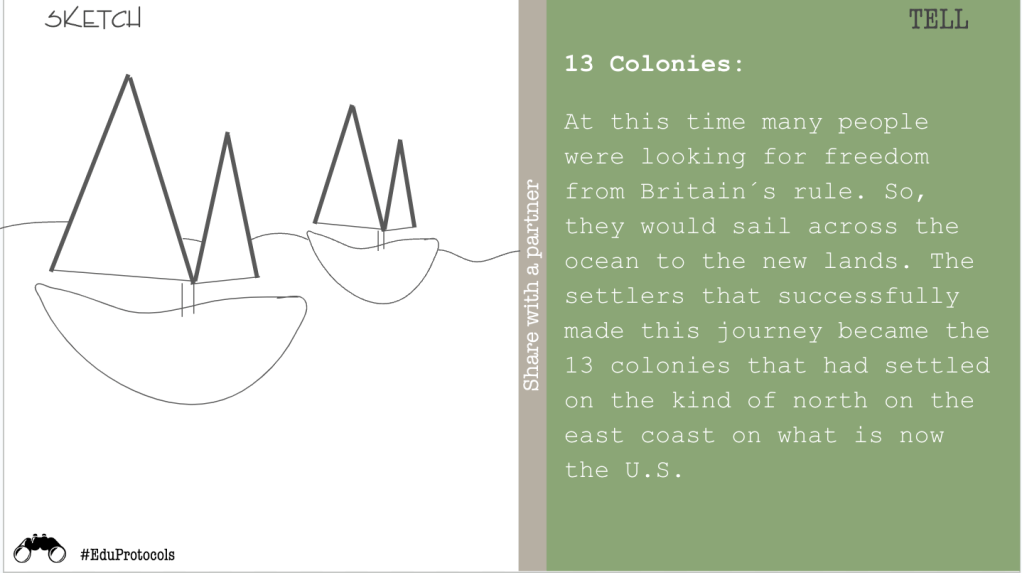


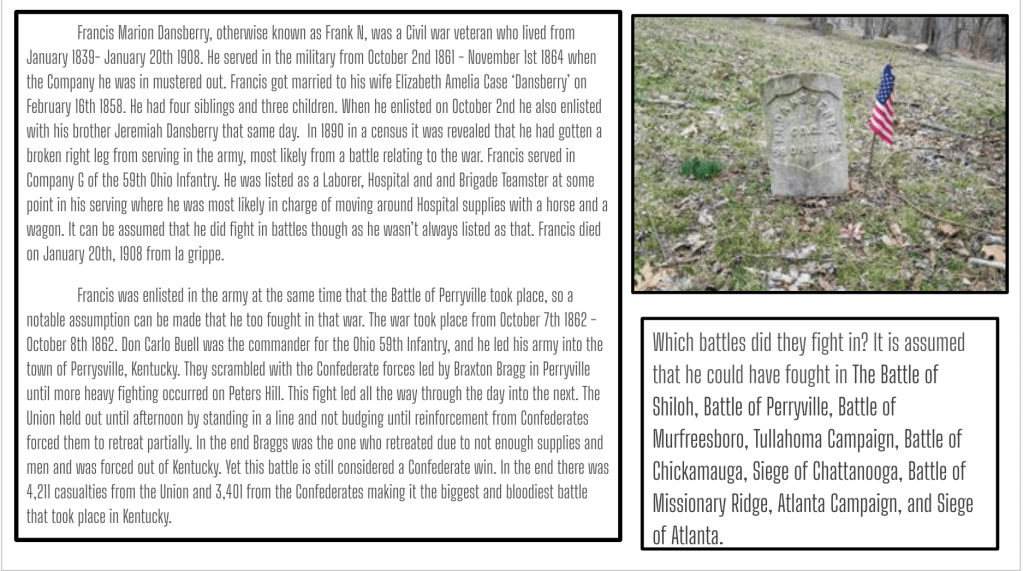
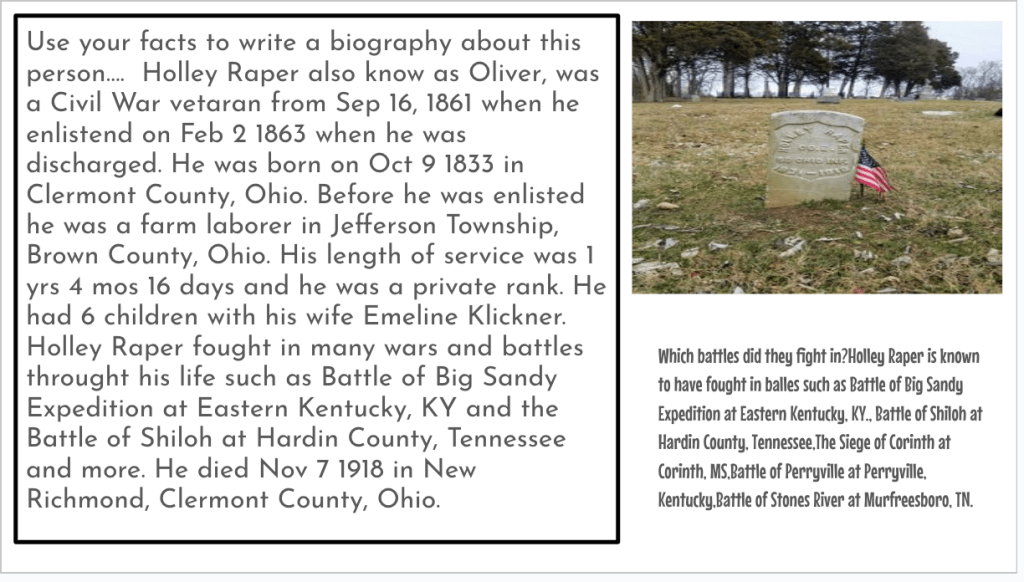

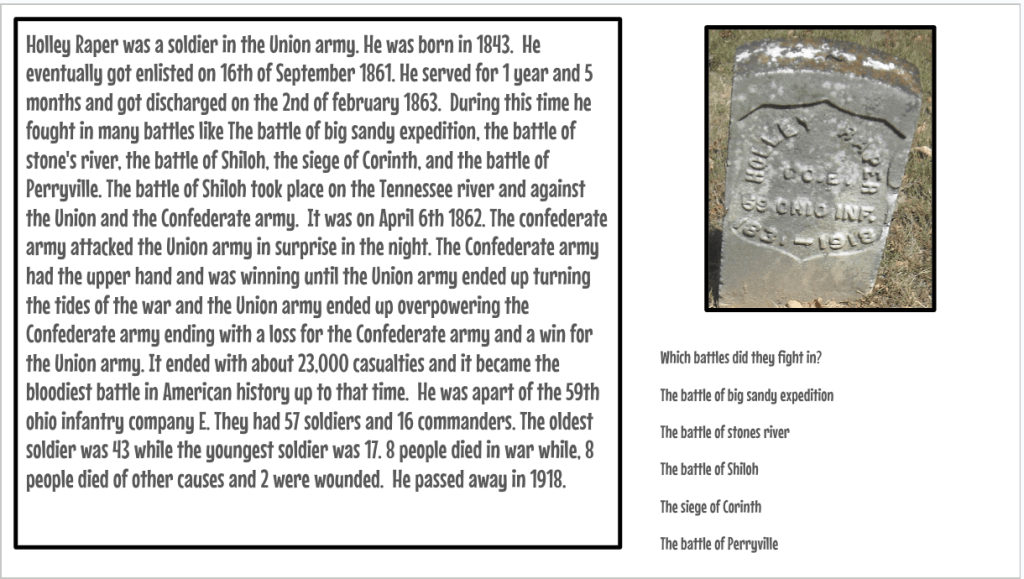
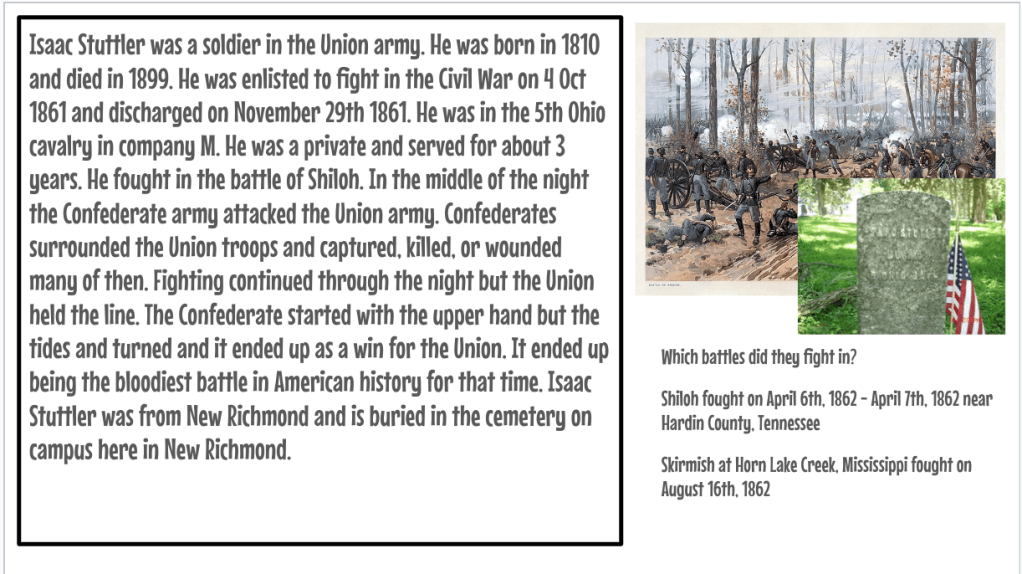

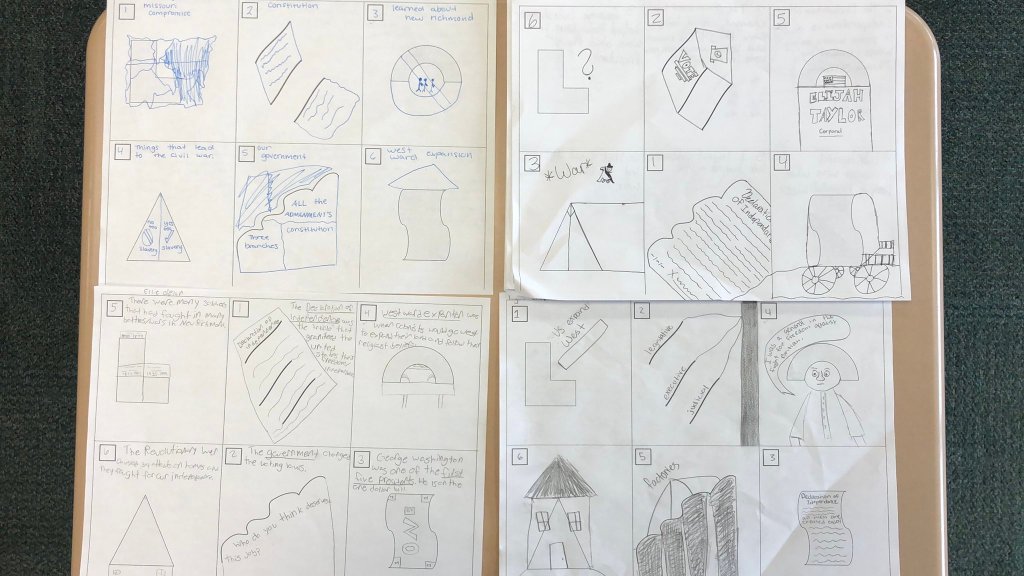


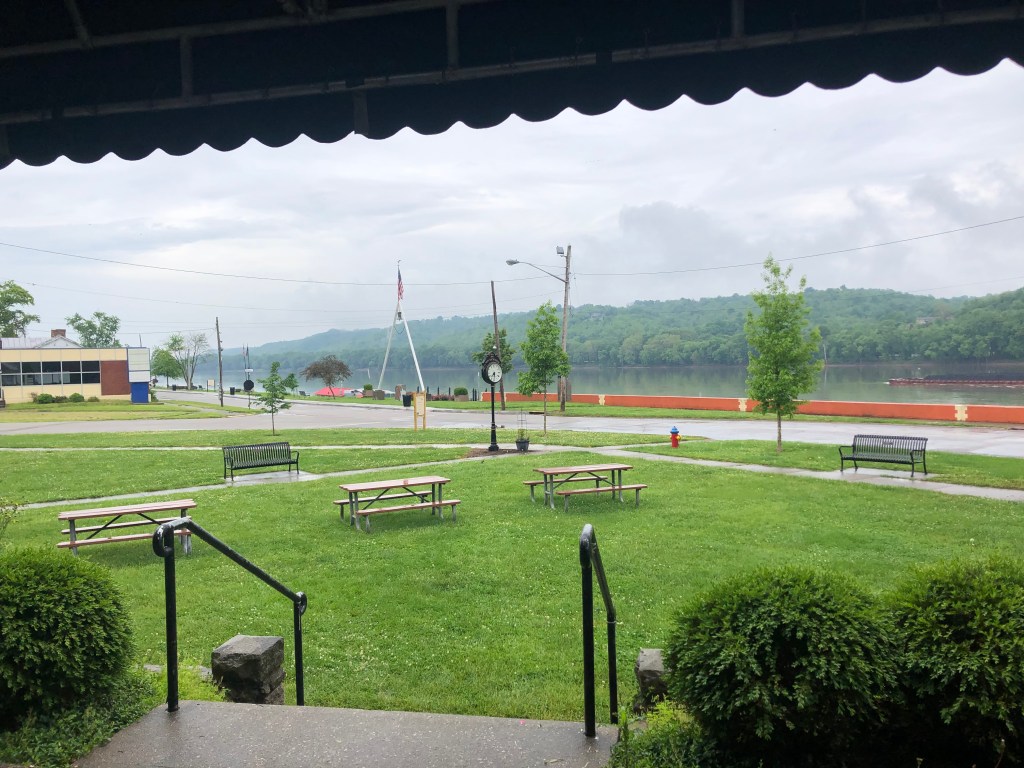

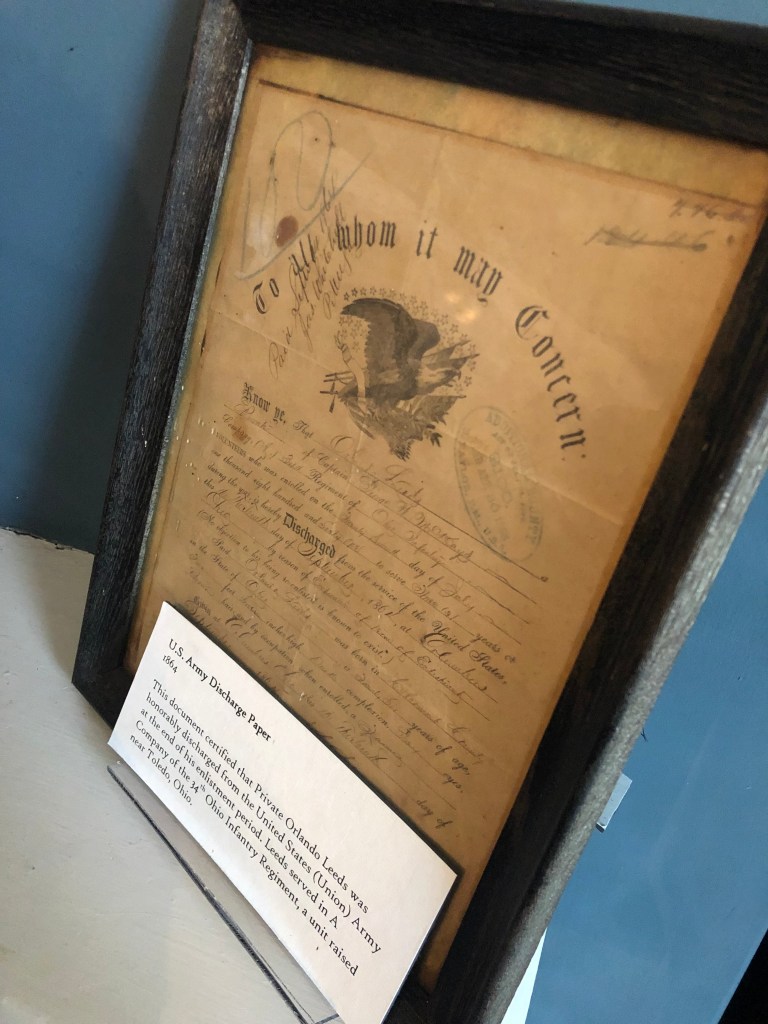
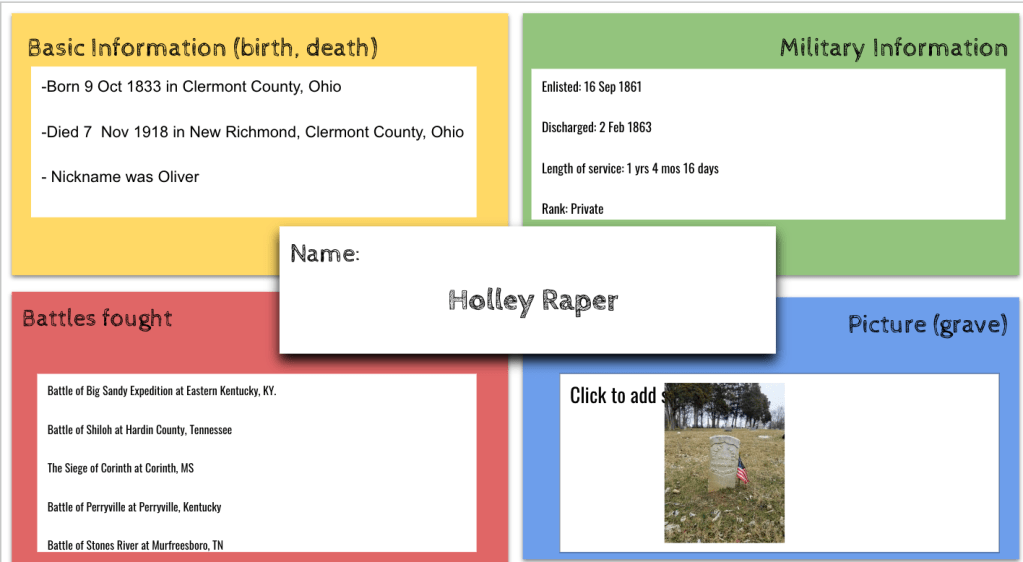


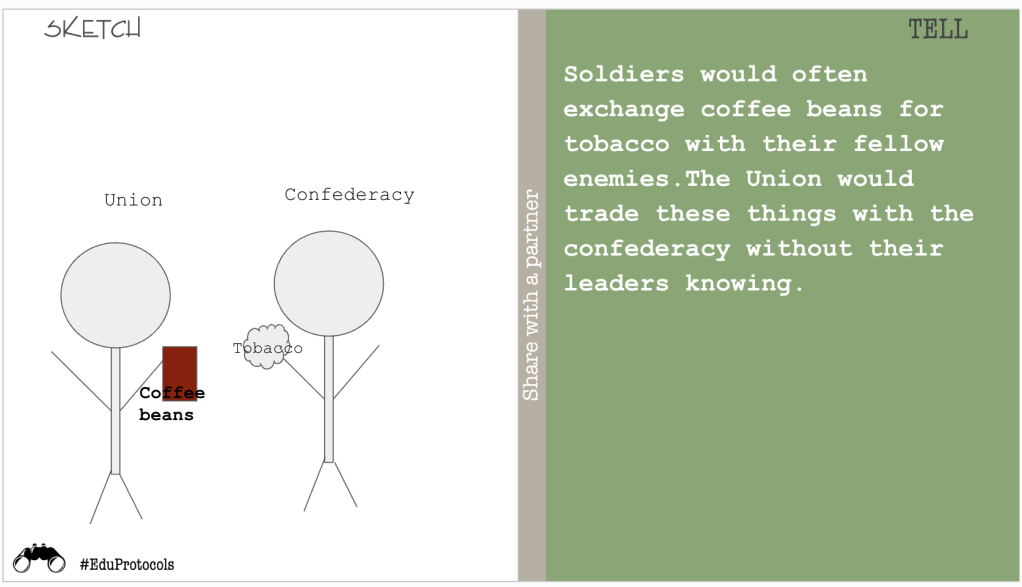
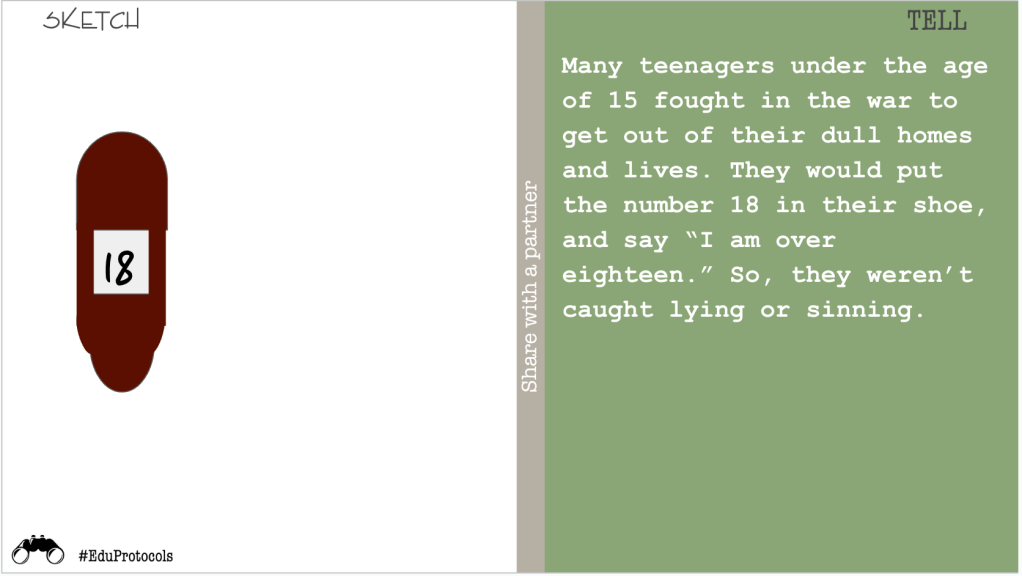


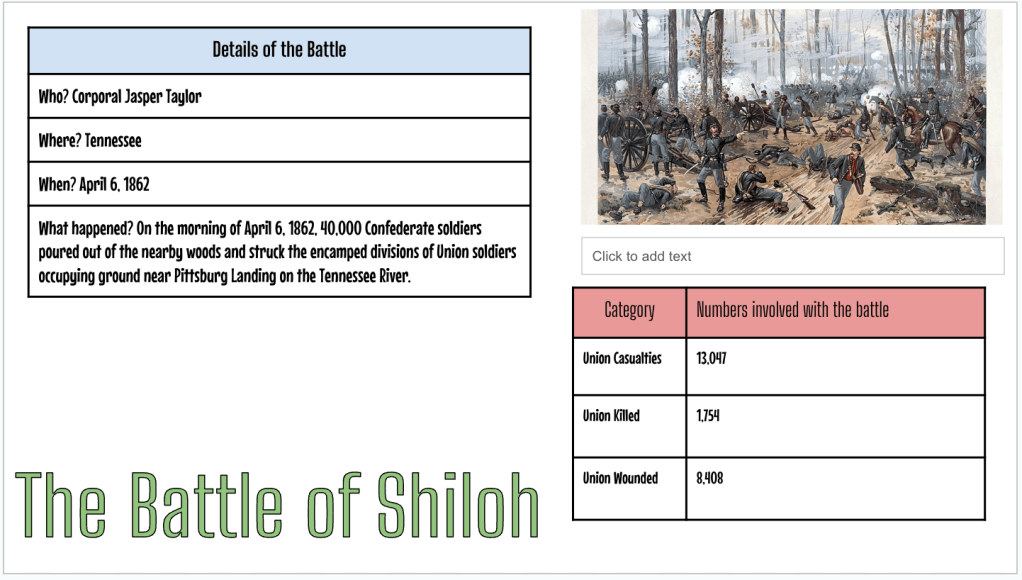
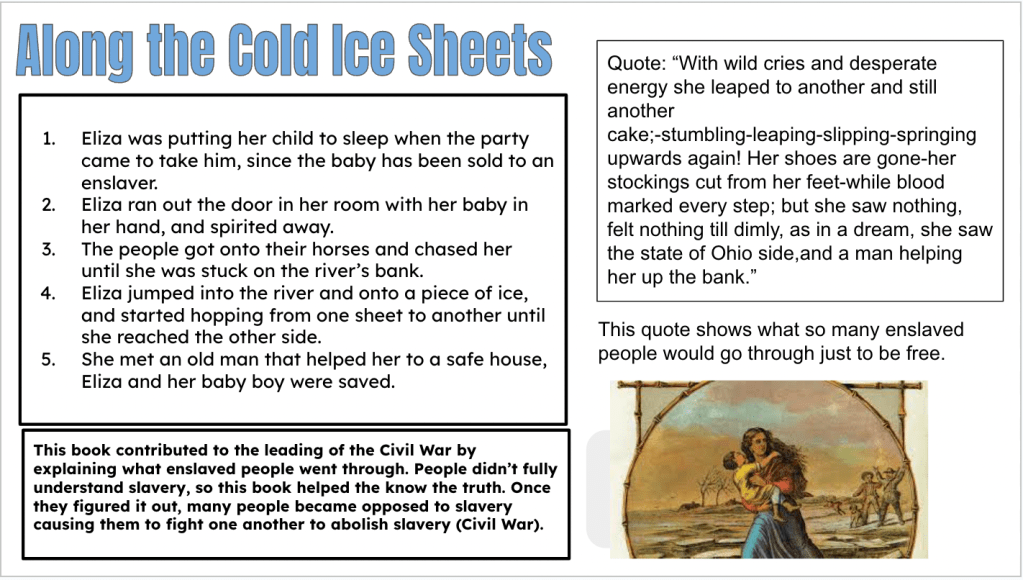


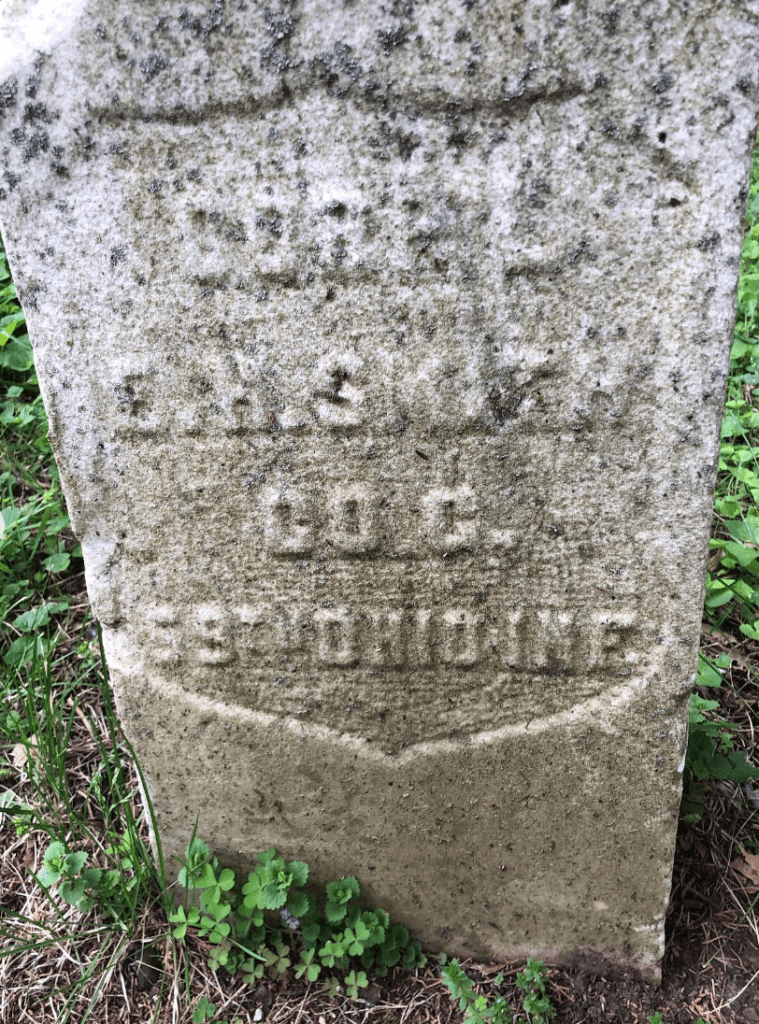

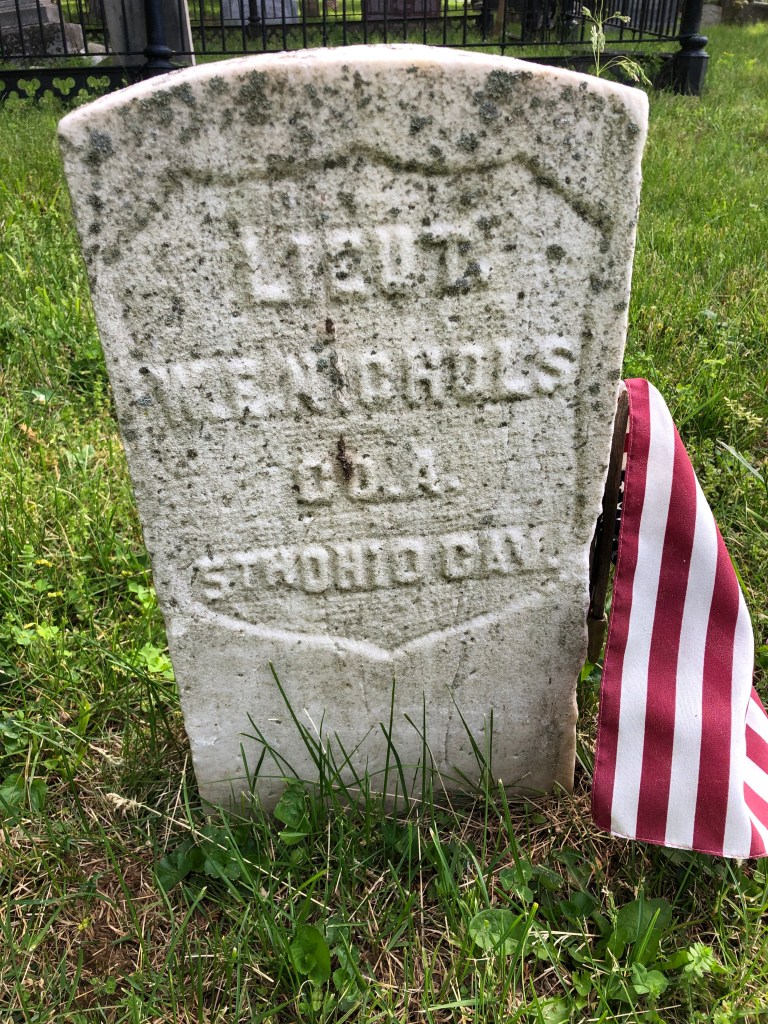

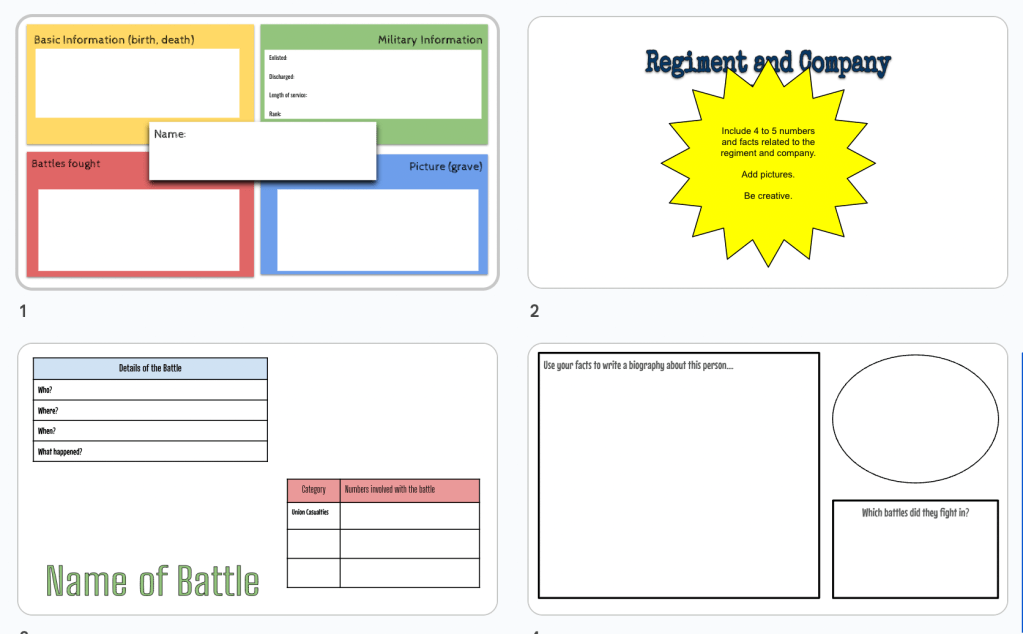
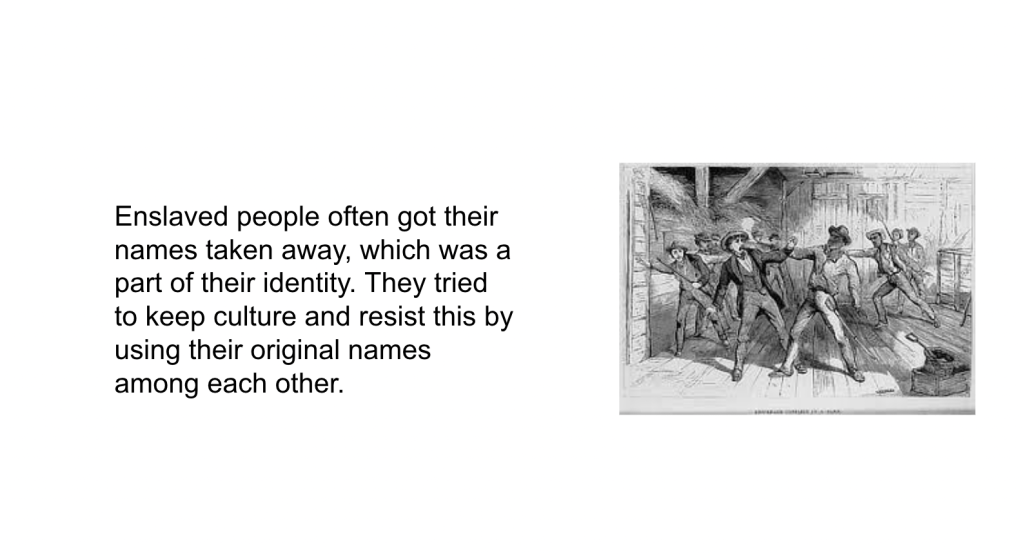


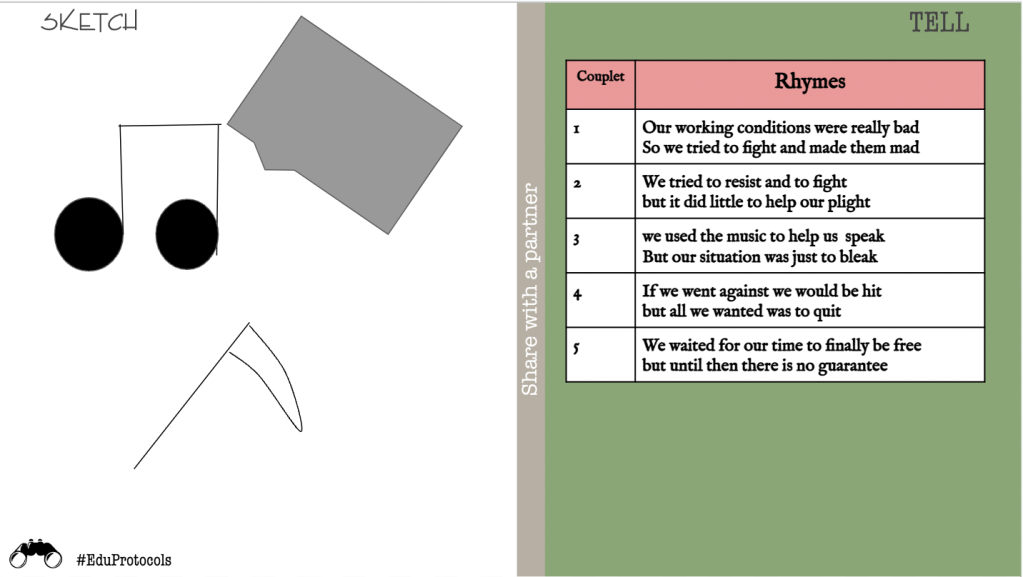
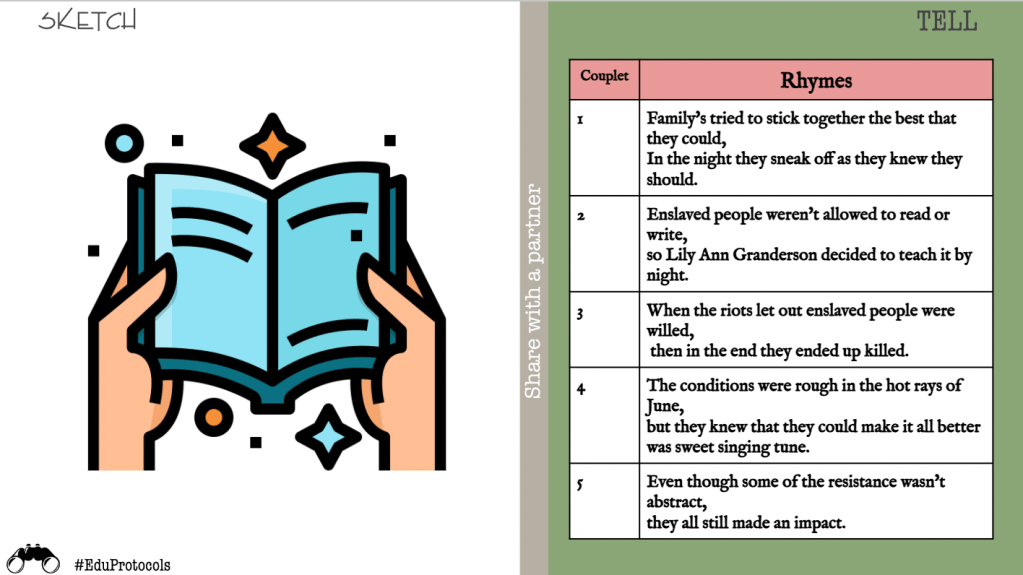
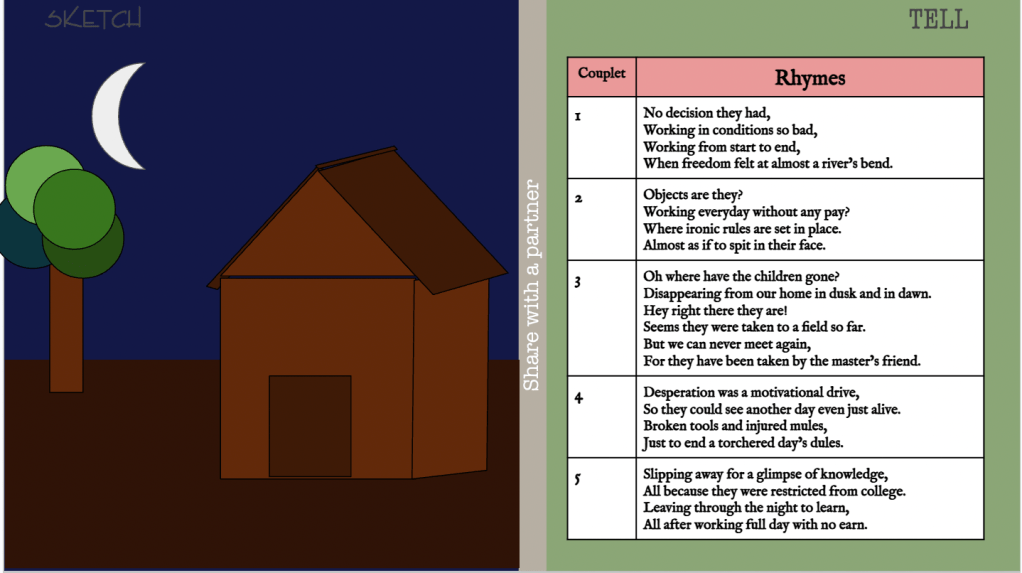
 Moler's Musings