There are some people you can learn something from every time you talk to them. That was Scott Petri for me. Whether it was during a presentation, a text thread, or a chat about lesson design, he had a way of dropping a sentence or two that would make me rethink what I was doing in my classroom.
He helped me see Social Studies through a different lens. Less about just covering content, more about treating it like literacy instruction. That idea that we’re not just teaching history but also building background knowledge, academic vocabulary, and real writing skills, still shapes how I teach today.
Here are some of the biggest things that stuck with me….
Social Studies is English
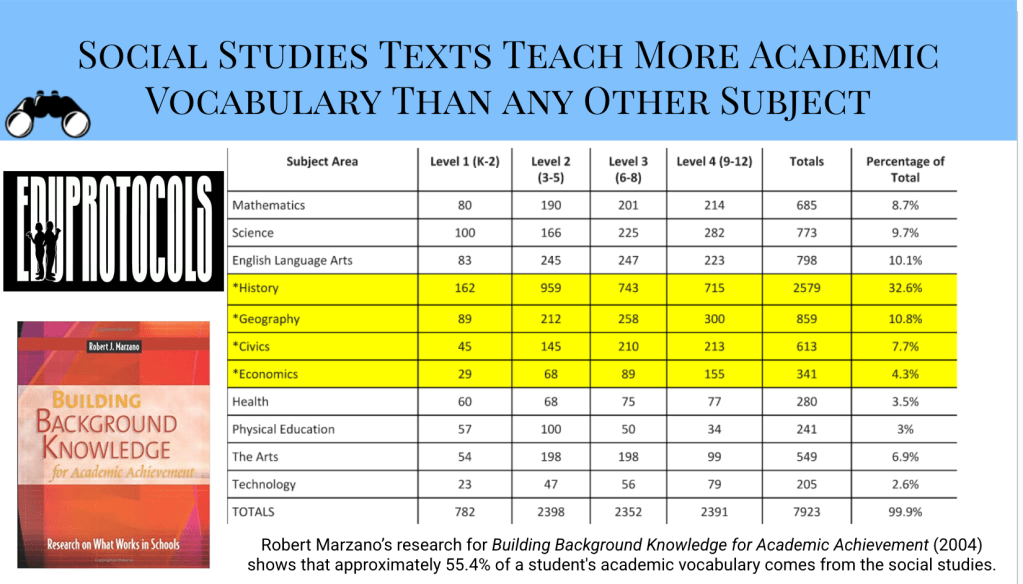
Scott used to say he was a “closeted English teacher.” He wasn’t just throwing that line out, he meant that if we’re teaching history well, we’re also teaching kids to read better, write better, and talk about complex ideas. One stat he shared really changed how I viewed my role: 55% of a student’s academic vocabulary comes from Social Studies. That’s massive. It made me way more intentional about teaching words and concepts instead of assuming kids would just “pick them up.” When I treat Social Studies like an English class, my students grow more in both.
Listening Is Learning
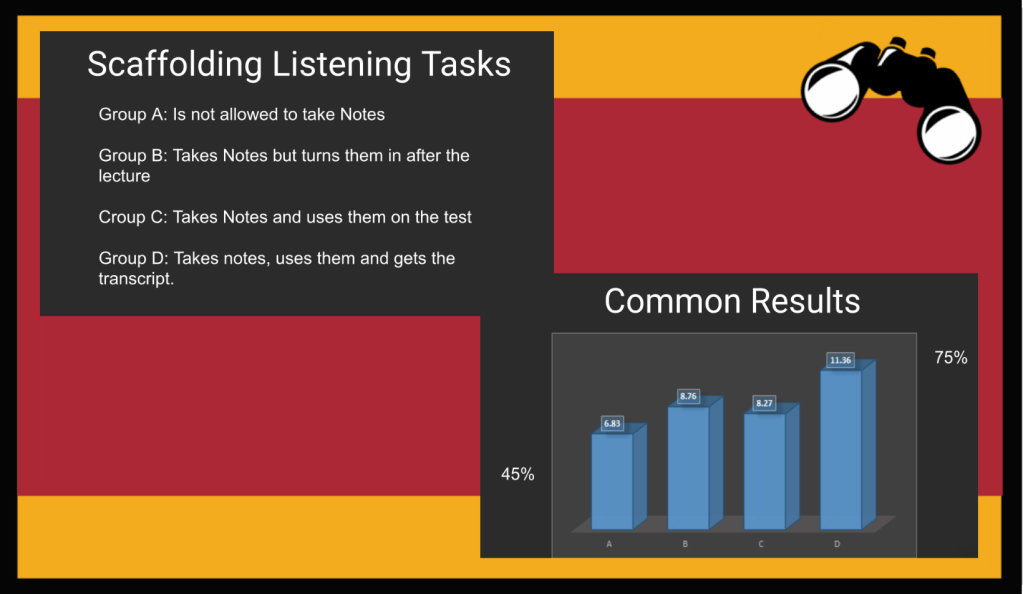
Scott taught me that students can listen and understand two to three grade levels above where they can read. That fact gave me a huge mindset shift. I used to feel a little guilty when I read texts aloud or used podcasts or narrated videos. It felt like I was doing too much of the work. But this past year, when I was doing a lot of reading aloud to my class, I remembered what he said. I wasn’t just talking at them, I was helping them access content they wouldn’t be able to get on their own.
Letting students listen, follow along with a transcript, and take notes isn’t cutting corners, it’s smart scaffolding. It helps them build confidence and fluency without feeling lost. Multimodal input: reading, listening, writing works better than just throwing a hard article at a struggling reader. That’s something I leaned into more this year, and it paid off.
Connections Are Where the Learning Happens
Scott shared a stat in most of his presentations that came from the 2021 AP U.S. History exam: only 15% of students could successfully make historical connections. We’re pretty good at helping students recall facts. But making connections? That takes practice—and modeling.
Scott was always pushing us to slow down and help students ask questions like, “How does this relate to what we’ve already learned?” or “What’s the bigger theme here?” And this is exactly why he created the Archetype Four Square: a powerful tool that helps kids organize historical events into meaningful patterns and themes. It’s a simple structure that forces them to think about how ideas evolve, connect, and repeat across time. It’s one of the most practical ways I’ve seen to build true historical thinking skills.
Reflection Isn’t a Side Dish—It’s the Main Course
Another big takeaway from Scott was the way he used student reflection and exemplars. Not as an extra. As a core part of the learning. Whether it was a Cybersandwich or a Number Mania or a Retell in Rhyme, he modeled how to show students what good looks like, and then helped them figure out how to get there.
After a Cybersandwich, I’d show students the notes I wish they had written. After a Number Mania, we’d reflect: “Did these numbers tell a story or just fill a slide?” That kind of thinking has changed how I run my classroom. It’s not just about doing the activity. It’s about growing through the feedback loop……..
Final
I still catch myself quoting things I heard Scott say in a Zoom call or presentation. Little ideas that stuck with me and ended up changing how I teach. He helped me raise the bar, not by making things harder, but by helping me teach smarter.
If you’ve ever wondered if those small moments of professional learning matter trust me, they do. They ripple. They stay with you. And sometimes they become the foundation of how you teach moving forward.


 Moler's Musings