
After years of using EduProtocols, I’ve learned that a few always rise to the top, especially in a year with content to cover, AI to manage, and routines to maintain. These three protocols: Fast and Curious, Number Mania, and Thick Slides became the top 3 EduProtocols I used this year.
Fast and Curious
This one’s been a staple for me year after year.
It set the tone for class, gave us quick retrieval, and got vocab into students’ brains before they needed to use it in a deeper task. I stuck with Quizizz most days and kept the sets short, tight, and tied directly to our content theme. Played it twice: once cold, once after a fast reteach or class discussion. Bonus if the class average hit our target, they earned 100% in the grade book.
How I used it:
- Previewed key terms for units on Colonization, Constitution, Expansion, Industrialization, and Civil War
- Included terms like mercantilism, urbanization, checks and balances, sectionalism
- Built student buy-in by letting them submit terms to include
- Used it mid-lesson when attention dipped or as a quick Friday review
- Turned Quizizz class averages into a challenge: beat your Monday score by Friday
Fast and Curious Tip:
You can easily find premade quizzes on Gimkit or Quizizz – simple, easy, ready to go. However, I don’t often do that because they are not worded in a way that I teach or word things. So, I will often take the textbook section of readiongs for the week and upload those to ChatGPT. I have ChatGPT extract vocabulary words and create questions that fit with the content.
Number Mania
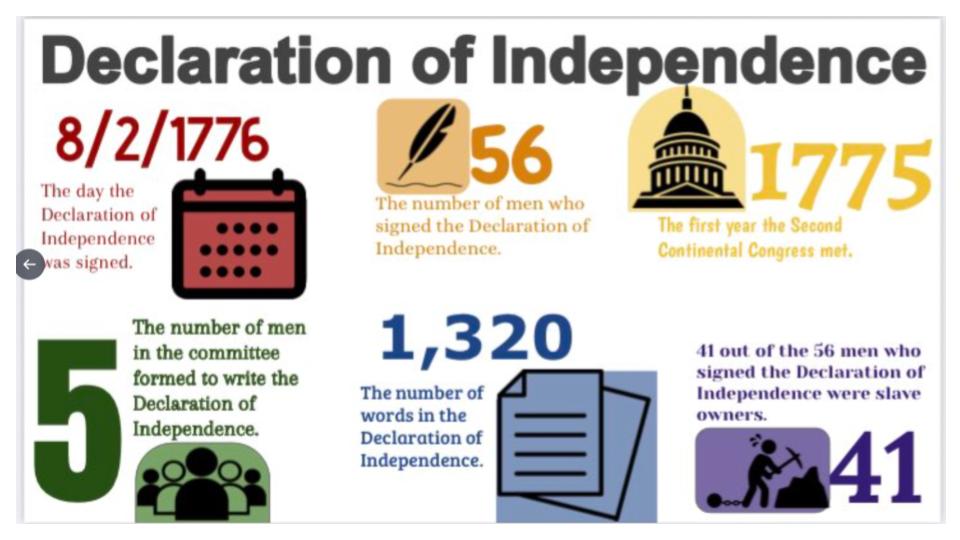
This protocol moved from a go to graphic organizer to one of the most powerful thinking routines I used all year.
At first, it was just about identifying meaningful numbers. But it quickly became the tool that helped students back up their claims with evidence, especially when layered into short writing tasks or argument structures.
How I used it:
- After short readings on Jamestown survival rates, Revolutionary War casualties, Constitutional compromises, factory wages, and Civil War production
- Students pulled 3 – 4 key numbers, paraphrased them, and explained their significance
- Paired with icons, AI generated visuals, or short captions
- Rolled right into Short Answer responses or “Divide the Pie” arguments
- Posted top examples to Padlet and used them as models
The extension that worked best:
I started requiring students to use two of their numbers in a Short Answer claim. For example: “Why was the North better positioned to win the Civil War?” They had to cite the railroad mileage, factory output, or population numbers they had just worked with. The writing was better because the thinking was already done.
Bonus variation:
AI generated “Truth with Sprinkles” – I gave them a fake paragraph with incorrect numbers, and they had to fix it using their Number Mania notes. Quick, smart, and fun.



Thick Slides
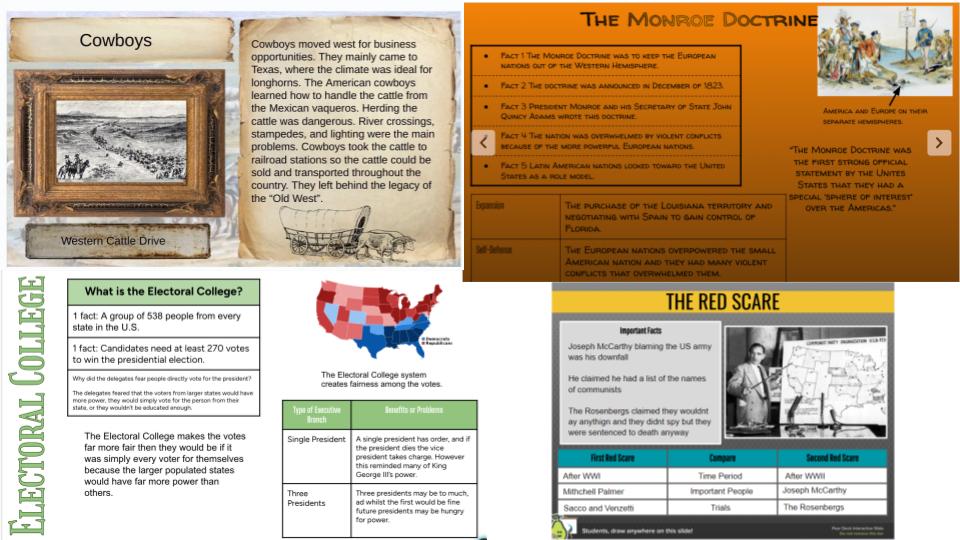
This became my go to for synthesis and creative output.
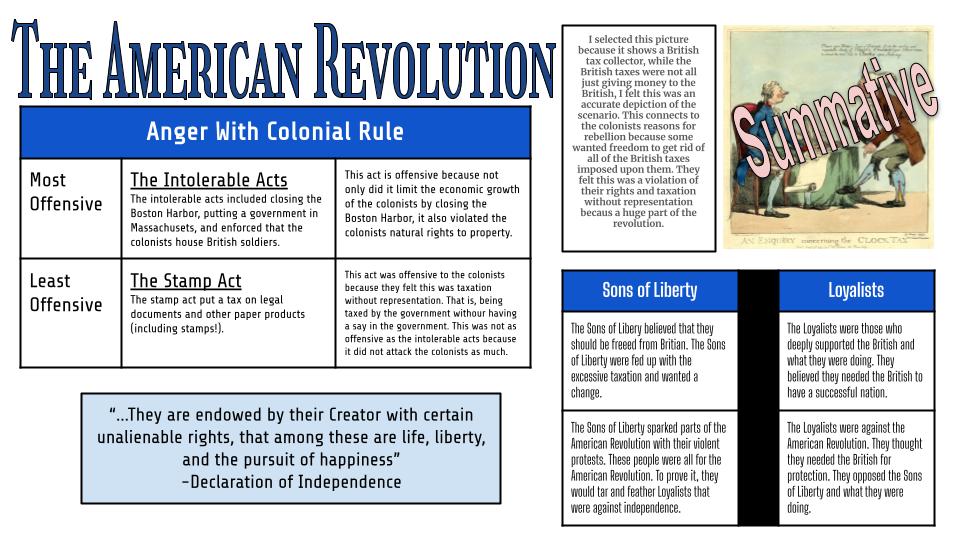
Students got one slide to make their thinking visual. We used a set structure title, visuals, stat or quote, short summary and it let me see quickly who got the content and who needed help.
How I used it:
- Wrapped up content from Colonial Regions, American Revolution, Industrialization, Reform Movements, and Civil War
- Assigned AI image generation to visualize abstract concepts or quotes
- Had students screenshot their slide and upload it to MagicSchool for feedback
- Turned slides into gallery walks or Padlet posts to compare perspectives
The best variation this year:
After students created their slide, I had them use it in a Divide the Pie activity. Each student argued which reformer, event, or region had the biggest impact—using only the details from their slide. It forced them to know what they made and defend it.

Final Thought
These three: Fast and Curious, Number Mania, and Thick Slides did more than fill time. They became a rhythm. Retrieval led to analysis. Analysis led to argument. Argument led to creative synthesis. They worked with any unit, played well with AI, and kept students focused.
Let me know if you want copies of my Number Mania prompts, Thick Slide templates, or how I stack these across a full week. Always happy to share.

 Moler's Musings