This week we wrapped up our last unit and began a new one. The transition brought a nice mix of reflection and fresh energy as students finished their Netflix series projects and shifted into our study of the 13 Colonies. We moved from storytelling and creative thinking to deeper analysis and discussion, setting the stage for our new compelling question: Was colonial America a land of opportunity or inequality? It felt like the perfect balance of closure and new beginnings, with students ready to take on the next challenge.
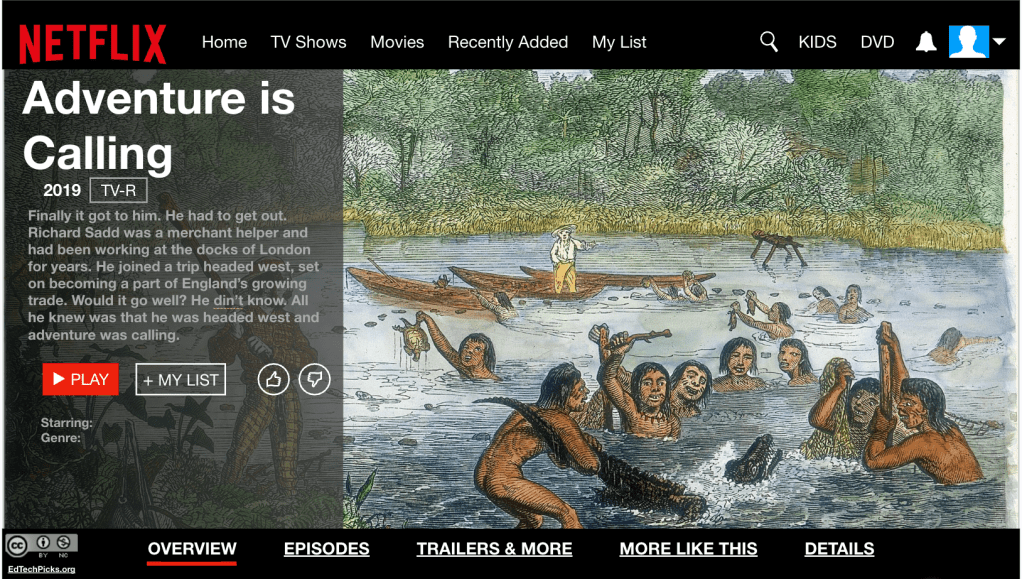
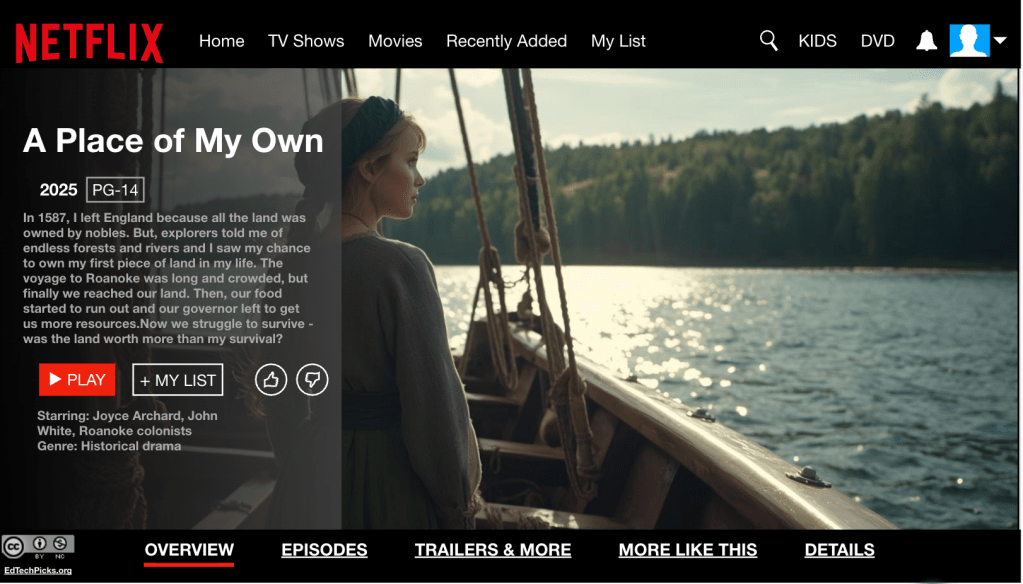
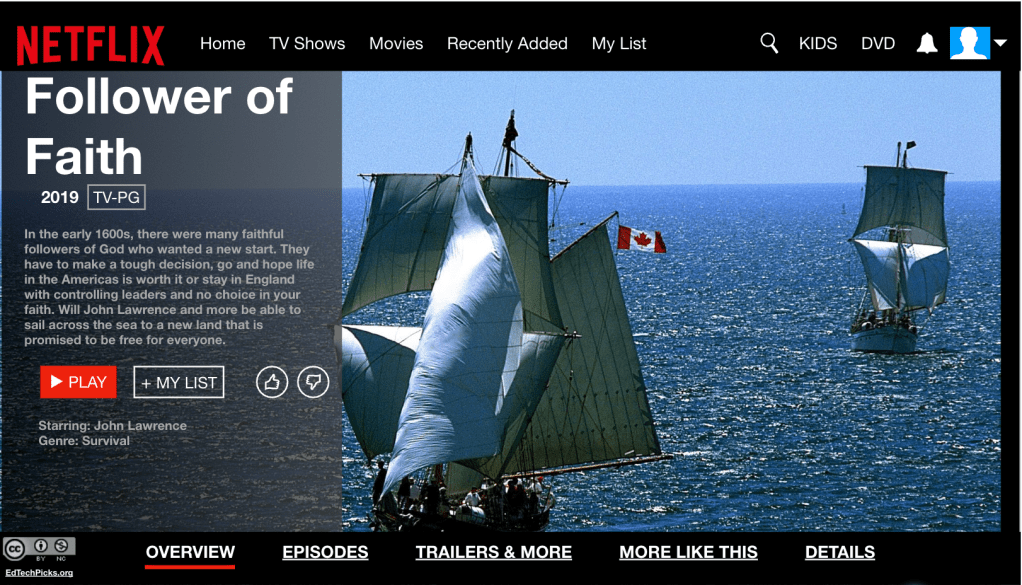
Tuesday – Netflix template
Wednesday – TIP Chart, Vocab Reading, Pictures, Picture Questions
Thursday and Friday – Colonial Regions
Tuesday – Finishing Our Netflix Series
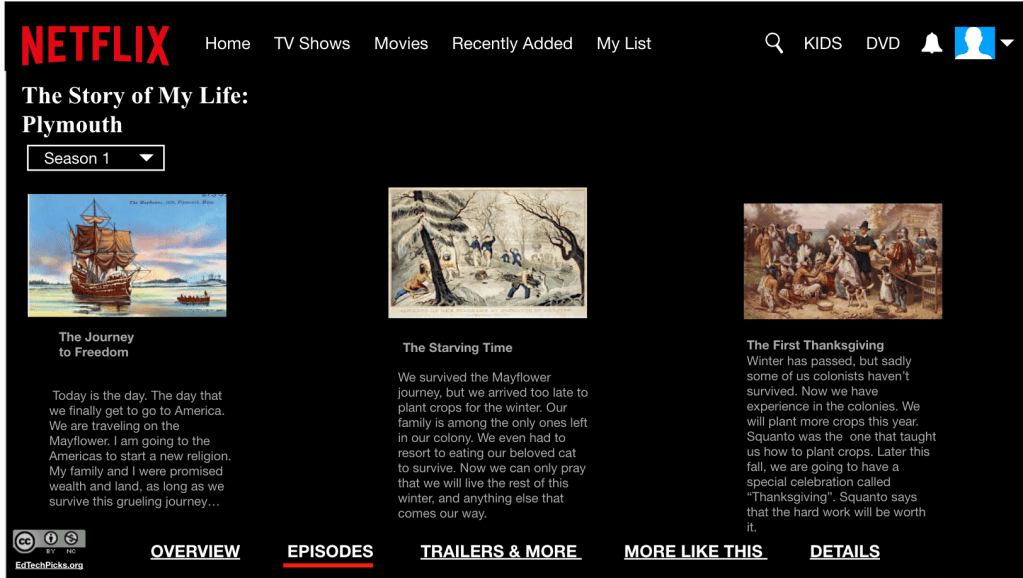
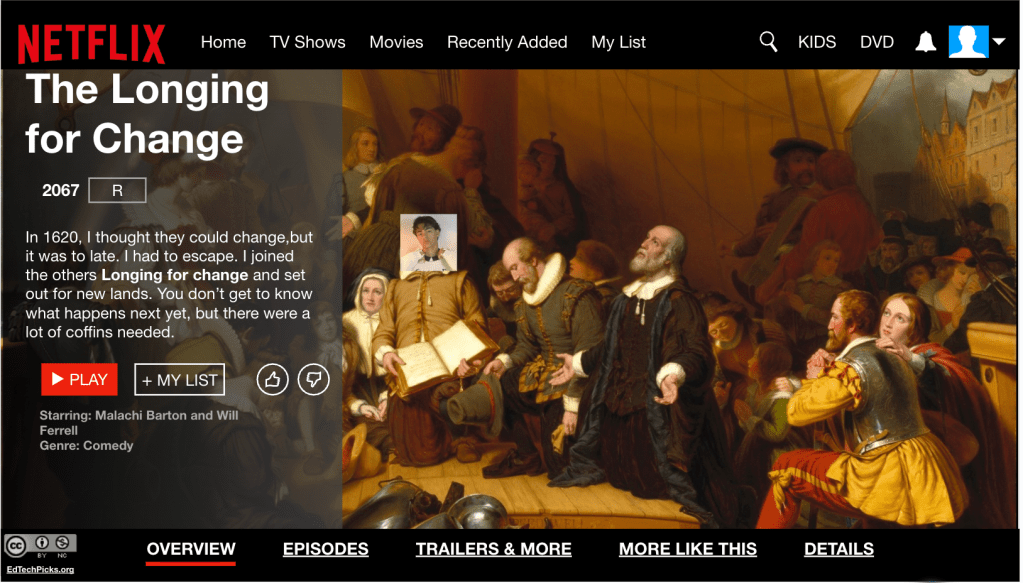
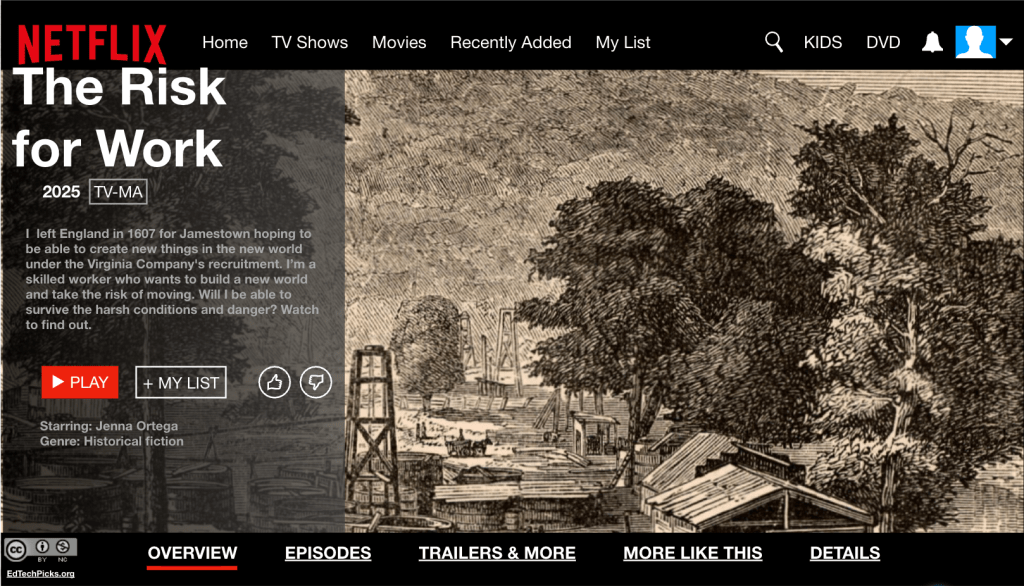
Tuesday’s class was meant to be quick, just fifteen minutes for students to finish their Netflix-style series project from last week. Each group had imagined a fictional person in England and decided which colony: Roanoke, Jamestown, or Plymouth, they would journey to and why. I figured a short work period would be enough. It wasn’t.
As I walked around the room, it became clear that fifteen minutes wasn’t going to cut it. Some groups were deep in debate over their main character’s motives; others were still refining which colony best matched their storyline. I caught myself starting to waffle: should I push forward or give them more time?
Sometimes I worry that my hesitation slows things down, but then I remind myself: pacing is a balance between momentum and grace. My timeline isn’t always their timeline. Finishing strong matters more than finishing fast.
So, I extended the time. And honestly, it was the right call. The extra minutes gave space for better conversations, stronger details, and more confident final products. In a classroom built on routines and protocols, flexibility still has its place. Sometimes, meeting students where they are is the best rhythm you can find.







Wednesday – Launching a New Unit
Wednesday kicked off a brand new unit on the 13 Colonies. I actually built this one alongside ChatGPT. I fed it textbook photos, my notes, and Ohio’s standards, and together we landed on the compelling question:
Was colonial America a land of opportunity or inequality?
I wanted to start by giving students enough background knowledge to wrestle with that question, so we staged it with vocabulary and picture analysis.
Building the Vocabulary Foundation
On Tuesday, we ended class with a quick 11-question Quizizz on key terms such as subsistence farming, cash crop, triangular trade, mercantilism, and Middle Passage. I ran the data through AI and, not surprisingly, every single word showed up as one of the most commonly missed. That told me the issue wasn’t the kids; it was the questions.
So I reworked everything. I created a TIP Chart (Term, Information, Picture) for all 11 words and paired it with a short introductory reading that included each word in bold. Students used context clues to write definitions in their own words instead of copying from a glossary, which I’ve learned makes the learning stick far better. Most finished the chart in about fifteen minutes.
We followed it up with a couple rounds of Gimkit Fast and Curious, which gave us quick retrieval practice and some much-needed energy.
Walking Through the Colonies
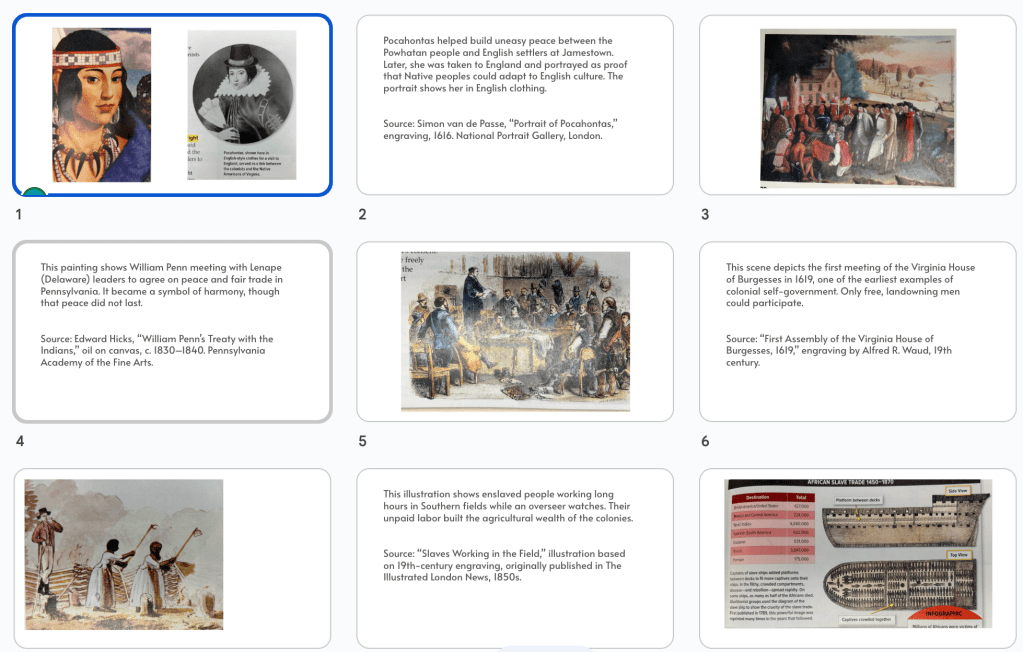
For the last fifteen minutes, the room turned into a gallery walk. I had gone through the textbook, taken photos of eight major images, and uploaded them to ChatGPT. It generated context and sourcing information for each one. I dropped everything into a Google Slides presentation, printed it, and taped the slides around the room.
Students chose three pictures to analyze using four guiding questions about what they noticed, what the image revealed about colonial life, and whether it showed more opportunity or inequality. They finished by answering:
After looking at three pictures, what overall conclusion can you make — did colonial America offer more opportunity or more inequality?
Connecting Images to the Question
A few moments stood out:
- At the Portrait of Pocahontas, students noticed how she symbolized both peace and captivity, an image that mixed opportunity and inequality.
- In William Penn’s Treaty with the Indians, several saw early cooperation but also pointed out how quickly that peace disappeared.
- The House of Burgesses engraving sparked discussion about who actually had a voice, and students summed it up as “opportunity for some, not for all.”
- The Slave Ship Brookes diagram and Slaves Working in the Field left no doubt about inequality’s role in building colonial wealth.
- Elizabeth Freake’s portrait and The Residence of David Twining helped students see what privilege looked like.
- And Anne Hutchinson on Trial reminded them how quickly freedom of thought could be taken away, especially for women.
What stood out most in their reflections was the realization that opportunity often came from inequality. Many students pointed out that the comfort, wealth, and freedom enjoyed by some colonists were made possible by the forced labor, displacement, or silencing of others. It was one of those moments where the room got quiet because the connections had real weight.
Why It Mattered
This day wasn’t about memorizing facts or checking vocabulary boxes. It was about building context and seeing contradictions. Students were already thinking critically, spotting who had power, who didn’t, and why that mattered.
By the end of class, their answers varied, but the reflections were sharp. Some saw opportunity, others saw inequality, and plenty saw both. And honestly, that’s the best sign that the unit’s question is working. It’s making them think, not just recall.

Thursday and Friday – Finding Rhythm Again
I’ll be honest: I’m probably not using as many EduProtocols right now as I’d like. The beginning of the year always moves a little slower, especially during the Exploration and Colonization unit. Things tend to pick up once we move into later content, but this stretch always feels like shaking off the rust.
It reminds me a lot of playing tennis again after the offseason. I know how to play, but being match-ready is different. It takes a few rallies to get timing, rhythm, and confidence back. Teaching at this point in the year feels the same way.
Supporting Question 1 – Which Colonial Region Offered the Best Chance to Succeed?
We started with another round of Gimkit Fast and Curious to review key terms. It gave students a quick boost of confidence and got them back into thinking about the colonies. From there, we moved into a short reading and a simple chart comparing the New England, Middle, and Southern regions.
I’ve always believed that going deep into every colony and every small detail is overkill at this stage. Instead, I wanted students to see the broader patterns. So we began at a DOK 1 level—read, transfer notes, and organize into a chart. Then we leveled it up to DOK 2 as students worked together to compare regions using a triple Venn diagram. The conversations that came out of this were some of the best of the week.
Right, Write, Fight
To close out the lesson, I tried out a game from EMC² Learning called Right, Write, Fight. The concept is solid. I gave each student an index card with the claim: “The New England region provided the best chance for people to succeed.” On one side of the card, students wrote “agree” or “disagree” and added one piece of evidence. Then all the cards went into a pile.
Next, everyone grabbed a random card that wasn’t theirs and added more evidence to support the claim. We repeated this process one more time, but the third round flipped it, students had to counter the evidence they read.
I love the structure of this activity. It’s hands-on, it forces evidence-based thinking, and it encourages students to see multiple sides of an argument. But when it came time to open Short Answer and answer the original supporting question: Which colonial region offered the best chance to succeed? The transition didn’t work as smoothly as I hoped. The game added too much cognitive load to a lesson that was already full.
Adjusting for the Second Class
By the time my second group came in, I made the call to simplify. We skipped Right, Write, Fight and went straight to Short Answer. Students still wrote their claim and supported it with evidence from their charts and Venn diagrams, but this time the flow felt tighter and more purposeful.
It’s a good reminder that not every fun idea fits every moment. Sometimes less is more, and giving students a clear path to success beats trying to do it all in one day. The good news is that each adjustment brings me a little closer to mid-season form: one match, one class, one rally at a time.


 Moler's Musings