This week was about staying grounded in what actually matters. We are heading into spring break, and it would have been easy to rush through content and give a test just to say we did. I am not doing that. I am not going to move on just to check a box. I would rather students actually understand what we are doing and have something to build on when we get back. Everything this week stayed centered on expansion and change, setting us up for westward expansion next.
Lowell Mills
Starting with a Claim Before Content
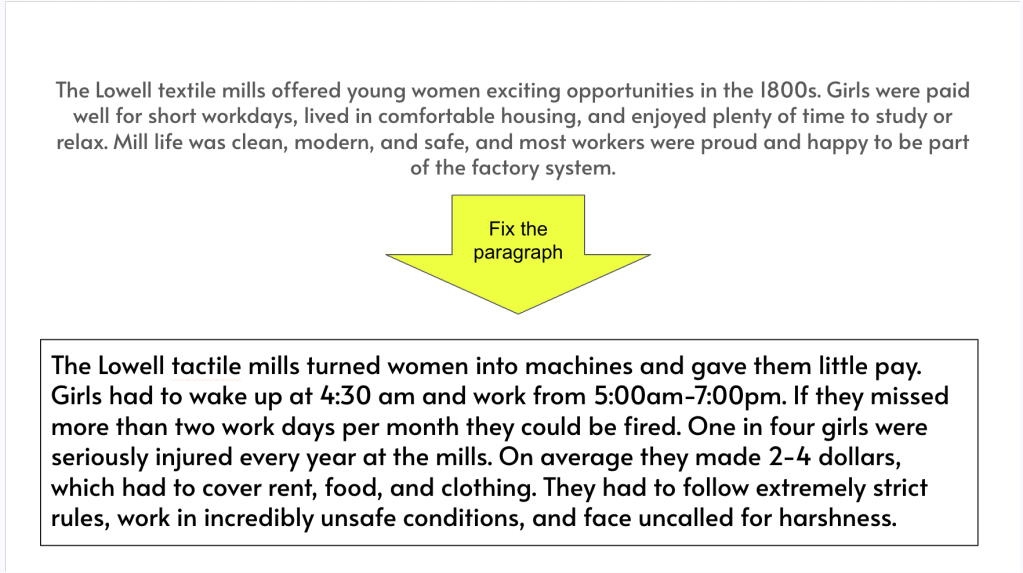
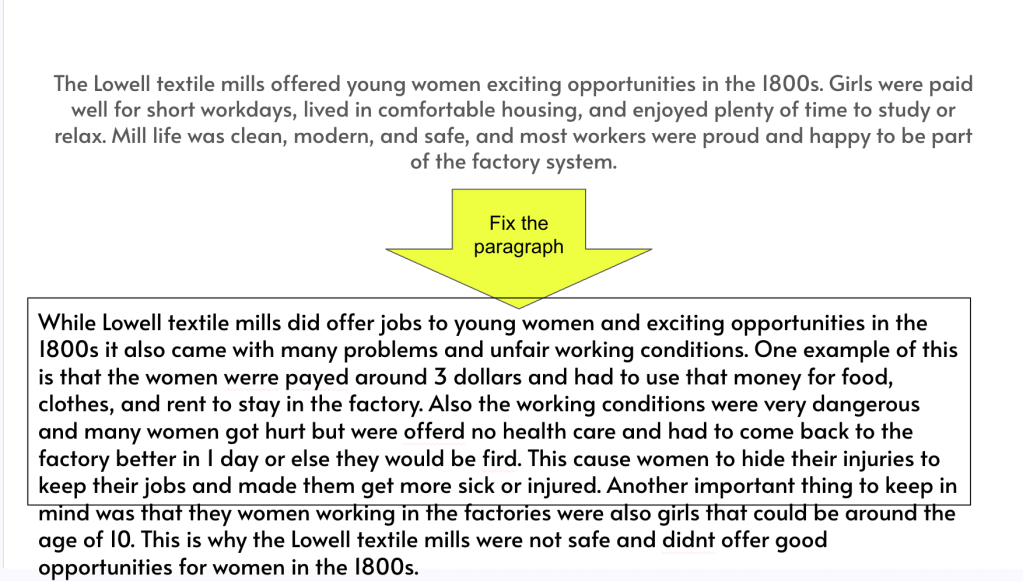
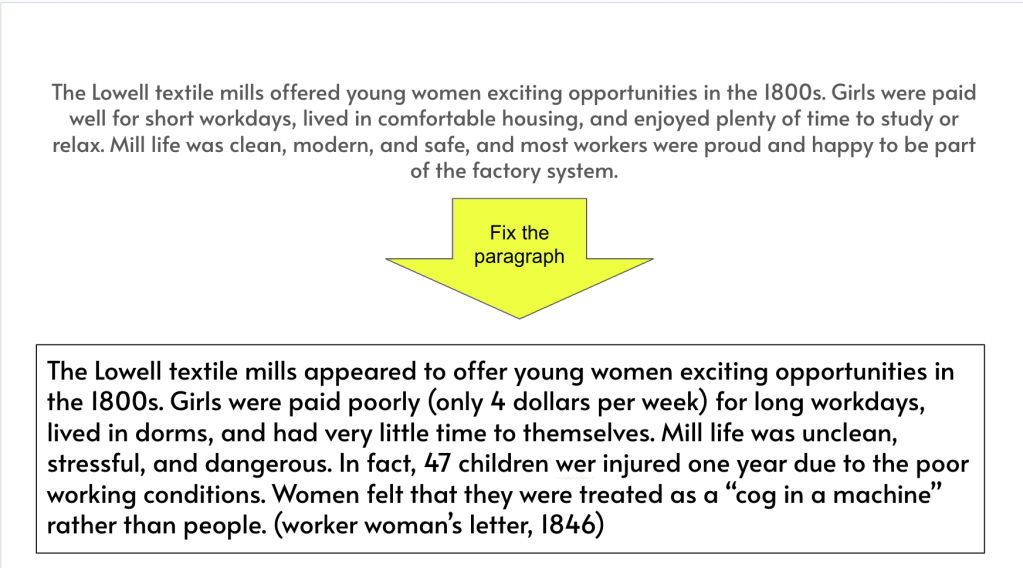
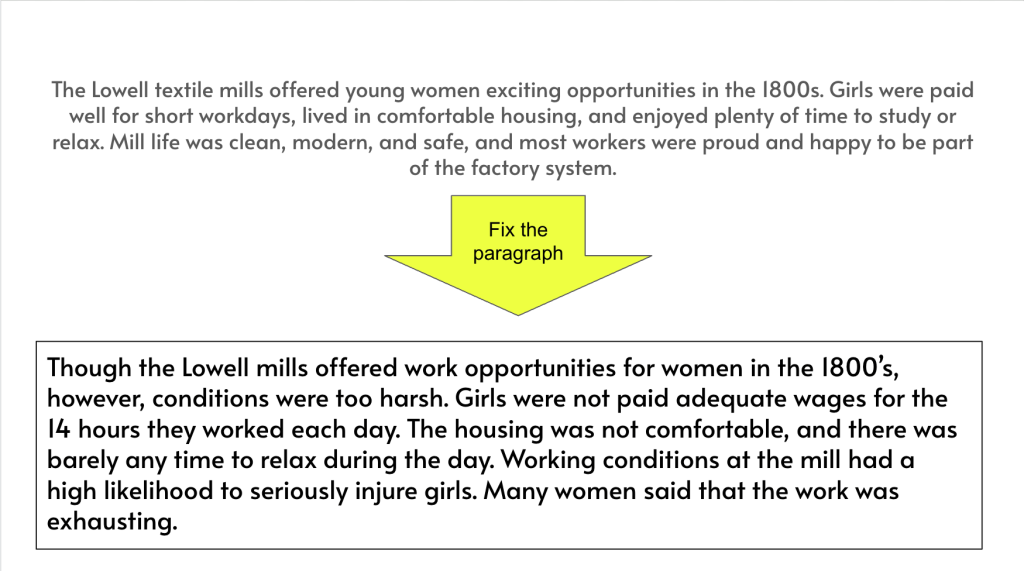
We opened with a simple statement about the Lowell Mills being a positive opportunity for workers. Before diving into anything, I wanted students thinking about that idea and forming an opinion they could test throughout the lesson. It gave them something to come back to instead of just passively taking in information.
EdPuzzle + Thin Slide
We watched a short EdPuzzle on the Lowell Mill Girls, but the key move was embedding a Thin Slide right in the middle. Students had to decide if the video supported the claim or not. Right away, you could see the split. Some students pointed to wages and housing as positives. Others focused on long hours, low pay, and difficult conditions. What stood out was that they were already backing up their thinking with specific parts of the video instead of waiting for me to explain it.
Number Mania
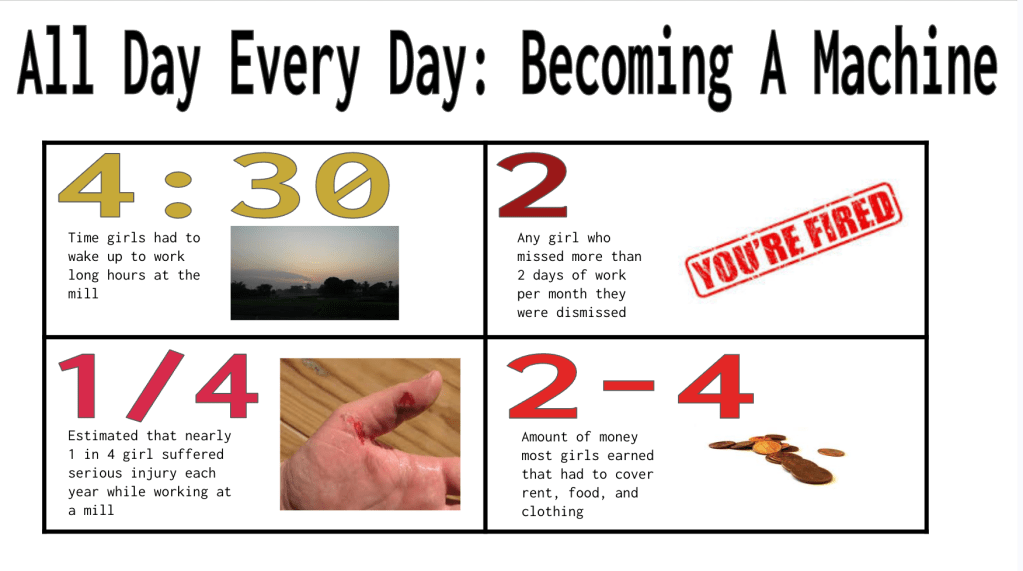
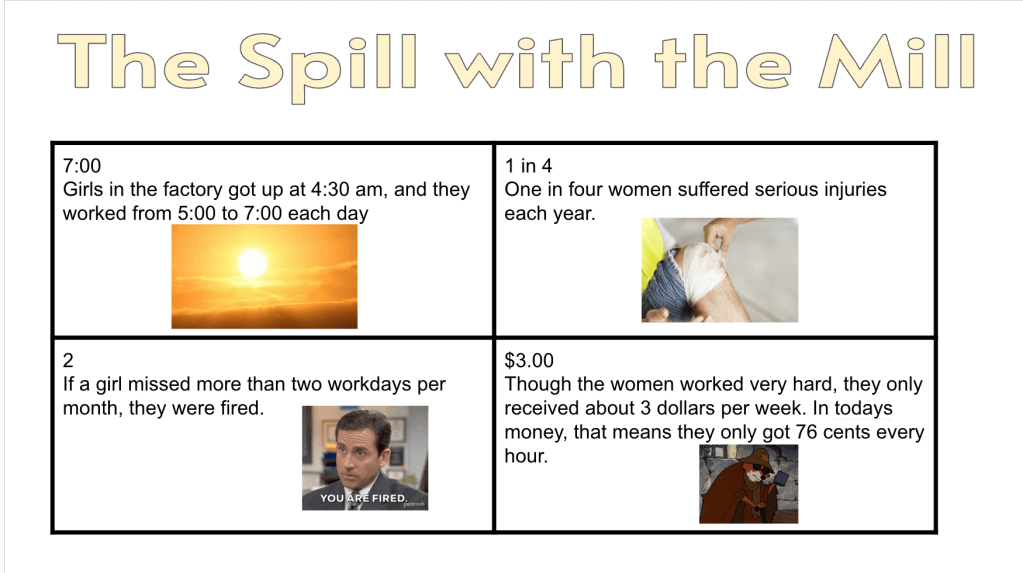
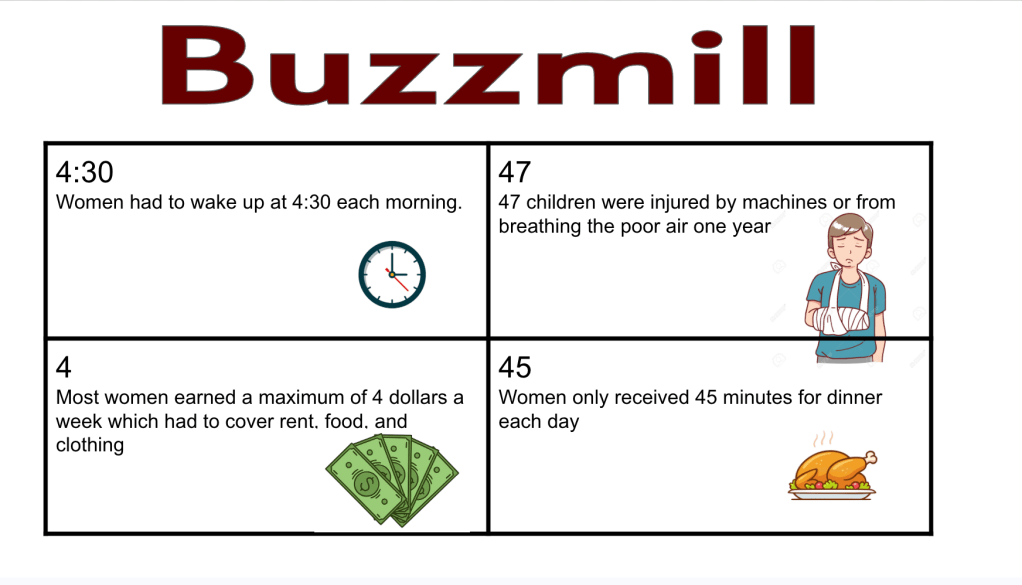
From there, we moved into Number Mania. Originally, I planned six stations, but I cut it down to four. That decision made a big difference. Students had time to actually read, think, and process instead of rushing. At each station, students had to find a number that could help refute the original claim. We paused and talked about what “refute” meant, which turned into an important moment. It is a word they will see on a test, but more importantly, it is a thinking skill they need.
To push them further, I rolled dice. The number they rolled told them how many words they could use. That forced them to be precise and intentional with their evidence. No extra words and no copying, just clear thinking.
Short Answer + Nacho Paragraph
We closed the lesson by going back to the original statement. Students copied it, revised it, and used their numbers and evidence to refute it. We ran it battle style so they could see each other’s responses, compare, and improve. That part changed the energy. They were not just writing because I asked them to. They were writing because they had something to say and something to prove.
Transportation Revolution – Building Background First
We started with a short EdPuzzle on canals, steamboats, and railroads to give students a foundation. It was quick, but it gave everyone a starting point before we went deeper into the content.
Thick Slide
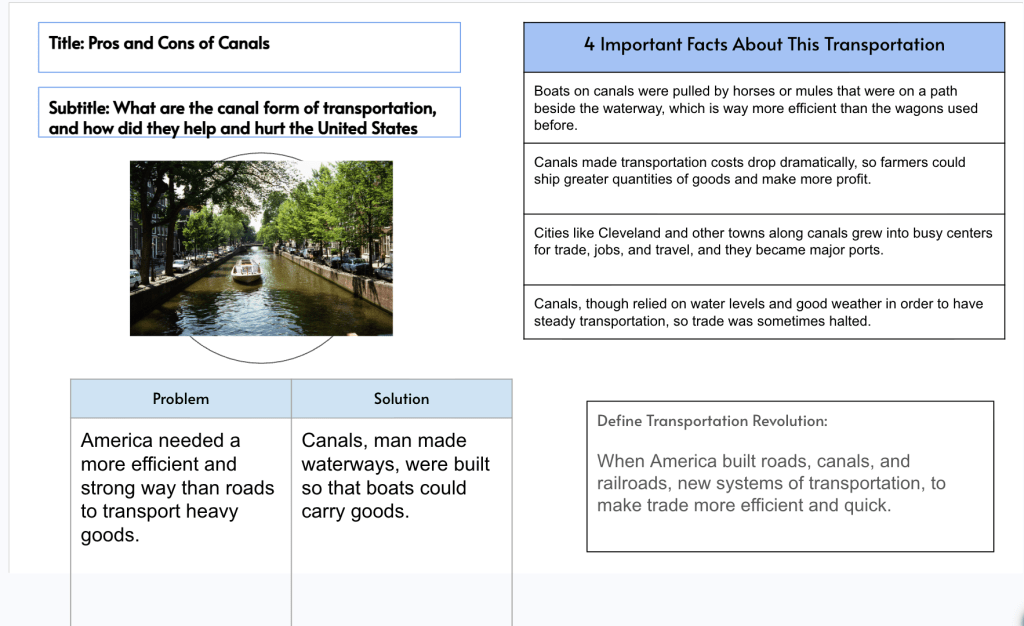
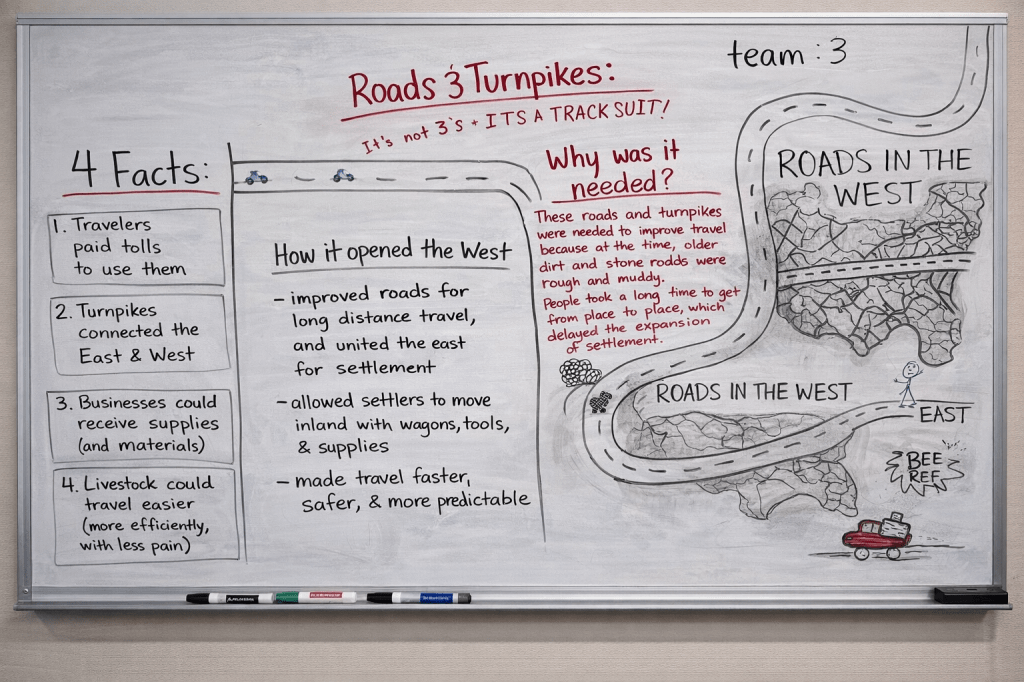
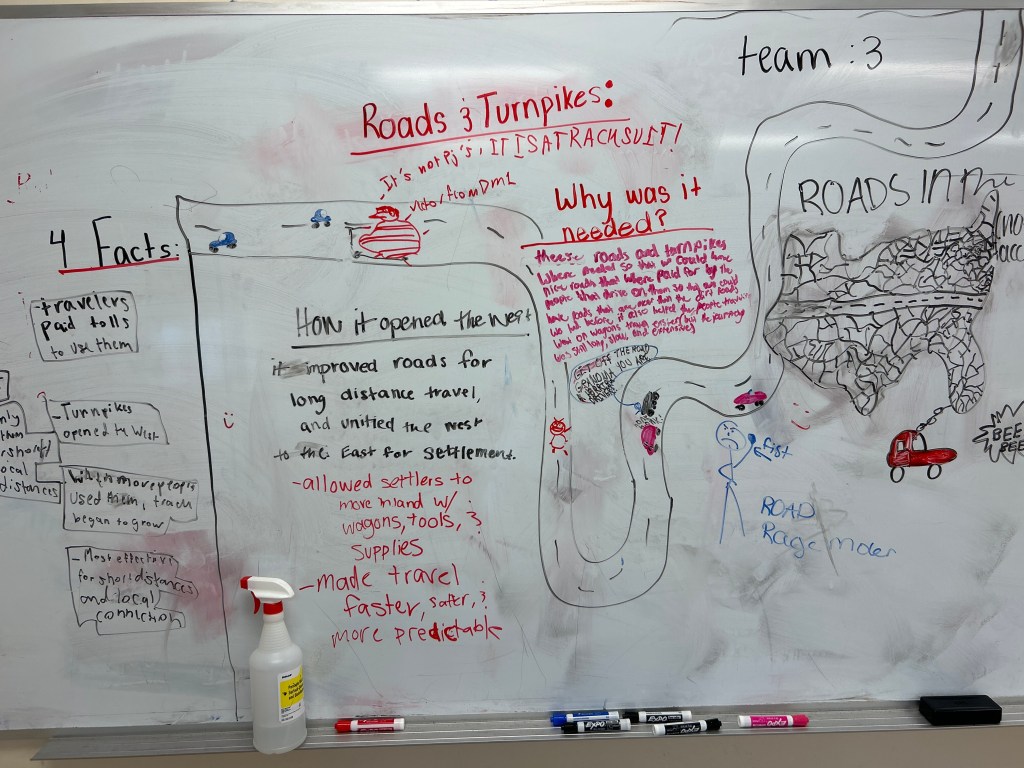
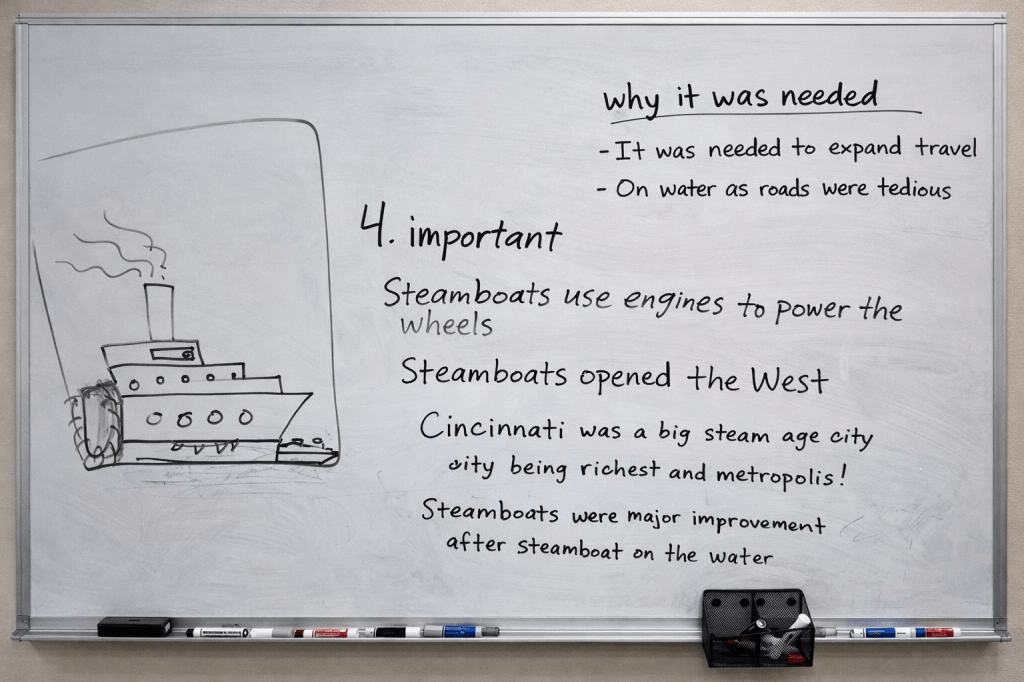
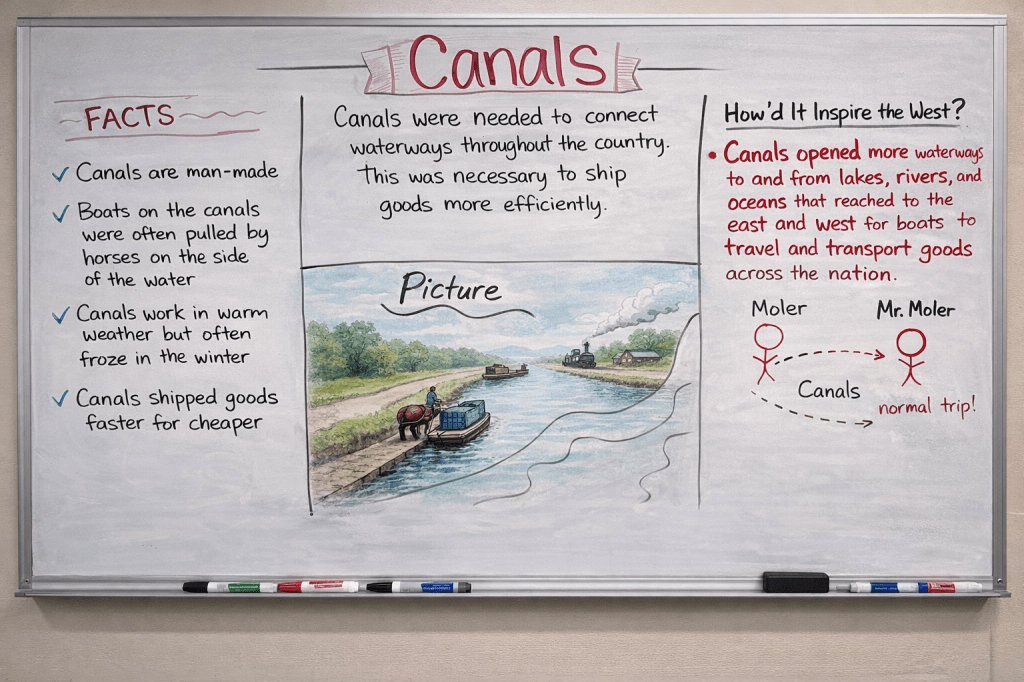
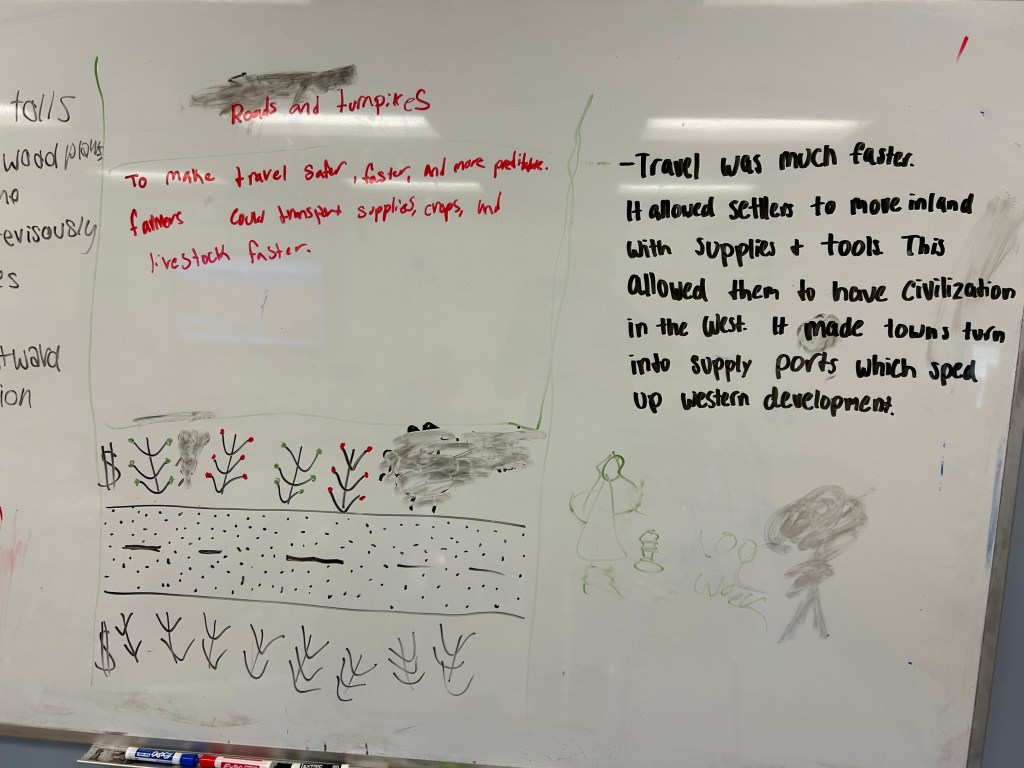
After that, students got readings that built on the same transportation methods from the video. Instead of answering questions, they created a Thick Slide. Some classes used Google Slides, some used paper, and some went to the whiteboards. The structure stayed the same with a title, subtitle, visual, four facts, problem and solution, and a definition of the Transportation Revolution. Students had a clear place to organize everything they were learning without getting overwhelmed.
Triple Venn Diagram
Next, students compared three transportation methods using a triple Venn diagram. In the classes using whiteboards, they pulled directly from what was already created around the room. For some students who struggled to read the boards, I cleaned them up using AI while keeping the original ideas the same. That helped keep everyone involved without slowing the lesson down.
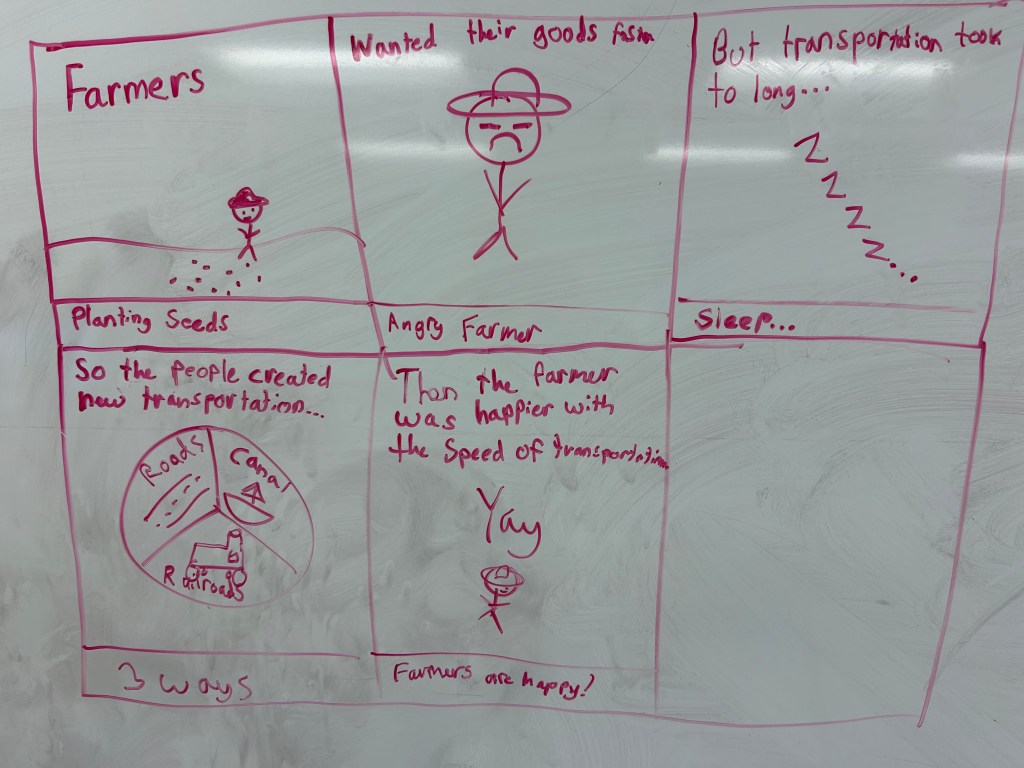
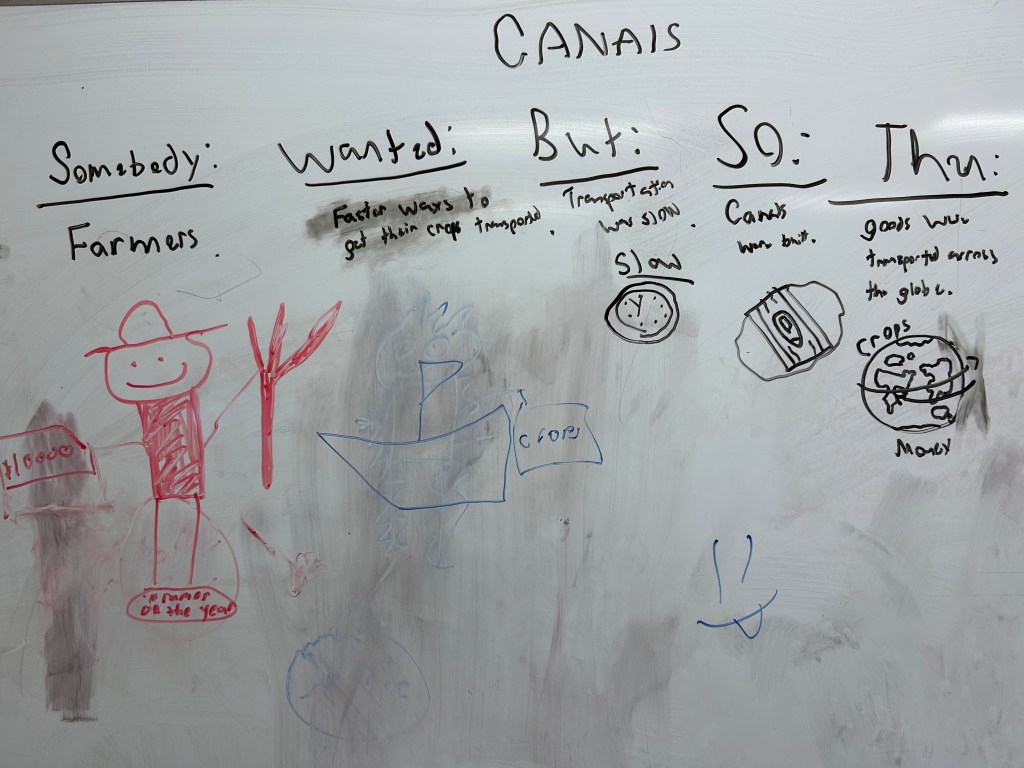
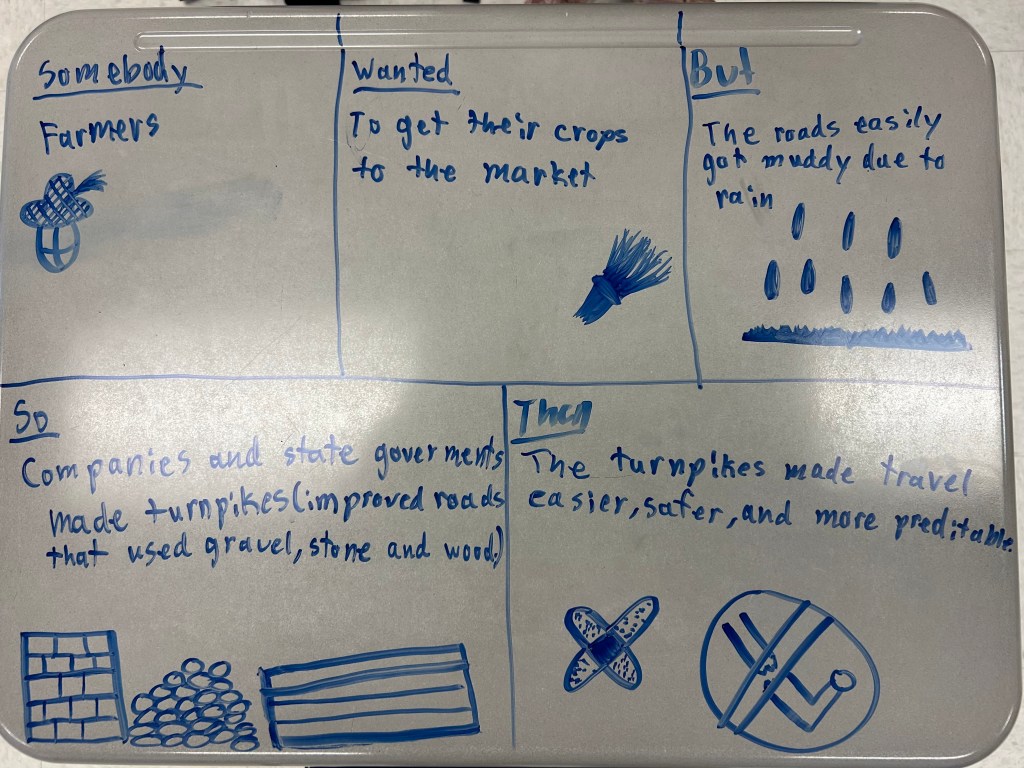
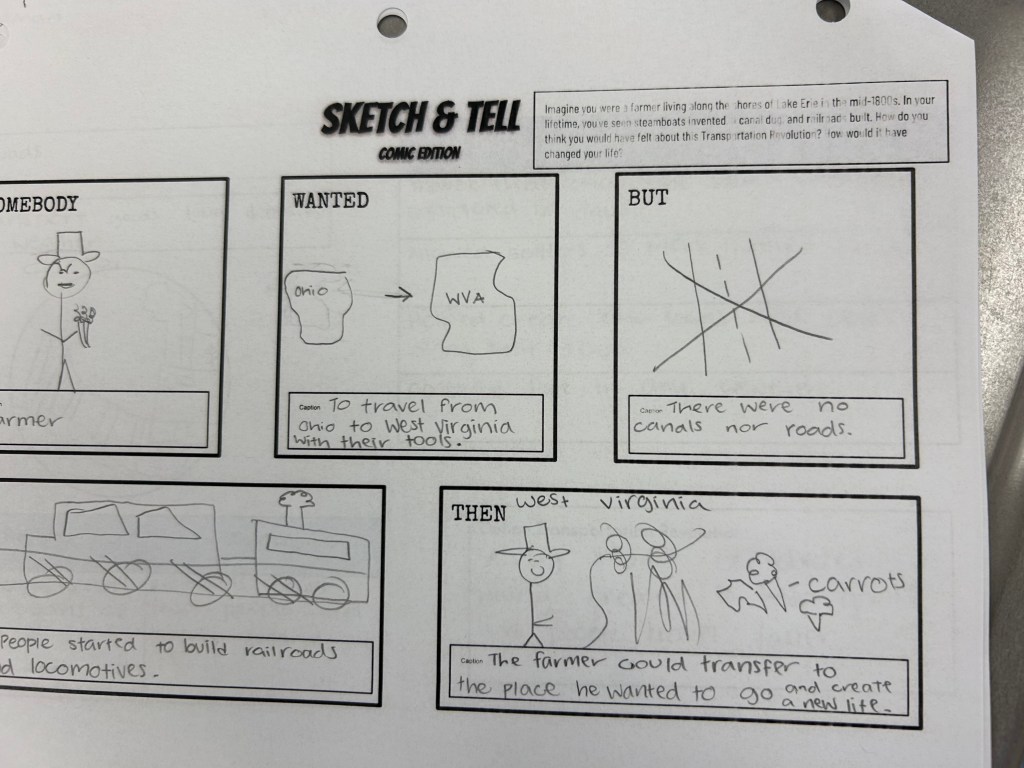
Somebody Wanted But So Then
We finished by shifting perspective. Students imagined they were a farmer during the Transportation Revolution and reacted to one method using a Somebody Wanted But So Then sketch and tell. Some chose paper while others stayed at the boards. Either way, they were applying what they learned in a way that made it feel real and connected to an actual experience.
Looking Ahead
This week was not about finishing a unit. It was about building understanding. We stayed consistent, reduced overload where it mattered, and gave students multiple ways to work with the same ideas. When we come back from spring break, we will move into westward expansion. The difference is that students will not be starting from scratch. They will actually have something to build on.

 Moler's Musings