
“Hey, send me a picture of the homework that you finished when you get home.” That was a text I overheard this week and it hit me. Sometimes I feel the pressure in my new school to give homework. I was told it is an expectation. But I do not always give homework because I try to use our class time wisely. That quote only affirms why I do what I do. It affirms why I think homework is usually useless. Kids know how to play the game.
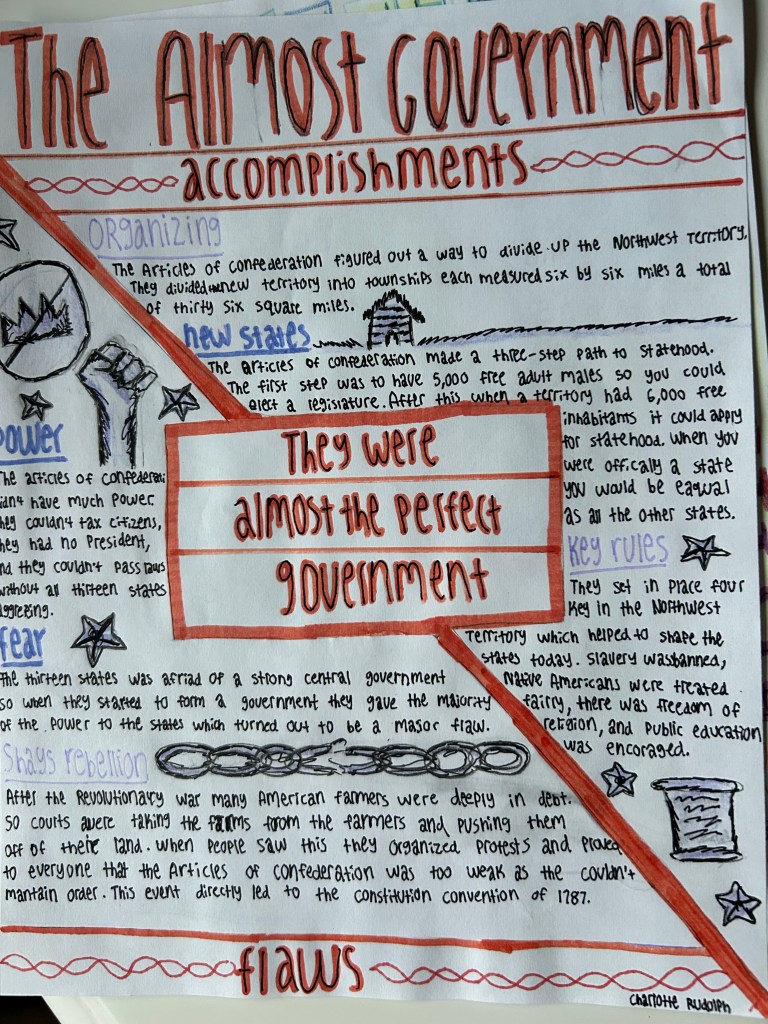
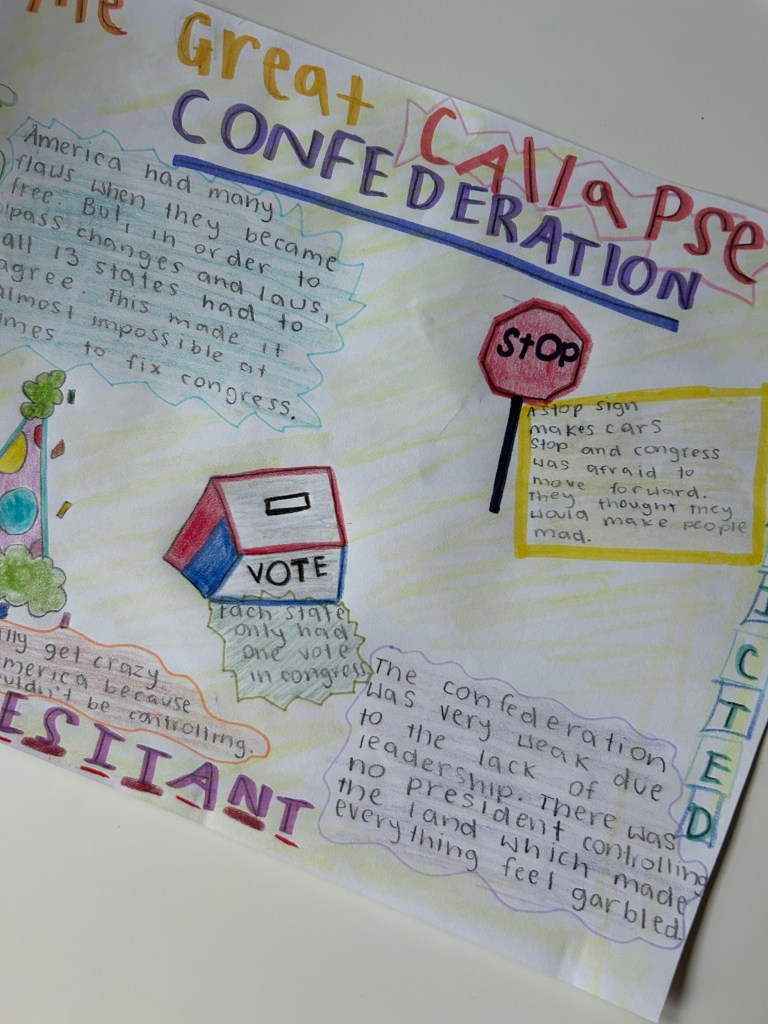
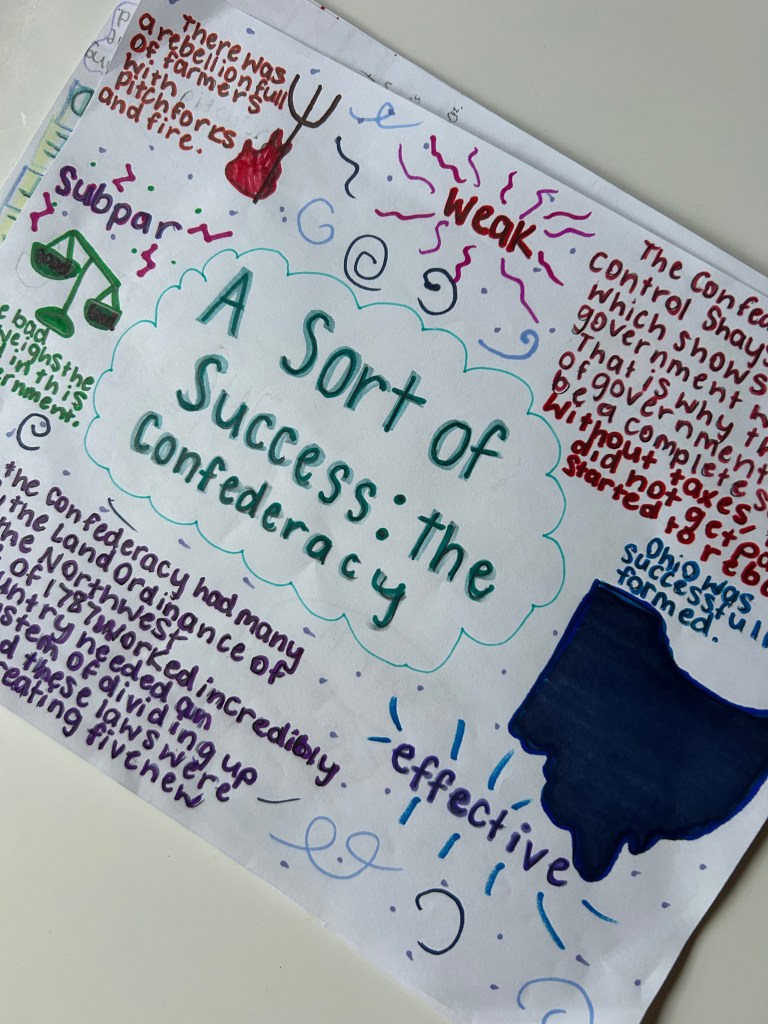
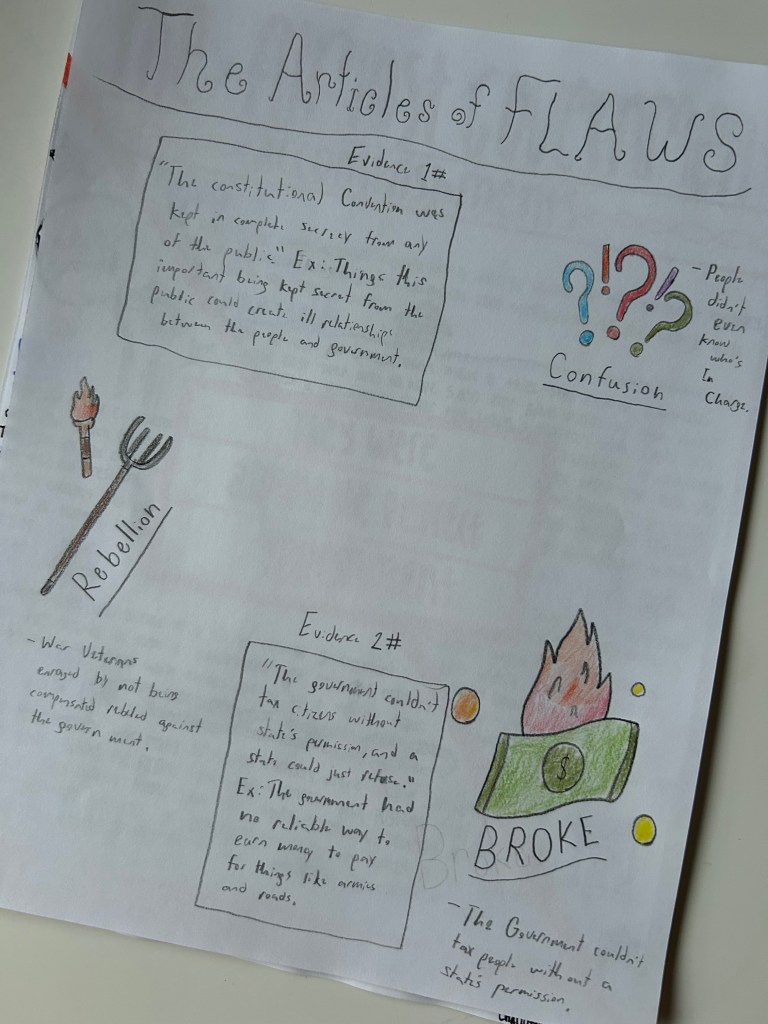
It is also why I barely give traditional multiple choice or short answer tests. I focus on more creative assessments that make kids think and produce something meaningful. This week wrapped up our Articles of Confederation mini unit with a Graffiti One Pager assessment. I gave them Monday and Wednesday to work on it. I genuinely believe that when students know they have time in class to work, it cuts down on the screenshot hustle and sharing answers.
Beyond that we moved into the Constitutional Convention. This week I decided to gamify it and layer in some EduProtocols to build skills without the drag.
Monday and Wednesday
Monday and Wednesday were focused work days. Students worked on their One Pager where they shared their opinion to the question: Were the Articles of Confederation a failure. The One Pager was designed as a graffiti style page that forced students to weigh both sides. On one hand the Articles created a weak national government that struggled to do basic things like tax, regulate trade, or respond to rebellion. On the other hand the Northwest Ordinance became a blueprint for how to admit new states and ban slavery in the Northwest Territory. That tension is where the learning actually lives.
The directions asked students to create a title that answered the question, include three illustrated symbols, include three key words, and include two evidence statements that supported their position. Students could use class notes, readings, stations, and discussions to build it out. A lot of kids titled theirs around the extremes which was interesting. I saw titles like Government Without Power or Quiet Success or The Imperfect Confederation. To me that is a sign the task worked because students were not parroting the same take. They were picking a lane and supporting it.
The best part was watching students think through symbols and evidence. It is easy to say the Articles failed. It is harder to sketch out something that represents weak trade or Shays Rebellion or new territory rules and then explain why it matters. When students had to put two pieces of evidence on the page they had to remember where in the mini unit that evidence came from and how it supported their claim. That is synthesis and that is what I want.
Giving two full class periods for a creative assessment also reduced the stress and the sneaky pictures. They knew they had time. They knew they had access to resources. There was no benefit in asking for a photo to copy because everyone had space to think and create.
Tuesday
Tuesday was a risk day. I decided to gamify the Constitutional Convention. I have weeks where I feel stuck and not very creative. I do not take chances like I used to. But this week I said to hell with it and took a chance. I brought out Text Quest from EMC2learning. I used to run these all the time and I forgot how much I love the structure. Text Quest comes from the Ditch the Lecture series on the EMC site. Each class period is called an episode and it has two parts. The Daily Debate and the Bonus Battle. I provide a backstory for each episode so I am telling a story while we learn.
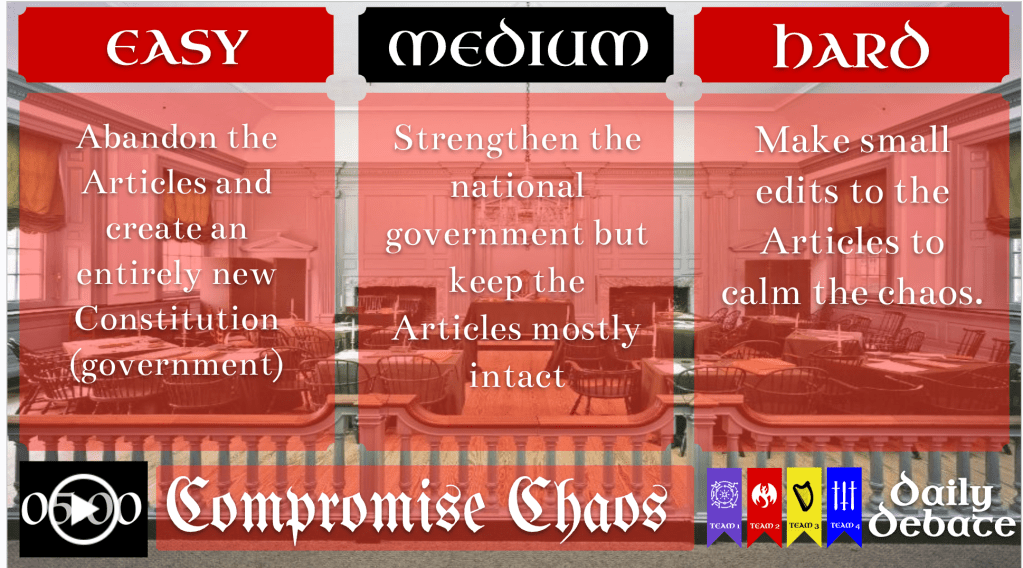
I put students into groups of three or four and launched my Text Quest called Compromise Chaos. For our first episode we set the stage by introducing the Constitutional Convention. The Daily Debate question was tiered for easy, medium, and hard responses to help every kid enter the conversation. Students had to decide how they would have proceeded at the Convention. Keep the Articles as they are, scrap the Articles and start fresh with a new government, or make minor changes to fix the weaknesses. They wrote a claim with evidence and reasoning. I read them out loud, gave real feedback, and ranked the groups in first, second, third, and fourth place. The winning team earned an advantage for the Bonus Battle.

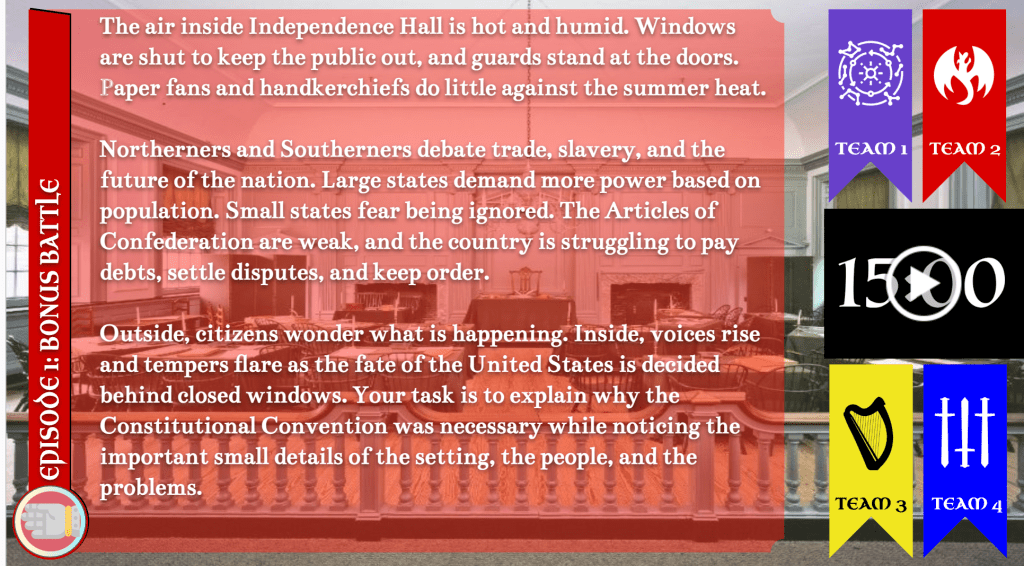
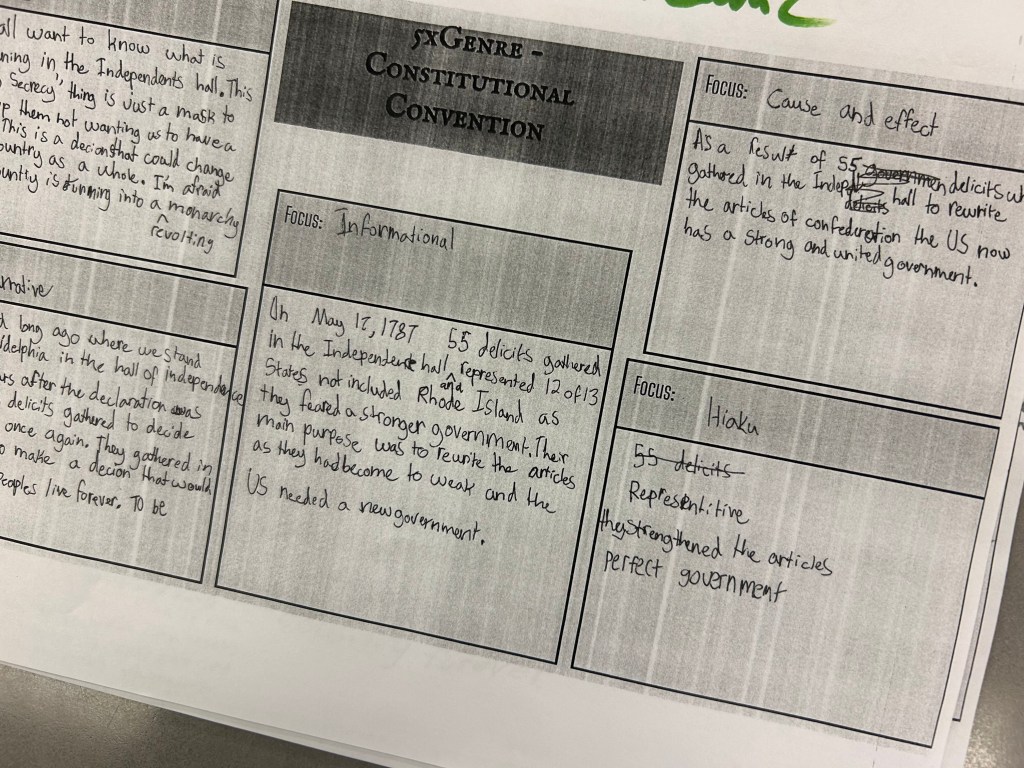
For the Bonus Battle I gave students a one page reading about the Convention. It covered the basics like where it happened, who showed up, when it happened, what the goal was, and why Rhode Island refused to send delegates. Students read it first and highlighted anything they felt mattered. Then we moved into a 5xGenre challenge. I had eight genres posted on the board and students had to write about the Convention in five different styles. Genres included informational summary, narrative, rhyme, point of view from Rhode Island, metaphor, headline, letter, and checklist. The advantage for the Daily Debate winners was they did not have to roll dice and could pick any five genres they wanted. Everyone else rolled for their genres.
The flow was simple. I rolled the dice. I had 8 styles/genres – informational, narrative, POV, angry tone, rhyme, haiku, persuasive. Let us say Point of View Rhode Island came up. Groups had three minutes to discuss what a Rhode Island perspective would sound like. After the timer they passed their work to a new partner in their group. I rolled again and we repeated the cycle. It was fun and it felt new. Kids were arguing about wording and laughing about Rhode Island being the stubborn holdout. Time flew by and for the first time in a while I felt like I was taking a creative swing again.

Thursday
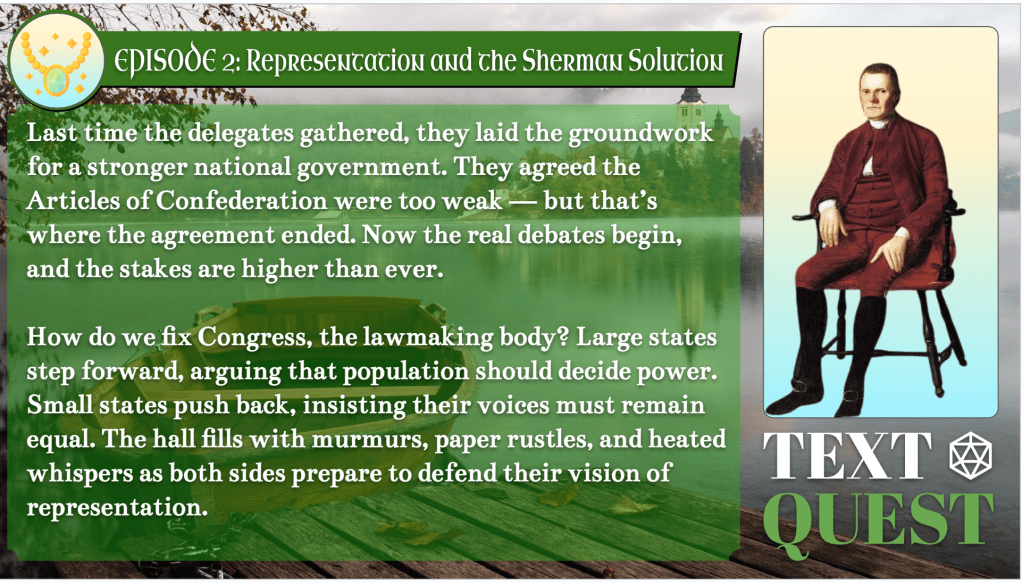
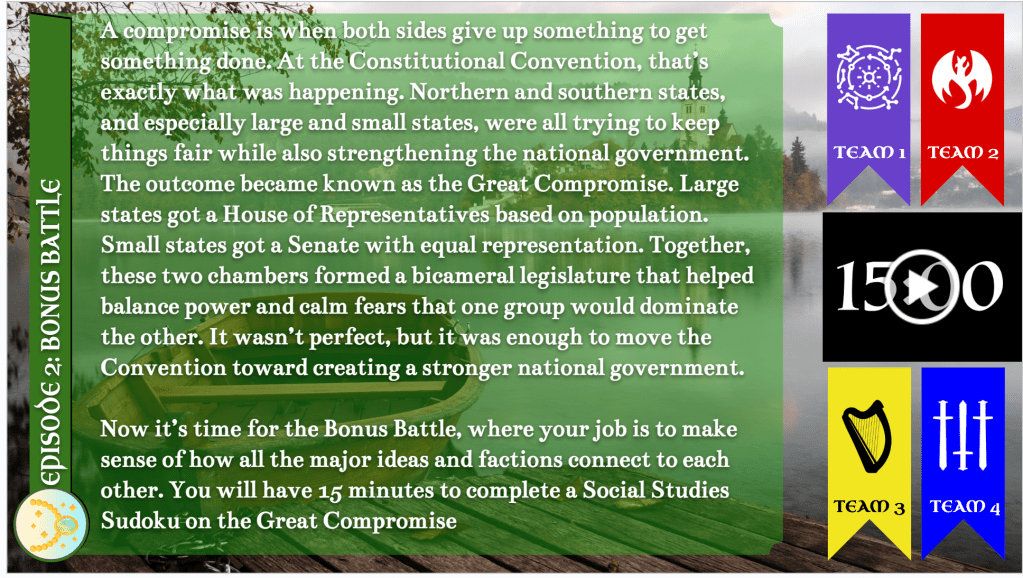
Thursday was Episode 2 of Compromise Chaos. This episode focused on the Virginia Plan, the New Jersey Plan, and how Roger Sherman glued those ideas together into the Great Compromise. The story continued right where Episode 1 left off. Delegates knew the Articles were too weak, but no one agreed on how to fix Congress. The slides helped set that scene. Large states pushed for representation by population. Small states pushed for equal votes. Everyone feared getting steamrolled.
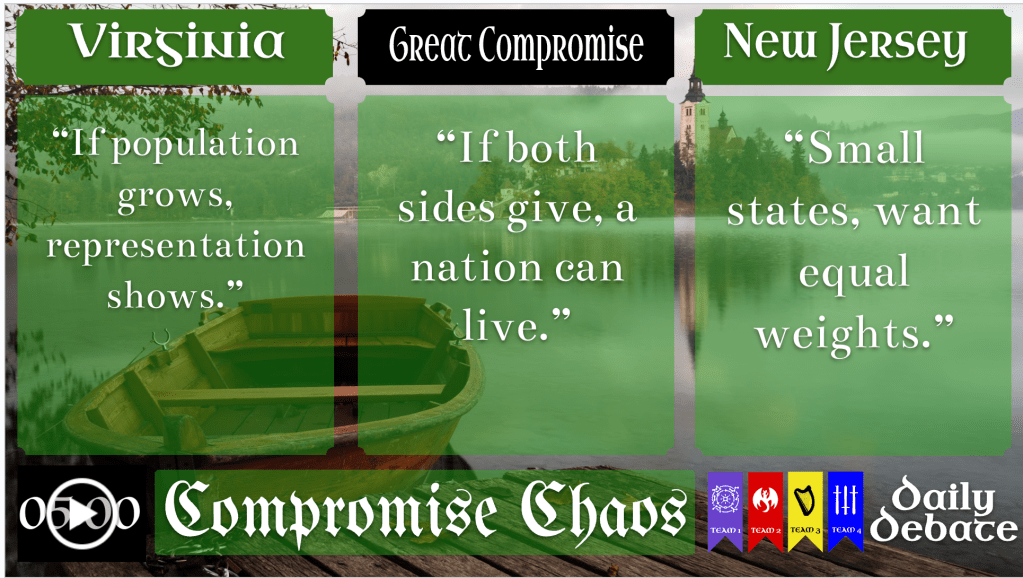
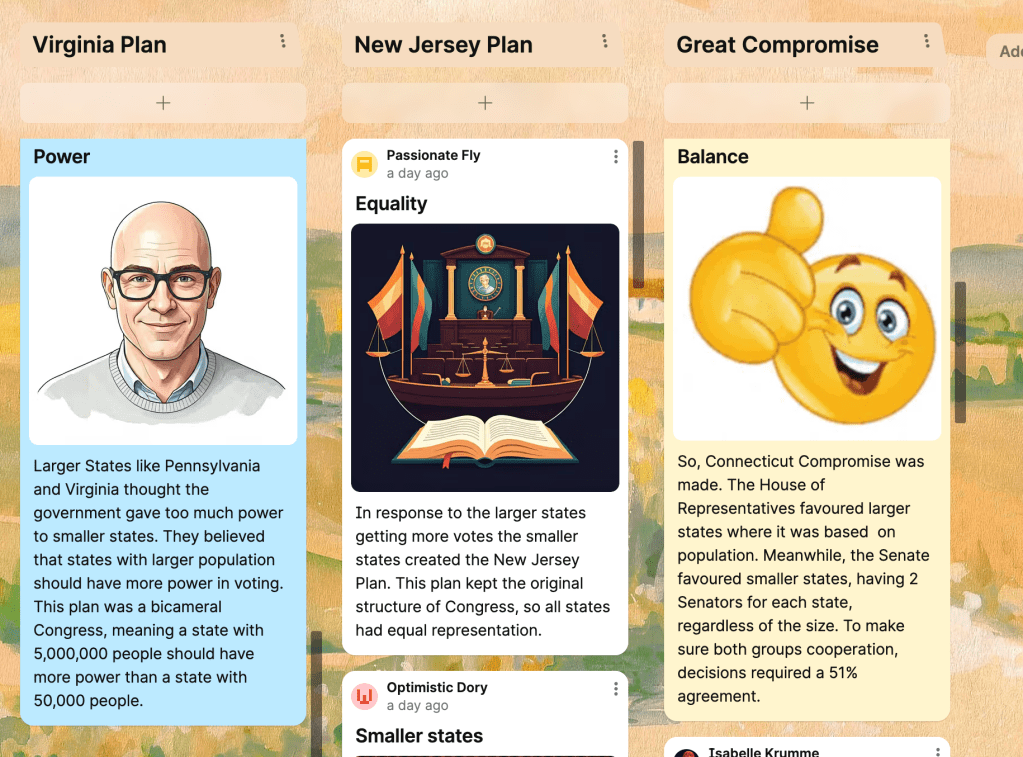
For the Daily Debate I had groups create three Thin Slides on Padlet. One for the Virginia Plan, one for the New Jersey Plan, and one for the Great Compromise. Same rules as always. One picture, one word, and an explanation. The goal was clarity, accuracy, and creativity. I ranked the groups again and gave out first through fourth place. The winning group earned an advantage for the Bonus Battle.
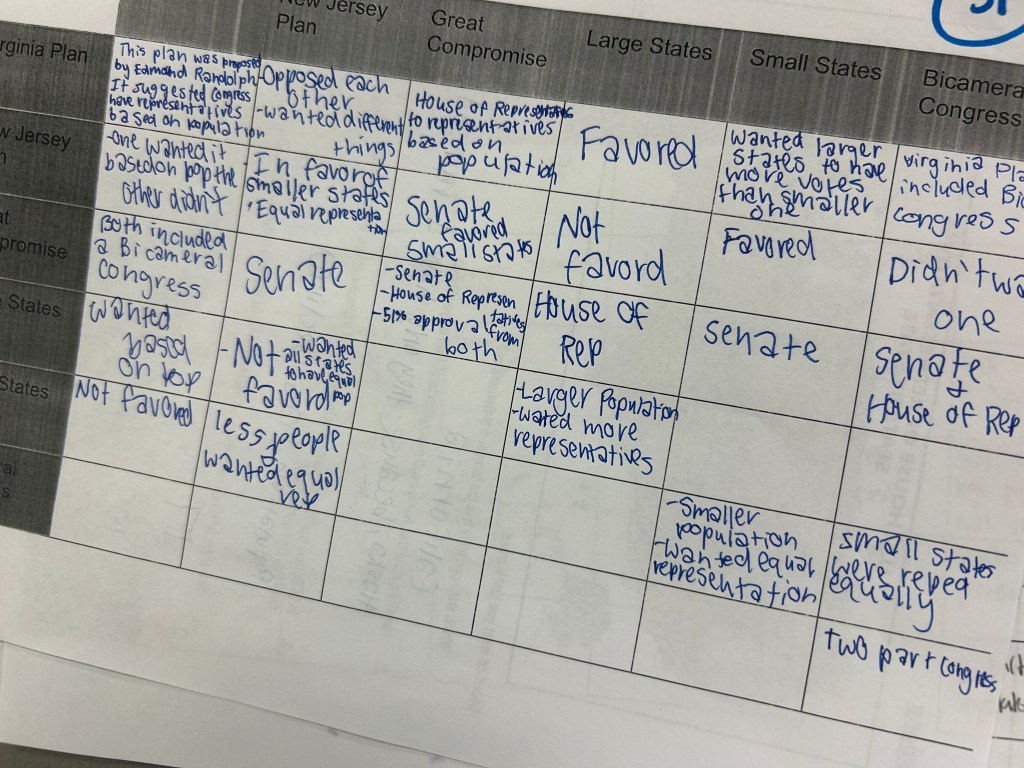
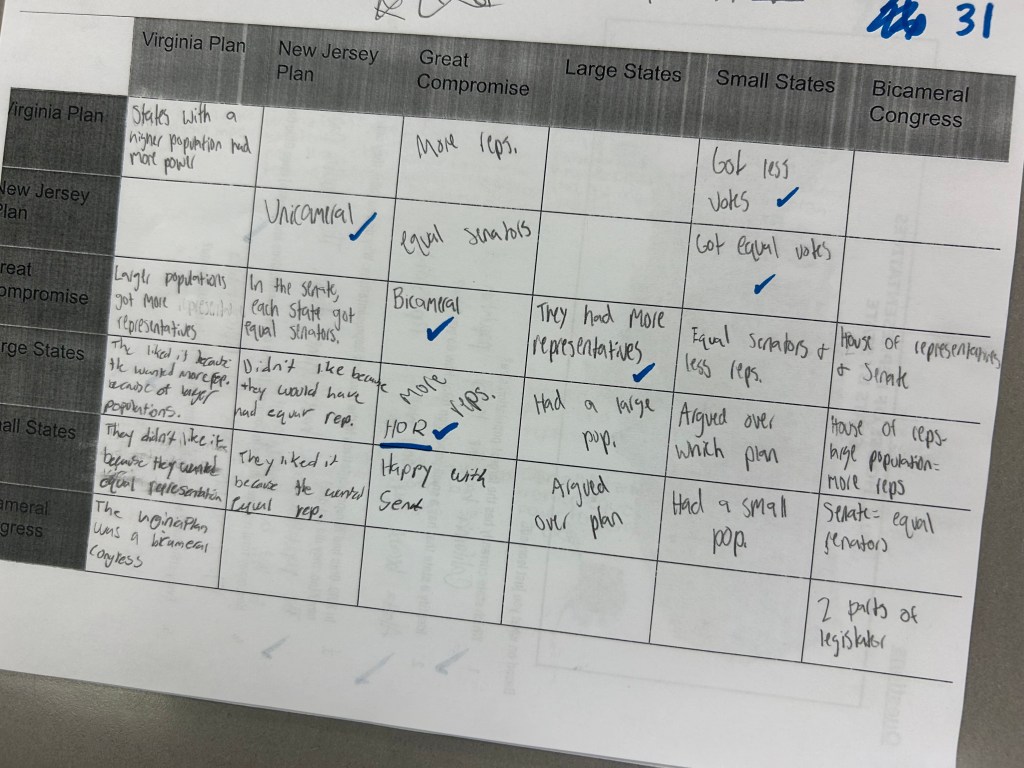
For the Bonus Battle I introduced Social Studies Sudoku. It is a 6 by 6 grid with Virginia Plan, New Jersey Plan, Great Compromise, Large States, Small States, and Bicameral going across the top and down the side. Groups had to work together to make as many unique connections as possible. They had to know who liked which plan, who benefited, and how the final compromise blended both sides. It was a simple format, but it slowed the content down enough for kids to process how these three topics actually connect. This is the type of activity that replaces a worksheet without feeling like work. Kids were debating answers and checking logic instead of zoning out. It made for a strong finish to the episode.
Friday
Friday was supposed to be our jump into the Three Fifths Compromise, but attendance was rough. Too many kids were out and I did not want to introduce a big new concept with half the class missing. So I pivoted.
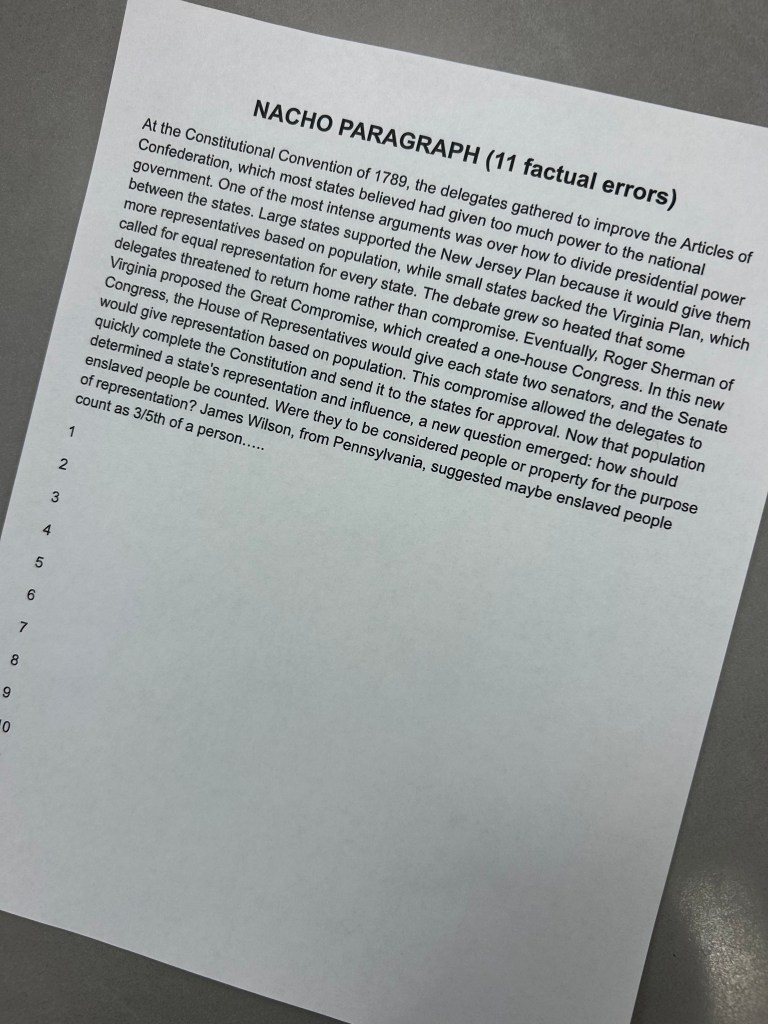
Instead of starting new content, we ran a Nacho Paragraph on the Great Compromise. I handed out a paragraph filled with eleven factual errors. Looking back I should have told them to amend the paragraph instead of just find the errors, but oh well. The point was to review the Great Compromise and make sure they understood who wanted what and how the final deal worked.
This served as our Daily Debate. Groups had to find the errors and correct them. The most found and corrected all day was ten. That made it easy to separate groups into first, second, third, and fourth place. For the Nacho Paragraph I brought out chips and salsa because why not. If we are doing nachos we might as well lean into it.
Instead of a Bonus Battle, we took a side road and ran a Quizizz that reviewed the Articles of Confederation, the Declaration of Independence, Shays Rebellion, and the Northwest Ordinance. It was a nice check on what stuck from the last few weeks. The top five finishers earned five extra points for their team. Class averages landed at 75%, 85%, 80%, and 92%. It was a good way to end the week without rushing new content or punishing the kids who were out.
Lessons for the Week
Monday and Wednesday – One Pager Directions
Tuesday – 5xGenre, Text Quest
Thursday – Social Studies Sudoku,
Friday – Nacho Paragraph

 Moler's Musings